
Listen to this article
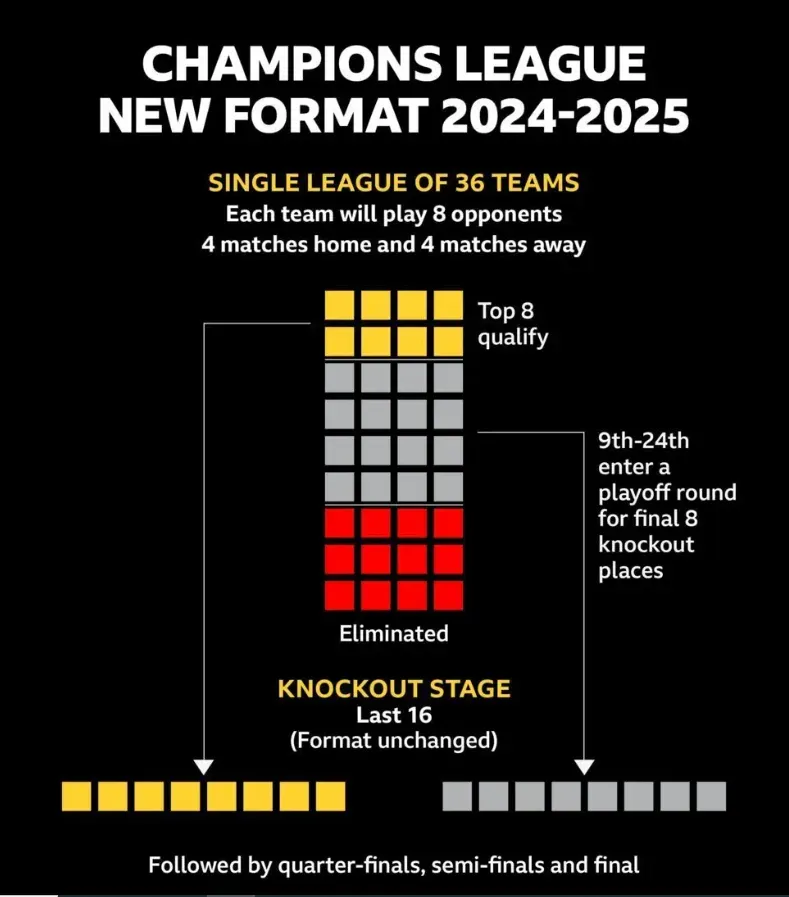
The Champions League rules have been a hot topic of discussion among football aficionados, especially in the wake of Liverpool’s successful qualification for the last 16 stage. Following an impressive 6-0 victory against Qarabag, they are set to face potential opponents like Atletico Madrid or Juventus, which has stirred some discontent among pundits such as Jamie Carragher. Carragher’s criticism of the revised Champions League format highlights the discrepancies that can arise, particularly when a team that finishes third in the group stages could still meet formidable contenders. This scenario raises questions about the competitiveness and fairness of the Champions League format, which could significantly impact teams like Liverpool as they navigate challenging matchups. As the Reds prepare for their next clash in the knockout rounds, the implications of these rules will surely be a focal point for discussions leading up to the Liverpool vs Atletico Madrid face-off, and beyond.
Navigating the intricacies of UEFA’s elite tournament brings to light the nuances of the Champions League regulations which have sparked diverse opinions among fans and commentators alike. Following a thrilling group stage performance, clubs like Liverpool now approach crucial knockout rounds with a blend of excitement and trepidation. The current iteration of the Champions League framework presents unique challenges, especially for teams that finish in non-top positions yet confront powerhouse rivals in the latter stages. Jamie Carragher’s recent remarks encapsulate the frustrations felt by many regarding the perceived imbalance in how teams are seeded and matched against each other. As Liverpool and others forge ahead into the prestigious last 16, the ramifications of such matchups are sure to dominate conversations in the world of football.
Jamie Carragher’s Concerns on Champions League Rules
Jamie Carragher’s recent commentary on the Champions League rules has stirred discussions among football fans and analysts alike. After Liverpool’s emphatic 6-0 win against Qarabag, which secured their spot in the last 16, Carragher was quick to voice his displeasure regarding the inconsistencies he perceives in the competition’s revamped structure. He highlighted the irony that, despite Liverpool finishing third in their group, they could be facing formidable opponents like Atletico Madrid or Juventus in the knockout phase, something he believes undermines the competitive balance intended by the tournament.
Critics of the current Champions League format argue that it complicates the traditional knockout experience, where teams should ideally be rewarded for their group stage performances. Carragher’s frustrations echo a broader sentiment among fans, who feel that the rules should ensure a clearer hierarchy in matchups, particularly in the last 16. As clubs like Liverpool strive to ascend the ranks, the potential for mismatched encounters raises questions about fairness and integrity in the tournament.
Analyzing Liverpool’s Potential Opponents in the Last 16
With Liverpool securing their place in the Champions League knockout stage, attention inevitably shifts to their potential opponents. The possibility of facing giants like Atletico Madrid or Juventus has fans buzzing while simultaneously invoking anxiety among players and management. These teams not only have a deep-rooted history in European competitions, but they also present tactical challenges that can derail even the most prepared squads, making the anticipation surrounding these matchups rather intense.
As Liverpool prepares for the last 16, optimism remains high despite concerns raised by pundits like Jamie Carragher. The Reds’ management and squad are well aware of the caliber of their potential adversaries. Liverpool’s previous encounters in the Champions League showcase their resilience, but strategies must adapt depending on who emerges as their opponent. Whether it’s outmaneuvering Atletico Madrid’s defensive tactics or matching Juventus’s formidable attacking prowess, the adaptability of Liverpool’s game plan will be crucial for progressing further into the tournament.
Jamie Carragher vs. Micah Richards: A Clash of Perspectives
The exchange between Jamie Carragher and Micah Richards during a recent discussion encapsulates a clash of perspectives on the Champions League’s current format. Carragher emphasized his discontent over the competitiveness of potential draws, suggesting that a team finishing third should not face top-tier opponents like Atletico Madrid or Juventus, especially in the knockout rounds. Richards, in contrast, interjected with playful sarcasm, reminding Carragher of Liverpool’s prestigious status in the football hierarchy, indicating that such concerns are less valid for a club of Liverpool’s caliber.
Their debate highlights an important aspect of sports commentary – the tension between tradition and modern evolution of tournaments. While Carragher argues for preserving the essence of fair draws, Richards brings a lighter, more optimistic approach that encourages Liverpool to embrace the challenge. This interplay between critique and support not only emphasizes the passion surrounding clubs like Liverpool but also showcases the varying expectations fans and pundits have regarding elite competition in the Champions League.
Liverpool’s Remarkable Path to the Champions League Last 16
Securing a place in the Champions League last 16 represents a significant achievement for Liverpool, particularly following a dominant group stage performance. Their impressive 6-0 victory against Qarabag underscores the team’s commitment and skill, showcasing the depth of talent within the squad. This pivotal win not only reflects the current form of Liverpool but also marks their return to the knockout stage, a necessary stride for a team with high ambitions in European competitions.
As Liverpool’s manager rightly pointed out, qualifying to skip the playoff round is an advantageous position to be in. Such a successful run sets a strong precedent as they head into the knockout stage. Reiterating his team’s determination to surpass their previous season’s performances, the manager instills a sense of urgency and purpose in the squad, motivating them to build on their past experiences in Europe and attack the last 16 with vigor and confidence.
The Impact of Champions League Format on Team Performance
The reinvention of the Champions League format has generated varied reactions, influencing team performances and fan expectations significantly. Teams like Liverpool, which previously relied on straightforward paths to success, now navigate a more complex landscape that tests their adaptability and strategic planning. This overhaul not only affects the participating clubs but also alters their interaction with sponsors, media, and the faithful fan base clamoring for memorable matches.
As Carragher pointed out, the new structure complicates match preparations and draws criticism regarding fairness. With teams facing potential powerhouse opponents earlier in the tournament, players must continuously evolve and enhance their game strategies. This dynamic environment fosters a uniquely competitive atmosphere, essential for maintaining the Champions League’s reputation as European football’s premier club competition.
Celebrating Liverpool’s Champions League Resurgence
Liverpool’s resurgence in the Champions League has finally paid off, marking a significant turnaround following recent struggles. Their consecutive appointments to the knockout stage highlight their determination and resilience, building excitement for fans hungry for European glory. The team’s commanding victory against Qarabag signifies a turning point, reminding spectators of their rich history and potential for greatness in the tournament.
As the squad gears up for the last 16, the morale and atmosphere surrounding the club suggest a firm belief in their prospects. Supporters rally behind the team, driven by both nostalgia and hope for a promising campaign. Liverpool’s administration, determined to enhance their standing in international competitions, signals a renewed focus on longstanding traditions while adapting to the ever-evolving landscape of European football.
Jamie Carragher’s Critical Take on Liverpool’s Champions League Path
Critically, Jamie Carragher’s insights into Liverpool’s Champions League journey serve to ignite a meaningful dialogue about the current state of the competition. His observations stem from a place of deep connection to the club and a desire for fairness within the structure. Carragher’s concern about facing high-caliber opponents after finishing third in the group stage raises essential questions about the need for competitive equity, compelling both fans and officials to reconsider the implications of the reform.
Although Carragher’s commentary has sparked debate, it ultimately highlights the high stakes associated with success in the Champions League. As Liverpool prepares for what lies ahead, balancing criticism with encouragement can be vital for fostering a supportive environment among players and supporters alike. Embracing challenges could propel the Reds further into the tournament, igniting the passion and loyalty that have always accompanied this storied club.
The Rivalry: Liverpool vs Atletico Madrid in The Champions League
The prospect of a Liverpool vs Atletico Madrid encounter in the Champions League brings with it a resurgence of anticipation and excitement among fans. This historic rivalry has often resulted in thrilling matches filled with drama and tactical depth. With both teams renowned for their competitive spirits and distinct playing styles, such a fixture promises to be a highlight in the knockout stages, potentially affecting the trajectory of either club’s season.
As Liverpool navigates the challenges posed by potential opponents like Atletico Madrid, the team’s prior experiences in high-pressure situations will be instrumental. Both squads are familiar with high-stakes scenarios, and how Liverpool adapts its tactics will play a vital role in determining the outcome of this clash. Whether it’s Liverpool’s attacking prowess or Atletico’s stubborn defense, the outcome of such a match promises to be definitive in assessing both clubs’ ambitions in this season’s Champions League.
Exploring the Champions League’s Evolution and Its Effect on Liverpool
The Champions League has evolved dramatically over the years, leading to significant shifts in club dynamics and competitive structures. For Liverpool, this changing landscape presents both challenges and opportunities, demanding innovative strategies and adaptations to thrive. This is particularly relevant with the new formats creating a ripple effect in how teams progress through the tournament, reshaping the expectations set upon clubs vying for European success.
Liverpool’s ability to manage the stress of these changes while retaining their core competitiveness is vital. Balancing ambitions with evolving Champions League rules pushes the team to think critically about their approach on and off the field. As the Reds forge ahead in their quest for glory, understanding the intricacies of the tournament will be as crucial as the talent and determination that define Liverpool Football Club.
Frequently Asked Questions
What are the current Champions League rules regarding team placements?
The Champions League rules state that teams are ranked based on their performance in the group stage, which determines their placement in the knockout round. Teams finishing first in their groups automatically advance to the last 16, while those finishing second can face tougher opponents according to the draw.
How does the Champions League format affect Liverpool’s potential opponents?
The revamped Champions League format allows for teams to face varied opponents based on their group stage performance. Liverpool, having finished third, could face formidable teams like Atletico Madrid or Juventus in the last 16, which has sparked criticism regarding the fairness of the draw.
What did Jamie Carragher say about the Champions League rules?
Jamie Carragher expressed frustration over the Champions League rules after Liverpool’s group stage, suggesting that finishing third shouldn’t result in facing strong teams like Atletico Madrid. His criticism highlights concerns about the equity of the draw process under the new format.
Who are Liverpool’s possible opponents in the Champions League last 16?
Following their impressive performance in the group stage, Liverpool could be drawn against several potential opponents including Atletico Madrid, Club Brugge, Galatasaray, or Juventus in the Champions League last 16.
Why was Jamie Carragher unhappy with the Champions League format in regard to Liverpool?
Carragher was unhappy with the Champions League format as he felt it was unfair for Liverpool to potentially face strong teams like Atletico Madrid or Juventus after finishing third in their group, especially when they had faced tough opponents after finishing first the previous year.
What are the implications of Liverpool’s qualification to the Champions League last 16?
By securing a spot in the Champions League last 16, Liverpool not only avoids the playoff round but also gains an opportunity to compete against elite clubs. This achievement indicates their progress after struggling two seasons prior when they were eliminated in the Europa League.
| Key Point | Details |
|---|---|
| Jamie Carragher’s Frustration | Carragher expressed his displeasure with the Champions League rules and the potential opponents for Liverpool, suggesting that the new format is unfair. |
| Liverpool’s Performance | Liverpool secured their spot in the last 16 with a 6-0 victory against Qarabag, placing third in their group. |
| Potential Opponents | Liverpool could face strong teams like Atletico Madrid or Juventus in the knockout round, despite finishing third in their group. |
| Criticism of Champions League Format | Carragher questioned the logic of facing top teams after finishing third, contrasting with last season’s experience of finishing first. |
| Manager’s Perspective | Despite Carragher’s concerns, Liverpool’s manager Arne Slot was pleased to avoid playoff rounds and stressed the importance of placing in the top eight. |
Summary
Champions League rules have come under scrutiny, particularly from figures like Jamie Carragher, who voiced discontent over the potential draw for Liverpool after their recent successes. The revamped format raises questions about fairness when teams finishing third face powerhouse clubs in the knockout stages. Managers like Arne Slot remain optimistic, focusing on the advantages of reaching the last 16 directly. As the competition progresses, discussions around the Champions League rules will continue as teams and fans navigate this complex landscape.

