Listen to this article
The looming possibility of US strikes on Iran is sending ripples through the already strained fabric of Middle East tensions. As these military operations draw closer, discussions arise about the potential fallout from US military intervention. Concerns surrounding the Iran military conflict intensify, especially regarding various Iran retaliation scenarios that could ensue. Such actions may not only destabilize Iran’s political landscape but could also expose vulnerabilities in its nuclear program. With the prospect of escalating violence, regional allies are left to grapple with the implications of a potential clash between the US and Iran.
The possibility of military action against Iran raises critical questions about geopolitical stability in the Middle East. As tensions escalate, the international community must consider the ramifications of US military engagement and the potential for a drawn-out conflict. In the wake of such intervention, observers speculate on the various outcomes, including the survival of the Iranian regime or its drastic collapse into chaos. The specter of retaliation looms large, prompting discussions about Iranian responses, whether through asymmetric warfare or direct attacks on neighboring allies. Ultimately, the fate of regional peace hangs in the balance as leaders weigh the costs and benefits of a confrontation with Iran.
Understanding the Potential Outcomes of US Strikes on Iran
The possibility of US strikes on Iran has generated significant debate, reflecting the complexity of geopolitical dynamics in the Middle East. If such intervention occurs, the array of potential outcomes ranges from successful regime change to increased regional instability. The US must carefully strategize to avoid exacerbating already high tensions or triggering broader conflicts. The importance of considering historical precedents cannot be undermined, as interventions in the past have often led to unintended consequences, complicating relations not just with Iran, but also with its neighbors.
Moreover, the implications of US military action extend beyond Iran’s borders and impact global energy markets. Any aggressive stance towards Iran risks disruptions that could affect oil supply routes, particularly through the Strait of Hormuz. As the region holds a significant portion of the world’s oil reserves, the ripple effects of US military intervention could lead to increased prices and economic instability globally. Understanding these nuanced potential outcomes is crucial for policymakers aiming to navigate this precarious situation.
Potentially striking Iran would not be a standalone event; it would likely cascade into a series of repercussions across the Middle East, shaping alliances and hostilities. Therefore, a comprehensive analysis of what could emerge from US military strikes is essential for foresight in foreign policy.
Ultimately, the multifaceted nature of the US-Iran relationship complicates predictive analysis. The enduring Iranian nuclear program and the military capabilities of Iran’s Revolutionary Guard Corps further complicate the scenario, calling for a sophisticated approach that carefully weighs military action against diplomatic engagement.
Iran’s Retaliation Scenarios in Response to US Military Action
Following a potential attack, the Iranian leadership has indicated a readiness to retaliate decisively against US forces and its regional allies. Iran’s arsenal includes a variety of capabilities that pose threats to military installations, oil shipping routes, and neighboring nations. Fear of retaliation has heightened tensions across the Gulf, where US bases are in proximity to Iranian missile sites. Such retaliatory action could disrupt not only the safety of US military personnel but also global oil supply, given that the region is a critical artery for energy transportation, highlighting the interconnected nature of regional security dynamics.
Furthermore, Iran’s strategy may include asymmetric warfare tactics designed to exploit vulnerabilities. The potential for cyber attacks and drone strikes increases as Iran seeks to retaliate without engaging in conventional open warfare against a superior US military. The Gulf states, particularly Saudi Arabia and Bahrain, face the looming threat of Iranian missile strikes aimed at compromising their infrastructure, thereby contributing to an escalation in volatile regional tensions.
Active discussions regarding Iran’s retaliatory capabilities reflect broader concerns about the sustainability of US military intervention and its ramifications for Middle East security. Incompatibility in strategic objectives among regional players may further complicate the prospects for stability in the aftermath of any US strikes. It emphasizes the need for a robust strategy to deter Iranian aggression while balancing the delicate geopolitical landscape.
Overall, the anticipated Iranian retaliation strategies will play a vital role in shaping the response of global actors and necessitate a reevaluation of diplomatic strategies moving forward.
The Impact of Naval Warfare in the Iran-US Conflict
In the event of US strikes against Iran, the potential for naval engagements becomes a significant concern. The strategic location of the US Navy’s Fifth Fleet and its operational assets in the Gulf positions them as immediate targets for Iranian forces. Strategies such as ‘swarm attacks’ – where fast boats and drones converge on a single target – could result in substantial losses, raising the stakes of any military engagement. The implications of such an attack would not only be felt militarily but could also shift public opinion and international dialogue regarding the US presence in the region.
Additionally, the containment tactics utilized by Iran’s naval forces are indicative of their historical approach to asymmetric warfare. The Iranian Revolutionary Guard Corps’ training focuses on navigating perceived weaknesses in US naval superiority. Any successful strikes against US naval assets could send ripples throughout military strategy discussions, leading to changes in US defense tactics and positioning within the Gulf region.
Ultimately, any naval conflict arising from US-Iran tensions underscores the essential balance of power in maritime dynamics across the Middle East.
This precarious situation emphasizes the need for strategic maritime posture by the US and its allies to deter provocative actions by Iran, ensuring a recalibration of defense posture in scenarios that threaten regional security.
Exploring the Role of Iran’s Nuclear Program in US-Iran Relations
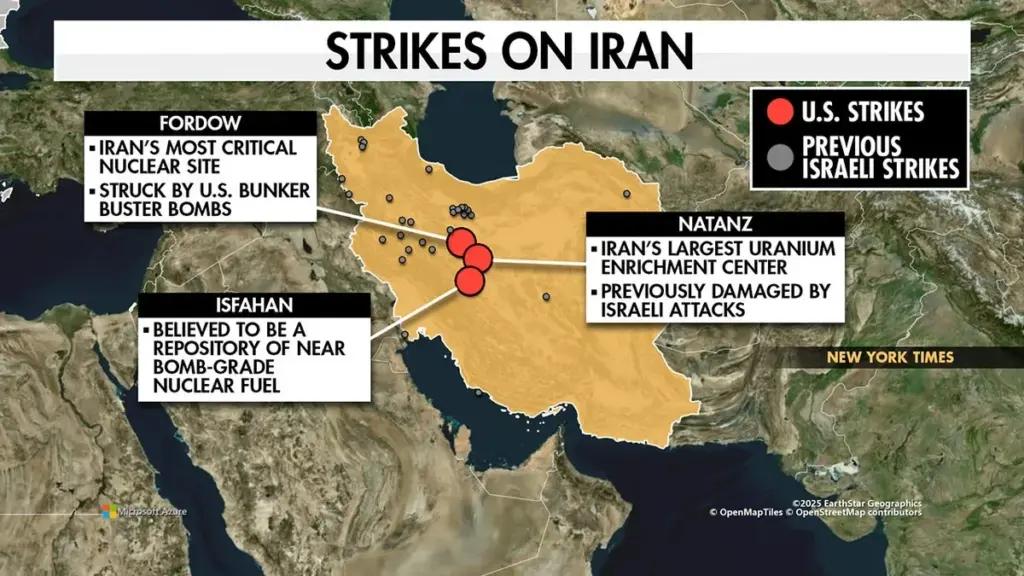
The Iranian nuclear program remains a pivotal concern in the context of any US military intervention. As tensions escalate, the potential for Iran to accelerate its nuclear ambitions could represent a significant threat not just to US interests but to international security at large. Developments in Iran’s uranium enrichment capabilities and missile technology could further complicate the US military calculus, necessitating a continuous evaluation of both military and diplomatic options.
Moreover, the ramifications of military strikes on Iran will invariably involve nuclear implications, as Iran may view such actions as justification to abandon any previous commitments to limit its nuclear ambitions. This scenario creates a precarious balancing act, where intervention could lead to a more nuclear-armed Iran, elevating fears of a nuclear arms race in the Middle East.
As the US navigates this complex landscape, a comprehensive understanding of Iran’s nuclear objectives is essential for assessing both the risks and potential outcomes of military action.
Strategic engagement focusing on diplomatic measures could provide a framework for addressing the nuclear challenge while attempting to stabilize relations with Iran.
The Consequences of Regime Change in Iran after US Strikes
The possibility of regime change following US strikes prompts critical discourse on the potential consequences for Iran and its populace. In an optimistic scenario, targeted military action could lead to the weakening or even the collapse of the Iranian regime, opening pathways for a new government aligned with Western interests. However, historical examples from Iraq and Libya illustrate that such transitions can usher in prolonged instability and chaos, raising questions about the viability of Western-promoted democratization efforts.
Moreover, the aftermath of a regime shift can reflect deeper societal schisms within Iran. A transition from an authoritarian regime does not guarantee a quick return to stability; rather, it risks provoking factional violence and civil strife as various groups vie for power in the void left by a collapsing regime. The potential for a humanitarian crisis is a real and pressing concern that underscores the need for nuanced post-strike planning that prioritizes the welfare of Iranian civilians.
In the broader geopolitical landscape, such upheaval could impact neighboring countries, driven by refugee flows and security threats, further complicating already delicate regional alliances.
Hence, the implications of regime change extend beyond Iran’s borders, posing strategic challenges that the US must navigate carefully in any plans for military intervention.
Humanitarian Impacts of a US-Iran Military Conflict
The humanitarian considerations arising from US military conflict with Iran must be prioritized in any strategic assessments. Conflict not only results in immediate casualties but also exacerbates existing humanitarian crises, posing risks of widespread displacement and human suffering. The prospect of military intervention brings forth the potential for civilian casualties, raising ethical concerns about the justification of such actions and their long-term repercussions on the Iranian population.
In addition, the potential fallout of US strikes can push already fragile healthcare systems to the brink of collapse, limiting access to essential services for millions of Iranians. The global community must grapple with the moral implications of military actions that could result in humanitarian disasters, advocating for policies that fully consider the impact on civilian lives and liberties.
Engaging humanitarian organizations and regional partners is essential in order to mitigate the potential fallout and address the needs of displaced populations.
Ultimately, the focus on humanitarian outcomes must align with any military strategy, emphasizing the necessity of pursuing avenues that uphold human rights and dignity even amidst the context of conflict.
Geopolitical Consequences of US Military Action Against Iran
The geopolitical landscape in the Middle East may be irrevocably altered following any US military action against Iran. Such strikes could embolden Iran’s allies in the region while creating fractures in traditional alliances. Countries like Russia and China may find opportunities to expand their influence as regional actors reassess their positions in response to US intervention, leading to a reconfiguration of strategic partnerships.
Additionally, the potential for increased anti-American sentiment across the Middle East could spark a resurgence of extremist groups. Owing to the complex historical context of US involvement in the region, any military strikes may serve to galvanize opposition against American presence, resulting in proliferating anti-Western sentiments.
Furthermore, the regional balance of power would position nations to reconsider their national security strategies, potentially catalyzing an arms race or increasing military expenditures among Gulf states wary of Iranian responses.
These implications highlight the urgent need for diplomatic engagement to navigate the complex reactions that may ensue following US strikes.
Evaluating International Perspectives on US Actions Against Iran
International perspectives on potential US military action against Iran vary greatly, influenced by national interests, historical grievances, and security considerations. Nations concerned about the repercussions of destabilizing Iran often advocate for diplomatic solutions over military intervention, emphasizing the importance of engaging Tehran through meaningful dialogue.
The response from European allies, specifically, emphasizes caution and critical examination of military options that could exacerbate existing tensions. Countries invested in maintaining relative stability in the Middle East may voice strong opposition to direct military action, viewing it as a significant risk to regional security and political efficacy.
Conversely, nations with strategic interests in countering Iran, including certain Middle Eastern states, may lean towards supporting US intervention, perceiving it as an opportunity to curb Iranian influence and aspirations.
The diverging international perspectives necessitate that the US carefully considers not only its strategy but also its global alliances when contemplating military action against Iran, ensuring a multi-faceted approach that accommodates varied viewpoints.
Frequently Asked Questions
What are the potential outcomes if the US strikes Iran?
If the US strikes Iran, the outcomes could range from a transition to democracy following limited, targeted strikes to the regime collapsing and possibly being replaced by military rule or chaos. Each scenario presents unique implications for the region, particularly regarding the Iran military conflict and Middle East tensions.
How might Iran retaliate against US military intervention?
Iran has vowed to retaliate against any US military intervention, potentially by attacking US forces and allies in the region, or utilizing its ballistic missile arsenal. Such actions would significantly heighten tensions in the Middle East and could impact global oil supplies.
What could be the consequences of US strikes on Iran’s nuclear program?
US strikes targeting Iran’s nuclear program could lead to a variety of scenarios, including a temporary halt on Iran’s nuclear ambitions or provocation of Iran into further aggression. This outcome would directly affect international relations and ongoing discussions about Iran’s nuclear capabilities.
What risks does the US face if it strikes Iran?
If the US strikes Iran, it risks igniting a broader military conflict, facing retaliation through drone attacks, or even seeing a US warship potentially sunk. These risks not only amplify military challenges but could destabilize the entire Middle East.
Could a US strike on Iran lead to greater chaos in the region?
Yes, a strike could create a power vacuum, leading to chaos potentially reminiscent of the Syrian civil war. Such instability would exacerbate ethnic tensions in Iran and pose humanitarian risks, drawing in neighboring countries already apprehensive about the fallout.
What is the ‘Venezuelan model’ in the context of US strikes on Iran?
The ‘Venezuelan model’ describes a possible outcome where the Iranian regime survives a US strike but moderates its policies, reducing support for terrorism and nuclear ambitions. However, this scenario is viewed as unlikely given the regime’s history of defiance.
How might regional allies react if the US strikes Iran?
Regional allies, particularly in the Gulf, are likely to feel heightened anxiety and vulnerability following a US strike on Iran. Nations like Saudi Arabia and Bahrain could brace for Iranian retaliation, impacting their own security and economic interests.
What is the potential impact of Iranian mines if the US strikes?
Iran has the capability to lay mines in the Gulf in retaliation to US strikes, which poses a significant threat to global shipping and oil supply routes, particularly through the Strait of Hormuz. Such actions could drastically affect global oil prices.
What would be the global response to a significant escalation of US-Iran military tensions?
A significant escalation in US-Iran military tensions could provoke a mixed global response, involving diplomatic appeals for de-escalation and potential economic sanctions against Iran, while also increasing military readiness among US allies in the region.
| Scenario | Description |
|---|---|
| 1. Targeted, surgical strikes, minimal civilian casualties, a transition to democracy | US conducts limited strikes, leading to regime change and a hopeful transition to democracy. However, historical precedents suggest chaos may follow. |
| 2. Regime survives but moderates its policies | The regime remains in power but may reduce its aggressive policies and nuclear ambitions in response to US pressure. |
| 3. Regime collapses, replaced by military rule | The Islamic Republic could fall, leading to a military-dominated government as the existing regime struggles to maintain control amidst protests. |
| 4. Iran retaliates by attacking US forces and neighbors | Iran may respond with missile attacks against US interests and allies in the region. |
| 5. Iran retaliates by laying mines in the Gulf | Iran could lay mines in the Strait of Hormuz, threatening global oil supplies and shipping routes. |
| 6. Iran retaliates, sinking a US warship | A ‘swarm attack’ by Iran could potentially sink a US warship, leading to significant loss and humiliation for the US. |
| 7. Regime collapses, replaced by chaos | The aftermath may lead to widespread chaos and possibly civil war, resulting in further suffering beyond Iran. |
Summary
The potential for US strikes on Iran carries multiple scenarios that could reshape the geopolitical landscape. If the US strikes Iran, we may see a range of outcomes from targeted military action resulting in a transition to democracy, to severe retaliatory attacks that could destabilize the region further. Each scenario presents distinct risks and consequences, making it imperative for policymakers to consider the broad implications of military intervention. Thus, careful planning and diplomatic efforts should accompany any military decision.