
Listen to this article
The housing development controversy surrounding the Blackheath housing plan has sparked significant debate within the local community. Proposed by Acorn Property Group, the project aims to construct 45 new homes, including a mix of flats and townhouses, but has faced intense criticism from celebrities and residents alike. Notable figures such as Jude Law and Dominic Cooper have voiced concerns over the design, arguing that it could undermine the unique character of the area. With over 1,200 objections lodged, including numerous from local businesses and schools, Lewisham Council is under pressure to reconsider the development. As public figures rally against the plans, the impact of celebrity objections housing resonates, highlighting the complexities surrounding urban development and community needs.
The ongoing debate surrounding the proposed construction project in Blackheath has led to a heated housing development uproar among residents and advocates alike. With a plan to erect several new residential units, community leaders and well-known personalities have raised alarms about the potential negative effects on the neighborhood’s aesthetic and social fabric. Opposition has surfaced not only from local inhabitants but also from influential figures in the entertainment industry, emphasizing the widespread concern about the project’s implications. Additionally, as the Lewisham Council evaluates the feedback from its constituents, the discussions have underscored the importance of responsible planning in urban environments. This controversy serves as a case study of how development initiatives must balance economic objectives with the needs and sentiments of the local populace.
The Blackheath Housing Plan: Public Outcry and Celebrity Opposition
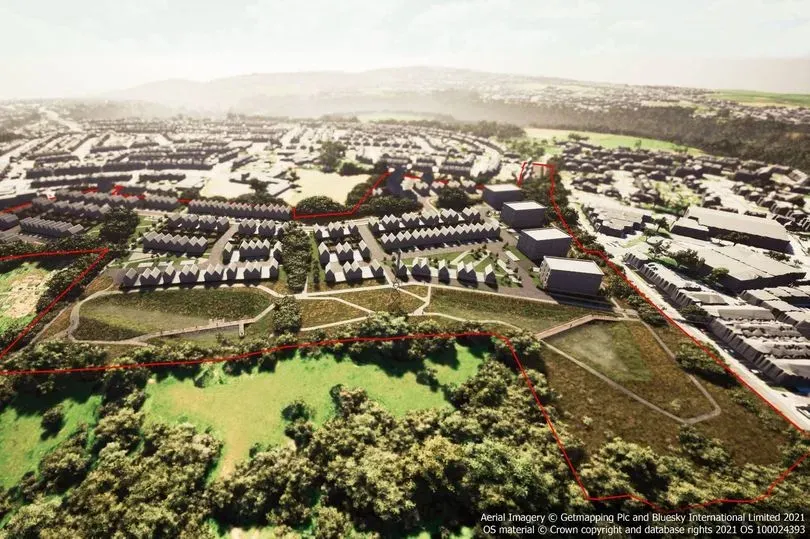
The Blackheath housing plan proposed by Acorn Property Group has become a focal point of local discontent and celebrity involvement. Notable public figures such as Jude Law and Dominic Cooper have voiced strong objections to the development, leading to a significant delay in decision-making by Lewisham Council. Campaigners argue that the planned construction of 25 flats and 20 townhouses would radically alter the aesthetic and cultural value of the Blackheath area, which has long been celebrated for its unique character. This backlash raises crucial questions about the role of community input in housing development, emphasizing that local voices deserve to have a substantial impact on such large scale projects.
Across social media and public forums, residents and supporters have rallied, echoing the sentiment articulated by Cooper that the local community is not against development per se, but rather advocates for responsible growth that aligns with their needs. The overwhelming public support for amendments to the project underscores a growing trend of communities demanding sustainable and thoughtful development options that prioritize social and affordable housing.
The controversy surrounding the housing development has drawn attention not only from local community members but also from a variety of public figures who are concerned about maintaining Blackheath’s charm. Many argue that the proposed changes risk inundating the area with excessive building that lacks coherence with the existing landscape. With over 1,200 objections submitted to the council, the mobilization of public opinion against the housing scheme illustrates a critical perspective on how development can often be perceived as prioritizing profits over the needs of the community.
Moreover, voices from the local community are echoing a clear message – they seek a development that reflects their values and facilitates affordable housing options for families. The notable disparity between the developer’s claim of substantial public benefits and the reality sensed by community members only escalates tension surrounding the proposal.
The Role of Lewisham Council in Housing Development Decisions
Lewisham Council’s involvement in the housing development process underscores the importance of local governance in mediating between developers and community interests. The council’s decision to postpone the judgment on the Blackheath housing plan reflects the escalating pressure they are facing from residents and stakeholders who are unhappy with the proposed scaling and design of the buildings. Calls for more detailed assessments regarding the potential impacts on local businesses and public spaces have highlighted the complications of urban planning in densely populated areas, marking the council’s responsibility to address these concerns diligently.
Interestingly, council member James Rathbone emphasized the unique level of public interest this case has sparked compared to other planning applications in recent years. This heightened attention may signify a shift towards greater accountability and responsiveness in local governance, where community feedback is increasingly seen as a crucial component in development decision-making processes. The council is now challenged to balance the necessity for housing with the preservation of Blackheath’s unique community character.
In recent discussions, Lewisham Council has expressed a commitment to reviewing the development proposal thoroughly, as evidenced by their requirement for more information prior to reaching a decision. Their approach suggests an awareness of the potential backlash regarding housing projects that do not consider local implications. The anticipation of the February meeting serves as both an opportunity and a challenge for the council to mediate between the aspirations of Acorn Property Group and the strong, sometimes opposing, sentiments of the local populace.
The responsiveness of Lewisham Council can pave the way for a new standard in housing developments, where community engagement plays a critical role. Meeting the demands for fair and reasonable housing solutions may become a cornerstone of the council’s strategy, ensuring that future project proposals can more adequately reflect the needs and wants of local residents.
Celebrity Influence on Housing Development: A Double-Edged Sword?
The involvement of celebrities in housing development controversies, such as that seen in Blackheath, sheds light on both the positive and negative implications of public figure advocacy in local matters. Celebrities like Jude Law and Miranda Hart have drawn significant media attention to the housing plan’s drawbacks, prompting many in the public to reconsider their stance on the project. With visibility that can mobilize public opinion, their advocacy could serve as a valuable catalyst for community engagement and action, emphasizing the need for thoughtful development that genuinely benefits residents.
While celebrity opposition can attract more awareness and scrutiny to housing developments, it raises questions about whose voices are amplified in public discourse. Do the existing concerns of local residents become drowned out in the celebrity spotlight? As seen in this instance, there exists a delicate balance between harnessing celebrity influence to bring attention to community grievances while ensuring that the everyday voices of local constituents remain front and center in planning discussions.
Community Opposition to the Acorn Property Group Development
The Acorn Property Group’s plans to build new homes in Blackheath have faced substantial backlash from residents, who argue that the development lacks community consideration. With significant public figures voicing concerns alongside the local populace, it’s evident that community values are at the forefront of opposition against this housing development. The objections encompass a variety of concerns ranging from the architectural design to the potential impact on local services, including parking and light access. Findings suggest that residents are particularly concerned about maintaining the character and quality of Blackheath, reinforcing the idea that development should enhance, rather than compromise, the established norms of the neighborhood.
Furthermore, community members are advocating for a more inclusive approach to housing development that prioritizes social and affordable housing. This sentiment is echoed through various objection letters submitted to the council and reflects a shifting perspective toward sustainable development practices that serve the local population. The intensity of public opposition serves to highlight an emerging need for developers to engage meaningfully with communities to foster genuine collaboration that respects local interests and addresses housing needs.
Exploring Local Economic Concerns Amid Housing Developments
The housing plan at Blackheath raises crucial questions regarding its economic impact on the local landscape. Residents have expressed fears that extensive development could jeopardize local businesses, particularly those that rely on essential services to maintain community engagement, such as the Blackheath Farmer’s Market. Stakeholders have articulated concerns about potential disruptions to commercial activities and access routes, indicating that any development must consider the implications for existing local economies. The numerous letters of objection from businesses indicate a palpable tension between new development and the protection of local commercial interests which are fundamental to community identity.
Moreover, these economic concerns extend to the broader implications of housing developments in populated areas. The pressures of new housing projects can inadvertently lead to a displacement of established businesses, diminishing the local economic ecosystem. Therefore, it is vital for the council and developers like Acorn Property Group to consider these aspects seriously, ensuring that any housing initiatives contribute positively to the local economy rather than detract from it.
The Future of Housing Development in Urban Areas
As urban areas like Blackheath grapple with housing shortages, the current controversy surrounding the Acorn Property Group project highlights the pressing need for sustainable development approaches. The community’s opposition is not merely against any development but calls for a vision of growth that retains the unique character of neighborhoods. This situation underscores the importance of incorporating local perspectives in housing strategies to create a blended model of development that acknowledges and integrates the needs and aspirations of residents.
Looking ahead, housing development must evolve to find common ground between the demands for affordable housing and the preservation of community identity. With the growing trend toward community participation in urban planning, the resolution of issues raised during the Blackheath proposals may set a precedent for how future developments are managed across London and beyond. Engaging local stakeholders in meaningful dialogue will be essential to achieve balance between innovation and conservation in urban housing projects.
Frequently Asked Questions
What are the main concerns regarding the Blackheath housing plan proposed by Acorn Property Group?
The Blackheath housing plan has faced significant opposition from local community members and celebrities due to concerns over its design and impact on the neighborhood. Prominent critics, including Jude Law and Dominic Cooper, argue that the proposed 45 homes, consisting of two blocks of flats and townhouses, possess an ‘overbearing, unsympathetic design’ that could jeopardize the area’s unique character. Additionally, the loss of light, increased traffic congestion, and potential impact on local businesses and the Blackheath Farmer’s Market have been emphasized as critical issues.
How has Lewisham Council responded to the controversy surrounding the Acorn Property Group development?
In light of the considerable backlash against the housing development, Lewisham Council has postponed its decision on the Acorn Property Group’s proposal. The council has requested more information regarding key factors such as parking arrangements, emergency access, and the effect on local businesses and the community. This decision reflects their acknowledgment of the high level of public interest, with over 1,200 objections submitted, alongside calls for further consideration of local opinions.
What role have celebrities, like Jude Law and Dominic Cooper, played in the housing development controversy in Blackheath?
Celebrities such as Jude Law and Dominic Cooper have become vocal opponents of the Blackheath housing plan, using their influence to raise awareness about the local community opposition to the Acorn Property Group development. They have expressed concerns over the project’s design and its potential negative effects on the neighborhood’s character. Their involvement has amplified public scrutiny and generated greater media attention, highlighting the importance of community-led development that prioritizes local needs.
What benefits do supporters of the Acorn Property Group’s housing plan claim it would bring?
Supporters of the Acorn Property Group development assert that the housing plan will provide substantial public benefits, including the construction of 45 new homes, of which 21% would be wholly social rented. They argue that this development could provide much-needed family homes, enhance pedestrian routes, and secure the future of the Blackheath Farmer’s Market. Proponents believe these advantages outweigh the concerns raised by the local community.
What specific objections have local businesses made regarding the Lewisham Council housing proposal?
Local businesses have expressed various concerns about the Lewisham Council housing proposal, particularly regarding the potential loss of light, reduced parking spaces, and the overall scale of the development. There are also fears about how the project may impact the Blackheath Farmer’s Market, an essential part of the community’s culture and economy, leading to over 181 objection letters from business owners voicing their opposition.
When is the next council meeting to discuss the Blackheath housing plan controversy?
The next council meeting scheduled to discuss the Blackheath housing plan controversy, including the proposal by Acorn Property Group, is set for February 12. This meeting will continue to address the significant public interest generated by the application and evaluate the various concerns and recommendations related to the housing development.
| Key Point | Details |
|---|---|
| Housing Plan Delayed | Decision on 45 new homes postponed due to public opposition and criticism from celebrities. |
| Celebrity Opposition | High-profile campaigners include Jude Law and Dominic Cooper, who criticize the project’s design and impact on the neighborhood. |
| Developers’ Proposal | Developers propose to build 25 flats in two blocks and a terrace of 20 townhouses at Blackheath station car park. |
| Community Concerns | Over 1,200 objections received, highlighting issues such as loss of light, scale of development, and local business impact. |
| Public Figures’ Comments | Campaigners argue for development that prioritizes community needs over developer profits. |
| Future Steps | Lewisham Council awaits more information before proceeding with the plans, with the next meeting scheduled for February 12. |
Summary
The housing development controversy surrounding the proposed new homes in Blackheath has generated significant public backlash, largely fueled by criticism from celebrities and local residents alike. The planned construction, which includes a combination of flats and townhouses, is seen as detrimental to the unique character of the area. Key stakeholders, including prominent figures like Jude Law and Dominic Cooper, have raised concerns over the design and community impact, arguing for a more inclusive approach to development. As objections continue to mount, the Lewisham Council’s decision to delay its verdict emphasizes the need for further consultation and consideration of community feedback, which is essential in addressing the housing development controversy.