Listen to this article
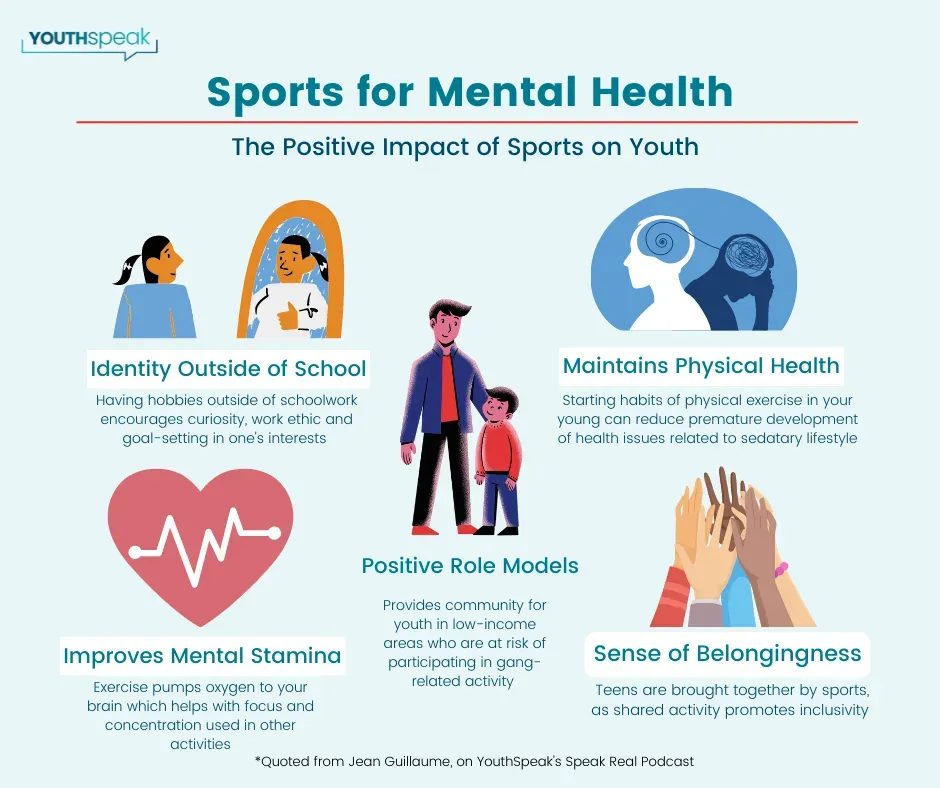
The impact of sports on mental health is profound and multifaceted, encompassing a wide range of benefits that contribute to overall well-being. Engaging in physical activities not only fosters improvements in mood but also plays a vital role in reducing feelings of anxiety and depression. Numerous studies have demonstrated the mental health benefits of sports, emphasizing the importance of physical activity as an essential pillar of a healthy lifestyle. Through participation in team sports or individual athletic endeavors, individuals can experience heightened self-esteem, stronger social connections, and enhanced emotional resilience. In this blog post, we will explore how incorporating sports into our lives can serve as an effective tool for mental health improvement and overall vitality.
Exploring the relationship between athletic engagement and emotional wellness reveals intriguing insights into how physical activity fosters psychological benefits. The role of exercise in boosting mental well-being cannot be understated, as it helps alleviate stress and anxiety while promoting a sense of community through team dynamics. The significance of active participation in physical pursuits underscores the essence of sports therapy in shaping healthier mental states. Furthermore, involvement in sports cultivates essential life skills such as teamwork and discipline, essential components in navigating life’s challenges. Ultimately, understanding the link between sports and emotional stability highlights the importance of prioritizing physical activity for holistic health.
Understanding the Mental Health Benefits of Sports
The mental health benefits of sports extend far beyond just physical fitness. Regular engagement in sports activities can lead to significant improvements in emotional well-being. Research indicates that individuals who participate in sports experience a reduction in stress levels and anxiety, which can elevate their mood and promote a more positive outlook on life. This phenomenon is often linked to the release of endorphins during physical activities, known as ‘feel-good hormones’, that have a direct biochemical effect on the brain.
Furthermore, the camaraderie and social interactions found in sports settings further enhance mental health benefits. This social dimension can provide individuals with vital support systems, reducing feelings of isolation and promoting a sense of community. For many people, joining a sports team or engaging in group activities not only helps boost their mental clarity but also facilitates friendships that enrich their lives.
The Role of Team Sports in Enhancing Emotional Well-Being
Team sports play a critical role in enhancing emotional well-being by fostering a sense of belonging and community among participants. Engaging in activities like soccer or basketball allows individuals to connect with their teammates, promoting social skills that are essential for building relationships. These sports require communication, collaboration, and trust, all of which can enhance an individual’s ability to interact socially and manage feelings of loneliness.
Moreover, participating in team sports encourages positive competition which can strengthen individual resilience. Players learn to handle wins and losses gracefully, cultivating a healthy mindset towards challenges both on and off the field. This growth in emotional intelligence can translate to improved coping mechanisms when facing life’s various challenges, ultimately reinforcing their mental health.
Exploring Sports Therapy and Its Mental Health Advantages
Sports therapy is an emerging field that combines physical activity with psychological support strategies for mental health improvement. Through specialized programs, individuals can experience tailored exercises designed to address specific mental health issues, such as anxiety or depression. These structured approaches not only enhance physical fitness but also equip individuals with techniques to manage stress and improve anxiety levels.
Incorporating elements of sports therapy into a routine can lead to substantial improvements in strength and resilience. Participants learn to identify and process emotions tied to their physical exertion, aiding in emotional regulation and mental clarity. Ultimately, sports therapy can be a transformative approach for individuals seeking both physical and psychological enhancements in their lives.
The Biological Effects of Physical Activity on Mental Health
Physical activity, particularly in sports, has profound biological effects on mental health. When individuals engage in sports, their body releases a cocktail of neurotransmitters, such as serotonin and dopamine, which are known to elevate mood and create feelings of happiness. These biological changes help not only in reducing symptoms of mental disorders but also in enhancing overall cognitive function.
Additionally, sustained physical activity can impact the hormonal balance within the body, leading to long-term benefits for mental health. With consistent participation in sports, individuals can cultivate a healthier foundation for managing their mental health, making it more manageable over time, and contributing to greater overall well-being.
Building Resilience through Competitive Sports
Engaging in competitive sports is a unique avenue for building personal resilience. Athletes often face high-pressure situations, and learning to perform under stress can translate into improved mental fortitude in everyday life. The challenges presented in competitive environments equip individuals with the necessary skills to overcome obstacles, fostering a ‘growth mindset’ as they navigate various experiences.
Moreover, competitive sports often require consistent goal-setting and self-discipline, essential traits for developing resilience. Individuals learn how to deal with setbacks, whether it’s a loss in a game or an injury, reinforcing their ability to bounce back from adversity. The mastery of these coping strategies can significantly contribute to heightened emotional endurance, proving vital in various life situations.
Physical Activity as a Strategy for Stress Relief
Physical activity, including participation in sports, serves as an effective strategy for alleviating stress. Engaging in any form of sport provides a constructive outlet for built-up frustration and anxiety. Activities like running, swimming, or playing team sports encourage individuals to release pent-up emotions, leading to enhanced relaxation and increased feelings of well-being.
Additionally, the focus required during sports can distract individuals from daily stressors. As they immerse themselves in the activity, they may find a sense of mental clarity and rejuvenation afterward. This healthy distraction can prove fundamental in developing effective strategies for managing anxiety and maintaining a balanced mental state.
The Impact of Routine and Discipline on Mental Health
Incorporating sports into daily routines brings about a sense of structure that can significantly benefit mental health. Establishing a consistent schedule for physical activity instills discipline, helping individuals manage their time more effectively while balancing other responsibilities. This predictable framework can lower feelings of chaos and unpredictability, contributing to improved mental stability.
By committing to regular sports participation, individuals experience the rewards of discipline, including enhanced self-esteem and a clearer mental focus. The skills cultivated through maintaining this routine can translate into other areas of life, fostering a greater sense of control and organization that ultimately supports overall mental health.
The Therapeutic Nature of Individual Sports
Individual sports, such as running or cycling, offer unique therapeutic benefits for mental health. These activities often provide a solitary environment for personal reflection, allowing individuals to engage in introspection and mindfulness. This quiet time can help alleviate stress and anxiety, ultimately leading to improved mental clarity and emotional stability.
Additionally, participating in individual sports emphasizes personal goal-setting and self-driven motivation, which can enhance self-worth. As individuals achieve their personal fitness milestones, they often experience boosts in confidence and a deeper understanding of their capabilities, contributing positively to their overall mental health.
Breaking Down Barriers to Sports Participation
Despite the well-documented benefits of sports on mental health, many individuals encounter barriers that prevent them from engaging in physical activities. Factors such as time constraints, access to facilities, and intimidation in competitive environments can hinder participation. Addressing these barriers is crucial for making sports accessible to everyone, ensuring that the mental health benefits become available to all.
Creating supportive community programs and encouraging inclusive sports initiatives can help lower these barriers. With increased accessibility and support systems, more individuals can embrace physical activity and experience the corresponding mental health benefits that come from engaging in sports.
Frequently Asked Questions
What are the mental health benefits of sports?
Engaging in sports can greatly enhance mental health by reducing anxiety, depression, and stress levels. The physical activity involved releases endorphins, promoting a positive mood and overall well-being.
How does sports therapy contribute to mental health?
Sports therapy combines physical activity with psychological support to help individuals cope with mental health challenges. This approach uses the benefits of physical exercise to enhance mood, alleviate stress, and improve overall mental health.
What is the importance of physical activity for mental well-being?
Physical activity is crucial for mental well-being as it fosters neurochemical changes in the brain that promote happiness. Regular sports participation can lead to enhanced self-esteem, reduced stress, and a sense of fulfillment.
How do team sports improve mental health?
Team sports encourage social interaction, providing a support system that can combat feelings of isolation. The camaraderie built in team sports fosters emotional connections, which are vital for mental health.
Can competitive sports have a positive impact on mental health?
Yes, competitive sports can enhance mental health by teaching valuable resilience and coping skills. Engaging in competitive activities can boost self-esteem and reinforce a sense of accomplishment.
What role does routine play in the impact of sports on mental health?
Establishing a routine through regular sports participation can create a structured lifestyle, lowering feelings of chaos, and promoting mental clarity and stability.
How can physical activity reduce symptoms of anxiety and depression?
Participation in sports decreases symptoms of anxiety and depression by boosting endorphin levels and providing a healthy outlet for pent-up energy and stress.
Why is social connection important for sports and mental health?
Social connections formed through sports can enhance an individual’s emotional resilience and support system, which are critical for maintaining good mental health.
What types of sports are best for mental health improvement?
Activities like running, yoga, team sports, martial arts, and swimming are particularly beneficial for mental health as they combine physical activity with stress relief and emotional support.
What barriers exist to participating in sports for mental health benefits?
Barriers such as time constraints, lack of facilities, and intimidation often deter individuals from participating in sports, limiting their access to mental health benefits.
| Key Point | Explanation |
|---|---|
| Impact of Sports on Mental Health | Sports can enhance mental well-being by reducing anxiety, depression, and stress through physical activity and the release of endorphins. |
| Biological Influence | Engagement in sports releases endorphins, improving mood and emotional regulation. |
| Social Connections | Team sports foster a sense of community and reduce feelings of isolation by encouraging social interaction. |
| Self-Esteem and Confidence | Achieving athletic goals boosts self-esteem and fosters resilience, which are vital for mental health. |
| Stress Relief | Physical activity provides an outlet for pent-up frustration and anxiety, promoting mental clarity. |
| Routine and Discipline | Participating in sports creates a structured routine that can enhance mental stability. |
| Benefits of Competitive Sports | Competitive sports impart life skills like teamwork and perseverance, aiding in coping with real-life challenges. |
| Common Sports Benefits | Different sports like running, yoga, and team sports cater to various mental health needs and preferences. |
| Barriers to Participation | Barriers such as time constraints and lack of facilities need to be addressed to enhance participation in sports. |
| Incorporation Strategies | Setting realistic goals and finding a community can encourage more individuals to engage in sports. |
Summary
The impact of sports on mental health is profound and multifaceted. Engaging in sports provides a powerful avenue for improving mental well-being, as it not only enhances physical fitness but also fosters emotional resilience. Through sports, individuals experience biological benefits from endorphin release, form social connections, boost their self-esteem, relieve stress, and develop a sense of routine. Moreover, competitive sports equip participants with essential life skills. To reap these benefits, it is crucial to address participation barriers, embrace community involvement, and prioritize personal enjoyment. In conclusion, a commitment to an active sports lifestyle can lead to significant enhancements in mental health, encouraging everyone to incorporate sports into their daily routine.