
Listen to this article
The recent recovery of stolen tools marks a significant milestone in the fight against theft in the UK construction sector. In a groundbreaking operation conducted by the Metropolitan Police, what is believed to be the largest recovery of stolen tools has been unearthed, showcasing a staggering £2 million haul in east London. Following a report from a construction company detailing the theft of high-value equipment from a site in Tilbury, police were able to track the stolen tools to an address in Ilford. This recovery not only highlights the resilience of law enforcement in tackling organized crime involving stolen equipment but also emphasizes the urgent need for tradespeople to safeguard their tools from theft. The swift actions of the police serve as a reminder that, despite ongoing challenges, stolen tools recovery efforts are paving the way for justice and the restoration of livelihoods for affected tradespeople.
In recent times, the issue of tool theft has been a pressing concern for workers in various trades, prompting a need for effective recovery methods. When incidents occur, the ability to retrieve lost or stolen equipment is critical in maintaining the operational flow for many professionals. With significant recoveries of stolen equipment making headlines, it becomes evident that both local law enforcement and community vigilance play pivotal roles in combating such crimes. The term “equipment recovery” reflects a broader initiative encompassing coordinated strategies to tackle organized crime that exploits tradespeople. By enhancing recovery efforts, the community can better secure the livelihoods of those affected by theft, thereby fostering a safer environment for all.
The Largest Recovery of Stolen Tools in the UK
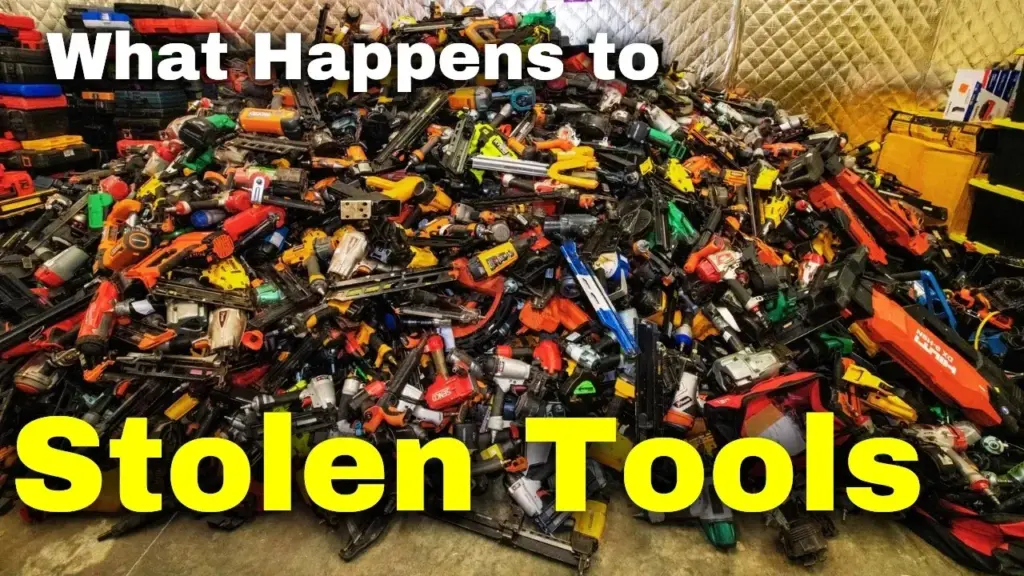
The recent recovery of what is believed to be the largest stash of stolen tools in the UK is a significant milestone for law enforcement. The Metropolitan Police announced the impressive discovery of a £2 million haul in East London, following a tip-off about stolen high-value equipment from a construction site in Tilbury, Essex. This recovery not only highlights the scale of the issue at hand but also serves as a stark reminder of the organized crime surrounding tool theft that affects tradespeople across the region.
Officers utilized advanced tracking technology attached to the stolen equipment, successfully tracing it back to a residence in Ilford. Upon investigation, the police unearthed a treasure trove of other stolen tools and machinery, amounting to ten lorry loads. This operation stands out as a testament to the relentless efforts of the police to combat organized crime and protect the livelihoods of those in the construction industry.
Impact of Organized Crime on Tradespeople
The effects of organized crime on tradespeople extend beyond monetary loss; they also impact the mental well-being and job security of workers. With tool theft on the rise, many tradespeople find themselves out of work and facing financial difficulties, as they are forced to replace expensive equipment they rely on for their livelihood. The worry of theft looms large, particularly for those who have invested thousands into their tools.
As highlighted by Insp. Mark Connolly, operations like the recent recovery send a powerful message about the commitment of law enforcement to combat tool theft. By identifying and arresting those involved in organized crime, the police are taking crucial steps to safeguard tradespeople’s interests and create a safer work environment. However, tradespeople are also encouraged to take preventative measures, such as marking items and registering their tools, to mitigate the risk of theft.
Steps to Recover Stolen Tools and Prevent Future Thefts
The recovery of stolen tools requires a collaborative effort between law enforcement and tradespeople. Following the recent recovery in Ilford, the police have emphasized the importance of marking tools and registering them with manufacturers and property registers. This practice not only aids in the identification of stolen equipment but also helps to establish ownership and support theft prevention initiatives.
In addition to physical markings, using synthetic DNA technology can further enhance forensic links to stolen items. Tradespeople are strongly encouraged to stay vigilant and report any thefts promptly. When tools are registered and identifiable, law enforcement can expedite the recovery process, as seen in the recent investigation that resulted in the arrest of three suspects involved in the organized crime of tool theft.
The Role of Law Enforcement in Addressing Tool Theft
The Metropolitan Police’s efforts in recovering stolen tools underscore the critical role law enforcement plays in addressing crime against tradespeople. By conducting thorough investigations and leveraging technology, police have effectively tackled the rising epidemic of tool theft, which is often linked to larger organized crime syndicates. Their commitment to recovering stolen items signals to both criminals and victims that these crimes will not go unpunished.
Moreover, the police work diligently to raise awareness about the severity of the issue and how community involvement can aid in prevention. By educating tradespeople on their rights and offering guidance on how to protect their valuable equipment, law enforcement fosters a proactive approach to combating organized crime and ensuring that criminals cannot exploit the vulnerabilities of hardworking individuals.
Preventing Tradespeople Tool Theft: Best Practices
To mitigate the risk of tool theft, tradespeople are encouraged to adopt several best practices. Effective tool security begins with an inventory, including documenting serial numbers and marking tools with identifiable features. Utilizing chain-locks and secured storage when tools are not in use can deter thieves, while ensuring that work sites are well-lit and monitored can enhance overall security.
Another effective strategy involves leveraging technology, such as GPS tracking devices that can be installed on higher-value tools. The presence of tracking devices not only aids in the recovery process if theft occurs but also serves as a deterrent to criminals who are scanning for easy targets. By staying vigilant and adopting these safety protocols, tradespeople can significantly reduce instances of theft and protect their investment.
Community Awareness and Support for Victims of Tool Theft
Community support plays a vital role in addressing the theft of tools among tradespeople. Local groups and organizations can come together to foster a network of vigilance, encouraging members to report suspicious activities and share information about theft incidents. By building a supportive community, tradespeople can feel empowered and motivated to take collective action against organized crime.
Furthermore, programs that offer support to victims of tool theft can make a significant difference in their recovery journey. By providing resources, legal advice, and potential financial assistance, local organizations can help tradespeople rebuild their livelihoods after experiencing theft. Such support systems can mitigate the long-term impacts of tool theft on individuals and promote resilience within trades communities.
The Importance of Police Collaboration with Local Businesses
Collaboration between police and local businesses is essential in the fight against organized crime in the tool theft sector. By forming partnerships, police can gain insights into crime patterns, potential hotspots for tool theft, and the specific needs of tradespeople. Businesses can then work alongside law enforcement to implement effective prevention strategies tailored to their community’s unique challenges.
Additionally, businesses can serve as a platform for educating tradespeople on the importance of safeguarding their tools. By disseminating valuable information about tracking technology and theft prevention measures, collective efforts can help significantly reduce theft rates. This collaborative approach nurtures a safer environment for everyone involved and demonstrates a united front against the threat posed by organized crime.
Legal Consequences of Tool Theft in the UK
In the UK, individuals involved in tool theft face severe legal repercussions, particularly under laws governing organized crime. The justice system takes such offenses seriously, and recent arrests stemming from the Metropolitan Police’s recovery operation signal a firm stance against those who profit from the suffering of tradespeople. Convictions can lead to significant prison sentences and fines, reinforcing the message that these crimes will be met with strict punishment.
The legal framework aims to deter potential criminals while also ensuring justice for victims. By prosecuting organized crime networks, law enforcement not only removes dangerous perpetrators from the streets but also works to restore trust within the community. Understanding the legal ramifications of theft serves as a deterrent and can compel potential offenders to think twice before engaging in such harmful activities.
Advocating for Better Protective Policies for Tradespeople
Given the prevalence of tool theft, there is a growing call for better protective policies and support systems for tradespeople. Advocacy efforts emphasize the need for law enforcement to adopt targeted strategies and increased resources to tackle this issue effectively. Trade associations and community leaders can play an instrumental role in voicing the concerns of victims and pushing for legislative changes that prioritize the protection of tradespeople’s equipment.
Moreover, engaging with policymakers to develop tailored insurance options and support programs for those affected by tool theft is crucial. By establishing clear pathways for reporting theft and accessing support, tradespeople can be better equipped to defend themselves against the risks associated with organized crime. A united advocacy approach can ensure that the voices of hardworking individuals are heard and lead to lasting positive change.
Frequently Asked Questions
What is the largest recovery of stolen tools reported by police in the UK?
The largest recovery of stolen tools in the UK was recently reported by the Metropolitan Police, who uncovered a £2 million haul of various stolen equipment in east London. This remarkable find involved the recovery of ten lorry loads of tools and machinery linked to organized crime.
How do police recover stolen tools from organized crime groups?
Police recover stolen tools from organized crime groups by utilizing tracking devices on stolen equipment, conducting thorough investigations, and executing search warrants. In a recent case, tracking technology led the Met to a property in Ilford where multiple stolen tools were found, resulting in the arrests of several suspects.
What measures can tradespeople take to prevent tool theft and aid in stolen tools recovery?
Tradespeople can prevent tool theft by marking their tools with synthetic DNA, registering serial numbers with manufacturers, and listing items with the UK National Property Register. These measures enhance the chances of recovery if tools are stolen, as they provide key identification for law enforcement.
What should I do if my tools are stolen, related to stolen tools recovery?
If your tools are stolen, promptly report the theft to the police, including any serial numbers or identifying information. Additionally, notify your insurance provider and register the theft with the UK National Property Register to assist in the recovery of the stolen tools.
What impact does organized crime have on tradespeople and tool theft?
Organized crime significantly impacts tradespeople by perpetrating tool theft, which can put them out of work and financially strained. Recently, the Met reported on organized crime groups that specialize in reselling stolen tools online, emphasizing the importance of prevention and recovery measures to protect the livelihood of tradespeople.
How did the police manage to trace the stolen tools found in Ilford?
The police managed to trace the stolen tools found in Ilford by employing tracking devices fitted to stolen equipment. This technology guided them to a property where a large cache of stolen tools was discovered, leading to the apprehension of suspects involved in organized crime.
| Key Points | Details |
|---|---|
| Largest Recovery | £2 million worth of stolen tools recovered in east London. |
| Origin of Theft | Reported tools stolen from a construction site in Tilbury, Essex. |
| Tracking Devices | The stolen tools were recovered thanks to a tracking device. |
| Arrests Made | Two suspects arrested at the scene; a third arrested elsewhere. |
| Organized Crime | Suspects linked to a group reselling stolen tools online. |
| Number of Tools | Recovery included ten lorry loads of tools and machinery. |
| Identification Efforts | Police working to identify items and trace rightful owners. |
| Dates of Theft | Some items linked to thefts as far back as 2019. |
| Prevention Advice | Tradespeople urged to mark tools with synthetic DNA and register serial numbers. |
Summary
In the realm of stolen tools recovery, the recent uncovering of a massive £2 million stash by the Metropolitan Police highlights the serious issue of tool theft affecting tradespeople. The successful operation not only led to the arrest of multiple suspects but also demonstrated the effectiveness of tracking technology in recovering stolen property. By raising awareness and encouraging preventive measures among tradespeople, such as marking tools and registering serial numbers, more can be done to combat this ongoing challenge. It’s essential for the community to remain vigilant and support police efforts to ensure that stolen tools are returned to their rightful owners.