
Listen to this article
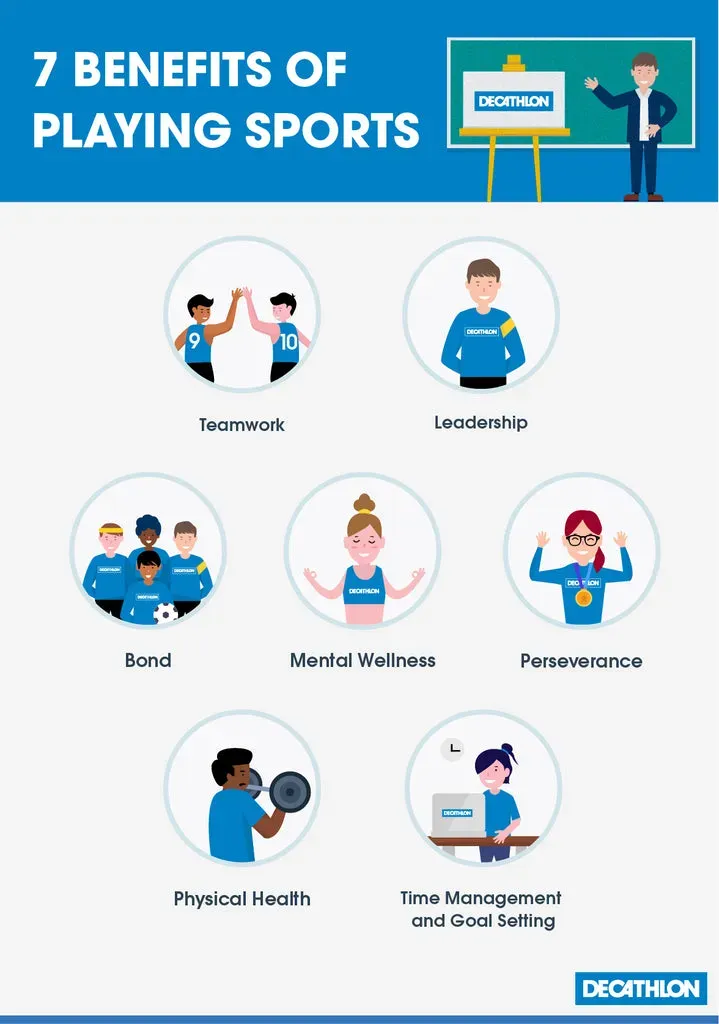
The health benefits of playing sports are immense, providing a comprehensive boost to both physical and mental well-being. Regular engagement in physical activities enhances cardiovascular health, strengthens muscles, and aids in effective weight management, making sports an essential part of a healthy lifestyle. Moreover, playing team sports fosters social interactions, creating a sense of community and emotional support among participants. The combination of exercise and teamwork not only improves fitness levels but also contributes positively to one’s mental health, reducing stress and anxiety. As we delve into the various advantages of active participation in sports, it becomes evident that these activities are key to nurturing overall wellness, showcasing the importance of integrating sports into daily routines.
Exploring the advantages of engaging in physical activities reveals a treasure trove of benefits that extend beyond mere recreation. From enhancing physical fitness to supporting mental clarity, the act of participating in sports encompasses a holistic approach to well-being. Particularly for youth, sports provide critical development opportunities, cultivating essential life skills such as teamwork and resilience. At the same time, adults and seniors alike can find joy in playing sports, promoting longevity and quality of life. By understanding the numerous positive impacts of athletic pursuits, it becomes clear that making time for exercise is vital for everyone involved.
The Comprehensive Health Benefits of Playing Sports
Engaging in sports offers a wealth of health benefits that extend beyond mere physical fitness. From improving cardiovascular health and muscular strength to enhancing mental well-being, sports represent a holistic approach to health. Moreover, sports provide an excellent means of managing weight as they promote calorie burning and encourage healthier eating habits. By incorporating regular physical activity into our routines, we can achieve significant improvements in our overall health and wellness.
Physical activity from sports influences various aspects of health, such as lowering the risk of chronic illnesses like heart disease and obesity. It also enhances our ability to manage stress, as physical exertion releases endorphins that improve mood and relieve anxiety. Coupled with the social benefits derived from teamwork and shared experiences, playing sports proves to be an effective vehicle for promoting a healthier lifestyle.
Frequently Asked Questions
What are the main health benefits of playing sports for physical health?
Playing sports offers numerous health benefits for physical health, including improved cardiovascular health, enhanced muscular strength and endurance, and effective weight management. Regular participation in sports helps lower blood pressure, improve cholesterol levels, and increase blood circulation, significantly reducing the risk of heart disease.
How does playing sports benefit mental health?
Engaging in sports greatly benefits mental health by reducing stress and anxiety levels through the release of endorphins. It also fosters social interaction, which combats loneliness, and boosts self-esteem as players achieve personal goals and develop team skills.
What types of sports are recommended for kids to enhance their physical health?
Sports for kids that enhance physical health include soccer, basketball, gymnastics, and swimming. These activities promote cardiovascular fitness, strength, coordination, and overall wellness in a fun and engaging manner, encouraging healthy habits from a young age.
How can sports help in weight management?
Participating in sports is an excellent way to manage weight as it promotes effective calorie burning. Beyond just exercise, playing sports encourages healthy eating habits to support performance, contributing to better weight management and overall fitness.
What role do team sports play in social wellness?
Team sports contribute to social wellness by fostering camaraderie and teamwork among participants. This social interaction is crucial for building friendships, enhancing community ties, and providing a sense of belonging, which are all vital to mental wellness.
Can playing sports improve cognitive function?
Yes, playing sports can significantly improve cognitive function, including concentration, memory, and decision-making skills. The strategic and quick-thinking requirements of many sports translate into enhanced performance in academic and professional settings.
What are the physical health benefits of improved flexibility through sports?
Improved flexibility gained from sports like gymnastics and martial arts enhances athletic performance, prevents injuries, and helps older adults maintain mobility. This flexibility is crucial for overall fitness and physical health.
How does regular participation in sports affect cardiovascular health?
Regular participation in sports leads to improved cardiovascular health by strengthening the heart, lowering blood pressure, and regulating cholesterol levels. Engaging in cardiovascular activities enhances blood circulation and reduces the risk of heart disease.
What are some suitable sports for older adults seeking to stay fit?
For older adults, suitable sports include walking, swimming, and tennis. These activities are generally low-impact and can help maintain physical fitness, prevent aging-related health issues, and enhance overall quality of life.
How can someone choose the right sport for their health benefits?
To choose the right sport, individuals should consider their interests, physical abilities, and health goals. Whether opting for team sports like basketball or individual activities like running, selecting an enjoyable sport ensures long-term commitment and maximizes health benefits.
| Key Points | Description |
|---|---|
| Improved Cardiovascular Health | Participation in sports reduces heart disease risks by lowering blood pressure and improving cholesterol levels. |
| Enhanced Muscular Strength and Endurance | Engaging in sports builds muscle strength and endurance, reducing osteoporosis risks. |
| Weight Management | Regular activity helps in burning calories and promotes healthy eating habits. |
| Improved Flexibility and Coordination | Many sports improve flexibility, balance, and coordination, benefiting overall athletic performance. |
| Reduced Stress and Anxiety | Sports release endorphins that help alleviate stress and anxiety. |
| Social Interaction | Team sports foster friendships and a sense of belonging, combating loneliness. |
| Boosted Self-Esteem | Achievement in sports enhances self-esteem and personal development. |
| Cognitive Function Improvement | Sports can enhance memory, concentration, and decision-making skills. |
Summary
The health benefits of playing sports are extensive, impacting both physical and mental well-being. Regular participation in various sports not only boosts cardiovascular health and strengthens muscles but also facilitates effective weight management. Notably, sports activities improve flexibility and coordination, essential for overall athletic performance. On a mental level, engaging in sports reduces stress and promotes social connections, essential for emotional health. Additionally, individuals of all ages can benefit from the skills developed through sports participation, making it a valuable component of a healthy lifestyle. Whether you’re young or old, the advantages of playing sports cannot be overstated; they pave the way for a healthier, happier life.

