
Listen to this article
The recent **Ulez camera explosion** in south-east London has raised alarming concerns regarding public safety and the lengths individuals will go to protest environmental mandates. Kevin Rees, a 63-year-old man, faces serious charges after using a **homemade explosive device** to destroy a newly installed Ulez camera in Sidcup, injuring vehicles and endangering lives within a 100-meter radius. Arrested by **counter-terrorism police**, Rees reportedly crafted the **improvised explosive device (IED)** using a metal cylinder packed with explosive powder, illustrating a shocking disregard for community safety amid rising tensions over the Ulez scheme. While he denied charges of causing an explosion with the potential to harm or damage property, the incident has sparked considerable discussion in **South East London news** outlets about the risks associated with such extreme vandalism. As the investigation unfolds, Rees’s conviction underscores the serious implications of homemade explosives in urban environments.
The appalling incident involving the destruction of an ultra-low emission zone surveillance camera highlights a disturbing trend of radical actions against governmental initiatives aimed at reducing pollution. In this case, a man in his sixties resorted to detonating an explosive device in a public area, raising severe safety concerns for residents and passersby alike. The attack, crafted using basic yet dangerous materials, exemplifies how frustrations towards environmental policies can escalate into violent confrontations. As authorities delve deeper into this situation, the potential implications for community safety and legislation surrounding the use of homemade explosives are coming to light. This event not only shocks the local population but also serves as a poignant reminder of the thin line between civil dissent and outright recklessness.
Kevin Rees’s Dangerous Act Against Ulez Camera
In December 2023, Kevin Rees, a 63-year-old man from Sidcup, was convicted of causing a significant explosion using homemade explosives targeted at an ultra-low emission zone (Ulez) camera. The event marked a severe breach of public safety, as it not only damaged the camera but also affected surrounding properties, including vehicles and a child’s bedroom situated as far as 100 meters away. The improvised explosive device (IED), described as low-sophistication yet dangerous, reflects the disturbing lengths one can go to express dissent against government regulations like the Ulez scheme.
Witnesses reported seeing Rees rapidly leave the scene after igniting the explosive, underscoring the calculated nature of his actions. He crafted a metal cylinder bomb filled with explosive powder, a type of homemade explosive device that law enforcement and counter-terrorism police have been increasingly vigilant about. This incident not only raised security concerns in South East London but also highlighted the criminal repercussions of choosing violence to express discontent with policies. The court’s response underscored society’s intolerance for such reckless behavior.
The Impact of the Ulez Camera Explosion on Local Safety
The explosion caused by Rees’s improvised device sent shockwaves through the local community in Sidcup. Fortunately, while the destruction was extensive, with property damage affecting multiple homes and vehicles, no injuries were reported. Detective Superintendent James Derham commented on the remarkable absence of physical harm, emphasizing that the incident could have had far graver consequences. The impact of such an explosion on community morale and safety cannot be underestimated; residents are now left to navigate a heightened sense of vulnerability.
Authorities have reiterated the importance of community safety in the wake of this event, with counter-terrorism police advocating for increased vigilance among residents. The presence of homemade explosives in residential areas raises significant alarm. Individuals are urged to report any suspicious behavior or items that could indicate a potential threat, allowing law enforcement to act before tragedy strikes. This incident serves as a reminder that public infrastructure and safety must be protected against misguided protests.
Legal Consequences of Using Homemade Explosives
Rees’s conviction highlights the serious legal ramifications of using homemade explosives, particularly in a populated area like Sidcup. He faced multiple charges related to possessing prohibited weapons and causing an explosion, which can lead to severe penalties. The law is clear: engaging in any act that endangers the public, such as deploying a homemade bomb, is treated with utmost seriousness. The judiciary seeks to deter similar incidents by imposing strict sentences that reflect the severity of the crime.
Bethan David, from the Crown Prosecution Service’s counter-terrorism division, emphasized that Rees’s actions constituted more than just vandalism—they represented a deep disregard for human life and public safety. Constructing and detonating a homemade explosive device to express political views crosses a critical line that the legal system aims to prevent. As discussions continue around safety and legislative regulations such as the Ulez scheme, the legal system plays a crucial role in maintaining order and protecting citizens.
Community Outcry in Response to the Ulez Scheme
The explosion sparked by Kevin Rees has ignited a broader community debate regarding the Ulez scheme and the measures taken to enforce it. Many residents are struggling with the potential consequences of such environmental policies, which aim to reduce pollution but may also lead to financial burdens and logistical difficulties for some drivers. This tension can create an atmosphere ripe for frustration that, as seen in Rees’s case, can escalate into dangerous actions.
While public policy often faces pushback, it is vital that disagreements remain within the bounds of the law. Peaceful protests and civic engagement are pivotal to democratic expression, whereas adopting violent methods fundamentally undermines those very principles. The local community must find ways to articulate their concerns constructively, keeping public safety as a top priority. Rees’s actions serve as a cautionary tale about the potential perils of radicalism and how it can divert focus from the genuine issues at hand.
The Role of Counter-Terrorism Police in Public Safety
Following the explosion, counter-terrorism police have stepped up their efforts in monitoring and responding to potential threats posed by homemade explosives and similar attacks. Their primary goal is to ensure community safety while dealing with individuals who may harbor intentions to harm or intimidate others through violent means. The incident involving Rees serves as a reminder of the types of risks law enforcement must constantly anticipate and counteract.
The vigilance of counter-terrorism units can be crucial in preventing disasters like the Ulez camera explosion. They not only investigate such incidents but also engage communities to foster awareness and encourage reporting of suspicious activities. Strengthening community ties also plays an important role in building resilience against extremist behaviors. The police’s partnership with local governments and residents can foster a safer environment where grievances can be addressed without violence.
Awareness and Prevention of Homemade Bomb Threats
Creating greater awareness about the dangers of homemade explosives is essential among community members. The use of illegal explosive devices poses not just a risk to the immediate area but also sends ripples of fear throughout the community. As illustrated by Kevin Rees’s actions, leading to the destruction of property without fatalities, it is imperative that these devices are recognized as threats that warrant serious concern.
Local authorities are encouraged to develop programs that educate citizens about both the warning signs of potential homemade bomb threats and the legal consequences of engaging in such dangerous activities. These educational initiatives can serve to empower residents to take a stand against violence and encourage them to utilize constructive channels for addressing grievances, enhancing the overall safety and well-being of the community.
Public Infrastructure and the Protection of Community Spaces
Public infrastructure, such as the Ulez cameras in South East London, plays a vital role in maintaining community safety and environmental health. However, attacks on these systems can disrupt the very services designed to protect and facilitate community welfare. The incident involving Kevin Rees has raised questions about the security of public assets and how they can be better defended against vandalism and violence.
The protection of such installations is not solely a police responsibility but also requires active participation from residents. Communities should engage in dialogue with local governments to ensure that measures are in place for the safeguarding of public goods. Additionally, creating neighborhood watch programs or other community-led initiatives can help enhance communal vigilance against any acts targeting public infrastructure.
The Impact of Legal Sentencing on Deterrence
As Kevin Rees awaits sentencing following his conviction, the legal consequences he faces could set a significant precedent for future cases involving the use of homemade explosives. Striking a balance between rehabilitation and punishment is essential for deterring individuals from resorting to violence as a means of expressing dissent. Courts must be clear in their stance that detonating a homemade bomb, no matter the justification, will not be tolerated.
Sentencing serves to communicate to the public that such attacks are serious crimes with serious implications. This principle aids in preventing similar incidents in the future and reinforces the importance of upholding community safety. The legal system plays a pivotal role in shaping societal norms and expectations regarding acceptable behavior in public spaces, ultimately influencing how grievances are addressed moving forward.
Engaging in Civil Discourse on Environmental Policies
In light of the recent events surrounding the Ulez camera explosion, it is crucial for community members to engage in civil discourse regarding environmental policies. Open discussions can provide an outlet for frustrations, allowing citizens to voice their concerns about regulations such as the Ulez scheme without resorting to violence. Fostering an environment where multiple opinions are respected is critical for the democratic process.
Forums, town hall meetings, and other community-led discussions can serve as platforms for sharing perspectives on environmental regulations. By advocating for constructive dialogue, individuals can work towards solutions that balance public safety, environmental needs, and the concerns of local residents. It is essential to replace hostility with understanding, encouraging problem-solving through lawful and peaceful means.
Frequently Asked Questions
What happened during the Ulez camera explosion incident involving Kevin Rees?
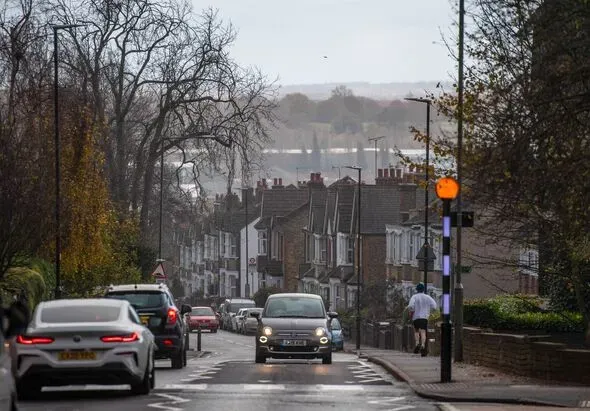
In December 2023, Kevin Rees was convicted for blowing up a Ulez camera in South East London using a homemade explosive device. The explosion occurred on Willersley Avenue, causing significant damage to property and vehicles within a 100m radius, but fortunately, no serious injuries were reported.
How was the Ulez camera explosion connected to Kevin Rees’s dissatisfaction with the Ulez scheme?
Kevin Rees expressed his discontent with the Ulez scheme by constructing and detonating a homemade explosive device targeted at a Ulez camera. This act demonstrated a blatant disregard for public safety and was driven by his opposition to the environmental policy.
What type of device was used in the Ulez camera explosion?
The device used in the Ulez camera explosion was classified as a low-sophistication improvised explosive device (IED), which was described as a metal cylinder filled with explosive powder. Forensic tests indicated it contained black powder and other materials typically associated with homemade explosives.
What were the legal consequences of the Ulez camera explosion for Kevin Rees?
Kevin Rees has been convicted of causing an explosion likely to endanger life or cause serious injury to property, along with multiple counts of possessing prohibited weapons. He is scheduled to be sentenced later, as the incident involved a dangerous attack using a homemade explosive device.
What did the counter-terrorism police discover when investigating the Ulez camera explosion?
During the investigation of the Ulez camera explosion, counter-terrorism police discovered not only the explosive device but also found aluminum powder and materials associated with homemade explosives at Kevin Rees’s home, including improvised stun guns.
How did the community respond to the Ulez camera explosion event?
The community was understandably alarmed by the Ulez camera explosion incident, particularly given the potential for substantial harm. Local law enforcement and the public were relieved that no serious injuries occurred, as Detective Superintendent James Derham emphasized the significant risk posed by Rees’s actions.
What commentary was provided on the nature of the Ulez camera explosion?
Bethan David, from the Crown Prosecution Service’s counter-terrorism division, highlighted that the Ulez camera explosion was not mere vandalism or protest but a calculated and dangerous act designed to destroy public infrastructure, illustrating Rees’s dangerous approach to dissent.
| Aspect | Details |
|---|---|
| Conviction | Kevin Rees was convicted for blowing up a Ulez camera in Kent. |
| Method | Used a low-sophistication improvised explosive device (IED). |
| Date of Incident | December 6, 2023 |
| Location | Willersley Avenue, Sidcup, south-east London |
| Damage Caused | Significant damage to properties and vehicles, including a child’s bedroom. |
| Legal Charges | Denied charges of causing an explosion and possessing prohibited weapons. |
| Public Statement | Detective Superintendent James Derham emphasized the public risk caused by Rees’s actions. |
| Outcome | Rees will be sentenced at a later date for his actions. |
Summary
The recent incident concerning the Ulez camera explosion has raised significant public concern regarding safety and the implications of criminal actions against public infrastructure. Kevin Rees’s conviction highlights the risks associated with such dangerous acts, as he used a homemade explosive to damage property and endanger lives. As investigations continue, it is crucial for the community to reflect on the broader consequences that arise from radical protests against policies such as the Ulez scheme.