
Listen to this article
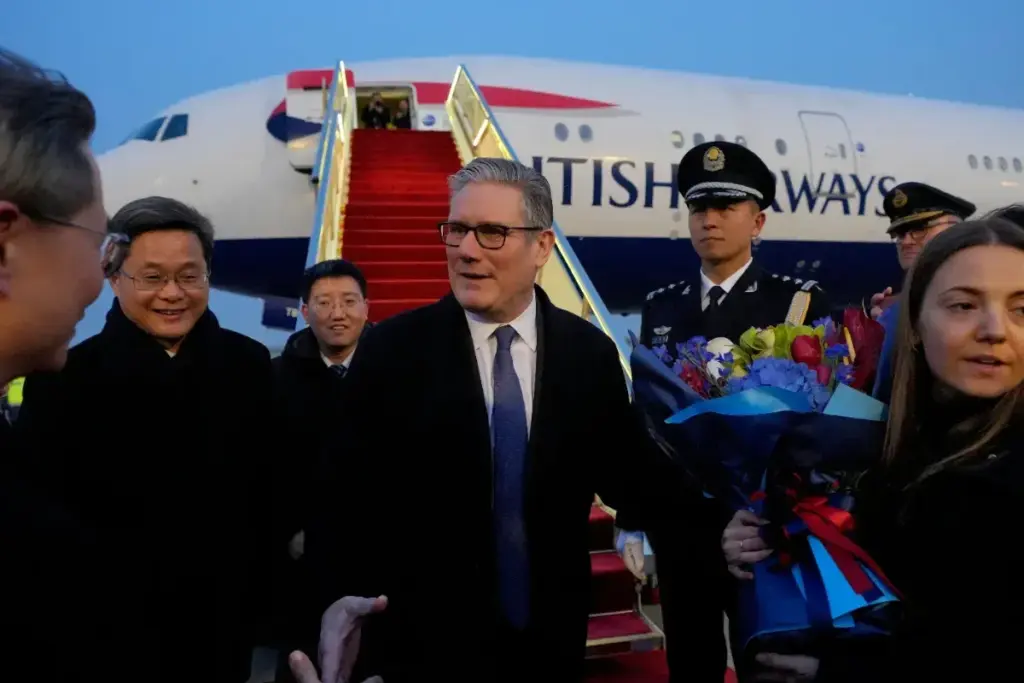
The recent Starmer China visit marks a significant moment for UK-China relations, as Prime Minister Sir Keir Starmer arrives in Beijing—the first British prime minister to do so in eight years. This three-day trip emphasizes the necessity of reconnecting with the world’s second largest economy, aiming to bolster trading and cultural ties after years of diplomatic tensions. Starmer’s Beijing trip, which includes important meetings with President Xi Jinping, represents a pivotal opportunity for the UK to secure advantageous trade deals amid rising global competition. Despite facing criticism over possible national security risks related to China’s human rights record and espionage activities, the Prime Minister remains steadfast in pursuing a “strategic and consistent relationship” with China. As the UK seeks to navigate its place between major global powers, this visit could redefine the contours of UK-China relations and pave the way for future economic collaborations.
In a notable endeavor to enhance diplomatic ties, the recent journey of the British Prime Minister to Beijing illustrates a renewed focus on bridging the gap in UK-China relations. Sir Keir Starmer’s exploration of bilateral trade agreements aims to explore avenues for cooperation, despite the apprehensions surrounding China’s policies and historical dealings. The importance of this high-profile visit cannot be understated, as it poses potential benefits not just for trade but also for fostering cultural exchanges between the nations. Facing critical views from various political spheres back in the UK, this strategic undertaking embodies a complex balancing act of international relations, where the potential for collaboration coexists with tangible security concerns. As diplomatic dialogues unfold, the unfolding dynamics between the UK and China under Starmer’s leadership could very well reshape the future of bilateral interactions.
Strengthening UK-China Relations Through Trade
Prime Minister Sir Keir Starmer’s visit to China marks a significant moment for the UK as it strives to enhance its trading relationship with one of the world’s largest economies. With global economies facing numerous challenges, the UK is keen to explore new avenues for trade with China, paving the way for potential agreements that could boost British exports. Starmer’s trip comes after a prolonged period of strained relations, and he aims to reassure both British businesses and the public of the potential economic benefits this engagement could bring. Establishing a stronger trade link with China could lead to job creation and economic growth, essential for the UK as it navigates post-Brexit realities.
Additionally, forging a stronger economic partnership with China could open doors for British companies looking to expand their presence in Asian markets. During his meetings with Chinese officials and business leaders, Starmer’s focus on cultivating a cooperative spirit could result in mutual benefits, which might include technology sharing, investments in green energy, and cooperation on climate change initiatives. However, critics argue that engaging deeply with China brings inherent risks, particularly regarding human rights and security issues. Starmer acknowledges these concerns but maintains that dialogue is crucial to address disagreements while also pursuing opportunities that align with the UK’s economic interests.
Starmer’s Beijing Visit: Balancing Interests Amid Criticism
As Sir Keir Starmer embarks on this pivotal Beijing visit, he finds himself navigating a complex landscape of international relations. Domestic opponents have raised concerns over Xi Jinping’s human rights record and the implications for UK national security, particularly in light of espionage allegations. The skepticism surrounding the trip highlights the contentious nature of UK’s interactions with China. Critics from both sides of the political spectrum argue that the Prime Minister risks compromising the UK’s values by prioritizing economic benefits over ethical considerations.
Despite the backlash, Starmer has been clear about his strategy. He emphasizes the importance of engaging with China, asserting that ignoring such a significant global player is not a viable option for British foreign policy. His remarks reflect a desire to establish a nuanced approach that seeks cooperation where possible while being frank about concerns over issues like human rights abuses and potential espionage. In doing so, Starmer aims to reassure both his critics and supporters that this trip is not merely a business venture but a strategic move to create a balanced UK-China relationship.
The First UK Prime Minister to Visit China in Eight Years
Starmer’s visit to China is historic, being the first made by a British Prime Minister since Theresa May’s trip in 2018. This significant gap underscores the complexities and fraught nature of UK-China relations, which have oscillated between cooperation and confrontation. As the first leader to engage with Chinese officials in such a long time, Starmer’s visit signals an attempt to recalibrate and reinvigorate diplomatic ties that have been largely dormant.
By taking this step, Starmer is not only engaging economically but also positioning the UK again on the global stage as a proactive participant in international affairs. His presence in Beijing aims to showcase the UK’s commitment to fostering productive dialogue with China, particularly as both nations face common global threats like climate change and economic instability. This visit serves as an opportunity for the UK to reclaim an influential role in Asian geopolitics, while also reassessing its policies regarding human rights and security.
Challenges Ahead: Security Concerns During the Visit
While Sir Keir Starmer’s intentions for his China trip may be focused on trade and economic advancement, the backdrop of security concerns looms large. The British public is understandably wary about the risks associated with closer ties to a country often criticized for its lack of transparency and questionable human rights practices. Opponents have pointed to the potential for espionage as a significant concern, leading to a growing unease about the implications of deeper economic relations.
Addressing these criticisms, Starmer has expressed his commitment to raise vital issues regarding security during discussions with Chinese leaders. By taking a stand on these matters, he aims to reassure the UK populace that engagement with China does not come at the expense of national security. It remains to be seen how effectively he can tackle these deeply rooted concerns, but his willingness to confront them head-on may set the tone for future UK-China relations.
Economic Opportunities: Can China Deliver for the UK?
The potential for economic benefits from the UK-China relationship is vast, with numerous sectors ripe for collaboration and investment. Starmer’s Beijing trip aims to unlock these opportunities, ranging from trade deals to new market access for British businesses. The UK’s focus on innovation and technology aligns with China’s ambitions, and there’s potential for partnership in areas like green technology, digital trade, and infrastructure development.
However, these economic prospects do not come without challenges. Ensuring that deals are equitable and beneficial to both parties will require careful negotiation and consideration. Starmer’s administration must balance the excitement surrounding potential trade agreements with the need for scrutiny regarding the terms of such partnerships. Thus, while the economic opportunities presented by China are significant, they necessitate a strategic approach that holds firm on key national interests.
Engaging with China: A Strategic Approach for the UK
Sir Keir Starmer’s strategic approach to engaging with China demonstrates a recognition of the geopolitical shifts taking place globally. With China emerging as a dominant economic power, the UK cannot afford to isolate itself. As demonstrated by his commitment to maintain close ties with the US as well, Starmer’s foreign policy aims to create a balanced framework where the UK actively engages with both superpowers.
This diplomatic strategy is crucial in an era marked by increasing protectionism and trade tensions. Engaging with China could enhance the UK’s influence and establish it as a vital player in discussions that shape the future of global trade and security. The approach is not without its critics, who view it as a risky gamble; still, Starmer believes that maintaining an open line of communication with China is essential for both economic growth and international stability.
China’s Human Rights Record: A Point of Contention
One of the most pressing issues surrounding Starmer’s visit to China is the country’s human rights record, which has long been a point of contention for Western governments. The UK Prime Minister’s engagement with Xi Jinping could be perceived as tacit approval of the Chinese regime’s actions against dissidents and minorities. Critics argue that, by prioritizing trade and economic dialogue, Starmer may be sidelining critical human rights discussions that are pivotal to international relations.
Starmer’s balanced approach implies that he intends to raise human rights concerns during diplomatic discussions, but this remains to be seen whether it will materialize effectively. The challenge lies in advocating for these essential issues while still pursuing beneficial economic agreements. Finding a middle ground where the UK can demand accountability without jeopardizing potential trade deals will be a delicate endeavor, yet it is crucial for a comprehensive British foreign policy toward China.
Future Trade Deals: The Implications for UK Businesses
The long-awaited trade deals that could emerge from Starmer’s visit hold significant implications for UK businesses looking to expand into international markets. With China being a rapidly expanding economy, the potential for British companies to gain footholds in this vast market is enticing. Industries such as technology, digital services, and renewable energy stand to benefit immensely from increased trade relations and investment opportunities.
However, as businesses prepare to engage with Chinese markets, they must also navigate the complexities of regulations and the potentially high stakes of operating within a Chinese economic framework. Starmer’s government will need to provide clear guidance and support for British enterprises to ensure they can capitalize on the opportunities available without compromising on standards or values. This proactive stance in fostering trade relations while safeguarding national interests will be key to maximizing the benefits of potential new agreements.
Maintaining Alliances: The UK’s Position Between China and the US
Starmer’s diplomatic balancing act includes carefully maintaining alliances with the United States while engaging with China. The growing trade tensions between these two superpowers create a challenging backdrop for the UK, as Starmer insists that Britain will not have to choose between the two. This position seeks to reassure both domestic and international audiences that the UK can navigate the precarious waters of global politics without compromising its integrity.
By fostering a relationship with China, alongside close ties with the US, Starmer is attempting to position the UK as a mediator and partner that promotes cooperation on broader issues. This strategy might not only strengthen the UK’s standing in the international arena but also allow it to advocate for a more balanced approach to global governance that takes into account the interests of both the East and the West.
Frequently Asked Questions
What are the main goals of Starmer’s China visit for UK-China relations?
Prime Minister Sir Keir Starmer’s China visit aims to strengthen trading and cultural ties between the UK and China. By engaging with Chinese leaders, he seeks to enhance economic opportunities and maintain a strategic relationship with the world’s second-largest economy.
How is Starmer’s Beijing trip significant for UK-China relations?
Starmer’s Beijing trip is significant as it marks the first visit by a British prime minister to China in eight years. This visit is seen as a pivotal moment to mend and reinforce the often-frayed UK-China relations, countering past criticisms and seeking to foster mutual benefits.
What challenges does Starmer face during his UK PM visit to China?
During his UK PM visit to China, Keir Starmer faces criticism over China’s human rights record and potential threats to UK national security. Balancing domestic opposition while seeking economic ties presents a significant challenge as he navigates sensitive political landscapes.
What trade deals may arise from the Starmer China visit?
Negotiations for a potential China trade deal with the UK are part of Sir Keir Starmer’s agenda during his China visit. He aims to enhance economic collaboration, despite concerns over human rights and security, emphasizing the importance of open dialogue.
How does the UK government view China in light of Starmer’s visit?
The UK government, represented by PM Starmer in his China visit, aims to maintain close ties with both China and the US. Starmer emphasizes that it’s not sensible for the UK to ignore China, highlighting the importance of engagement despite rising trade tensions.
What criticisms has Starmer faced regarding his Beijing trip?
Critics, including opposition political leaders, have raised concerns about Starmer’s Beijing trip, questioning the implications of strengthening ties with a regime known for human rights violations and the potential for espionage through initiatives like the proposed super-embassy.
What is the significance of the delegation accompanying Starmer on his trip to China?
The delegation accompanying PM Starmer consists of prominent British business leaders, which underscores the economic focus of the trip. Their presence is intended to enhance trade discussions and promote UK interests in the Chinese market during this historic visit.
How does Starmer plan to address human rights issues during his trip to China?
While specifics were not disclosed, PM Starmer indicated he would raise critical issues, including human rights, during discussions with Chinese leaders. His approach aims to balance engaging with China while addressing concerns about its human rights record.
What was the reaction to Starmer’s plans for a super-embassy in China?
Reactions to Starmer’s plans for a super-embassy in China have been mixed, with critics expressing fears that it could become a hub for espionage. Supporters argue it represents an opportunity for stronger diplomatic ties, while opponents question the implications for UK security.
Why is Starmer’s Beijing visit important for the UK economy?
Starmer’s Beijing visit is important for the UK economy as it aims to revitalize trade relations and explore new economic opportunities in China, which is a vital trading partner. Strengthening these ties is essential for the UK post-Brexit and amidst global trade shifts.
| Key Point | Details |
|---|---|
| Starmer’s Arrival | Keir Starmer, PM of the UK, arrived in Beijing for his three-day visit. |
| Objective of the Visit | To strengthen trading and cultural ties with China after years of tension. |
| Criticism Faced | Starmer has faced backlash regarding China’s national security risks and human rights issues. |
| Significant Meetings | Sir Keir is set to meet President Xi Jinping. |
| Support for Business Leaders | Sixty British business leaders joined Starmer on this historic delegation. |
| Balancing Relations | Starmer insists on not choosing between China and the US, maintaining ties with both. |
| Concerns Raised | Issues like human rights abuses and espionage activities have been highlighted. |
| Political Opposition | Critics, including Conservative leader Kemi Badenoch, argue against engagement with China. |
Summary
The Starmer China visit marks a pivotal moment for UK-China relations, as the Prime Minister aims to foster diplomatic and economic ties after years of conflict. This first visit by a British prime minister in eight years is aimed at laying a foundation for future collaboration and dialogue despite the challenges posed by China’s human rights concerns and espionage activities. Engaging with China, Starmer believes, is crucial for the UK’s national interests, while critics voice their strong disapproval, raising questions about the implications of such engagement.

