
Listen to this article
The impact of AI on jobs is becoming increasingly evident as artificial intelligence reshapes the landscape of the labor market. With advancements in AI technology, the job market will witness a significant transformation, sparking both excitement and concern among workers. While some positions may face elimination, particularly in customer service, the evolution of AI also presents new opportunities for job creation in other sectors. Business leaders like Cisco’s Chuck Robbins stress the importance of adapting to these shifts, viewing them as an opportunity for growth rather than a threat. As we explore the future of work AI, it’s essential to understand the potential risks of artificial intelligence job losses and embrace the change that comes with this technological revolution.
The effects of artificial intelligence on employment are stirring energetic debates about the future of the workforce. With rapid advancements in machine learning and automation, traditional roles may be disrupted, leading to a shift in how we perceive work. The changing nature of occupations due to AI technology risks eliciting anxiety about job security among professionals across various fields. Nevertheless, this transformation also promises to cultivate new job roles that harness AI capabilities and require advanced skills. As stakeholders engage in discussions about AI job transformation, it becomes vital to recognize both the challenges and the potential for innovation in an ever-evolving job market.
The Transformative Impact of AI on the Job Market
The advent of artificial intelligence (AI) technology is set to redefine the job market significantly. As Chuck Robbins, CEO of Cisco, suggests, AI could lead to substantial changes in roles, especially in sectors like customer service where automation may reduce the need for human personnel. While some jobs may become obsolete, AI will also create new positions that require different skill sets, thus leading to a transformation rather than a simple loss of employment. This transition necessitates that workers adapt and learn how to incorporate AI into their daily tasks to remain relevant. Embracing AI technology can ultimately enhance one’s employability in an ever-evolving job landscape.
The potential for AI job transformation extends beyond just the elimination of existing roles. Robotics and machine learning are set to enhance productivity in various industries, leading to a demand for skilled professionals who can manage and improve these systems. For instance, roles focusing on AI ethics, data management, and machine operation are likely to become increasingly prominent as businesses seek to integrate these advanced technologies. The landscape of future work will undoubtedly differ from what we currently know, but with proper adaptation and continuous learning, employees can position themselves as valuable assets in the AI-supported business environment.
AI Technology Risks: Concerns and Mitigations
While the rise of AI holds promise, it is accompanied by specific risks that must be addressed to ensure a safe implementation of this technology. Robbins raises concerns about the potential for increased cybersecurity threats as AI systems become more prevalent. Automated cyber attacks are becoming sophisticated, making it essential for companies to adopt robust security measures to protect sensitive information from exploitation. Organizations like Cisco are actively developing quantum technologies to counteract these threats, ensuring that the benefits of AI do not come at the expense of user safety.
Moreover, the ethical implications of AI deployment cannot be neglected. The risk of job displacement is a significant concern among workers as AI continues to evolve. Employers and policymakers must work together to create frameworks that facilitate a delicate balance between innovation and workforce stability. Training initiatives aimed at upskilling workers in AI-related fields will be crucial in minimizing the adverse effects of technological advancements on employment. By investing in education and security measures, the industry can mitigate the risks associated with AI and foster a more sustainable future of work.
Navigating the Future of Work with AI
The future of work in the age of AI is a subject of intense discussion among industry leaders. Chuck Robbins emphasizes that despite the upheavals and uncertainties, there will be winners among companies that effectively harness AI to innovate and improve their services. As businesses continue to invest in AI technologies, it’s critical for employees to remain flexible and open to change. Organizations that prioritize AI training and development for their workforce will likely excel in creating new opportunities and applications that redefine productivity.
Looking forward, the collaboration between humans and AI delineates a new frontier in the workplace. As robotic capabilities evolve, the roles filled by humans will increasingly shift towards tasks requiring emotional intelligence, decision-making, and creative inputs—areas where AI cannot fully replace human involvement. Employers need to recognize this shift and foster a culture that values collaboration between humans and machines. By preparing for this transition, businesses can leverage the full potential of AI while ensuring that their workforce is equipped and empowered to thrive in this innovative landscape.
Overcoming the Fear of AI Job Losses
A common apprehension surrounding the rise of AI is the fear of widespread job losses. Robbins outspokenly advises against solely worrying about AI displacing jobs; instead, he encourages workers to focus on becoming proficient in using AI technology. As automation changes the way businesses operate, it is crucial for individuals to adapt and develop skills that complement AI rather than compete with it. Embracing AI can unlock new career paths and opportunities that were previously unimagined.
Companies that proactively address the discourse around AI job losses should foster a culture that emphasizes continuous learning and skill development. Encouraging employees to engage with AI tools not only drives productivity but also reassures them of their relevance in the workplace. By providing training programs and workshops centered around AI, organizations can alleviate fears and empower their workforce to transition smoothly into the upcoming era of AI-enhanced employment.
AI’s Role in Reshaping Customer Service
AI technology is revolutionizing customer service across various sectors, enabling businesses to provide faster and more efficient support. Chuck Robbins highlights how AI can lead to a streamlined service experience, where customer interactions can be managed by automated systems that handle queries without human intervention. This efficiency can significantly enhance customer satisfaction while simultaneously reducing operational costs for businesses.
However, this shift raises questions about how human roles within customer service will evolve. As routine inquiries are automated, there will be a growing need for customer service agents to focus on complex issues that require emotional intelligence and relationship-building skills. Hence, training programs should emphasize developing these interpersonal skills, preparing workers to work alongside AI systems rather than being completely replaced by them.
The Competitive AI Landscape Between Countries
As AI technology advances, the competition between global superpowers, particularly the United States and China, intensifies. Robbins notes that both nations are vying for technological dominance, with significant implications for the future of the global job market and economic stability. Countries that invest heavily in AI research and infrastructure will likely emerge as leaders in the field, shaping the course of technological advancement and labor dynamics.
The UK also has the potential to carve out its niche within the AI landscape. Robbins emphasizes the need for countries to embrace AI innovations actively. By fostering an environment where AI can thrive through education and policy support, nations like the UK can establish themselves as significant players in the global AI arena. This proactive approach not only drives technological progress but can also influence where new jobs will be created and what skills will be in demand.
AI and the Dot-Com Bubble Parallels
Robbins’ comparisons of the current AI landscape to the dot-com bubble serve as a cautionary tale for investors and workers alike. During the late 1990s, rapid technological advancements led to a surge of investment in internet-based companies, many of which failed to survive the subsequent market correction. With AI investments now booming, there is concern that we may be witnessing the early signs of a bubble that could lead to significant financial losses in the future.
Recognizing the parallels between these two technological eras prompts both caution and hope. As Robbins suggests, while some companies will undoubtedly fail amidst these investments, others will emerge as winners, contributing to the evolution of AI applications and use cases. As we navigate these changes, it is essential for businesses to focus on sustainable growth and innovation, rather than inflated valuations and hype, to avoid the pitfalls experienced during the dot-com era.
The Importance of Adaptation in the AI Era
Adaptability is paramount in the face of rapid technological changes brought about by AI. Workers need to cultivate a mindset that embraces continuous learning as a key to thriving in an AI-driven job market. Organizations must foster an environment that encourages innovation and supports their workforce in developing new skills relevant to emerging technologies. The ability to pivot and embrace new tools will be vital for both individual career success and organizational growth.
As industries evolve, the balance of power in the job market may shift away from traditional competencies towards those that value adaptability and technical acumen. Companies that prioritize training and development initiatives for their employees will not only enhance team capability but also bolster employee retention and satisfaction. Adapting to changes swiftly and effectively will position individuals and organizations alike to seize opportunities presented by the advancements in AI technology.
Mitigating Cybersecurity Risks in the Age of AI
As AI technology expands its footprint in businesses, the accompanying risk of cyberattacks becomes a pressing concern. Robbins warns that AI will enhance the sophistication of cyber threats, necessitating a proactive approach to cybersecurity. Companies must invest in advanced security measures and continuously update their protocols to defend against increasingly complex cyber threats that leverage AI capabilities.
In addition to investing in technology, organizations must also focus on building a cybersecurity-aware culture among their employees. Training workers to recognize potential threats and understand the importance of cybersecurity in the AI landscape equips them with the knowledge needed to protect sensitive information. By prioritizing safety and security alongside technological advancement, businesses can navigate the complexities of the AI era while safeguarding against potential risks.
Frequently Asked Questions
What is the impact of AI technology on the job market?
AI technology is set to profoundly change the job market by automating certain roles and transforming others. While some jobs may be eliminated, particularly in industries like customer service, new opportunities will arise as workers adapt to using AI tools. Embracing this change can lead to job transformation rather than loss.
Will artificial intelligence lead to significant job losses?
Yes, artificial intelligence might lead to significant job losses in some sectors as automation becomes more prevalent. However, it’s crucial to focus on adapting and acquiring skills related to AI, as this can mitigate the risks associated with potential job losses.
How can workers prepare for the future of work with AI?
To prepare for the future of work shaped by AI, workers should invest in training and skill development relevant to AI technologies. Learning how to leverage AI in their roles can help them remain competitive in the evolving job market.
What are the risks associated with AI technology in the workplace?
The risks of AI technology in the workplace include job displacement, increased cyber threats, and the potential for misuse of AI for malicious activities. Companies must develop robust security measures and training programs to address these risks effectively.
Are some industries more affected by AI job transformation than others?
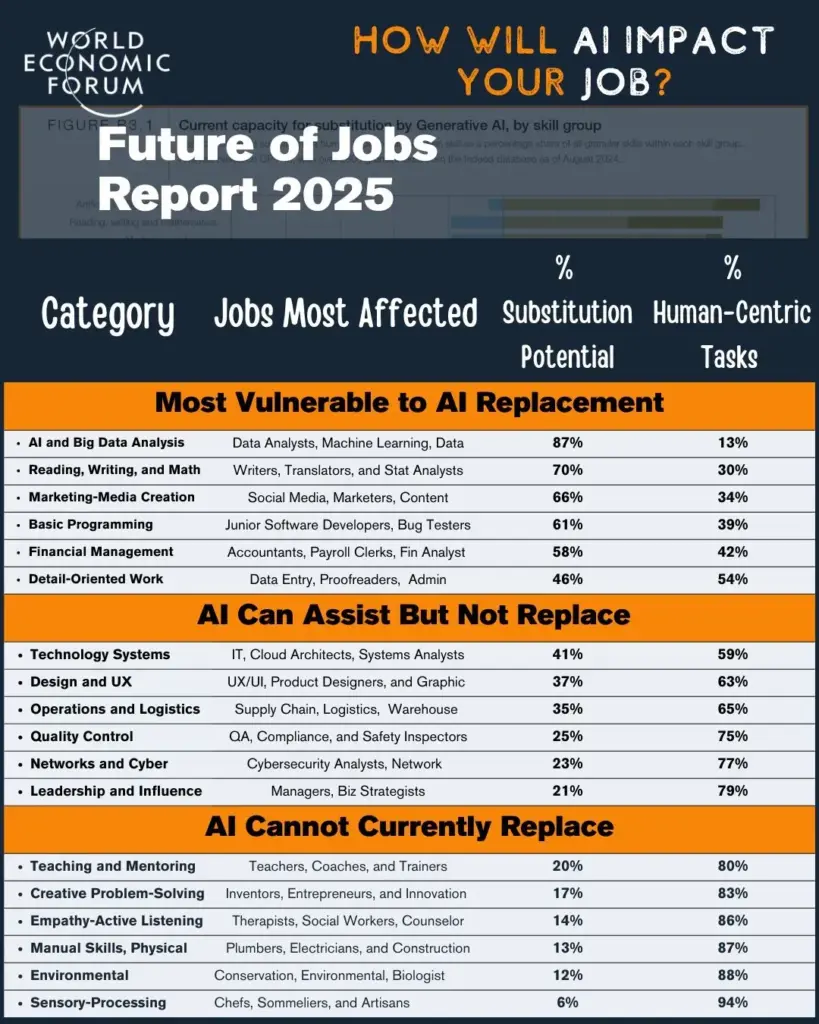
Yes, industries such as customer service, manufacturing, and data entry are likely to be more affected by AI job transformation due to automation. Sectors that require complex human interaction or creative skills may see less disruption, but all industries will need to adapt.
How does AI impact job creation in the long term?
In the long term, while AI may displace certain jobs, it also has the potential to create new jobs that require advanced skills and creativity. The key will be for workers to pivot and acquire these new skills to take advantage of emerging opportunities.
What should businesses consider regarding the impact of AI on their workforce?
Businesses should consider retraining their workforce, focusing on upskilling employees to work alongside AI technologies. It is essential to plan for workforce reductions while also emphasizing the creation of new roles that leverage AI capabilities.
What is the AI boom and its implications for the job market?
The AI boom refers to the rapid increase in investment and development in artificial intelligence technology, which is anticipated to reshape the job market significantly. While this may lead to job elimination in certain areas, it also opens doors for innovation and new job categories.
| Key Point | Details |
|---|---|
| AI’s Future Impact | AI is expected to change everything, potentially becoming ‘bigger than the internet,’ with significant disruptions in various sectors. |
| Job Displacement and Creation | AI could lead to job elimination, particularly in customer service, but there will also be new roles that require AI skills. |
| Concerns of a Bubble | The current surge in AI investment might be a bubble similar to the dot-com bubble, which may lead to bankruptcies among companies failing to adapt. |
| Risks of AI | AI presents risks, including mass job loss and increased sophistication of cyber attacks, requiring enhanced security measures. |
| Global AI Landscape | The U.S. and China are currently the leading powers in AI, but the UK shows promise in becoming an AI superpower. |
| Robbins’ Leadership | As CEO of Cisco, Robbins engages with business leaders and government to promote the responsible development of AI technology. |
Summary
The AI impact on jobs is profound, as AI technology reshapes the job market, leading to both job losses and the creation of new roles that require a different skill set. Although there are concerns about the elimination of jobs, particularly in areas like customer service, it’s crucial for workers to embrace AI to remain competitive in the evolving workplace. Furthermore, the ongoing developments in AI call for increased awareness of security risks, and robust measures are needed to protect livelihoods and data. In conclusion, while AI brings challenges, it also offers opportunities for innovation and growth, reshaping industries and redefining the future of work.

