
Listen to this article
Facial recognition limits have become a focal point of debate as police forces increasingly adopt this controversial technology. Proponents argue that facial recognition technology aids law enforcement in identifying criminals quickly and efficiently, but critics warn of the privacy implications for citizens. Current discussions, particularly in London, emphasize the necessity for stringent biometric data laws to protect individuals from unwarranted surveillance. As the Metropolitan Police seeks to expand its usage of police facial recognition vans, concerns surrounding facial recognition privacy are more relevant than ever. The potential for misuse underscores the urgent need for regulations that balance security and civil liberties in the digital age.
The constraints on the deployment of real-time biometric identification systems are under scrutiny as police agencies leverage advanced technological tools. The explosion of facial scanning methods, especially within urban centers like London, has sparked questions about the ethical treatment of the public’s biometric information. Advocates for privacy rights are calling for stronger safeguards as law enforcement aligns itself with cutting-edge technology to track down suspects. This intersection of technology and individual rights raises critical discussions about how pervasive tools affect everyday life. As cities consider expanding facial recognition systems, the dialogue must address the balance between enhancing public safety and protecting citizens’ fundamental freedoms.
Understanding Facial Recognition Technology in Law Enforcement
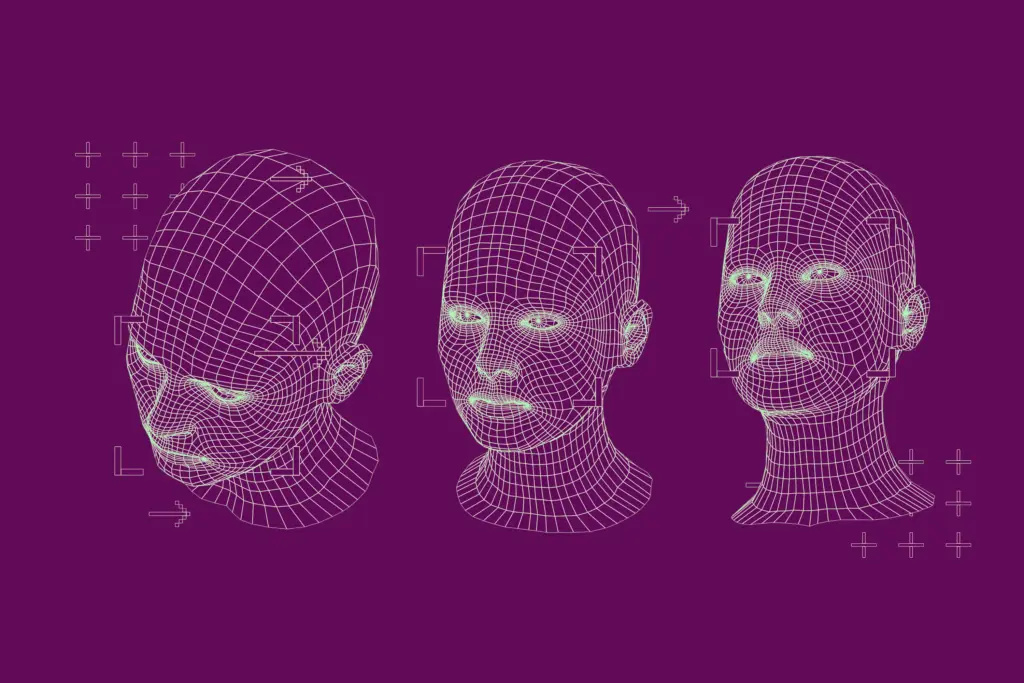
Facial recognition technology (FRT) has gained significant traction in law enforcement, particularly with police departments like the Metropolitan Police in London. This technology utilizes sophisticated algorithms to identify individuals by analyzing facial features from images or video feeds. With its capability to match faces against enormous databases, FRT can assist in identifying suspects and enhance public safety. However, the rapid adoption of this technology raises crucial questions about its implications and effectiveness in policing instead of relying solely on traditional investigative methods.
As law enforcement agencies push to deploy facial recognition systems more widely, the implications for civil liberties become increasingly concerning. Critics argue that such systems could lead to mass surveillance, where individuals are constantly monitored, especially in urban areas. There are also fears regarding inaccuracies in facial recognition algorithms, which may disproportionately affect certain demographics. This calls for a careful consideration of societal impacts as agencies like the London police technology push for more integration of FRT in their operations.
Frequently Asked Questions
What are the limits of facial recognition technology for police in London?
The limits of facial recognition technology for police in London are central to ongoing legal discussions, emphasizing the necessity for strict controls to prevent widespread scanning of individuals without consent. Activists argue that without these limitations, it may become impossible for Londoners to move freely without being identified and monitored by law enforcement.
How does police facial recognition technology impact privacy?
Police facial recognition technology has significant implications for facial recognition privacy, raising concerns over data collection without explicit consent. Critics argue that the expansion of live facial recognition (LFR) can lead to arbitrary surveillance, where citizens may be monitored unjustly, infringing upon their privacy rights.
What are the proposed laws regarding biometric data and facial recognition limits?
Proposed laws regarding biometric data aim to establish clear facial recognition limits, focusing on how police can utilize such technology responsibly. These laws are crucial in addressing concerns about discrimination and ensuring that facial recognition systems are implemented within a framework that protects individual rights.
Why is there a call for regulation of police facial recognition technology?
There is a call for regulation of police facial recognition technology due to the exponential increase in its use, which can lead to potential misuse or discriminatory practices. Activists and legal representatives argue that without adequate regulation, the deployment of this technology can infringe on citizens’ rights and privacy, thus necessitating clear boundaries on its use.
What evidence is there of the growing use of facial recognition technology by London police?
Evidence of the growing use of facial recognition technology by London police includes statistics revealing that the Met police deployed LFR 231 times in 2025, scanning around four million faces. Such figures underscore the urgent need for established face recognition limits to safeguard public privacy.
How does the London police justify the use of facial recognition technology?
The London police justify the use of facial recognition technology by stating it aids in identifying wanted individuals, likening it to searching for ‘needles in a haystack’. They argue that the invasiveness is minimal, with non-matching data being deleted almost instantly, claiming it effectively enhances public safety.
What risks do activists associate with facial recognition privacy and biometric data laws?
Activists highlight risks associated with facial recognition privacy, such as potential profiling and discriminatory practices against minority groups. They emphasize that without stringent biometric data laws, the unchecked deployment of facial recognition technology poses a threat to civil liberties, leading to pervasive surveillance.
How many arrests have been made due to facial recognition technology, according to police reports?
According to police reports, as many as 801 arrests were made specifically as a direct result of facial recognition technology in 2025. This statistic is often cited to argue in favor of the technology’s effectiveness in aiding law enforcement, despite ongoing concerns about privacy.
| Key Point | Details |
|---|---|
| Strict Control Needed | The High Court stated that police use of facial recognition technology requires strict limitation. |
| Legal Challenges | Activists claim the technology is expanding without adequate safeguards, posing risks of arbitrary application. |
| Increase in Facial Recognition Vans | Plans to increase facial recognition vans from 10 to 50 nationwide are underway. |
| Personal Impact | Shaun Thompson was wrongfully flagged by LFR, highlighting issues of discrimination. |
| Exponential Increase in Usage | The Met deployed LFR 231 times in 2025, scanning approximately four million faces. |
| Privacy Concerns | Concerns were raised over the possibility of constant biometric data capture without consent. |
| Defense of the Technology | The Met claims LFR is crucial for locating wanted individuals, with significant arrests attributed to its use. |
Summary
Facial recognition limits are a critical issue as the High Court indicates that police use of this technology must face strict regulations. The potential for privacy invasions and misuse raises significant concerns among Londoners. As the number of facial recognition applications grows, the need for safeguards that protect individual rights while allowing law enforcement to function effectively cannot be overstated.