Listen to this article
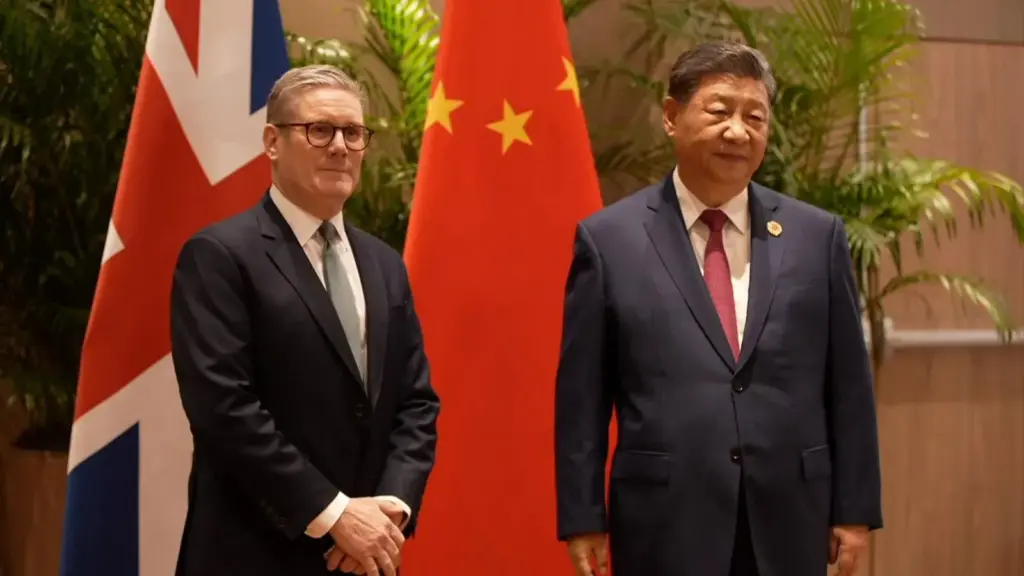
Sir Keir Starmer visit to China marks a significant moment in UK-China relations 2023, as it is the first time a British prime minister has journeyed to Beijing since 2018. Accompanied by around 60 leaders from British business and cultural sectors, Starmer is set to engage with President Xi Jinping on key bilateral issues, including human rights in China. The trip underscores a shift in Britain’s approach, attempting to revitalize ties that some critics argue are fraught with complications and distrust. As the UK continues to navigate its position on the global stage, the upcoming British PM Xi Jinping meeting is crucial for discussing pressing matters, such as security concerns linked to Chinese espionage activities in London. With the establishment of a new Chinese embassy in London, this visit could redefine the framework of cooperation and dialogue between two powerful nations.
In an era marked by fluctuating global dynamics, Sir Keir Starmer’s excursion to the East highlights a renewed focus on forging stronger connections with China. This endeavor, dubbed the Keir Starmer China trip, serves as a strategic maneuver to advance the UK’s economic interests while addressing contentious topics like the ongoing human rights violations under the Chinese regime. Numerous officials, including businessmen from prestigious firms, are set to accompany the prime minister, amplifying the significance of this diplomatic outreach. Such engagements reflect a broader context where UK China relations are being refocused against a backdrop of past isolationism and an urgent need for pragmatic dialogue. As political leaders across the West reconsider their engagements with Beijing, Starmer’s approach may set a precedent for future interactions on the global stage.
Sir Keir Starmer’s Historic Visit to China
The visit of Sir Keir Starmer to Beijing marks a significant moment in UK-China relations, as he becomes the first British prime minister to embark on this journey since 2018. Accompanied by a delegation of approximately 60 leaders from various sectors, including business and culture, Starmer aims to foster better ties between the UK and one of the world’s largest economies. This trip is seen not just as a diplomatic gesture, but as an essential step towards revitalizing the UK’s strategy in engaging with China, which continues to be a critical global player.
Starmer’s meetings with President Xi Jinping are crucial, as they come at a time when the UK’s foreign policy towards China has faced scrutiny and criticism. Notably, the focus will likely encompass discussions on economic cooperation, investment opportunities, and the current state of human rights in China. This visit also highlights the contrasting ideologies and worldviews between the UK and China, raising concerns among critics regarding the potential risks of engaging with a government criticized for its human rights abuses.
Challenges in UK-China Relations
Though the visit is strategically significant, it is laden with challenges, notably regarding China’s human rights record. Starmer has been vocal about the need to discuss these sensitive issues with Xi, as emphasized by Downing Street’s commitment to addressing concerns where interests and values diverge. The backdrop of human rights abuses—particularly the treatment of political dissidents—may shadow the discussions, prompting calls for accountability from international observers who are keenly watching the unfolding dialogue between the two nations.
Additionally, there is an ongoing debate about the extent of China’s influence, especially regarding espionage concerns within the UK. With MI5 warning about potential threats, critics argue that the UK risks compromising its national security by pursuing deeper ties with a nation frequently accused of covert operations and human rights violations. This duality of engaging economically while remaining vigilant towards security risks complicates the dynamics of UK-China relations.
Implications of Economic Partnerships with China
The inclusion of prominent business leaders from companies like HSBC and GSK underscores the economic impetus behind Starmer’s visit to China. Strengthening economic ties is not merely about securing trade deals but also about positioning the UK competitively within a global context where China’s economic influence continues to grow. The visit illustrates a recognition of the importance of interdependence and cooperation, which could lead to mutually beneficial arrangements that help bolster sectors such as finance, technology, and healthcare.
However, this economic engagement is fraught with implications. It raises questions about the ethical considerations of doing business with nations that do not adhere to the same standards of human rights and governance as the UK. As Starmer seeks to re-engage with China, the balancing act between economic interests and human rights advocacy will be closely examined by both domestic and international audiences.
Security Concerns and Trust Issues
One of the most contentious topics ahead of Sir Keir Starmer’s visit to China is the significant security concern regarding the new Chinese embassy set for completion in London. The embassy, which is poised to become the largest in Europe, has led to fears about increased espionage and surveillance activities conducted by the Chinese government on British soil. Critics, including conservative politicians, argue that this development underscores a lack of leverage in the UK’s negotiation with China and raises significant national security concerns.
The skepticism surrounding Starmer’s willingness to confront these issues during his discussions with Xi Jinping highlights a broader distrust that permeates UK-China relations. While Starmer may champion an approach of strategic engagement, critics warn that without a firm stance on security matters, the UK risks ceding significant ground to a nation perceived as a strategic adversary. This tension creates a complex atmosphere that could overshadow the financial prospects of improved ties.
The Role of Diplomacy in UK-China Relations
Diplomatic engagement has emerged as a vital strand of Sir Keir Starmer’s approach to improving UK-China relations. The historical context of diplomatic interactions between the two nations reveals an oscillation from amity to estrangement, often marked by pivotal meetings and agreements—or lack thereof. Starmer’s visit aims to restore a sense of continuity and cooperation at a time when both economic and geopolitical landscapes are shifting.
This diplomatic effort is not without its critics, who point to a perceived inconsistency in the UK’s approach to China over the years. By referencing previous engagements by leaders like Canadian Prime Minister Mark Carney and French President Emmanuel Macron, Starmer aims to position the UK as proactive rather than reactive in its foreign relations. As he walks this diplomatic tightrope, the success of his visit will depend on balancing economic incentives against ethical considerations and national security concerns.
The Importance of Human Rights Dialogue
A key dimension of Sir Keir Starmer’s discussions with Xi Jinping is likely to include a forthright conversation about human rights in China. As international scrutiny of China’s policies grows—particularly regarding religious freedom, freedom of speech, and the treatment of political dissidents—UK policymakers feel an increasing imperative to address these issues directly. Downing Street’s commitment to raising ‘challenging issues’ signifies a serious attempt to incorporate human rights dialogue into what is often perceived as economically driven negotiations.
Moreover, this commitment reflects a broader ethical responsibility that accompanies diplomatic and economic relations. Engaging with China does not negate the UK’s obligation to advocate for human rights and freedoms. The ongoing concerns about figures like Jimmy Lai exemplify the difficult position of promoting trade while firmly opposing human rights abuses—a balancing act that Starmer must navigate thoughtfully during his visit.
Building Bridges through Cultural Exchange
Amidst the economic and political discussions, cultural exchange remains a significant aspect of diplomatic relations. The presence of cultural leaders as part of Sir Keir Starmer’s delegation highlights the importance of soft power in shaping perceptions and fostering goodwill. Cultural initiatives can facilitate dialogue by allowing for a deeper understanding of societal values and human experiences, bridging differences that often seem insurmountable in political contexts.
Cultural diplomacy can complement the more formal aspects of the visit, serving to humanize the relationship between the UK and China. Through arts, education, and cultural collaborations, there is potential for both nations to address shared challenges while highlighting their individual identities. By prioritizing cultural exchanges, Starmer may strengthen bilateral ties, making them more resilient to the fluctuations of political and economic pressures.
A Critical Look at Isolationism
As Sir Keir Starmer embarks on his visit to China, he has emphasized the need to overcome what he describes as a trend of isolationism in the UK’s approach to foreign policy. The argument posits that distancing Britain from major global players like China not only limits economic opportunities but also undermines the nation’s influence in shaping international norms and standards. By re-engaging with China, Starmer seeks to reposition the UK within a broader multinational framework.
Critics, however, caution against a naive reassessment of relations, arguing that rebuilding ties with a nation often at odds with Western values could unintentionally validate its authoritarian regime. The divergent approaches to governance and international relations call for a careful reconsideration of how best to advance the UK’s interests while remaining true to its values—a challenge that Starmer must contend with as he navigates this complex diplomatic landscape.
Continued Evolution of UK-China Diplomatic Relations
The trajectory of UK-China relations has undergone notable changes, influenced by global events, domestic policies, and leadership changes over the years. Starmer’s visit symbolizes not just an attempt to refresh diplomatic ties but also a recognition that the relationship is likely to evolve continually, shaped by emerging geopolitical realities. The shifting sands of international relations mean that the UK must remain agile and responsive to changes both within China and the global arena.
As geopolitical power dynamics shift, the decisions made during Starmer’s visit will echo far beyond the immediate discussions with Xi Jinping. How the UK chooses to balance cooperation with caution will not only define its relationship with China but also its role on the world stage. Starmer’s approach will be closely monitored, as it has implications for how the UK engages with other nations facing similar challenges, marking a pivotal point in the evolution of its foreign policy.
Frequently Asked Questions
What are the key objectives of Sir Keir Starmer’s visit to China?
Sir Keir Starmer’s visit to China aims to revitalize UK-China relations, fostering a strategic partnership with President Xi Jinping. Accompanied by business and cultural leaders, he plans to discuss economic cooperation and address challenging issues, including human rights concerns.
How does Sir Keir Starmer’s trip to China fit into the broader context of UK-China relations in 2023?
The trip represents a significant effort to improve UK-China relations, which have seen fluctuating dynamics over recent years. Starmer’s engagement with Xi Jinping indicates a move towards a more consistent diplomatic approach, contrasting previous isolationist policies.
What challenges does Sir Keir Starmer face regarding human rights concerns during his China trip?
During the visit, Sir Keir Starmer is expected to address human rights issues with President Xi Jinping. Critics have vocally expressed that the Chinese government’s record on human rights, including the treatment of figures like Jimmy Lai, poses a challenge for meaningful dialogue.
How are British businesses involved in Sir Keir Starmer’s visit to China?
Approximately 60 British business leaders, including representatives from HSBC, GSK, and Jaguar Land Rover, are joining Sir Keir Starmer’s visit to China. Their participation aims to explore new economic opportunities and strengthen trade relations between the UK and China.
What is being said about the new Chinese embassy in London in the context of Sir Keir Starmer’s visit?
The approval for a new Chinese embassy in London, which will become the largest in Europe, has drawn criticism from some, including Conservative shadow foreign secretary Priti Patel. Critics argue that this development underscores concerns about national security, particularly during Sir Keir Starmer’s visit to China.
What previous interactions has Sir Keir Starmer had with Xi Jinping before this trip?
Before his current visit, Sir Keir Starmer met Xi Jinping at the G20 Summit in Rio de Janeiro in November 2024. This prior interaction laid the groundwork for their upcoming discussions during the current visit to China.
How does Sir Keir Starmer’s visit to China compare to visits by other world leaders?
Sir Keir Starmer’s visit to China aligns with recent visits by leaders like Canadian Prime Minister Mark Carney and French President Emmanuel Macron. These engagements reflect a trend among Western nations to re-establish connections with China, contrasting the UK’s previous isolationist stance.
What are the anticipated outcomes of Sir Keir Starmer’s meeting with Xi Jinping?
The anticipated outcomes include improved economic ties, discussions on human rights, and the initiation of strategic dialogues addressing mutual interests and values. Starmer aims to establish a more consistent approach to UK-China relations moving forward.
What criticisms have been directed at Sir Keir Starmer regarding his approach to China?
Critics, including Conservative politicians, argue that Sir Keir Starmer’s approach might be overly accommodating to the Chinese Communist Party and lack sufficient leverage to address national security concerns. This skepticism reflects ongoing debates about the UK’s engagement strategy with China.
| Key Point | Details |
|---|---|
| Visit Overview | Sir Keir Starmer is visiting Beijing, marking the first trip by a British prime minister to China since 2018. |
| Meetings | Scheduled to meet President Xi Jinping and includes a delegation of 60 British business and cultural leaders. |
| Objective | To revitalize UK-China relations despite concerns about China’s worldview and trustworthiness. |
| Human Rights and Security Concerns | Downing Street indicated that human rights issues will be raised during the meeting. |
| Criticism | Critics, including Priti Patel, argue that Starmer is capitulating to the Chinese Communist Party and failing to address national security threats. |
| Importance of Engagement | Starmer emphasizes the need for consistent engagement with China, pivotal given its economic role. |
| Comparison with Other Nations | The UK is seen as an outlier, with other countries like Canada and France having more frequent engagement with China. |
Summary
Sir Keir Starmer’s visit to China signifies a crucial step in reshaping the UK’s diplomatic relations with one of the world’s largest economies. Despite the mixed reactions and concerns surrounding China’s policies and human rights record, the visit aims to establish a more consistent and constructive partnership. Starmer’s engagement with President Xi Jinping and a delegation of British business leaders illustrates a strategic pivot, emphasizing the importance of dialogue over isolation. As the UK looks to strengthen its global position, this visit could redefine its approach to international relations with China in a rapidly changing geopolitical landscape.