
Listen to this article
Veterinary price transparency is set to reshape the landscape of pet healthcare in the UK as new government proposals mandate vet practices to publish treatment costs. These reforms aim to empower pet owners by enabling them to make informed decisions about vet treatment prices, thus encouraging competition and potentially lowering veterinary care costs. With findings from the Competition and Markets Authority (CMA) indicating a significant uptick in vet expenses, the emphasis on price disclosure becomes crucial for pet ownership rights. The CMA’s investigation underscores the necessity for ongoing reforms, as many pet owners feel pressured by rising bills, leading to delayed treatments or even euthanasia for their animals. As the first changes in decades, these initiatives are not only a response to a critical market need but also a step towards enhancing trust between veterinary practices and the public.
The push for clarity in veterinary costs heralds a new era in animal healthcare, focusing on the need for openness and straightforwardness surrounding pet medical expenses. As the UK government seeks to require veterinarians to disclose prices for common treatments, this initiative aligns with broader reforms intended to protect pet owners and ensure fair treatment options. The ongoing scrutiny from the Competition and Markets Authority reflects a growing recognition of the complexities involved in veterinary pricing, pushing the industry to prioritize consumer protection and trust. This movement towards accountability is particularly pertinent against the backdrop of increasing costs that plague many households, prompting a demand for legitimate rights when it comes to choosing veterinary services. As stakeholders from all sides navigate these changes, the ultimate goal remains clear: to create a more equitable and accessible veterinary care system.
Understanding the New Veterinary Price Transparency Measures
The recent proposals from the government to enforce veterinary price transparency mark a pivotal moment in the pet care industry. For the first time in six decades, veterinary practices will be mandated to publish prices of common treatments, allowing pet owners to make informed decisions. This legislation, coming under the auspices of the Department for Environment, Food & Rural Affairs (Defra), aims not only to facilitate cost comparisons but also to uphold a standard of care that had previously lacked the necessary transparency. It’s crucial to recognize that these measures stem from the findings of the Competition and Markets Authority (CMA), which highlighted troubling trends around vet treatment prices soaring nearly double the inflation rates. By shedding light on these prices, the government aspires to foster greater competition among practices, ultimately benefiting pet owners financially.
In effect, the push for veterinary price transparency aims to empower consumers—allowing them to shop around for treatments that best fit their budgetary constraints and needs. Common treatments ranging from annual vaccinations to spaying and neutering will now have clear, accessible pricing, ensuring that members of the public can weigh their options before deciding on veterinary care. As pet ownership rights evolve, it becomes increasingly important to recognize not just the love individuals have for their pets, but also the financial obligations that come with care. The government’s initiative signifies a shift toward prioritizing consumer rights in a market that has often been opaque and difficult to navigate for the average pet owner.
Impacts of CMA’s Vet Investigation on Pet Owners
The ongoing investigation by the CMA into veterinary practices is shedding light on the potential financial burdens faced by pet owners, with estimates suggesting that misconduct in the market could cost households a staggering £1 billion over the next five years. This context not only underscores the urgent need for regulatory reform but also highlights the protective measures that the CMA aims to introduce. As families grapple with rising veterinary care costs, many are faced with difficult decisions—such as delaying crucial treatments or even worse, opting for euthanasia due to financial constraints. The CMA’s investigation is a clarion call for systemic changes within the veterinary sector that aligns veterinary reforms with actionable consumer protection.
Furthermore, the CMA’s scrutiny has served as a wake-up call for the veterinary profession, highlighting the necessity for transparent pricing models and standardized treatment costs. As pet ownership rights are increasingly recognized in legal reforms, pet owners are beginning to demand not just quality care but fair and predictable pricing. While it is anticipated that the CMA’s inquiries will foster a more competitive landscape in the veterinary market, it also raises critical questions about the responsibilities of veterinary establishments to maintain ethical billing practices that can reduce financial strain on caregivers.
The Role of Veterinary Practices in Delivering Fair Price Options
With the new government proposals, there is a push towards establishing a more accountable veterinary service, where ownership transparency is as crucial as price transparency. Reports indicate that approximately 60% of UK veterinary practices are owned by individuals who are not vets, which casts a shadow over the integrity of the care being provided. As the government mandates these practices to disclose ownership, pet owners can gain better insight into their options, ensuring that they choose establishments that prioritize animal welfare over profit margins. This shift is expected to encourage ethical practices within the veterinary community, where the focus should be on delivering quality services at fair prices.
Moreover, the legal recognition of veterinary nurses as part of the professional landscape is likely to enhance the service delivery process. By empowering veterinary nurses to perform certain procedures under lessened supervision of vets, practices can operate more efficiently, to a degree, which may help alleviate high costs associated with care. As veterinary care costs continue to be a hotly debated topic, these reforms and transparency initiatives could result in a more equitable framework that supports both pet owners and veterinary professionals in their commitment to animal health.
Challenges Faced by Pet Owners Regarding Vet Bills
Cases of families being unable to afford essential veterinary treatments are increasingly common, raising alarms about the accessibility of quality care. Pet owners, like Helene Svinos, have shared distressing experiences where exorbitant vet treatment costs have led them to financial hardship. In her story, the significant treatment bills not only exceeded her insurance limits but also prompted her to take on debt to provide care for her beloved pet. This underlines a systemic issue where the emotional and financial aspects of pet ownership are often at odds, compelling the need for a more supportive and financially aware veterinary practice environment.
The heart-wrenching decisions faced by pet owners emphasize the urgency of creating a more consumer-friendly veterinary system. Without a standardized price framework, many pet owners find themselves in a position where they have to balance emotional ties to their pets with the harsh reality of rising veterinary care costs. The government’s initiative towards transparency is a step in the right direction, signaling a collective recognition that pets are family members deserving of rights and protections akin to those in other areas of healthcare.
CMA’s Role in Shaping Veterinary Reform Legislation
The Competition and Markets Authority (CMA) plays a vital role in not just identifying existing challenges within the veterinary sector but also influencing how reforms are structured. As an investigative body, the CMA’s findings are reshaping how pet owners perceive the veterinary market, but they also serve as a catalyst for change within regulations themselves. The advocacy for reforms rooted in transparency reflects a proactive stance toward consumer protection, ensuring that pet owners receive fair treatment and can build trust with their veterinary providers. As the CMA continues its investigations, it remains critical to consider how their findings will inform future legislative provisions.
Moving forward, the collaboration between the CMA, veterinary associations, and government bodies is essential to cultivate a healthy veterinary ecosystem that prioritizes pet owners’ needs. By strengthening safeguards and enhancing transparency around veterinary care costs, the CMA can help mitigate ethical concerns about pricing and ensure a level playing field for consumers. It’s clear that the implications of the CMA’s work extend beyond mere regulation; they represent a movement towards a more humane and equitable treatment of both pets and their owners.
The Importance of Licensing in Veterinary Practices
New regulations mandating official operating licenses for veterinary practices are poised to enhance accountability and standards within the industry. This vital step ensures that practices are not only compliant with regulations but also committed to quality care for animals. An official license acts as a badge of trust, allowing pet owners to feel confident that vet clinics adhere to stringent operational guidelines. The introduction of such licensing parallels models used in human healthcare, aiming to elevate standards of practice and the welfare of pets entrusted to these facilities.
Moreover, licensing will provide a framework within which veterinary professionals can operate ethically and efficiently. With enhanced regulations, pet owners can expect more robust complaints processes and avenues for redress, ensuring that any grievances are addressed satisfactorily. These measures enable pet owners to hold practices accountable and foster transparency in service delivery—ultimately building a more responsible veterinary sector that meets the expectations of pet owners across the UK.
Advocating for Pet Ownership Rights in Veterinary Care
The advocacy for pet ownership rights has gained momentum amidst rising concerns about veterinary care costs. As the narrative surrounding pets shifts from being mere companions to family members, there emerges a pressing necessity to align veterinary practices with these evolving sentiments. Pet ownership rights are not just about how pets are treated within the home; they extend to ensuring that healthcare options are affordable, transparent, and fundamentally fair. As government proposals encourage transparency in pricing, they fortify the broader concept that pet owners deserve respect and dignity in accessing veterinary care.
Furthermore, protecting pet ownership rights entails not only the expectation of quality care but also the assurance that care is made accessible without imposing undue financial stress. By reinforcing these rights, the veterinary industry can build a stronger foundation that respects both the bond between pets and their owners and the ethical responsibilities of veterinary professionals. The ongoing reforms and CMA’s investigation pave the way for a more equitable landscape, where pet owners can be secure in the knowledge that their rights are recognized and upheld.
Navigating the Future of Veterinary Care Costs
As we look towards a future shaped by upcoming veterinary reforms, it is crucial to consider how these changes will impact not only the price of care but also the relationship between pet owners and veterinary practices. With conversations around veterinary price transparency gaining traction, the landscape of pet care is likely to become more consumer-centric. By establishing guidelines that provide upfront pricing and ownership disclosures, pet owners will be better equipped to navigate their choices in veterinary services without the fear of surprise expenses.
The evolving model of veterinary care stands to benefit from ongoing dialogue and reform efforts, as both pet owners and practitioners adapt to new standards. Everyone involved must embrace the changes positively, seeing them as opportunities to improve care quality while ensuring that financial considerations do not overshadow the welfare of animals. In conclusion, as the veterinary community strives to balance costs and care, the insights gleaned from the CMA’s investigation and the government’s proposals will be essential to shaping a more transparent, fair, and ethical environment for pet care in the years to come.
Frequently Asked Questions
What is veterinary price transparency and why is it important?
Veterinary price transparency refers to the requirement for veterinary practices to disclose clear and concise pricing information for common pet treatments. This transparency is crucial as it empowers pet owners to compare costs and make informed decisions regarding their veterinary care options, ultimately ensuring they receive fair treatment without unexpected expenses.
How will UK veterinary reforms impact vet treatment prices?
UK veterinary reforms aim to improve price transparency by mandating that practices publish their treatment costs. While these changes will likely promote competition and informed decision-making among pet owners, experts believe they may not drastically reduce veterinary care costs due to underlying economic factors affecting the industry.
What are the changes in veterinary care costs due to recent CMA investigations?
The Competition and Markets Authority (CMA) investigations have revealed that veterinary care costs are increasing at a rate nearly double that of inflation. This has led to calls for regulatory changes to improve price transparency, allowing pet owners to find more affordable veterinary services.
How does price transparency affect pet ownership rights?
Price transparency enhances pet ownership rights by ensuring that pet owners are informed of treatment costs beforehand. This helps pet owners exercise their rights to choose the best value veterinary services available, thereby fostering fairer practices within the veterinary industry.
What types of treatments will practices need to disclose prices for under the new UK veterinary regulations?
Under the new regulations, veterinary practices will need to disclose prices for common treatments such as vaccinations, microchipping, and spaying or neutering. This initiative aims to provide clarity and assist pet owners in making informed decisions regarding their pets’ healthcare while shopping around for the best treatment options.
What role does the British Veterinary Association play in the push for veterinary price transparency?
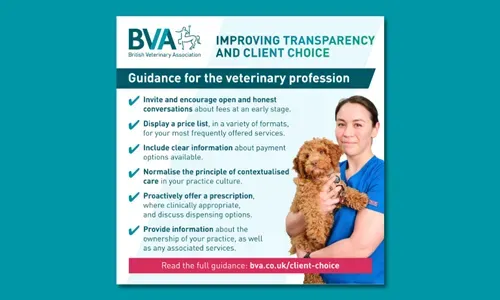
The British Veterinary Association supports the movement for veterinary price transparency as part of the broader reforms aimed at improving standards and regulations in the veterinary industry. They believe that while these changes may not substantially reduce costs, they are essential for enhancing consumer trust and competition.
How can pet owners benefit from increased competition in veterinary services?
Increased competition in veterinary services, driven by price transparency, allows pet owners to access better treatment options and potentially lower costs. With the ability to compare prices and services, pet owners can make informed choices that best fit their needs and budgets.
What might be the long-term effects of the CMA’s vet investigation on veterinary practices?
The CMA’s ongoing investigation may lead to significant regulatory reforms in the veterinary field, promoting better pricing practices and enhancing consumer rights. In the long term, this could result in an improved operational framework for veterinary practices, focusing on transparency and service quality for pet owners.
| Key Points | Details |
|---|---|
| Need for Price Transparency | Veterinary practices are required to publish prices for common treatments to allow pet owners to compare options. |
| Government Reforms | The proposals by Defra are the first major reforms in veterinary care in 60 years. |
| Rising Costs | Vet prices have increased nearly twice as fast as inflation, prompting investigations into the veterinary market. |
| Impact on Pet Owners | Many pet owners are delaying treatment or opting for euthanasia due to high costs. |
| Proposed Changes | New proposals include transparency on ownership of vet practices and a standardized complaint process. |
| Public Consultation | An eight-week public consultation will help shape the final recommendations, concluding on March 25. |
Summary
Veterinary price transparency is essential for improving the trust and care that pet owners receive from veterinary practices. By requiring vets to publish prices for common treatments, the government aims to ensure that pet owners are empowered to make informed decisions regarding their animals’ health. This initiative comes amid concerns about rising costs and insufficient consumer protections, highlighting the need for a reform in the veterinary sector that not only fosters competition but also enhances the quality of care provided to pets.

