Listen to this article
Women in sports have made remarkable strides over the past few decades, redefining what it means to be an athlete and challenging long-held stereotypes. The journey of female athletes is not just about competition but also about empowerment and gender equality in sports, as they continue to break barriers and inspire future generations. From historic milestones in women sports history to the rise of influential female sports role models, their impact is undeniable. As these athletes cultivate strength, skill, and determination, they illuminate the path for young girls aspiring to join their ranks. This blog post delves into the achievements and ongoing challenges faced by women in sports, emphasizing the importance of visibility and representation in fostering a more inclusive athletic environment.
Athletic participation among females has evolved substantially, with women now asserting their presence across various sporting arenas. This narrative highlights the crucial role that female competitors play in promoting female empowerment and advocating for greater gender equality in athletics worldwide. The story of women’s sports encompasses triumphs and struggles alike, focusing on the achievements of notable figures who have become role models for aspiring athletes. By understanding their journey and the historical context surrounding women’s engagement in sports, we can appreciate the significance of their contributions and the ongoing fight for equality. In this exploration, we will uncover the challenges and successes that define the landscape of women’s athletics today.
The Historical Context of Women in Sports
The journey of women in sports is deeply rooted in history, with significant milestones marking their evolution in the athletic world. From the early days when female participation in sports was nearly nonexistent to the gradual acceptance in modern Olympic events, the historical narrative presents both struggle and triumph. The early 20th century saw the emergence of female athletes fighting for their rights to compete, alongside a growing recognition of women’s contributions to various sports. An essential aspect of this narrative is the passage of Title IX, which significantly boosted female participation in organized sports in the U.S. This legal framework laid the groundwork for a fairer and more inclusive athletic landscape, emphasizing gender equality in schools and colleges.
In addition to legal advancements, cultural shifts have played a crucial role in the evolution of women’s sports. Over the decades, pivotal events such as the establishment of women’s leagues and professional platforms have helped elevate female athletes’ visibility and credibility. Historical role models like Babe Didrikson Zaharias and Billie Jean King broke barriers, paving the way for future generations. As we study sports history, it’s essential to recognize these milestones that have not only changed the landscape for women in athletics but also reflected broader societal changes towards gender roles and empowerment.
The Impact of Female Athletes on Society
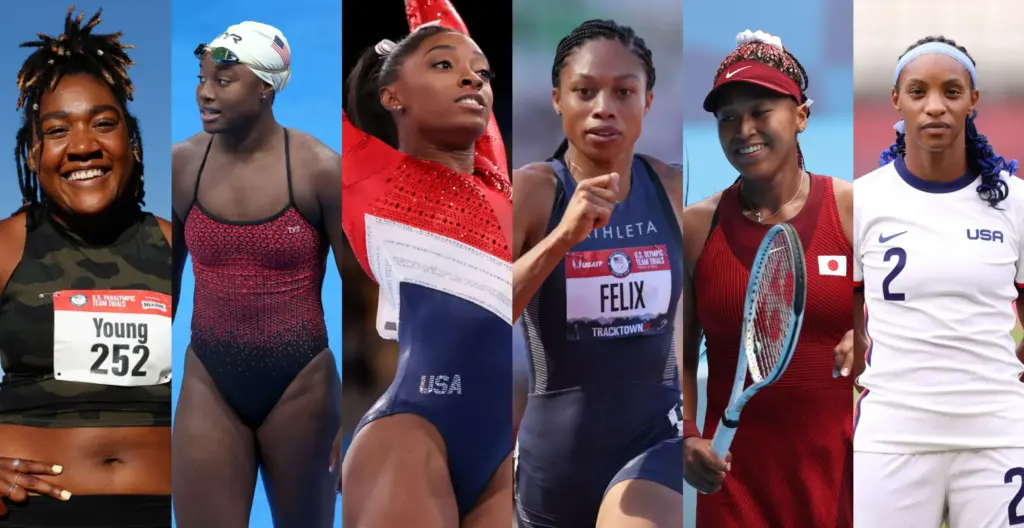
Female athletes have transcended the realm of sports to impact societal attitudes and beliefs profoundly. By excelling in their respective fields, these athletes inspire a sense of empowerment and resilience among young girls. Figures like Serena Williams and Allyson Felix showcase the importance of breaking stereotypes and championing the idea that sports are inclusive and accessible to all genders. Their advocacy for equality has sparked conversations around women’s rights and highlighted the significant contributions female athletes make, not only to their sports but also to society as a whole.
Moreover, female athletes often become symbols of change, using their platforms to address critical issues such as gender equality, mental health awareness, and social justice. For instance, athletes like Megan Rapinoe have elevated discussions about equal pay and representation, serving as role models for both aspiring athletes and advocates for systemic change. The visibility of female athletes fosters a culture of inclusivity and empowerment that encourages young girls to pursue their passions without limitations.
Challenges Facing Women in Sports Today
Despite the progress made, challenges continue to plague women in sports, affecting their participation, representation, and opportunities. One primary concern is the disparity in funding and resources allocated to women’s sports compared to men’s. Many female athletes struggle to access the same training facilities, support systems, and sponsorships that their male counterparts enjoy. This unequal treatment can lead to a lack of opportunities, discouraging young girls from pursuing sports and thereby perpetuating the cycle of underrepresentation.
Additionally, societal narratives and stereotypes remain significant barriers. Cultural perceptions that associate femininity with fragility can deter young girls from being active in competitive sports. Issues such as body image, mental health stigma, and balancing sports with academic pursuits add further pressure. Addressing these challenges requires a collective effort from sports organizations, advocates, and the community to create supportive environments that encourage girls and women to engage in athletics and compete confidently.
The Role of Media in Women Sports
Media coverage has a crucial influence on the perception and growth of women in sports. Historically, women’s sporting events have received less coverage than men’s, leading to a significant lack of visibility for female athletes. This underrepresentation can affect public interest, sponsorship opportunities, and the cultivation of fanbases. However, the landscape is changing as more media outlets recognize the popularity and potential of women’s sports. Events like the FIFA Women’s World Cup and the Women’s National Basketball Association have garnered massive viewership, proving that there is a strong demand for women’s sports content.
The rise of social media has also empowered female athletes to share their stories and connect with audiences on a personal level. Platforms like Instagram and Twitter allow athletes to advocate for their sports, promote gender equality, and challenge stereotypes. This direct engagement helps to foster a community of support, inspiring young girls worldwide to pursue sports and view themselves as capable athletes. As media representation continues to evolve, the visibility of women in sports will play a vital role in normalizing their presence and contributions in an effort to achieve a more equitable sporting environment.
Celebrating Female Sports Role Models
Celebrating female sports role models is essential for inspiring the next generation of athletes. Role models like Serena Williams, Mia Hamm, and Katie Ledecky exemplify excellence in their respective sports while also advocating for gender equality and empowering young girls. These athletes’ tremendous achievements showcase the heights that women can reach when given opportunities and support, breaking down the barriers that have historically limited female participation in athletics.
Moreover, role models serve as living proof that women can excel in sports while maintaining their identity and femininity. By sharing their stories, these athletes encourage young girls to believe in their abilities and strive for success, regardless of societal expectations. The impact of positive role models extends beyond the sports arena, fostering an environment where young women can challenge traditional gender norms and pursue their dreams with confidence.
The Push for Gender Equality in Sports
The push for gender equality in sports is gaining momentum, driven by passionate advocates and a new generation of female athletes. This movement focuses on addressing disparities in funding, representation, and opportunities between male and female athletes. Organizations like the Women’s Sports Foundation are at the forefront, advocating for equal pay and visibility for women’s sports. The conversation around gender equality in sports is crucial, as it extends beyond the playing field and has significant implications for women’s rights in other sectors.
In recent years, numerous campaigns and initiatives have emerged to amplify the voices of female athletes and highlight the need for systemic change. High-profile statements from athletes regarding pay equity and representation have ignited national discussions, pushing institutions and sponsors to reconsider their practices. This growing awareness among athletes, fans, and stakeholders is vital for building a more equitable sports environment that recognizes and values the contributions of female athletes.
Grassroots Initiatives to Encourage Female Participation
Grassroots initiatives play a fundamental role in increasing female participation in sports, particularly at the youth level. Programs designed to promote girls’ involvement in athletics create supportive ecosystems that foster inclusivity and empowerment. These initiatives often focus on providing access to resources, coaching, and opportunities that may otherwise be limited for young girls. By establishing programs in schools and communities, organizations can dismantle barriers that prevent girls from engaging in sports from a young age.
Furthermore, grassroots sports initiatives provide platforms for young girls to develop their skills, build confidence, and learn valuable life lessons through teamwork and perseverance. These programs often highlight the stories of female athletes who have overcome obstacles, motivating participants to aspire to their goals in sports and beyond. As grassroots involvement increases, the narrative surrounding women in sports will continue to evolve, promoting a brighter future for female athletes.
The Role of Advocacy in Women Sports
Advocacy is instrumental in driving change for women in sports, highlighting the importance of equal opportunities, pay, and representation. Organizations dedicated to women’s sports work tirelessly to bring attention to the disparities faced by female athletes. These advocates push for policy changes, increased investments, and the representation of women in leadership roles within sports organizations. Their efforts help ensure that women in sports are not only seen and heard but also respected and valued in a traditionally male-dominated field.
Moreover, advocacy extends beyond institutional changes and includes fostering public awareness and support for women in athletics. By collaborating with media, sponsors, and fans, advocates can amplify the representation of female athletes, transforming the narrative around women’s sports. As these efforts continue to gain traction, they inspire a cultural shift towards valuing and investing in women’s contributions in sports, ultimately leading to a more equitable and empowering environment for all athletes.
The Future Vision for Women in Sports
The future vision for women in sports is one filled with promise and potential. As more female athletes break boundaries and achieve recognition, the landscape of opportunities is expanding for women at all levels of sport. Increasing investment in women’s leagues, grassroots initiatives, and support systems can contribute to a future where female athletes receive the same recognition and resources as their male counterparts. The ongoing efforts to address disparities and promote gender equity signal a progressive trajectory for women in sports.
Looking forward, it’s essential to maintain the momentum built by past generations of female athletes who fought for the rights and representation of women in sports. By cultivating a culture that values diversity and inclusivity, the sports community can help ensure that young girls today can aspire to become the champions of tomorrow without limitations. Together, advocates, stakeholders, and fans can shape a future where women in sports are celebrated, empowered, and given equal opportunities to shine.
Frequently Asked Questions
What are some historical milestones for women in sports?
Women in sports have achieved significant milestones, including the passage of Title IX in 1972, which prohibited gender discrimination in education programs, thus increasing women’s participation in athletics across schools and professional leagues.
How has the visibility of women in sports changed over the years?
The visibility of women in sports has improved dramatically, especially with the rise of social media and increased media coverage of events like the FIFA Women’s World Cup, helping to inspire future generations and challenge stereotypes.
Who are some influential female sports role models?
Influential female sports role models include Serena Williams, Simone Biles, and Mia Hamm, who have not only excelled in their respective sports but also inspired countless girls to pursue athletics and break societal norms.
Why is gender equality in sports important?
Gender equality in sports is crucial as it ensures that women athletes receive equal opportunities, funding, and recognition, allowing them to inspire others and advocate for inclusive representation in all areas of society.
What challenges do female athletes face today?
Female athletes today still face challenges such as pay disparities, lack of funding, fewer opportunities in schools, and societal pressures, which can deter young girls from participating in sports.
How do female athletes promote women empowerment in sports?
Female athletes promote women empowerment by serving as role models, advocating for equal pay, and actively participating in initiatives focused on increasing opportunities for women and girls in sports worldwide.
What impact does media representation of women in sports have?
Media representation of women in sports plays a significant role in shaping public perception and encourages broader acceptance and support for female athletes, helping to create role models for young girls.
How can we support women in sports?
We can support women in sports by attending games, following female athletes on social media, advocating for equal pay and resources, and participating in initiatives that promote women’s sports at all levels.
What are grassroots programs for women in sports?
Grassroots programs for women in sports aim to provide access, resources, and opportunities for young girls to engage in athletics, ultimately fostering inclusivity and encouraging lifelong participation in sports.
What does the future hold for women in sports?
The future looks promising for women in sports as more female athletes emerge and societal attitudes shift. Continued support for women’s leagues and initiatives will help sustain this progress and further break down existing barriers.
| Key Aspect | Details |
|---|---|
| The Evolution of Women’s Sports | The history of women’s sports has evolved, marked by significant events such as the passage of Title IX in 1972, which prohibited gender discrimination. |
| Breaking Stereotypes | Athletes like Serena Williams and Simone Biles have challenged stereotypes, proving that strength and femininity can coexist. |
| Visibility and Representation | Increased media coverage and events like the FIFA Women’s World Cup have improved the visibility of women’s sports. |
| Role Models and Their Impact | Female athletes inspire young girls to pursue sports and challenge societal norms through their achievements. |
| Overcoming Barriers to Participation | Barriers like lack of funding and fewer opportunities persist, but organizations are advocating for better access. |
| The Fight for Equal Pay | Disparities in pay for male and female athletes continue to spark discussions about gender equity. |
| Changing Perceptions | Growing recognition of women’s contributions is changing public attitudes and increasing media support. |
| The Future of Women in Sports | The future looks bright with initiatives focusing on grassroots development and investment in women’s leagues. |
Summary
Women in sports are breaking barriers and challenging societal stereotypes, reshaping the athletic landscape in powerful ways. By advocating for equality and visibility, female athletes not only inspire future generations but also foster a more inclusive sports culture. Supporting women’s sports means supporting broader societal change where every girl has the opportunity to pursue her dreams in athletics, paving the way for progress and empowerment within and beyond the sporting arena.