Listen to this article
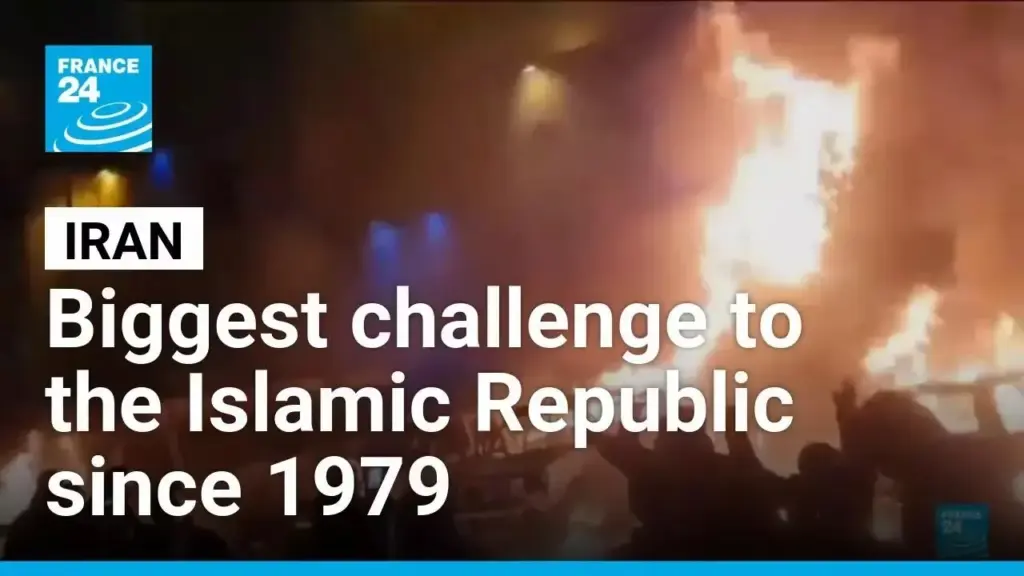
The ongoing Iran protests have emerged as a powerful indicator of the nation’s discontent, showcasing the harsh realities faced by citizens amid a brutal crackdown in Iran. Since late December 2022, demonstrators have taken to the streets, calling for change in response to escalating economic hardships and political disenfranchisement. The unrest reached a critical point on January 8, 2023, in Tehran, where security forces employed lethal force, leading to numerous Iran protests deaths. Reports from human rights organizations indicate that thousands have been killed, a shocking reminder of the human rights violations Iran is facing today. As these protests continue to draw international attention, the stories of those impacted serve as a testament to the struggles for justice and freedom within the country.
The unrest sweeping through Iran, particularly evident in the demonstrations of early 2023, highlights a profound yearning for political reform and socio-economic stability. Citizen frustration has boiled over, leading to nationwide outcries that have tragically turned violent due to the response from the authorities. This wave of dissent, marked by a significant loss of life, underscores the severity of human rights transgressions occurring in Iran. Each protest conveys not only a demand for change but also the personal anguish of those who have lost friends and family members amidst clashes with security forces. As the world watches, the resilience of the Iranian people calls for a comprehensive reevaluation of the narrative surrounding their calls for justice.
The Lethal Crackdown: A Closer Look at the January 8 Iran Protests
On January 8, Iran witnessed a harrowing escalation in protests, as security forces responded with unprecedented brutality. Eyewitnesses have recounted chilling accounts of the violence that unfolded, where demonstrators were met with live ammunition and extreme measures aimed at quelling dissent. The widespread unrest sparked by severe economic grievances soon transformed into a demand for political change, drawing a stark line between the government and its citizens. Reports estimate over 6,000 fatalities since the outset of these protests, marking a grim milestone in a nation grappling with deep-rooted issues of governance and human rights abuse.
Parisa, a young protester from Tehran, reflects a collective despair among Iranians who feel a deep personal connection to the violence that has engulfed their country. With the knowledge of lost friends and loved ones, her haunting acknowledgment of 13 casualties from her social circle underscores a significant shift in the socio-political landscape of Iran. As more voices emerge from the protests, the brutality of the crackdown has left an indelible mark on the nation’s psyche, raising urgent questions about the future of human rights in Iran amid this historic upheaval.
Human Rights Violations in Iran: A Continued Pattern
The recent protests have not only spotlighted economic despair but have also revealed a worrying trend of systemic human rights violations in Iran. Various organizations have reported systematically oppressive tactics employed by Iranian authorities, including arrests, torture, and extrajudicial killings of protesters. The chilling testimonies from demonstrators reveal an environment where expressing dissent could lead to lethal consequences. Activists emphasize that such violations are part of a broader pattern of repression that has persisted under the current regime.
International observers are increasingly alarmed by these developments as the Iranian government continues to distance itself from accountability. The brutal crackdown has prompted widespread condemnation from human rights groups around the globe, which urge immediate action to halt these violations. As the death toll rises, the struggle for human rights and freedoms in Iran becomes all the more critical, reflecting the resilience of a population that demands to be heard despite the oppressive climate.
Understanding the Scale of Iran Protests Deaths
The staggering number of reported deaths arising from the protests signifies a dire humanitarian crisis in Iran. Each casualty represents not just a statistic but a life impacted by the regime’s violent response to dissent. Reports from credible human rights organizations, such as the Human Rights Activists News Agency, highlight over 6,000 confirmed killings, with many accusing the Iranian government of downplaying the severity of the situation. With thousands more reported deaths under investigation, the potential for this crisis to escalate remains high.
The Iranian government’s narrative attempts to reframe these tragic outcomes as necessary measures against ‘rioters’ further complicates the situation. Such assertions fail to resonate with many citizens, who see the regime’s actions as extreme and unjustifiable in reaction to peaceful protests. The tragic toll of the Iran protests underscores the urgent need for accountability, and it raises further questions regarding the international community’s role in advocating for those who have lost their lives in pursuit of justice and freedom.
The Impact of Communication Blackouts on Protesters
The implementation of communication blackouts during times of unrest has become a pervasive strategy for the Iranian authorities, severely limiting the flow of information within and outside the country. Protesters have found themselves isolated; unable to share their experiences or mobilize effectively in the face of oppression. The blackouts serve not only as a tactical measure to inhibit organization but also as a psychological tactic to instill fear and confusion among demonstrators. Eyewitness accounts affirm that the lack of communication exacerbates the trauma of violence and loss, leaving many to grapple with uncertainty regarding the fate of loved ones.
As Sahar illustrates, being cut off from the outside world resulted in a compounded fear as families awaited news about their loved ones amidst widespread violence. In an age of instant communication, this deliberate severance becomes a tool of repression that hinders the ability of the populace to unite in their shared struggles. The realities of these blackouts expose the lengths to which the Iranian government will go to maintain its grip on power, while simultaneously raising alarms about the fundamental rights to freedom of speech and access to information.
Eyewitness Accounts: First-Hand Experiences from the Protests
Eyewitness accounts from the Iran protests reveal harrowing truths about the extent of violence and chaos. Testimonies from those on the ground paint an unsettling picture of security forces employing indiscriminate lethal force against unarmed citizens. Mehdi’s chilling recollection of seeing a man shot in front of him emphasizes the level of brutality that has marked these protests. Such first-hand experiences are vital to understanding the human impact of the government’s crackdown and the desperate need for change.
Despite the severe risk of persecution, many continue to share their stories in hopes of raising awareness and inspiring action. The courage exhibited by individuals like Sahar and Mehdi serves as a powerful reminder of the human cost of repression. Their narratives not only reveal the immediate dangers faced by protesters but also highlight the larger struggle for justice and political reform in Iran. These personal accounts are crucial in amplifying the voices of those fighting against oppression and bringing international attention to their plight.
International Response to the Iran Protests: A Call for Action
The international community is grappling with how to effectively respond to the escalating crisis in Iran. As reports of human rights violations surface alongside pleas for assistance from protestors, nations around the world are called upon to condemn the acts of violence perpetrated by Iranian authorities. Calls for sanctions, along with demands for investigations into the deaths of protesters, form part of a broader strategy to hold the regime accountable for its actions. The increase in attention to Iran’s situation may serve as a crucial step toward improved relations and awareness surrounding human rights issues.
However, international inaction could arguably embolden the Iranian government to continue its brutal crackdown on dissenters. Human rights advocates warn that the lack of swift and decisive action might lead to further escalation of violence against people’s freedom of expression. The time for the global dialogue on human rights violations in Iran is now—recognizing the urgent need to stand in solidarity with the victims of oppression and to assist in fostering a climate where democracy and freedom can thrive once again.
Economic Drivers Behind the Iran Protests
At the heart of the protests lies a profound sense of economic despair felt by many Iranians. Rising inflation, unemployment, and mismanagement of resources have culminated in a widespread feeling of frustration among citizens. The initial wave of protests, ignited by economic woes, has since morphed into a demand for political reform, reflecting the intertwined nature of economic governance and civil rights within the country. The urgent need for a responsive approach to economic issues is crucial in understanding the motivations behind the protests.
As economic hardship intensifies, more citizens are willing to risk their safety to voice their discontent, revealing a tipping point where disillusionment with the regime reaches critical mass. Participants of the protests manifest an unwillingness to endure further deprivation, underscoring the urgency for systemic change. The interdependence of economic stability and civic freedom plays a pivotal role in shaping the narrative of the Iran protests and illustrates why the regime must take tangible steps to address its citizens’ grievances.
The Role of Social Media in Documenting Iran Protests
In today’s digital age, social media has emerged as a powerful tool for documenting protests and human rights violations. Despite the Iranian government’s attempts to impose communication blackouts, demonstrators have utilized platforms like Twitter and Telegram to share live updates, photos, and videos of the unrest. Such narratives serve to counter state-sanctioned narratives portraying the protests as mere riots, allowing the world to witness the realities on the ground. The use of social media amplifies voices that might otherwise remain unheard and brings greater visibility to the ongoing crisis.
Nevertheless, the reliance on social media carries its own risks. Activists face potential repercussions from the government for sharing their stories, as state authorities target individuals’ online presences to suppress dissent. The challenges of misinformation further complicate the situation; while social media serves as a platform for truth, it can also be manipulated to spread propaganda. Despite these obstacles, the efforts of protesters to document and disseminate their experiences demonstrate the resilience and resourcefulness of those fighting for their rights amidst heavy censorship.
Historical Context: The Evolution of Protests in Iran
The current wave of protests in Iran cannot be adequately understood without acknowledging the historical context of civil unrest in the country. Over the decades, Iranians have frequently taken to the streets to voice their discontent, often resulting in brutal crackdowns by the regime. Economic factors have frequently driven these protests, but each time, they reveal a deeper dissatisfaction with the restrictions on political freedom and human rights. The 2023 protests are another chapter in this long history, marked by increasing urgency and a collective desire for change.
As events unfold, the events of January 8 may become a defining moment in Iran’s history, pushing more individuals to challenge the status quo and demand accountability from their leaders. The evolution of these protests highlights the courage of individuals willing to stand against oppression, inspiring future generations to continue the fight for democracy and human rights. Looking back at the trajectory of civil protest in Iran provides valuable insights into the present movement, marking a relentless quest for freedom that transcends generations.
Frequently Asked Questions
What triggered the Iran protests in 2023?
The Iran protests in 2023 were initially triggered by worsening economic conditions, which escalated into widespread demands for political change across the country, particularly noted during the demonstrations in Tehran on January 8.
What was the scale of the brutal crackdown in Iran during the protests?
The brutal crackdown in Iran during the protests has been described as unprecedented, with reports indicating that over 6,000 individuals have been confirmed killed since the unrest began, as security forces responded with lethal violence to protesters.
What are some human rights violations reported during the Iran protests?
Human rights violations during the Iran protests include the use of live ammunition against peaceful protesters, enforced disappearances, the suppression of information, and the refusal of authorities to return the bodies of deceased protesters to their families.
How many deaths have been reported during the Iran protests?
Reports indicate that since the onset of the Iran protests, at least 6,159 people have been confirmed killed, including numerous protesters, children, and individuals affiliated with the government.
What happened during the Tehran protests on January 8, 2023?
During the Tehran protests on January 8, 2023, security forces escalated their response dramatically, reportedly using lethal force against peaceful demonstrators, which resulted in significant casualties and widespread panic among participants.
What eyewitness accounts emerged from the Iran protests?
Eyewitness accounts from the Iran protests describe horrific scenes, including friends killed by gunfire in the streets, the firing of pellet guns targeting protesters, and accounts of individuals being severely injured while trying to escape the violence.
What measures have Iranian authorities taken against the protesters?
Iranian authorities have implemented measures such as live ammunition fire towards crowds, internet blackouts to suppress information dissemination, and financial extortions by demanding payments for the return of bodies of deceased protesters.
How are human rights groups responding to the Iran protests and crackdown?
Human rights groups have actively documented the violence during the Iran protests, reporting on the death toll, documenting eyewitness testimonies, and calling for international attention to the human rights violations occurring in Iran.
What challenges are faced by families of those killed in the Iran protests?
Families of those killed in the Iran protests are confronting challenges such as extortion for the release of their loved ones’ bodies, being forced to falsely label them as members of security forces, and facing threats from authorities.
What consequences can be expected following the Iran protests?
The consequences following the Iran protests may include increased governmental repression, ongoing international scrutiny of human rights violations in Iran, and potential political shifts depending on the regime’s ability to maintain control amid public dissent.
| Key Points | Details |
|---|---|
| Widespread Fatalities | At least 6,159 confirmed deaths, including 5,804 protesters and 92 children. |
| Government Crackdown | Iranian authorities used lethal force to suppress protests, leading to significant casualties among civilians. |
| Internet Blackout | A near-total communications blackout made it difficult for locals to gather information or communicate. |
| Witness Accounts | Personal stories highlight the violence faced by protesters, including accounts of deaths and injuries from security forces. |
| Government Denial | Officials claim many of the deaths were of security personnel or bystanders, labeling the events as ‘riots’. |
Summary
The ongoing Iran protests have intensified with reports of rampant violence and fatalities as security forces respond with lethal measures. The brutal crackdown has led to a profound public outcry against the government and raised alarming human rights concerns. As both local and international observers note, the situation remains dire, compounded by an internet blackout that hampers communication and information dissemination. The echoes of despair and anger from the streets of Iran highlight the urgent need for global attention to these protests.