
Listen to this article
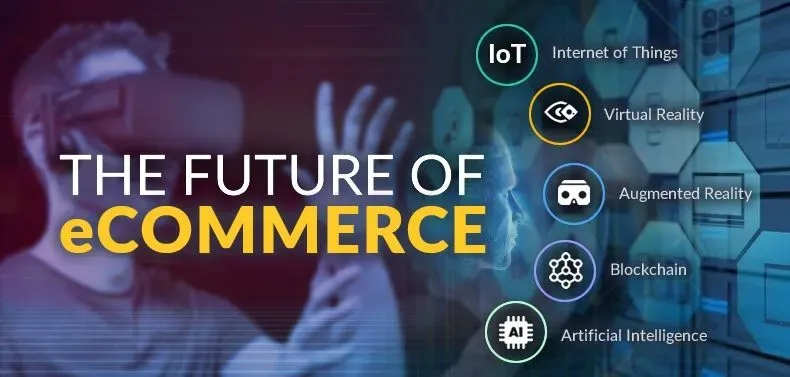
The Future of E-commerce is set to transform the retail landscape in ways we can only begin to imagine. As technology continues to evolve, e-commerce trends will shift towards more personalized shopping experiences, driven by advanced data analytics and artificial intelligence. Innovations in online shopping, such as augmented and virtual reality, will allow customers to engage with products like never before. Moreover, the rise of mobile commerce and sustainability in e-commerce will demand that brands not only cater to consumer convenience but also align with their values. This dynamic environment presents both challenges and exciting opportunities for businesses ready to embrace the next generation of online retail.
Exploring the anticipated developments in digital retail, the future of online shopping will be characterized by cutting-edge innovations and shifting consumer trends. This evolution heralds a new age where tailored shopping experiences will dominate, thanks to the integration of sophisticated technologies like AI and machine learning. Additionally, immersive experiences through augmented reality and virtual interactions will offer unmatched ways to connect with customers. As the spotlight shifts towards mobile transactions and eco-friendly practices, companies that adapt to these changes will thrive. Thus, navigating the landscape of social commerce alongside subscription services will be pivotal for brands seeking to maintain relevance.
The Future of E-commerce: Key Innovations to Watch
The landscape of e-commerce is rapidly shifting, underpinned by emerging technologies and changing consumer behaviors. Businesses must be proactive in recognizing the upcoming innovations that will define the future of online shopping. Innovations like enhanced mobile commerce, seamless integration of AI customer service, and the rise of immersive technologies such as AR and VR are key to staying ahead of the competition. The landscape will be shaped by brands that can effectively harness these innovations to enhance customer satisfaction.
As we venture into the future of e-commerce, trends like social commerce and sustainability will also play pivotal roles. Companies that integrate social commerce strategies into their marketing efforts will blend the lines between social engagement and shopping, creating richer customer interactions. Moreover, a commitment to sustainable practices will not only meet the demands of environmentally-conscious consumers but may also become a competitive differentiator in the e-commerce sector.
Harnessing Hyper-Personalization for Online Shopping
In an era where consumers expect more tailored experiences, hyper-personalization is becoming a vital strategy for e-commerce businesses. By leveraging big data, machine learning, and customer insights, brands can deliver highly relevant product recommendations and offers. Techniques such as analyzing purchase history and real-time browsing behavior allow for a customer experience that feels uniquely tailored, which can significantly reduce cart abandonment and increase conversions.
Moreover, personalization extends beyond mere product suggestions. It encompasses customized email campaigns, dynamically tailored content on websites, and even the design of personalized loyalty programs. The more businesses can adapt their offerings to meet individual customer needs, the more likely they are to cultivate loyalty and long-term relationships with their clientele.
The Integration of AR and VR: Transforming Online Shopping
Augmented Reality (AR) and Virtual Reality (VR) technologies are not just buzzwords; they represent transformative approaches to online shopping. These technologies allow consumers to interact with products in entirely new ways. For example, AR can enable shoppers to visualize how a product will fit into their lives, such as seeing how a piece of furniture looks in their living room before making a purchase.
This immersive experience can significantly enhance the consumer’s confidence in their purchasing decisions, potentially leading to higher conversion rates. As more retailers adopt these technologies, we can expect a shift in consumer behavior, with shoppers increasingly favoring brands that offer such innovative shopping experiences.
Voice Commerce: A New Frontier in Ecommerce
As smart speakers and voice-enabled devices become integral parts of daily life, voice commerce is emerging as a crucial component of e-commerce strategies. The convenience of voice searches for product discovery and transactions opens new opportunities for brands to engage with customers. Optimizing e-commerce platforms for voice search involves utilizing natural language, developing rich FAQs, and ensuring that content is structured to fit conversational queries.
Additionally, businesses that successfully implement voice commerce will find themselves meeting the needs of a growing demographic that prioritizes efficiency and ease. This trend emphasizes the importance of innovation in online shopping, reinforcing the need for brands to adapt to the ways consumers prefer to engage with technology.
Sustainability in E-commerce: Meeting Consumer Expectations
As consumers become more environmentally aware, sustainability is evolving from a mere trend to a critical requirement for e-commerce brands. Today’s shoppers are not just looking for quality products; they are actively seeking out brands that demonstrate a commitment to sustainable practices. This encompasses everything from ethically sourcing raw materials to minimizing waste through eco-friendly packaging.
Brands that articulate their sustainability efforts effectively can differentiate themselves in a crowded marketplace, thus building trust and loyalty among customers. Adopting greener practices will not only enhance a brand’s image but will also contribute towards a more sustainable future in the e-commerce space.
Mobile Commerce: The Key to Modern Shopping
The dominance of mobile commerce in the e-commerce landscape cannot be overstated. With smartphones becoming the primary device through which consumers shop, businesses must prioritize the mobile shopping experience. This includes creating mobile-optimized websites, ensuring swift loading times, and incorporating features that facilitate seamless purchases, such as digital wallets and one-click payments.
Failure to adapt to the mobile-first mentality could result in lost sales opportunities, as consumers increasingly favor the convenience of shopping on their devices. Brands that excel in this area will likely enjoy increased customer retention and satisfaction, reinforcing the urgency of mobile commerce in future e-commerce strategies.
The Rise of Subscription Services: A New Way to Engage Customers
Subscription-based service models are rapidly gaining traction in the e-commerce sector. These services offer businesses a reliable revenue stream while providing customers with convenience and predictability. From meal delivery boxes to curated fashion subscriptions, the appeal lies in their ability to cater to varying consumer needs and preferences, adapting as those needs evolve over time.
Looking ahead, we anticipate that brands will continue to innovate within the subscription space by offering personalized experiences and exclusive content. Tailoring subscription options that align with customer interests can not only enhance user engagement but also strengthen brand loyalty, making subscriptions a key trend in the future of e-commerce.
Frequently Asked Questions
What are the key e-commerce trends shaping the future of online shopping?
The future of e-commerce is being shaped by several key trends including personalized shopping experiences, mobile commerce dominance, sustainability in e-commerce, the rise of social commerce, and the integration of AI for customer service. These trends enhance consumer engagement and optimize business operations.
How will personalized shopping experiences impact the future of e-commerce?
Personalized shopping experiences will greatly enhance the future of e-commerce by using advanced data analytics and AI to tailor recommendations based on individual consumer behaviors. This approach increases conversion rates and fosters customer loyalty by making shopping more relevant and enjoyable.
What role does mobile commerce play in the future of e-commerce?
Mobile commerce is projected to dominate the future of e-commerce as more consumers rely on smartphones for online shopping. Businesses must ensure mobile optimization to provide seamless shopping experiences, integrate digital payment solutions, and implement features like one-click purchases to stay competitive.
How is sustainability becoming a priority in the future of e-commerce?
Sustainability in e-commerce is becoming crucial as consumers demand environmentally friendly products. Businesses will need to adopt ethical sourcing, eco-friendly packaging, and transparent supply chains to build trust and loyalty among increasingly conscious consumers.
What is the significance of social commerce for the future of e-commerce?
The rise of social commerce is blurring the lines between social media and online shopping, allowing users to purchase products directly from platforms like Instagram and Facebook. This trend is significant as it creates new sales channels and enhances customer engagement through visually appealing content.
How will AI customer service transform the future of e-commerce?
AI customer service is transforming the future of e-commerce by enabling 24/7 support through chatbots, offering personalized product recommendations, and analyzing customer feedback. This not only improves customer experience but also reduces operational costs, allowing businesses to focus on innovation.
What is the future of subscription services in e-commerce?
Subscription services are expected to grow in the future of e-commerce as they provide convenience and ensure consistent revenue streams. Businesses will innovate by offering personalized subscription plans that adapt to consumer preferences, enhancing customer retention with unique experiences.
| Trend | Description | Impact |
|---|---|---|
| Personalized Shopping Experiences | Advanced data analytics for tailored recommendations using AI and machine learning. | Enhances shopping experience, increases conversion and customer loyalty. |
| Integration of AR and VR | Allows customers to visualize products in real environments; immersive shopping experiences. | Creates unique shopping experiences, improving engagement and satisfaction. |
| Voice Commerce Growth | Increased use of voice searches for product discovery; optimization for voice search necessary. | Businesses can reach a significant portion of users preferring voice interactions. |
| Sustainability as a Priority | Focus on ethically sourced and environmentally friendly products and practices. | Drives consumer trust and loyalty; aligns with growing eco-consciousness. |
| Mobile Commerce Dominance | Emphasis on mobile-optimized shopping experiences with features like one-click payments. | Critical for capturing sales from on-the-go consumers; influences purchasing frequency. |
| The Rise of Social Commerce | Utilization of social media as direct shopping platforms; shoppable posts and ads. | Engages customers where they are active, bridging social interaction with shopping. |
| Enhanced Customer Service with AI | AI chatbots providing 24/7 support, personalized recommendations, and service automation. | Improves customer experience and lowers operational costs for businesses. |
| Subscription-Based Models | Services that cater to consumer preferences, providing convenience and steady revenue. | Increases customer retention and stabilizes income streams for businesses. |
Summary
The Future of E-commerce is not just about technological advancements; it’s about how these innovations cater to the changing needs and preferences of consumers. As we embrace trends like hyper-personalization, AR/VR, and voice commerce, businesses have the unique opportunity to enhance customer experiences and drive loyalty. The integration of sustainability in practices, mobile commerce dominance, and the rise of social commerce all underscore the importance of adaptation in this competitive landscape. Companies must focus on leveraging AI for customer service and exploring subscription models to ensure sustainable growth. Engaging in these evolving trends becomes essential for businesses aiming to thrive in the e-commerce of tomorrow.

