Listen to this article
Menopause is a significant phase in a woman’s life that not only marks the end of reproductive fertility but also indicates substantial changes in brain function that may elevate Alzheimer’s disease risk. Recent studies reveal that menopause-induced brain changes mirror those found in Alzheimer’s patients, particularly in regions responsible for memory and emotion. This connection suggests that the hormonal fluctuations characteristic of menopause could heighten women’s susceptibility to dementia in later life. Moreover, while hormone replacement therapy (HRT) is often employed to alleviate menopausal symptoms, its effects on brain health are still under investigation, making the topic increasingly relevant. Understanding these menopause brain changes is crucial for developing strategies to mitigate Alzheimer’s disease risk, particularly as women represent a disproportionate share of dementia cases.
The transition through menopause, often termed ‘perimenopause’ followed by ‘postmenopause,’ introduces a complex interplay of hormonal shifts that can significantly impact cognitive health. These shifts are increasingly associated with alterations in brain structure, leading to concerns about memory loss and emotional regulation that resemble early indicators of neurodegenerative conditions. With women’s risk of developing dementia soaring post-menopause, research is critical in unraveling the nuances of this relationship. Furthermore, alternative treatment options such as hormone replacement therapy (HRT) are being explored, as their potential benefits on the brain could counteract some of the adverse effects experienced during this transformative period. As we delve into this pressing issue, it becomes apparent that addressing the cognitive implications of menopause could lead to better health outcomes for women navigating these challenges.
Understanding the Connection Between Menopause and Brain Changes
Menopause triggers a series of hormonal changes in a woman’s body, leading to various physical and psychological symptoms. One of the critical aspects of this transition is the alteration in brain structure and function. Research shows that menopause is associated with brain changes, particularly in areas critical for memory, emotion, and cognitive function. Notably, the hippocampus and entorhinal cortex have shown significant reductions in grey matter during this period, indicating that menopause can affect a woman’s cognitive health long before dementia symptoms may manifest.
Current studies highlight the importance of monitoring these brain changes throughout the menopausal transition. As women experience menopause, grey matter loss in brain regions associated with memory and emotional regulation may increase the overall risk of cognitive decline later in life. This connection to Alzheimer’s-like brain changes not only emphasizes the need for further research but also raises awareness about the unique challenges women face during and after menopause.
Menopause and Alzheimer’s Disease Risk: What the Research Shows
Recent research suggests a strong link between menopause and an increased risk of Alzheimer’s disease. Women are already known to represent approximately two-thirds of individuals diagnosed with Alzheimer’s in the UK. The hormonal fluctuations experienced during menopause, especially the decline in estrogen, are thought to play a significant role in making women more susceptible to neurodegenerative diseases. Estrogen has neuroprotective properties that may help maintain cognitive function and brain health, and its depletion during menopause can disrupt neural processes.
In light of these findings, it is crucial for women to be aware of their unique risks associated with Alzheimer’s disease. Detecting menopause-related cognitive changes early could lead to better preventive measures. Recognizing the potential for early intervention and lifestyle modifications, such as regular exercise and a balanced diet, may mitigate the long-term risks associated with cognitive decline.
Hormone Replacement Therapy: Benefits and Risks for Brain Health
Hormone Replacement Therapy (HRT) has emerged as a treatment for managing menopausal symptoms, but its effects on long-term brain health remain under considerable scrutiny. Some studies indicate that HRT may help alleviate certain cognitive impairments associated with menopause by restoring hormone levels. However, the relationship between HRT and brain changes is complex. While some women report improvements in memory and cognitive function during treatment, others may experience negative mental health outcomes.
The debate over the efficacy of HRT underscores the importance of personalized medical approaches. Women considering HRT must be counseled about both its benefits and potential risks, especially regarding cognitive health. Future research is needed to fully understand how HRT influences brain structure and function during menopause, as well as its long-term effects on dementia risk.
The Role of Grey Matter in Cognitive Function During Menopause
Grey matter plays a critical role in various cognitive functions, including memory and emotional responses. As women transition through menopause, studies have revealed a reduction in grey matter density in essential areas of the brain, particularly those associated with learning and memory, such as the hippocampus. This reduction could explain the increased prevalence of cognitive issues during menopause and may also provide insight into the higher rates of Alzheimer’s disease among women.
Understanding the implications of grey matter changes during menopause is vital for developing effective interventions. As research continues, focusing on how maintaining grey matter health can promote cognitive function may be key in addressing the challenges faced by menopausal women and reducing their risk of dementia.
Exploring Dementia in Women: A Growing Concern
Women are disproportionately affected by dementia compared to men, leading to important discussions about the factors contributing to this disparity. Hormonal changes during menopause are believed to play a significant role in this increased vulnerability. While both men and women experience cognitive decline as they age, the cognitive impact of menopause can pose additional risks for women, possibly leading to earlier onset of dementia symptoms.
Ensuring that women are informed about the risks of dementia associated with menopause is essential to developing preventative strategies. Educational campaigns that raise awareness about maintaining mental health during this transitional phase can empower women to seek help, adopt healthier lifestyles, and potentially mitigate their risk of dementia.
Memory Loss and Mood Changes: Menopause’s Impact on Women
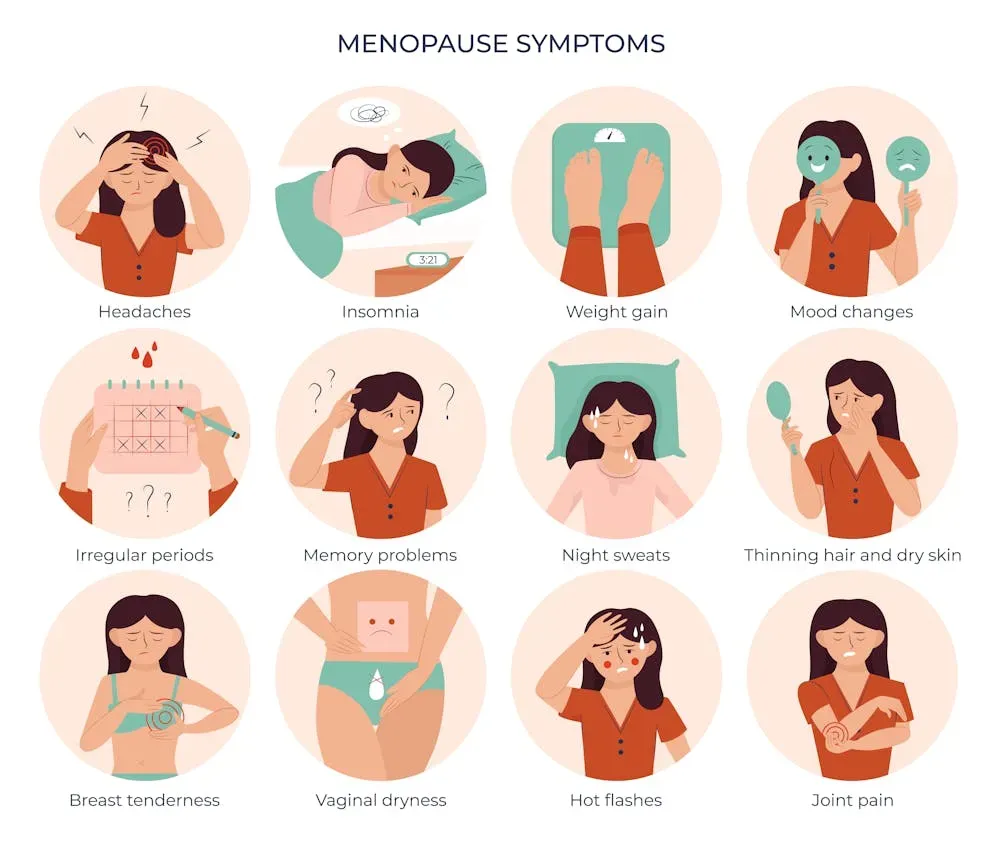
Memory loss and mood changes during menopause are common complaints among women experiencing this transition. Fluctuating hormone levels can lead to symptoms such as anxiety, irritability, and difficulties with memory. Many women report that they struggle to concentrate or remember details, which can contribute to a decline in overall quality of life.
The interplay of these symptoms emphasizes the need for holistic approaches to women’s health during menopause. Addressing both emotional and cognitive support can help improve mental health outcomes for women navigating this challenging period. Regular physical activity, stress management techniques, and support networks can be beneficial for women trying to cope with memory and mood changes related to menopause.
Lifestyle Changes to Help Reduce Dementia Risk
Managing lifestyle factors is crucial for women looking to reduce their risk of dementia, especially during and after menopause. Regular physical exercise, a balanced diet rich in omega-3 fatty acids, and engaging in mentally stimulating activities can all contribute to enhanced brain health. Additionally, social interactions and community involvement are essential in supporting cognitive function and emotional well-being.
Encouraging women to adopt healthier lifestyles can significantly bolster brain health as they navigate the menopausal transition. Integrating preventive measures and focusing on resilience can empower women to take control of their cognitive health and mitigate their risks of developing dementia.
The Importance of Mental Health Support During Menopause
Mental health support is crucial for women experiencing menopause, as they often face significant life changes that can lead to depression and anxiety. The hormonal shifts associated with menopause may exacerbate these mental health challenges. Understanding that it is common for menopausal women to seek help can foster an environment where they feel comfortable discussing their mental health experiences.
Healthcare professionals must be sensitive to these challenges and offer appropriate support systems for menopausal women. Creating awareness campaigns that address mental health during menopause can help eliminate stigma and encourage women to seek the help they need. This proactive approach can significantly enhance their quality of life during this transitional phase.
Future Research Directions in Menopause and Alzheimer’s Disease
Ongoing research aimed at understanding the complex relationship between menopause and Alzheimer’s disease is critical, as it can lead to more effective prevention strategies and interventions. In particular, studies investigating the long-term cognitive impacts of menopause-related changes in the brain are essential for identifying women at higher risk for dementia.
Advancements in brain imaging technology and longitudinal studies will contribute to a deeper understanding of how menopause influences cognitive decline. Future research should also focus on the potential role of lifestyle interventions and hormone therapy to determine their effectiveness in preventing or delaying the onset of Alzheimer’s disease among menopausal women.
Frequently Asked Questions
How does menopause impact Alzheimer’s disease risk in women?
Menopause is linked to brain changes similar to those seen in Alzheimer’s disease, potentially increasing women’s risk of developing dementia. Research shows that menopause results in a reduction of grey matter in brain regions associated with memory and emotion, which may contribute to the higher prevalence of Alzheimer’s among women.
What brain changes occur during menopause that relate to dementia in women?
During menopause, significant brain changes occur, particularly in regions like the hippocampus, entorhinal cortex, and anterior cingulate cortex. These areas are crucial for memory, learning, and emotional regulation, and alterations in these parts may elevate the risk of Alzheimer’s and other forms of dementia in women.
Can Hormone Replacement Therapy (HRT) benefit brain health during menopause?
The effects of HRT on brain health during menopause are still debated. While HRT is used to alleviate menopausal symptoms, some studies suggest it may not improve cognitive function or mental health for all women, and further research is needed to understand its long-term impacts on Alzheimer’s disease risk.
What role do menopause brain changes play in developing Alzheimer’s disease?
Research suggests that menopause-related brain changes, particularly loss of grey matter, may heighten the risk of developing Alzheimer’s disease in women. The correlation between these brain alterations and cognitive decline highlights the need for monitoring women’s brain health during and after menopause.
What are the common symptoms of menopause that may affect cognitive function?
Common symptoms of menopause that may influence cognitive function include sleep disturbances, mood swings, and memory problems. These symptoms could overlap with early signs of dementia, making it crucial to differentiate between menopausal effects and potential Alzheimer’s disease indicators.
How can women minimize the risk of dementia during menopause?
To reduce dementia risk during menopause, women are encouraged to engage in regular physical activity, avoid smoking, limit alcohol consumption, and maintain a healthy diet. These lifestyle changes may help support brain health and mitigate some menopause-related cognitive decline.
Why are women more susceptible to Alzheimer’s disease after menopause?
Women are more susceptible to Alzheimer’s disease, particularly post-menopause, possibly due to hormonal changes that impact brain structure and function. The loss of estrogen may lead to significant brain alterations mirroring those seen in Alzheimer’s, underscoring the importance of understanding menopause’s effects on female brain health.
Is there a connection between HRT and mental health during menopause?
The relationship between HRT and mental health during menopause is complex. While HRT may help alleviate some physical symptoms, it has been associated with varying effects on mental health, including potential exacerbation of mental health issues for some women. Individual assessments are essential for safe treatment options.
What future research is needed to understand menopause and Alzheimer’s disease?
Future research should focus on long-term studies tracking menopausal women to determine how menopause-related brain changes affect the development of Alzheimer’s disease. Understanding the full scope of HRT effects and other lifestyle factors on brain health during menopause is also crucial.
| Key Point | Details |
|---|---|
| Menopause and Alzheimer’s Connection | Menopause is linked to brain changes similar to Alzheimer’s, indicating potential increased dementia risk in women. |
| Research Scale | The study involved nearly 125,000 women, with 11,000 receiving MRI scans to assess brain changes. |
| Brain Regions Affected | Notable reductions were found in the hippocampus, entorhinal cortex, and anterior cingulate cortex, areas critical for memory and emotion regulation. |
| HRT Considerations | Hormone Replacement Therapy (HRT) may help manage menopausal symptoms but has complex effects on brain health and mental well-being. |
| Mental Health Awareness | It’s crucial to address the mental health challenges faced during menopause, recognizing the significance of seeking help. |
| Women and Alzheimer’s | Women constitute about two-thirds of Alzheimer’s disease patients in the UK, highlighting the need for further understanding of this vulnerability. |
Summary
Menopause is intricately linked to Alzheimer’s-like brain changes, indicating that women may face a heightened risk for dementia following menopause. A significant study showcased reductions in critical brain areas associated with memory and emotion, emphasizing why women are often more susceptible to dementia than men. Understanding the relationship between menopause and Alzheimer’s is essential for developing effective strategies for mental health and cognitive resilience during this transition.