
Listen to this article
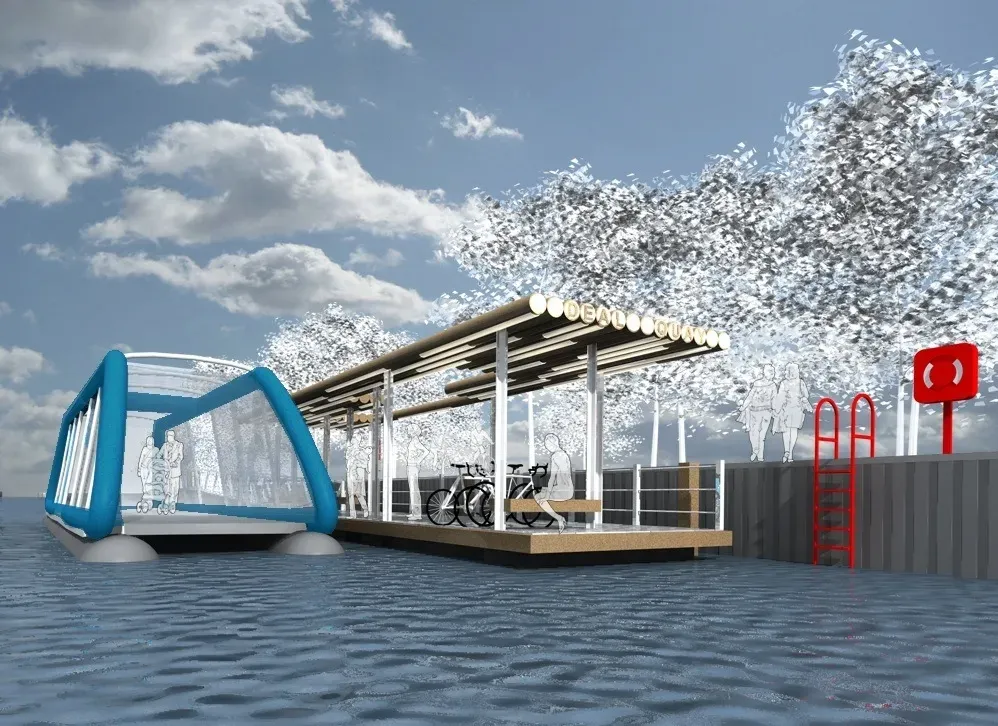
Floating bus stops have emerged as a controversial innovation in urban transport design, featuring a cycle lane positioned between bus stops and the pavement. Designed to enhance pedestrian safety and promote cycling, these bus stops aim to make boarding and alighting from buses safer while enabling cyclists to navigate around waiting passengers. However, this concept has faced backlash, particularly regarding blind accessibility, as many feel the design does not adequately address the needs of visually impaired individuals. Campaigners have criticized the latest floating bus stop guidance issued by government agencies like Transport for London (TfL) for its lack of clarity and accountability. As the debate continues, stakeholders are calling for a reevaluation of these designs to ensure greater cycling safety and protect the interests of all users on the road.
The concept of floating bus stops, also known as bus stop bypasses, has sparked significant discussion among transport advocates and urban planners. These innovative transit points are meant to improve the flow of cyclists while maintaining access for bus passengers, yet concerns about safety and accessibility persist. Alternative designs, such as placing the bus stop ahead of the bicycle lane, are being explored to address issues raised by various community groups. With the aim of enhancing both pedestrian and cyclist safety, these designs must consider the particular needs of all road users, especially those with disabilities. As cities evolve and strive to create more integrated transport systems, finding a balance between speed and safety in public transport remains crucial.
The Controversy Surrounding Floating Bus Stop Guidance
Recent updates to the guidance on floating bus stops have sparked significant backlash from various advocacy groups, especially those representing the blind and visually impaired. Campaigners argue that the new designs, which place cycle lanes directly between the bus stops and the kerb, do not adequately address the safety concerns voiced by these communities. The design is intended to facilitate a seamless travel experience for both bus passengers and cyclists, yet critics maintain that it inherently increases the risk of accidents and fails to consider the needs of all users on the road.
Sarah Gayton, a vocal advocate from the National Federation of the Blind of the UK, expressed dissatisfaction with the updated guidance, calling it “shambolic.” She points out that the safety of blind and visually impaired pedestrians is not given proper consideration. In contrast to the intention of making transportation more accessible, this design could lead to confusion and hazards for those who rely on auditory and tactile cues to navigate urban environments.
Frequently Asked Questions
What are floating bus stops and how do they impact cycling safety?
Floating bus stops are innovative designs where a cycle lane is placed between the bus stop and the kerb. This setup aims to enhance cycling safety by allowing cyclists to continue their journey without obstruction, while also providing bus passengers a safe boarding and alighting area. However, concerns have been raised about the safety impact on vulnerable pedestrians and cycling interactions.
How does Transport for London (TfL) approach floating bus stop guidance?
Transport for London (TfL) has implemented floating bus stop guidance to develop safer infrastructure for both cyclists and bus passengers. The guidance suggests variations such as bus stop bypasses, where the bike track runs behind the bus stop. TfL is actively reviewing these designs based on safety data and user feedback to ensure they meet the needs of all commuters.
What are the concerns around blind accessibility at floating bus stops?
Blind accessibility is a significant concern regarding floating bus stops. Advocacy groups, such as the National Federation of the Blind in the UK, emphasize that current floating bus stop designs do not adequately address the needs of blind and visually impaired individuals. Campaigners argue that the changes proposed fail to incorporate meaningful feedback from disabled communities, impacting their safety and mobility.
Are there any pedestrian safety issues associated with floating bus stops?
Yes, pedestrian safety issues are a major topic of discussion concerning floating bus stops. While the design aims to create a safer environment for cyclists, there are fears that the mixed-use space increases the risk of collisions between pedestrians and cyclists. Historical incident data indicates several pedestrian casualties at floating bus stops, raising concerns among safety advocates.
What actions are being taken to improve floating bus stop designs?
Actions to improve floating bus stop designs include ongoing collaboration between Transport for London (TfL) and various accessibility groups. TfL is committed to gathering feedback from disabled individuals and other stakeholders to enhance the safety and usability of floating bus stops. This commitment involves revisiting the current designs to better address pedestrian and cyclist safety.
| Key Point | Details |
|---|---|
| Government Guidance Criticism | Campaigners label the updated floating bus stop guidance as ‘shambolic’ and demand its withdrawal. |
| Accessibility Concerns | Sarah Gayton emphasizes that the guidance does not address the needs of blind and visually impaired individuals. |
| Collision Statistics | TfL reports data showing relatively few pedestrian casualties at floating bus stops compared to injuries by motor vehicles. |
| Erroneous Data | TfL acknowledges misrecorded implementation dates for several bus stop bypasses. |
| Advocacy for Removal | Campaigners, led by Sarah Gayton, argue for the removal of floating bus stops due to overlooked concerns. |
| TfL’s Response | TfL states they are reviewing safety and are committed to involving disabled individuals in improving designs. |
Summary
Floating bus stops have come under intense scrutiny, with numerous campaigners calling for the withdrawal of new government guidance. The design, which includes a cycle lane positioned between the bus stop and the kerb, is intended to enhance safety for both bus passengers and cyclists. However, critics argue that it neglects the needs of visually impaired individuals and increases the risk of accidents. The ongoing debate emphasizes the need for comprehensive consultation and effective design implementation to address the concerns surrounding floating bus stops.