Listen to this article
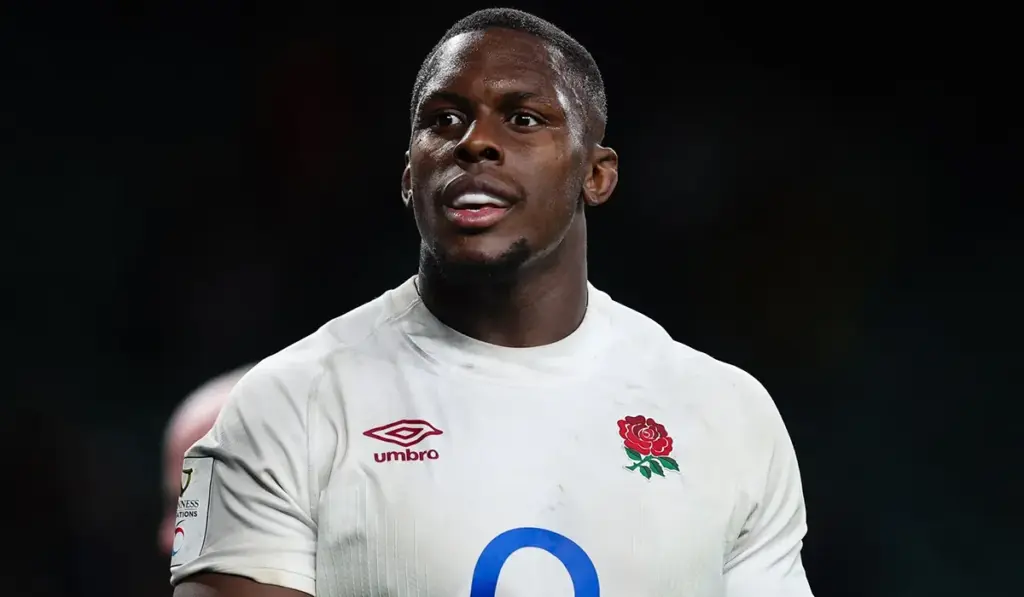
Maro Itoje, the formidable England rugby captain, is currently navigating an incredibly challenging period following the recent death of his beloved mother, Florence. The rugby community stands united in support of Itoje during this time of grief, as he journeys back to Nigeria for her funeral. Known not only for his exceptional skills on the field but also for his inspiring sports leadership, Itoje has earned respect from teammates and fans alike. His absence from critical matches this season highlights the importance of personal loss and the need for grief support in sports. As England prepares for their upcoming Six Nations campaign, the focus remains on Itoje, who must take the time to heal before returning to lead his team with the vigor and dedication they know he embodies.
The story of Maro Itoje extends beyond rugby; it resonates deeply with themes of loss and resilience. As the captain of the England rugby team, he symbolizes the embodiment of strength in the face of adversity, particularly following the heartbreaking death of his mother. The challenge of managing personal grief while fulfilling professional duties is a struggle many athletes encounter, highlighting the importance of emotional well-being in competitive sports. This situation also sheds light on how teams can provide grief support, ensuring players like Itoje have the space they need to process their emotions. As the rugby community rallies around their leader, the conversation around mental health and loss in sports becomes ever more critical.
Maro Itoje: A Leader in Grief
Maro Itoje’s recent loss has placed him in a position where his leadership skills will be tested not only on the field but also in navigating the complexities of personal grief. As England’s rugby captain, he has always been viewed as a strong figure, but the loss of his mother has introduced a level of vulnerability. The news of his mother’s passing has not only saddened his teammates but also highlighted the importance of emotional support in sports leadership. Itoje’s journey through this grief is likely to resonate with many athletes who face similar personal challenges while fulfilling their professional responsibilities.
In sports, leadership often extends beyond strategy and performance; it encompasses empathy and the ability to connect with teammates on a personal level. Itoje’s handling of his mother’s death showcases how grief can impact even the strongest of leaders. His friend Jamie George’s shared sentiment reflects the notion that grief does not erase strength but, instead, allows for a deeper connection among team members. It is crucial for Itoje, as he transitions back to the rugby field, to find a balance between honoring his mother’s memory and embracing his role as a leader who can guide his team through upcoming challenges.
The Role of Support in Athletic Grief
Grief support in sports is a crucial element that has often been overlooked. The emotional turmoil athletes face in the wake of losing a loved one can significantly impact their performance and mental health. Itoje’s recent experience underscores the need for sports organizations to provide adequate support systems for their players dealing with personal losses. Whether it’s through counseling, team bonding, or simply allowing time away to process their grief, these measures can make a substantial difference in how athletes cope with their situations.
Furthermore, as Itoje prepares to return to training, it brings to light the broader conversation around mental health in sports. While the physical endurance of athletes is celebrated, their emotional well-being deserves equal attention. Sports teams fostering environments where discussions about grief and loss are open can help athletes like Itoje navigate their personal hardships while maintaining their professional commitments. In this sense, the rugby community’s reaction to Itoje’s loss serves as a timely reminder of the collective responsibility to support each other both on and off the field.
Maro Itoje’s Reflection on Loss and Leadership in Rugby Community
Maro Itoje’s heartfelt message regarding his mother’s death resonates deeply within the rugby community, illustrating the profound impact a loved one can have on a person’s life and the way they approach their roles. The England rugby captain’s acknowledgment of his mother as a guiding force reveals the intrinsic connection between personal loss and professional identity. This reflection not only highlights the emotional depth that athletes can possess but also serves as a source of inspiration for others who may be grappling with similar experiences.
In sharing his grief publicly, Itoje opens the door for conversations about emotional vulnerability in sports—a topic that is becoming increasingly important. His ability to articulate his thoughts speaks to his growth as both a person and a leader, reminding fellow athletes that it’s okay to experience pain and that vulnerability can coexist with leadership. The rugby community’s response to his loss further emphasizes the collective nature of grief, where the support from teammates becomes paramount in overcoming personal challenges.
How England Rugby Supports Team Members in Times of Grief
The approach taken by the England rugby team in supporting Maro Itoje demonstrates the value of compassion and understanding in an athlete’s career. Following his mother’s passing, the entire team, including head coach Steve Borthwick, has rallied to ensure that Itoje feels supported during this difficult time. Recognizing the importance of emotional well-being, the team’s commitment to allowing Itoje to return only when he is ready speaks volumes about their understanding of grief’s profound effect on performance and mental health.
This supportive environment not only aids Itoje but also reinforces a positive culture within the team that prioritizes the mental health of all players. Such frameworks can serve as a model for other sports organizations, exemplifying how prioritizing players’ emotional needs can lead to a more cohesive and resilient team, especially in times of adversity. Ultimately, England Rugby’s response highlights how empathy and understanding are vital components of sports leadership.
The Impact of Losing a Parent on Athletes’ Performance
The loss of a parent can be an exceptionally challenging experience for athletes, directly influencing their performance and mental state. For many, including Maro Itoje, the emotional burden can be overwhelming, raising questions about their capacity to perform at their highest level. Research in sports psychology shows that personal tragedies can lead to decreased focus and motivation, making the athlete’s return to competition more complex. However, with proper support and time to grieve, many athletes can find a way to channel their emotions into their sport.
Athletes often utilize their experiences of loss as a way to fuel their drive for success, using their grief as a source of strength rather than a hindrance. Itoje’s journey underscores this duality, indicating that while the loss of his mother is profoundly painful, it may also inspire him to strive harder in his career, both in honor of her memory and for his team. This intricate relationship between grief and athletic performance highlights the resilience required in high-performance sports, and the necessity of understanding each player’s individual journey.
Personal Reflections: Itoje’s Tribute to His Mother
Maro Itoje’s powerful tribute to his mother captures not just his profound sense of loss but also the deep emotional connection between a mother and son. In his Instagram post, Itoje reflects on how his mother influenced every part of his life, serving as a confidant and mentor. This personal narrative is a reminder of the vital role family plays in shaping an athlete’s character and resilience. By sharing his heartfelt emotions, Itoje invites fans and fellow athletes to acknowledge the critical support systems that contribute to their successes.
Moreover, Itoje’s public mourning illustrates an important shift in how athletes discuss emotional struggles. In a society where emotional vulnerability has sometimes been stigmatized, his openness provides a template for others in the sports community to express their grief. It’s a significant step toward normalizing the dialogue surrounding mental health and loss in sports. The reflections he shared not only honor his mother but also encourage others to find strength and comfort in their own tributes and memories.
Sports Leadership’s Role During Personal Crises
Athletic leadership often demands a delicate balance between personal and professional life, especially during times of crisis. Maro Itoje’s situation following his mother’s death highlights the crucial role of leadership within sports teams during personal tragedies. Effective leadership goes beyond tactical strategies; it involves providing emotional support, fostering a nurturing environment, and understanding the unique challenges players face during difficult times. Coaches and teammates, like Jamie George, who have experienced similar losses can offer invaluable support, creating a bond that reinforces team unity.
Leadership in sports is not solely about winning games; it encompasses guiding individuals through their most challenging moments. The emotional landscape of grief can alter athletes’ performance, and a supportive leader can help navigate these changes. Itoje’s situation calls upon his teammates to rally around him, promoting a culture where emotional health is maintained alongside physical performance. This approach ultimately leads to a stronger, more cohesive team, allowing players to perform at their best when it matters the most.
Looking Ahead: Maro Itoje’s Return and Recovery
As Maro Itoje prepares to return to the rugby field following his time in Nigeria, discussions surrounding his mental readiness and emotional resilience will be paramount. The England rugby team, understanding the significance of his loss, is committed to ensuring he has the time and support necessary to resume his role as captain. This transition is essential not only for Itoje’s well-being but also for the team’s dynamics as they head into crucial matches like the Six Nations. Knowing his teammates support him will be essential as he processes his loss and reintegrates into the competitive environment.
The anticipated return of Itoje highlights a journey not just back to the game but also towards healing. While competing in high-pressure situations, athletes like Itoje can channel their grief into motivation, using their experiences to fortify their resolve. His story serves as an inspiration to many in the sports world, indicating that it’s possible to find strength in vulnerability. As fans and teammates look forward to his return, Itoje’s commitment to honor his mother’s memory through his achievements underscores the profound connections that exist between personal struggles and athletic ambitions.
Frequently Asked Questions
What recent news is there about Maro Itoje and his mother?
Maro Itoje, the England rugby captain, recently faced the tragic loss of his mother, Florence, who passed away in December. He traveled to Nigeria for her funeral and has received support from both teammates and the England rugby community during this challenging time.
How is Maro Itoje being supported by his teammates after his mother’s passing?
Teammates and coaches have expressed their condolences to Maro Itoje, emphasizing the importance of taking time to grieve. Former England captain Jamie George highlighted their shared experiences with loss to reassure Itoje that he should prioritize his emotional well-being before returning to play.
What has Maro Itoje said about his mother’s influence in his life?
In a heartfelt Instagram post, Maro Itoje reflected on the significant impact his mother had on his life, describing her as his confidant and teacher. He expressed deep gratitude for her guidance and love, acknowledging that her loss has left a void in his heart and family.
Will Maro Itoje be ready for the upcoming Six Nations tournament?
Despite the tragedy, head coach Steve Borthwick is optimistic about Maro Itoje’s return for the Six Nations tournament. Itoje plans to join his teammates in Spain for a warm weather camp after attending his mother’s funeral, demonstrating his commitment to the team.
How can grief support be important in sports leadership during times of loss, such as for Maro Itoje?
Grief support in sports is crucial for leaders like Maro Itoje as it affects their performance and emotional stability. Teammates and coaches often rally to provide emotional backing, ensuring that athletes have the time to grieve and heal, which is essential for both personal well-being and team dynamics.
What lessons can be learned about sports leadership from Maro Itoje’s situation?
Maro Itoje’s situation highlights the importance of compassion and support in sports leadership. It showcases how leaders can play a pivotal role in fostering a supportive environment, particularly during personal crises, which helps maintain team cohesion and encourages open discussions about grief.
| Key Point | Details |
|---|---|
| Support for Maro Itoje | England has pledged to support captain Maro Itoje during this difficult time. |
| Death of Mother | Maro’s mother, Florence, passed away in December 2025. |
| Travel to Nigeria | Itoje went to Nigeria for his mother’s funeral, missing key matches. |
| Emotional Support | Jamie George has offered emotional support, relating his own experience of loss. |
| Return to Team | Itoje will rejoin the team after mourning and will be ready for the upcoming matches. |
| Coach’s Confidence | Head coach Steve Borthwick is confident in Itoje’s leadership ability and readiness. |
Summary
Maro Itoje is currently receiving strong support from the England rugby team following the tragic passing of his mother. This time of grief has highlighted the emotional challenges faced by athletes, and as Itoje processes his loss, he is surrounded by friends and teammates who understand the depth of his sorrow. His commitment to return to the team demonstrates his strength and dedication, and his leadership will undoubtedly inspire his teammates as they enter the upcoming tournament.