
Listen to this article
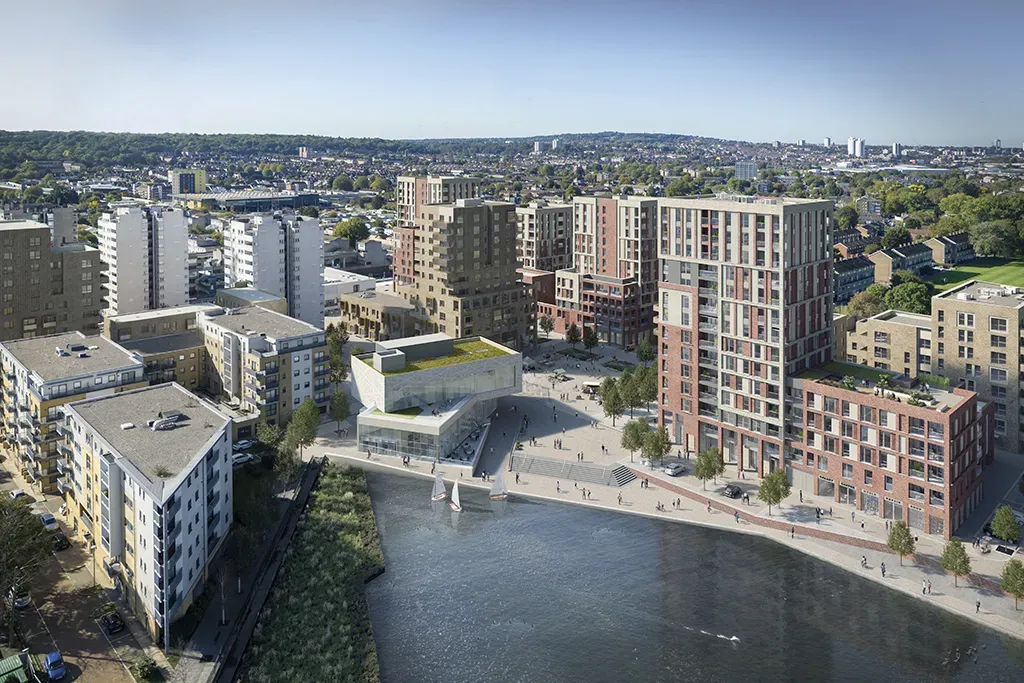
Housing development Thamesmead is set to play a pivotal role in alleviating London’s pressing housing crisis, with ambitious plans to construct 15,000 new homes on a strategic brownfield site. This extensive project, known as Thamesmead Waterfront, spearheaded by the Peabody housing project, promises to transform south-east London into an accessible and vibrant community. The recent approval of the DLR extension Thamesmead further enhances the development’s prospects, establishing crucial transportation links that will benefit residents and visitors alike. With the support of political leaders and community stakeholders, this initiative is not only focused on providing new homes in London but also aims to significantly reduce the overwhelming council housing lists. As we look forward to the anticipated approval in the spring, the future of the housing landscape in Thamesmead appears both hopeful and transformative.
The proposal for a major residential initiative in Thamesmead aims to tackle the severe housing shortage in the capital, showcasing plans for the Thamesmead Waterfront project. This venture, part of the broader efforts by Peabody, is designed to deliver thousands of residential units on previously developed land, marking a significant step against the backdrop of the ongoing London housing crisis. With the recently announced DLR extension to Thamesmead, the project is expected to enhance connectivity and encourage new opportunities for living and growth in the area. As various stakeholders rally behind this transformative plan, the conversation around innovative housing solutions in London continues to evolve, urging developers and planners to rethink the future of urban living. The alleviation of long-standing housing demands involves collaboration and strategic foresight, making initiatives like this essential for revitalizing London’s neighborhoods.
Addressing the London Housing Crisis with Thamesmead Housing Development
The housing crisis in London has reached alarming levels, leaving thousands of families in dire need of affordable homes. In response, the proposal for a large housing development in Thamesmead has emerged as a beacon of hope. This plan, which outlines the construction of 15,000 new homes on a brownfield site, aims to alleviate some pressure off the council housing lists while providing modern living spaces for Londoners. By integrating the development into the existing urban landscape, Thamesmead Waterfront is not just an initiative to build houses; it is a comprehensive solution to a complex issue affecting one of the world’s most vibrant cities.
Advocates for the Thamesmead housing development emphasize its potential to positively impact the local community. The project’s design includes vital amenities and green spaces, ensuring a balanced lifestyle for future residents. The involvement of Peabody, a reputable housing association, lends credibility and expertise to the undertaking. This initiative is expected not only to address housing shortages but also to stimulate the local economy, create job opportunities, and enhance the quality of life in Thamesmead.
Peabody and the Vision for Thamesmead Waterfront
Peabody’s plans for Thamesmead Waterfront mark a significant step forward in combating the housing crisis. With the commitment to develop a sprawling 100-hectare site, the project showcases thoughtful planning aimed at ensuring sustainable growth. The integration of affordable housing options within this development is a strategic response to the urgent need for new homes in London. As Peabody moves towards bringing these plans to fruition, the community can expect a transformative impact that revitalizes the Thamesmead area.
Additionally, the emphasis on infrastructure development, including the approval of the Docklands Light Railway (DLR) extension, is crucial in enhancing connectivity to this new housing hub. Improved transport links will not only facilitate access for residents but will also encourage further investments in the region. This kind of planning exemplifies how modern housing projects can go beyond mere construction; they can foster a sense of community and connectivity alongside innovative urban design.
The Importance of Infrastructure in Housing Development
As highlighted by local leaders, the role of infrastructure in facilitating housing development cannot be overstated. The successful implementation of the DLR extension will pave the way for ease of transport, ultimately attracting more residents to the Thamesmead area. Transport networks significantly influence housing demand, and this particular extension is set to enhance the appeal of new homes in London by making commuting more accessible. Historical challenges related to transport have hindered development in the Thamesmead area, but with recent governmental commitments, the landscape is changing.
Moreover, as John Lewis from Peabody pointed out, proper infrastructure must precede large-scale housing developments. The assurance of robust transport links is expected to build confidence among developers and prospective residents alike, creating a symbiotic relationship between housing and infrastructure. By prioritizing integrated planning efforts, Thamesmead can emerge as a model for future developments across London, demonstrating how strategic transportation improvements can enhance the viability of new urban communities.
Future Development Projects in London: A Holistic Approach
The case of Thamesmead Waterfront is part of a broader vision for more extensive urban development projects in London. As the city’s population continues to grow, projects like those at Chase Park and Crews Hill also showcase an innovative approach to addressing housing needs. By advocating for new towns, local leaders aim to meet the ambitious housing targets set forth by the Mayor of London and City Hall, emphasizing a meticulous blend of infrastructure and community planning that can be replicated across the region.
This holistic perspective underscores the necessity of accommodating the projected increase in housing demand over the next decade, estimated at 88,000 homes annually. With successful initiatives like the Thamesmead housing development at the forefront, London could not only meet its needs but also enhance the quality of urban living. Creating interconnected communities that pride themselves on accessibility, sustainability, and a high quality of life must remain at the heart of any future development strategy.
The Role of Local Governance in Housing Development
Local governance plays a pivotal role in the planning, approval, and overseeing housing developments like Thamesmead Waterfront. The involvement of representatives from the London Assembly highlights the democratic process necessary to navigate complex housing policies. Politicians, such as James Small-Edwards, have been vocal advocates for these initiatives, emphasizing their importance in reducing housing wait lists and meeting community needs. Their support can significantly influence the speed and efficacy of the development process.
Furthermore, the collaboration between local councils, community organizations, and housing associations like Peabody exhibits a unified commitment to addressing the housing crisis. Such partnerships are essential for ensuring that developments are not only completed but also meet the expectations and requirements of the communities they serve. Transparency and public engagement foster trust, which encourages political support for housing initiatives, ultimately leading to timely and successful project completions.
Transformative Effects of the DLR Extension on Communities
The approval of the DLR extension to Thamesmead is a transformative milestone that is expected to catalyze further developments in the area. By establishing direct transport links to existing infrastructure, residents can enjoy greater mobility, thereby enhancing their quality of life. This extension will not only benefit locals but also attract newcomers, which further justifies the construction of new homes in London. As accessibility improves, so too does the attractiveness of Thamesmead as a desirable location for living and working.
This extension of public transport presents an advantageous opportunity for local businesses, which can thrive with increased foot traffic and a higher population density. Shops, restaurants, and services will likely see boosted patronage, fostering a vibrant and active community. The synergy between transport and housing development illustrates the larger pattern of urban growth, where improved infrastructure directly correlates with economic and community revitalization.
Challenges Facing the Thamesmead Housing Development
Despite the optimism surrounding the Thamesmead housing development, there are challenges that must be addressed if the project is to reach its full potential. One major concern is ensuring that the new homes are affordable and accessible to diverse populations, particularly in a city grappling with socioeconomic disparities like London. Striking the right balance in housing stock that caters to various income levels is essential, as it will promote inclusion and community cohesion.
Additionally, the potential backlash from existing residents who may be concerned about changes to their neighborhoods cannot be overlooked. Engaging with the community early on, addressing their concerns, and incorporating feedback into planning and design will be crucial steps in fostering a supportive environment for the development. A transparent approach can help mitigate fears associated with gentrification and displacement, paving the way for a successful integration of new homes in Thamesmead.
Potential Economic Impacts of Thamesmead Development
The economic implications of the Thamesmead housing development are manifold, promising to create jobs and stimulate the local economy. Construction jobs, once the project receives approval, could provide significant employment opportunities for local residents, enabling them to participate in the city’s revival actively. Such initiatives are particularly vital given the recent drop in private housing starts, which has strained the job market within the construction sector.
Moreover, the influx of new residents following the completion of Thamesmead Waterfront is expected to enhance spending in local businesses, further driving economic growth. As more families move in, demand for amenities, services, and recreational activities will rise, supporting a vibrant community. Economic revitalization through thoughtful housing development illustrates how strategic planning can lay the groundwork for a flourishing urban environment, transforming Thamesmead into a hub of opportunity.
The Future of Housing Development in London: Lessons from Thamesmead
The proposed Thamesmead housing development serves as a critical case study for future housing initiatives in London. The combination of the DLR extension, community involvement, and strategic planning presents a potential blueprint for tackling similar housing challenges throughout the city. As London faces persistent pressure to accommodate its growing population, the lessons learned from this development can inform policies and practices moving forward.
In summary, Thamesmead’s approach to housing development emphasizes the importance of infrastructure, community engagement, and affordability in achieving long-term sustainability. As London seeks to redefine its approach to urban growth amidst the ongoing housing crisis, developments that prioritize these elements will likely lead the way. By turning challenges into opportunities, London can foster vibrant communities that not only meet housing needs but also ensure a high quality of life for all residents.
Frequently Asked Questions
What is the Thamesmead Waterfront housing development?
Thamesmead Waterfront is an ambitious housing development project by Peabody, aiming to construct 15,000 new homes on a 100-hectare brownfield site in south-east London. This initiative is part of a larger effort to address the London housing crisis and provide affordable living options.
How does Thamesmead Waterfront address the London housing crisis?
The Thamesmead Waterfront development directly addresses the London housing crisis by planning to create 15,000 new homes. This significant addition to the housing stock aims to reduce the number of households on council waiting lists in the capital.
What role does Peabody play in the Thamesmead housing project?
Peabody is the housing association leading the Thamesmead Waterfront project, responsible for planning and developing the new homes within this large-scale housing initiative aimed at alleviating the housing shortage in London.
When is the DLR extension to Thamesmead expected to be completed?
The DLR extension to Thamesmead has been approved by the Government, but specific completion dates have yet to be confirmed. This development is crucial for improving transport links to Thamesmead, facilitating the growth of new homes in the area.
How will the DLR extension benefit the Thamesmead housing development?
The DLR extension will provide essential transport infrastructure to Thamesmead, enhancing accessibility and making it easier for residents to commute. Improved transport links are vital for the successful development of new homes in the Thamesmead area.
What is the significance of the Thamesmead housing project’s location?
Thamesmead’s location on a brownfield site in south-east London is significant as it allows for the redevelopment of previously used land, optimizing urban space and contributing to sustainable housing solutions amid the ongoing London housing crisis.
What challenges has Thamesmead faced in its housing development plans?
Thamesmead has faced challenges including a lack of transport infrastructure, which previously hindered development. However, with the recent approval of the DLR extension, these challenges are being addressed, allowing for the new homes in the Thamesmead area to be delivered.
How many homes are planned in the Peabody Thamesmead project?
The Peabody Thamesmead project plans to deliver 15,000 new homes, which is a significant contribution toward alleviating the housing shortage facing London.
When will construction begin on the Thamesmead Waterfront development?
Construction on the Thamesmead Waterfront development is expected to begin soon after receiving the necessary approvals from local authorities and the Government. Peabody has indicated readiness to start the project as soon as approvals are finalized.
What are new towns and how do they relate to Thamesmead?
New towns are planned communities that provide a range of housing and services. Thamesmead is considered a potential new town, aiming to fulfill ambitious housing targets set by London authorities, and the Peabody project is integral to this vision.
| Key Point | Details |
|---|---|
| Housing Development Approval | Plans for 15,000 new homes in Thamesmead need political approval to tackle London’s housing crisis. |
| Project Overview | Thamesmead Waterfront developed by Peabody on a 100-hectare site selected as one of 12 finalists. |
| Political Support | The scheme is supported by politicians, calling it a ‘complete no-brainer’ for reducing council housing lists. |
| DLR Extension | Government approval for a DLR extension will improve access to Thamesmead, enhancing housing prospects. |
| Challenges in Housing Development | Decline in private housing development arises from various challenges, complicating the housing situation. |
| Infrastructure Importance | Transport links are crucial prior to development; the DLR is key to facilitating new housing. |
Summary
Housing development in Thamesmead is a critical solution to London’s ongoing housing crisis. The proposed Thamesmead Waterfront project, which aims to construct 15,000 new homes, has garnered significant support and is ready to grasp the opportunity to alleviate housing shortages in the capital. With the recent approval of the DLR extension, the necessary infrastructure is being put in place to ensure the successful delivery of this ambitious development. This initiative represents a pivotal step forward in providing much-needed housing while simultaneously enhancing transportation links in the area.