
Listen to this article
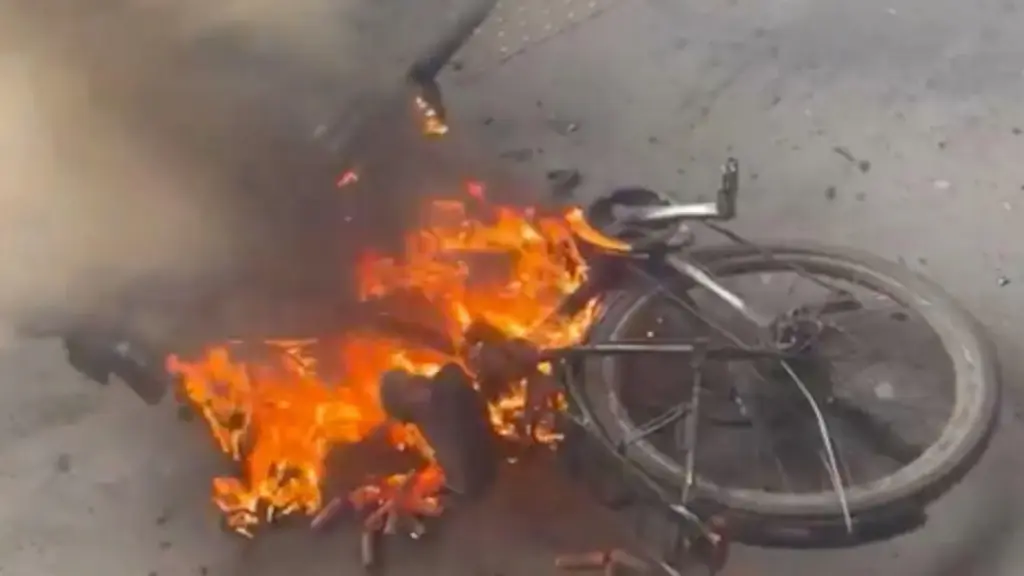
London e-bike fires have emerged as a pressing public safety concern, reaching alarming levels in recent years. In 2025 alone, the London Fire Brigade recorded a staggering 206 incidents involving e-bikes and e-scooters, highlighting the urgent need for enhanced e-bike safety measures. The rise in these fires, often attributed to faulty lithium-ion batteries, underscores the critical importance of fire safety regulations that can effectively address these hazards. As electric bikes gain popularity, understanding the implications of electric bike fire statistics becomes essential for riders and authorities alike. Improving product safety standards and raising awareness around lithium-ion battery hazards could significantly reduce the risk of devastating incidents in London.
The surge in fires linked to electric bicycles and scooters in London reflects a growing trend that raises serious safety concerns. As the city embraces greener modes of transport, the challenges posed by inadequate battery safety and substandard charging practices can’t be overlooked. It’s crucial to educate consumers about the potential dangers posed by these electrically powered vehicles, which, although beneficial for the environment, may harbor hidden fire risks. The rising incidents of e-scooter and e-bike fires signal a pressing need for stricter safety regulations and standards, particularly as battery technology continues to evolve. Addressing these issues head-on can ultimately lead to safer streets and a more responsible use of electric transportation.
Understanding the Surge in E-Bike and E-Scooter Fires in London
The recent surge in e-bike and e-scooter fires in London has alarmed safety officials, with the London Fire Brigade responding to over 200 incidents in 2025 alone. This significant increase in e-bike fires and e-scooter incidents draws attention to the potential hazards that come with these modes of transportation. The LFB’s report indicates that most of these fires can be traced back to faulty lithium-ion batteries and poorly manufactured vehicles. The ease with which riders can purchase these vehicles, often online, has compounded the problem, allowing substandard products to flood the market.
As the number of e-bikes and e-scooters continues to rise, so do the associated risks. The statistics suggest that Londoners are not only facing a higher likelihood of fire incidents but also a growing concern about the safety of these transportation methods. In light of tragic accidents that have resulted in fatalities, it is imperative that manufacturers adhere to strict safety regulations, particularly concerning battery quality and compliance with fire safety regulations. Addressing these issues is crucial for ensuring safer cycling and riding experiences across the city.
The Dangers of Lithium-Ion Batteries
Lithium-ion batteries, the power source for most e-bikes and e-scooters, have been highlighted as a primary contributor to fire hazards. Failures of these batteries can result in catastrophic events, as highlighted by survivors who compared incidents to explosions. The dangers associated with lithium-ion batteries underscore the need for improved safety standards in manufacturing and charging practices. Reports and testimonials demonstrate that malfunctioning or incompatible batteries can lead to disastrous consequences, raising awareness about battery hazards among consumers.
To mitigate these risks, advocacy groups suggest implementing mandatory third-party testing and certifications for all e-bike batteries. Stricter safety regulations could dramatically reduce the chances of fires, protecting both users and the public. Additionally, educating e-bike riders about safe charging methods and the importance of using certified products can also play a vital role in enhancing e-bike safety in London.
The Role of Regulations in E-Bike Safety
In response to the alarming rise in e-bike and e-scooter fires, regulators are under pressure to introduce more stringent safety measures. The announcement of new laws aimed at holding online marketplaces accountable for the safety of products sold on their platforms marks a significant step forward. However, the London Fire Brigade emphasizes that more work needs to be done to establish comprehensive fire safety regulations that apply to e-bikes and e-scooters, particularly regarding hazardous lithium-ion batteries and conversion kits.
Stricter regulations could lead to better quality control over e-bike components sold online, potentially limiting the number of defective products that reach consumers. There is a pressing need to close existing legal loopholes that allow for the sale of non-compliant e-bikes and unclear product safety standards. As various stakeholders push for reform, it becomes essential to prioritize the development and enforcement of robust safety legislation to protect consumers from the inherent risks associated with e-bikes and e-scooters.
Fire Statistics and What They Reveal
Fire statistics related to e-bikes and e-scooters indicate a growing trend that cannot be ignored. According to the LFB, the numbers have steadily increased, with 206 recorded fires in 2025 alone. This reflects a concerning pattern of incidents involving electric vehicles in London, emphasizing the importance of monitoring trends and addressing the root causes of such disasters. By analyzing these statistics, safety officers can better understand the circumstances leading to these fires and work on preventative measures.
The correlation between increased e-bike usage and fire incidents is alarming, showing that as more individuals take to these vehicles for transportation, the likelihood of dangerous fires also rises. Furthermore, examining these incidents helps to highlight where safety improvements are necessary, particularly in areas with high concentrations of e-scooters and e-bikes. Ensuring thorough data collection processes about fire incidents will prove invaluable in crafting strategies aimed at reducing future occurrences.
Personal Stories from Fire Survivors
Personal accounts from survivors of e-bike and e-scooter fires paint a vivid picture of the dangers associated with these vehicles. Jahmell Campbell’s harrowing experience of jumping from the first floor of his flat to escape a fire highlights the destructive nature of lithium-ion battery failures. Survivors share that the experiences were not only terrifying but life-altering, raising awareness of how quickly a regular ride can turn into a potentially life-threatening situation.
As stories like Campbell’s resonate in the community, they serve as powerful reminders of the inherent risks tied to e-bikes and e-scooters. Awareness efforts must focus on educating users about the potential hazards these vehicles pose, especially relating to faulty batteries and unsafe charging practices. By amplifying these personal stories, advocates hope to drive home the urgency of regulatory changes and the need for safer practices across the e-bike industry.
Safety Campaigns: A Call to Action
In order to combat the alarming trend of e-bike fires, organizations have begun implementing safety campaigns aimed at raising awareness among users. The London Fire Brigade launched its #ChargeSafe campaign, emphasizing the importance of using quality batteries and proper charging practices. Such initiatives are crucial for educating both consumers and businesses about the risks they face and how to avoid dangerous situations related to e-bikes and e-scooters.
In addition to campaigns, local governments and authorities are urged to develop public information strategies that outline essential safety measures. By taking action to communicate these messages, there is hope to foster a culture of safety within the growing e-bike and e-scooter community. As the number of electric vehicles continues to rise, proactive campaigns will be vital in bridging knowledge gaps and empowering users to make informed decisions.
Government and Industry Collaboration for E-Bike Safety
The complexity of e-bike safety challenges necessitates collaboration between government agencies, safety organizations, and the e-bike industry itself. Only through collective action can effective safety regulations be established that hold manufacturers accountable for their products. The dialogue between various stakeholders will be key in driving initiatives that prioritize consumer safety and compliance with stringent safety regulations.
Particularly as the e-bike industry continues to evolve, it’s essential that all parties work together to ensure that safety is not compromised for quick profits. Industry representatives also emphasize the need for developing safety assurance schemes to help educates consumers about what to look for in compliant e-bike options. Such collaborative efforts can play an instrumental role in improving overall safety across London’s e-bike and e-scooter landscape.
Online Marketplaces and the E-Bike Safety Challenge
Online marketplaces have become significant players in the e-bike business, often providing consumers with convenient access to a wide range of products. However, this convenience comes at a cost, with many lower-quality and potentially unsafe e-bikes and components available for sale. Advocates have raised concerns regarding the responsibility of these platforms for the safety of the items they sell and have called for changes that would enhance accountability for defective products.
As the landscape of e-bike sales shifts towards online platforms, consumers must remain vigilant. They should prioritize purchasing from trusted retailers and stay informed about the quality and safety standards associated with e-bike products. Increased scrutiny of online sales practices and the implementation of higher standards for e-bike and e-scooter manufacturers can contribute significantly to lowering the risk of fires and enhancing overall public safety.
Future of E-Bike and E-Scooter Regulations
The future of e-bike and e-scooter regulations holds the potential for transformative changes that could bolster public safety significantly. With ongoing discussions about enforcement and compliance, the government is under pressure to establish robust standards that prioritize consumer protection. The ultimate goal is to foster a safe environment for electric vehicle users while also encouraging the continued adoption of sustainable transportation methods.
Additionally, as advocacy groups continue to call for clearer safety guidelines, the industry must remain adaptable and ready to comply with regulations that evolve alongside emerging technologies. Enacting new laws and continually refining existing ones will help mitigate risks associated with e-bike ownership and usage. Keeping safety at the forefront of discussions regarding the future of e-bikes and e-scooters will be essential for ensuring a secure riding experience for all Londoners.
Frequently Asked Questions
What caused the recent spike in London e-bike fires?
The spike in London e-bike fires has primarily been attributed to faulty or poorly manufactured lithium-ion batteries and conversion kits, commonly sold online or second-hand. In 2025, there were 171 e-bike fires and 35 e-scooter fires reported, highlighting fire safety concerns related to these vehicles.
What are the primary safety hazards associated with London e-bikes?
The primary safety hazards associated with London e-bikes include the risks posed by faulty lithium-ion batteries, unsafe chargers, and conversion kits. These issues have led to a record number of e-bike fires in the city, emphasizing the need for stringent fire safety regulations.
How do lithium-ion battery hazards contribute to e-bike fires in London?
Lithium-ion battery hazards are a significant contributor to e-bike fires in London, with failures in these batteries often leading to explosive incidents. In 2025, the London Fire Brigade reported multiple fires stemming from battery failures, underscoring the importance of fire safety regulations for e-bikes.
What statistics are available regarding e-bike fire incidents in London?
According to the London Fire Brigade, there were a total of 206 fire incidents involving e-bikes and e-scooters in London in 2025. This alarming trend includes significant fatalities and highlights the growing concern for e-bike safety in urban settings.
What measures are recommended to enhance e-bike safety in London?
To enhance e-bike safety in London, experts recommend implementing mandatory third-party certification for lithium-ion batteries, enforcing stricter regulations on conversion kits, and holding online marketplaces accountable for the safety of products sold. Public awareness campaigns about e-bike safety are also crucial.
What roles do online marketplaces play in the safety of e-bikes and e-scooters?
Online marketplaces are increasingly being scrutinized for allowing the sale of potentially unsafe e-bikes, batteries, and conversion kits. Regulators are advocating for urgent legislation to hold these platforms accountable for ensuring product safety, as many fires have resulted from substandard products purchased online.
How can individuals minimize the risk of e-bike fires?
Individuals can minimize the risk of e-bike fires by purchasing lithium-ion batteries and conversion kits from reputable sources, avoiding modifications to e-bikes, ensuring proper charging practices, and being aware of the signs of battery damage or malfunction.
What is the London Fire Brigade doing to address e-bike fire safety?
The London Fire Brigade is actively addressing e-bike fire safety through campaigns like #ChargeSafe, aimed at raising awareness about the dangers associated with faulty batteries. They are also advocating for enhanced regulations to improve product safety and reduce the fire incidents related to e-bikes and e-scooters.
What impact do conversion kits have on e-bike fire incidents in London?
Conversion kits can significantly impact e-bike fire incidents in London, as improperly installed or substandard kits may lead to battery failures or incompatibility issues. This has been a major concern highlighted by the London Fire Brigade during their investigations into e-bike fires.
Why are firefighters responding to e-bike fires more frequently in London?
Firefighters are responding to e-bike fires more frequently in London due to the rise in incidents driven by faulty lithium-ion batteries, with an average of one fire reported every other day. This trend is alarming and emphasizes the urgent need for improved fire safety regulations.
| Key Points | Details |
|---|---|
| Record Fires | 206 incidents (171 e-bike, 35 e-scooter) recorded in 2025. |
| Fatalities | 2 deaths in 2025, totaling 5 since 2023. |
| Causes | Faulty lithium-ion batteries, often from online purchases. |
| Calls for Regulation | Urgent regulations needed for product safety and online marketplaces. |
| Notable Incident | Hither Green fire caused by exploding battery; survivor’s account likened the explosion to a grenade. |
| Areas Most Affected | Lewisham and Southwark saw the most incidents. |
Summary
London e-bike fires are at an alarming record high, with over 200 incidents reported in 2025 alone. The rising number of fires has raised serious concerns regarding safety regulations for e-bikes and e-scooters. Tragically, the fires have resulted in fatalities and serious injuries, underscoring the urgent need for stricter regulations surrounding lithium-ion batteries and their usage. Authorities are calling for enhanced product safety measures to prevent further incidents, particularly in high-risk areas. It is essential for consumers to prioritize safety by choosing reputable products and adhering to safety guidelines.