
Listen to this article
Social media addiction has emerged as a pressing concern for many, particularly among the youth, leading to significant discussions around its implications on mental health and behavioral patterns. As the trial focusing on social media addiction unfolds in California, it marks a crucial moment for the tech industry, with potential ripple effects on how companies are held accountable for the design of their platforms. The testimony from leading figures such as Mark Zuckerberg will shine a light on the role of algorithms and notifications that may contribute to addictive behaviors, challenging the longstanding protections that tech firms have enjoyed under current laws. Legal experts have warned that the outcomes of these landmark cases could redefine the relationship between users and technology companies, pushing for greater accountability within the industry. As the discussion intensifies around technology lawsuits and their impact on mental health, it is vital to understand how changes in regulation could reshape the landscape of social media usage forever.
The phenomenon often referred to as digital dependency or online compulsive behavior is increasingly drawing attention as society grapples with its ramifications. This legal battle over social media habits highlights the intersection of technology and personal well-being, emphasizing the need for a closer examination of how digital platforms affect users’ lives. Within this framework, the growing scrutiny over algorithm impact reveals a deeper need for tech industry accountability as we explore the broader implications of screen time on mental wellness. With legislative measures beginning to address these pressing concerns, communities are demanding that tech giants take responsibility for the unintended consequences of their platforms. Thus, this trial exemplifies a pivotal moment in recognizing and addressing the challenges presented by modern technology.
The Rise of Social Media Addiction in Teens
In recent years, social media addiction has become a pressing concern among mental health professionals and parents alike. With platforms like Instagram, TikTok, and Snapchat dominating the digital landscape, teenagers find themselves increasingly drawn into a constant loop of scrolling and interaction. As studies reveal, these platforms are specifically designed with algorithms that promote engagement, often leading to excessive screen time and a decline in mental well-being. Consequently, the psychological impact, including anxiety and depression, has escalated, raising alarms across various communities.
Furthermore, the repercussions of social media addiction extend beyond individual users; they reflect a broader societal issue. As adolescents grapple with their identities in an online world, the pressure to maintain a curated digital persona can lead to feelings of inadequacy. Educational institutions and mental health organizations are beginning to recognize the need for awareness and intervention strategies that address the underlying behavioral patterns associated with social media use. With this shift in understanding, it becomes crucial to foster healthier online habits among young users.
The Landmark Social Media Trial: A Turning Point
The ongoing trial involving major tech companies marks a pivotal moment in the legal accountability of social media platforms. For the first time, plaintiffs are challenging the longstanding protection under Section 230 of the Communications Decency Act, which has historically prevented companies from being liable for user-generated content. The outcome of this landmark case, where KGM alleges social media addiction has severely impacted her mental health, could set a precedent for future lawsuits and compel tech giants to reevaluate their operational protocols.
As the courtroom drama unfolds, various experts emphasize the significance of holding tech companies accountable for their product designs. The algorithms that drive engagement may inadvertently foster addictive behaviors, prompting questions about the ethical responsibilities of these corporations. The trial’s outcome may not only influence public perception but also reshape the entire tech industry landscape. A ruling against these companies could trigger a wave of lawsuits, prompting them to refine their algorithms and prioritize user safety, thus establishing a shift toward greater accountability.
Algorithm Impact on User Behavior
Algorithms play a critical role in shaping user engagement on social media platforms. Designed to increase user retention, these algorithms prioritize content that captures attention, often resulting in a feedback loop that fosters addictive tendencies. For instance, users are bombarded with targeted advertisements and notifications that provoke a compulsive need to check their devices. This constant stimulation raises important questions about the psychological effects of prolonged exposure to curated content and its relationship to mental health issues like depression and anxiety.
Moreover, the influence of algorithms extends beyond mere engagement metrics; they can cultivate dangerous habits among impressionable youth. The way content is presented can exacerbate feelings of inadequacy and anxiety, leading to a significant impact on mental health. As society continues to grapple with the ramifications of these digital experiences, there is a growing consensus that algorithm transparency and moderation are essential to mitigating the negative effects of social media addiction on users.
Tech Industry Accountability: Changing Perspectives
There is an increasing clamor for accountability within the tech industry, echoing a sense of urgency as the societal repercussions of social media addiction become more apparent. This shift is not merely a reaction to lawsuits but reflects a broader realization that tech companies must be held responsible for the design choices that lead to unhealthy user behaviors. As lawsuits like the one involving KGM unfold, they illuminate the ethical dilemmas inherent in prioritizing profit over user welfare.
Critics argue that the tech industry has long enjoyed a lenient regulatory environment, allowing it to operate with little oversight. The growing trend of litigation suggests that this dynamic is finally changing, pushing for greater transparency and corporate responsibility. Lawmakers and advocates are rallying for clearer guidelines that not only protect consumers but also facilitate healthier interactions with technology. As awareness increases, the expectation is that tech giants will begin to adopt more ethical practices in an effort to safeguard their users.
The Intersection of Mental Health and Technology
The relationship between mental health and social media is complex, marked by a rising tide of research suggesting that excessive use can lead to negative psychological outcomes. Individuals who spend considerable time scrolling through social media feeds often report feelings of loneliness, depression, and anxiety. This is particularly evident among teenagers who, in their formative years, are highly susceptible to peer influence and validation sought through likes and shares.
Conversely, the discussion regarding mental health has prompted some social media companies to implement features aimed at promoting user well-being, such as screen time tracking and content warnings. However, critics contend that these measures are insufficient given the addictive nature of the platforms. The challenge lies in balancing user engagement with mental health considerations, necessitating a concerted effort to develop healthier digital environments. Establishing a dialogue around the impact of technology on mental health may ultimately foster more empathetic platforms.
Tech Lawsuits: The New Frontier
As the legal landscape surrounding technology evolves, an influx of lawsuits targeting social media companies poses a significant challenge for these firms. The trial featuring KGM marks the beginning of what many believe could be a new norm where tech companies are held legally accountable for the psychological harm caused by their products. As public awareness and scientific evidence regarding social media addiction proliferate, the potential for widespread litigation becomes more evident.
This emerging trend may force not only a reevaluation of existing laws but also the development of new regulations tailored to the digital age. The outcomes of these lawsuits could lead to more rigorous standards for algorithm design, advertising, and user interaction, fundamentally changing the tech landscape as we know it. Ultimately, this new frontier in technology lawsuits signals a critical juncture where accountability, ethics, and user safety will meet.
Raising Awareness about Social Media Addiction
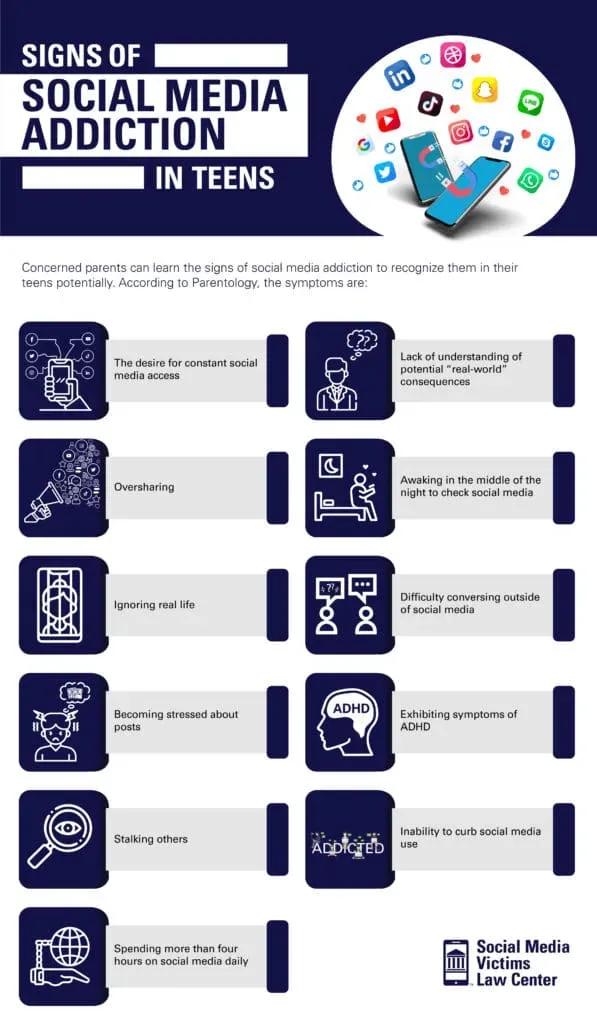
Raising awareness around social media addiction is crucial in today’s society, where digital interactions often overshadow real-life connections. Schools and communities need to initiate educational programs that address the psychological risks associated with excessive social media use, equipping young people with the tools to engage healthily and mindfully. By promoting open conversations about the defining hallmarks of addiction, families can foster environments that encourage healthier relationships with technology.
Furthermore, parents and guardians play an essential role in monitoring and guiding their children’s social media habits. Awareness campaigns can empower them to recognize signs of addiction and mental health distress, facilitating early intervention. Encouraging balance, digital detoxes, and prioritizing face-to-face interactions can help mitigate the adverse effects of social media, ultimately leading to more fulfilling lives for younger generations.
The Role of Legislation in Mitigating Social Media Risks
Legislation is increasingly seen as a vital measure in addressing the risks posed by social media platforms. In light of trials like the one concerning KGM, there is a growing call among policymakers for stricter regulations that govern how social media companies operate. The introduction of laws aimed at protecting minors from addictive features and promoting transparency in algorithm design could serve as critical turning points in the fight against social media addiction.
As awareness of the detrimental effects of social media on mental health grows, legislators must consider innovative approaches to safeguard vulnerable populations. Countries like Australia and the UK are taking proactive steps to enact stricter social media guidelines, setting a precedent for others to follow. Ultimately, comprehensive legislation could lead to a safer online environment, fostering a shift toward responsibility and respect for users’ well-being.
Future Implications for the Tech Industry
The outcomes of the current social media trial could have far-reaching implications for the tech industry and its operational practices. If the jury sides with the plaintiff, it may signal the beginning of a new era where user safety emerges as a paramount consideration in technological design. Companies may need to shift their focus from profit-driven algorithms to frameworks that prioritize mental well-being, leading to innovative solutions that support positive user experiences.
Moreover, the burgeoning awareness of social media addiction and its implications for mental health may encourage a rethink of the core business models that underpin the tech industry. As users demand more ethical practices and transparency, tech companies could be compelled to adopt practices that foster greater accountability. This potential evolution represents an opportunity for the industry to reshape its legacy and contribute positively to society’s mental health landscape.
Frequently Asked Questions
What is social media addiction and how does it affect mental health?
Social media addiction refers to excessive use of social media platforms that leads to detrimental effects on an individual’s mental health. Symptoms may include anxiety, depression, and social withdrawal. Research has shown that constant engagement with addictive algorithms, designed to capture users’ attention, can exacerbate these mental health conditions.
How are tech giants being held accountable for social media addiction?
Tech giants are facing accountability through landmark lawsuits that challenge their responsibility in creating addictive social media platforms. The ongoing social media trial aims to establish a precedent by holding companies like Meta and TikTok liable for the negative mental health impacts associated with their addictive algorithms and user engagement tactics.
What strategies are being discussed to mitigate the effects of social media addiction?
Legal experts suggest that new regulations may be needed to address social media addiction, including accountability measures for tech companies regarding their algorithm design. Strategies discussed include enhancing user education about mental health and implementing features that reduce dependence on addictive algorithms.
What role do algorithms play in social media addiction?
Algorithms are central to social media addiction as they are designed to maximize user engagement by curating content that keeps users scrolling. These algorithms can lead to compulsive usage patterns and contribute to mental health issues, as highlighted in various lawsuits against major social media companies.
How has social media addiction influenced recent technology lawsuits?
Recent technology lawsuits have increasingly focused on social media addiction, arguing that the design choices made by tech companies regarding their platforms’ algorithms and notifications contribute to harmful user behaviors. The outcomes of these cases could redefine the boundaries of tech industry accountability.
Can social media addiction lead to physical health issues?
Yes, social media addiction can lead to physical health issues as it may promote sedentary behavior, disrupt sleep patterns and contribute to poor diet choices. Lawyers in current trials argue that the mental health repercussions can ultimately cascade into physical health concerns, emphasizing the need for social media accountability.
What evidence is being presented against social media companies in addiction trials?
Evidence in social media addiction trials may include internal documents from tech companies that indicate awareness of the harmful effects of their algorithms, testimonies from affected individuals, and expert analysis linking social media use with increased rates of mental health issues in young users.
What implications does the social media addiction trial have for the future of the tech industry?
The implications of the social media addiction trial are significant as it could shift the legal framework surrounding tech companies’ accountability. A ruling against major firms like Meta and TikTok might lead to stricter regulations and increased scrutiny over the design of social media platforms aimed at curbing addictive behaviors.
| Key Point | Details |
|---|---|
| Landmark Trial | Top tech executives testify in a significant trial regarding social media addiction. |
| Plaintiff’s Allegations | KGM, a 19-year-old, claims social media algorithms fostered her addiction and adversely affected her mental health. |
| Defendants | Meta (Instagram, Facebook), ByteDance (TikTok), and Google (YouTube); Snapchat settled previously. |
| Implications for Tech Firms | The outcome may alter the legal landscape and hold social media companies accountable for their design choices. |
| Section 230 Defense | Tech companies typically invoke Section 230 to avoid liability for user content; this trial questions that. |
| Evidence and Testimonies | Evidence includes internal documents from companies; Mark Zuckerberg will testify. |
| Global Scrutiny | Increasing scrutiny from families, schools, and governments concerning youth mental health impacts. |
| Changing Perceptions | There is a growing recognition of the harms of social media, with potential regulatory changes. |
Summary
Social media addiction is at the forefront of a landmark trial beginning in California, showcasing the potential impact of tech companies’ design choices on mental health. As various stakeholders scrutinize the role of social media in fostering addiction and mental health issues, this case could signal a shift in accountability for tech giants. The outcome may pave the way for more rigorous legal standards, reflecting societal concerns over the risks associated with social media usage.

