
Listen to this article
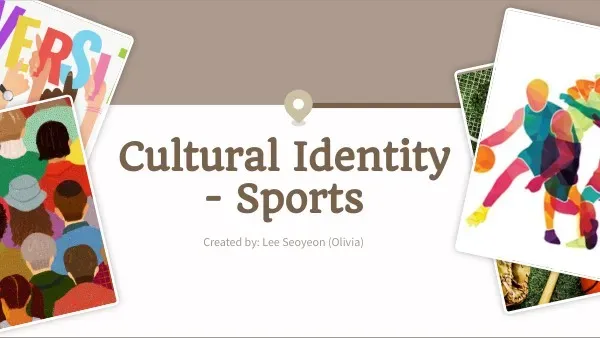
The role of athletics in cultural identity is profound and multifaceted, serving as a dynamic expression of community and individual pride. In countless societies around the globe, sports and culture intertwine, creating a unique tapestry that reflects shared values and history. As iconic events like the Olympic Games and FIFA World Cup unfold, the world witnesses the unifying power of sports, where athletes become ambassadors of their nations, embodying the essence of their cultural backgrounds. Through athletics, communities not only celebrate their heritage but also foster bonds that transcend geographical and social divides. This exploration delves into how athletics shapes cultural identity, strengthens communities, and impacts society at large, emphasizing the global sports impact on cultural connections.
Athletics play a crucial role in defining the essence of community identity, serving as a vibrant platform where individuals celebrate their heritage and shared experiences. In essence, the interplay of sports and communal values influences various aspects of society, illustrating how competitions reinforce social bonds. Major sporting events serve as significant cultural milestones, uniting diverse demographics under a common goal and fostering an environment of camaraderie. Through participation in sports, communities enhance their visibility and recognition, reinforcing the importance of cultural identity in an increasingly interconnected world. By examining the impact of sports on society, we can appreciate how athletics encapsulate the spirit of cultural expression and solidarity.
The Impact of Sports on Cultural Identity
Sports deeply influence cultural identity by acting as a reflection of shared values and beliefs within a community. They often embody the history and traditions of a group, allowing individuals to connect with their heritage through athletic performance. From local games to international competitions, sports serve as an avenue for cultural expression where traditions and unique practices are exhibited, reinforcing a sense of belonging amongst participants and spectators alike. The celebration of these events fosters pride and rejuvenates cultural narratives, making athletics a vital instrument in cultural identity formation.
In addition to exhibiting heritage, sports also bring various cultures together, creating a tapestry of shared experiences. Athletic events like the Olympics or the World Cup not only showcase sportsmanship but also highlight cultural diversity, encouraging participants to celebrate their unique backgrounds while uniting under the universal language of sports. The intertwining of different cultures during these events enriches the experience for all involved and enhances the visibility of cultural identities on a global stage.
Role of Athletics in Cultural Identity
Athletics plays a significant role in shaping and expressing cultural identity, often acting as a means for communities to celebrate their uniqueness. Through participation and support of local teams and events, individuals can create strong bonds rooted in shared values and common goals. This communal engagement promotes social cohesion and fosters an understanding of cultural variances while reinforcing pride in one’s roots. Sports often become platforms for the expression of cultural narratives that might otherwise remain unrecognized in broader discussions.
Moreover, the role of athletics extends beyond just promoting cultural identity; it serves as a medium for advocacy and recognition within society. As various sports gain popularity, they can draw attention to specific cultural practices and identities, helping to foster greater appreciation and respect among diverse populations. By highlighting the significance of culture in sports, it becomes clear how vital athletics is in shaping societal values, paving the way for progress towards inclusivity and understanding.
Exploring Community through Local Sports
Local sports act as a cornerstone for community connection, offering a space for individuals from varying backgrounds to come together. These settings unite people—whether through a neighborhood football game or a local athletics competition—encouraging friendships and social ties that transcend differences. Such participation not only fosters connections among community members but also instills pride in local efforts, promoting a sense of shared responsibility towards community growth and development.
Furthermore, local athletic events often reflect the specific cultural attributes of a community. By celebrating traditional games along with modern sports, these events serve as living museums that exhibit local history and values. The vibrant fan culture associated with local teams enhances community identity, allowing members to rally behind shared passion. Such events solidify the bonds within the community while ensuring that cultural traditions continue to thrive and evolve.
Athletics as a Tool for Societal Change
Athletics have the powerful capacity to inspire societal change, frequently highlighting critical social issues through sports platforms. Events like the Women’s World Cup have become more than just sporting competitions; they represent movements advocating for gender equality, challenging perceptions about women in athletics. By promoting female participation in sports, these events empower women across cultures, showcasing their strengths and capabilities while fostering dialogue around equality.
Moreover, sports initiatives that focus on inclusivity act as a catalyst for breaking down societal barriers. By engaging individuals from diverse backgrounds in athletic participation, these programs transcend racial, economic, and gender divides, promoting understanding and camaraderie. Thus, athletics not only provide entertainment and competition but also serve as an influential vehicle for positive societal change, fostering environments where all individuals can feel valued and respected.
Globalization and Its Effects on Sports Culture
Globalization has reshaped the landscape of sports, facilitating the exchange of cultural practices and athletic traditions across borders. As sports like football, basketball, and others gain international fan bases, new cultural interpretations emerge that enrich the global sporting experience. The blending of traditions through sports fosters a sense of unity among diverse populations, broadening cultural perspectives while retaining distinct elements from each locality.
As globalization continues to expand networks of communication and collaboration, it creates opportunities for athletes from different nations to showcase their skills on a global stage. This exposure not only promotes cultural understanding but also respects and celebrates the rich diversity embedded within athletic venues worldwide. As a result, globalization acts as both a challenge and an opportunity for the preservation of unique cultural identities in sports.
Cultural Fusion Through Athletic Traditions
The globalization of sports has led to significant cultural fusion, which manifests in the blending of athletic traditions and practices. For instance, the blend of various cultural styles in sports like martial arts or dance incorporates unique elements that reflect community heritage while showcasing a new, combined identity. This fusion illustrates how sports transcend national borders, enabling individuals to celebrate cultural diversity while engaging in athletic competition.
Moreover, as athletes travel and participate in international events, they often become ambassadors of their respective cultures, sharing their customs, values, and traditions with global audiences. This exchange not only enriches the sporting experience for spectators but also fosters connections based on shared experiences and mutual respect. Cultural fusion in sports ultimately leads to the development of a global athletic culture that honors individual heritage while promoting inclusiveness.
The Benefits of Youth Sports Programs
Youth sports programs are crucial in nurturing cultural identity and social development among younger generations. These initiatives provide children with opportunities to engage in physical activities, learn essential teamwork skills, and develop a sense of belonging within their communities. Participation in organized sports allows youth to connect with their heritage while simultaneously embracing the multicultural aspects of modern society.
Furthermore, youth sports programs encourage the cultivation of discipline, resilience, and leadership qualities among participants. These invaluable life skills translate beyond the sports field, contributing to personal growth and enhanced societal engagement. As youth develop friendships and learn the importance of collaboration, they become advocates for shared values, reinforcing the fabric of cultural identity both in their communities and beyond.
The Role of Community in Athletic Development
The role of community is paramount in the development of athletes, as local support systems nurture talent and provide motivation. Community organizations often foster environments where aspiring athletes can pursue their dreams, backed by mentors and supporters who help shape their journeys. Through local clubs and leagues, young athletes can access resources, coaching, and competition opportunities that propel their development, ultimately leading to broader achievements in sports.
Additionally, a supportive community instills pride in its athletes, encouraging them to represent their cultural backgrounds with honor. The presence of role models and community advocates amplifies this impact, demonstrating tangible pathways toward success in sports. By rallying behind local talent, communities not only contribute to the individual athlete’s growth but also create a legacy that emphasizes the significance of sport in cultural identity and societal progress.
Embracing Diversity Through Sports Engagement
Engaging with diverse sports can foster cultural understanding and bridge gaps between different communities. By participating in or supporting various athletic events, individuals can gain insights into the cultural significance of different sports, enabling appreciation for diverse backgrounds and traditions. Whether it’s through unique local practices or international competitions, sports provide a platform for cultural exchange and mutual respect among participants and spectators.
Moreover, embracing diversity through sports encourages dialogues around critical societal issues, promoting inclusivity and understanding. As athletes from varied backgrounds come together, they challenge stereotypes and build connections that transcend differences. Celebrating diversity in sports not only enhances the athletic experience but also cultivates a more inclusive society, where cultural differences are acknowledged and valued.
Frequently Asked Questions
What is the role of athletics in cultural identity?
Athletics play a crucial role in cultural identity by serving as a reflection of shared traditions, values, and social cohesion within communities. They unite individuals through common interests and foster a sense of belonging, showcasing unique heritage through various sports.
How do sports influence community and cultural identity?
Sports influence community and cultural identity by bringing people together, promoting engagement, and celebrating communal values. Local leagues and events allow individuals from diverse backgrounds to bond, reinforcing their cultural identities and fostering pride in their heritage.
What is the connection between athletics and society in terms of cultural identity?
The connection between athletics and society in terms of cultural identity lies in the way sports encapsulate societal values, traditions, and communal bonds. Through competitions and celebrations, athletics serve as a platform for national expression and cultural exchange.
How do global sports events impact cultural identity?
Global sports events, such as the Olympics or FIFA World Cup, significantly impact cultural identity by allowing nations to showcase their unique cultures, traditions, and values on an international stage, thereby fostering unity and pride among citizens.
In what ways do traditional sports contribute to cultural identity?
Traditional sports contribute to cultural identity by preserving cultural practices, showcasing local customs, and fostering community pride. They provide entertainment while acting as a vehicle for cultural heritage, particularly in the context of globalization.
How can athletics serve as tools for breaking social barriers?
Athletics can break social barriers by promoting inclusivity and participation across various demographics, such as gender and ethnicity. Initiatives aimed at encouraging marginalized groups in sports help shift perceptions and empower individuals within their cultures.
What is the cultural significance of sports in promoting national pride?
The cultural significance of sports in promoting national pride is evident during international competitions where nations rally behind their athletes, showcasing their cultural values and fostering a collective identity that transcends individual differences.
How does globalization affect the role of athletics in cultural identity?
Globalization affects the role of athletics in cultural identity by facilitating cultural exchange and fusion. As sports spread internationally, they incorporate diverse local traditions, leading to a rich tapestry of athletic expression that reflects both global and local cultures.
Can athletics help in preserving cultural identity amidst globalization?
Yes, athletics can help preserve cultural identity amidst globalization by maintaining traditional sports and rituals, enhancing community engagement, and providing a platform for cultural expression that reinforces local identities in a rapidly changing world.
How do celebrity athletes influence cultural identity and societal values?
Celebrity athletes influence cultural identity and societal values by acting as cultural icons, promoting social issues, and fostering cross-cultural dialogue. Their visibility and impact can inspire cultural pride and drive conversations about important social changes.
| Aspect | Details |
|---|---|
| Historical Context | Athletics have ancient roots, promoting cultural identity as seen in the Olympics and Panhellenic Games. |
| National Pride | Global sports events foster national pride and unity, showcasing cultural values. |
| Ethnic Identity | Traditional sports preserve regional cultures and promote community pride. |
| Community Engagement | Local sports bring people together, enhancing social connection and cultural identity. |
| Breaking Barriers | Sports can challenge societal norms and promote inclusivity, especially in gender. |
| Globalization Effects | Cultural exchange through sports creates fusion and connects global communities. |
| Celebrity Athletes | Athletes influence culture and societal issues, enhancing cross-cultural dialogue. |
Summary
The Role of Athletics in Cultural Identity is profound, revealing how sports serve as a crucial component in shaping and expressing the unique identities of individuals and communities. Throughout history, athletics have been intertwined with cultural narratives, fostering national pride, reflecting ethnic identities, and enhancing social cohesion. In today’s globalized world, athletics allow for cultural exchange, promoting mutual understanding and respect among diverse societies. As communities engage with sports, they celebrate their heritage while forming connections that foster a sense of belonging. Thus, athletics not only manifest cultural identity but also play a vital role in bridging gaps in our increasingly interconnected world.

