
Listen to this article
Dangerous text message scams have become a significant threat to individuals, especially in the UK, as fraudsters continuously innovate in their tactics. These scams often mimic legitimate organizations, leaving many vulnerable to falling victim to scam texts that promise everything from fake HMRC tax refunds to enticing cryptocurrency investments. Security experts like Mark Baars emphasize the need to be vigilant, highlighting five prevalent types of messages that one should never respond to. With the rise in targeted scams exploiting government schemes, it’s crucial to stay informed and recognize the signs to avoid falling prey to these malicious attempts. As scam warnings become increasingly urgent, understanding how to navigate these dangers can help safeguard your personal and financial information against deceitful tactics.
Fraudulent text messages are a growing concern as criminals devise clever schemes to exploit unsuspecting victims. The rise in deceptive messages claiming to represent trusted entities like banks or government agencies has made it increasingly important for individuals to remain cautious. Experts suggest that recognizing spoofed communications, particularly those involving financial assistance or investment opportunities, is vital in preventing financial losses. With warnings about these misleading texts being issued regularly, including alerts about fake refunds and investment myths, the call for public awareness has never been stronger. Protecting yourself involves not only recognizing these scams but also knowing to report them promptly to prevent others from experiencing similar threats.
Understanding Dangerous Text Message Scams
Text message scams have evolved drastically, becoming one of the most insidious forms of online fraud targeting individuals across the UK. These scams often pose as legitimate communications from trustworthy entities, luring unsuspecting victims into traps that can lead to significant financial losses. Fraudsters leverage the immediacy of text messages to create a sense of urgency, prompting individuals to respond without due diligence. Such dangerous text message scams can lead to identity theft, unwanted subscriptions, or even unauthorized transactions if victims fall prey to their deceitful tactics.
Among the various types of scams, those impersonating government programs or financial institutions are particularly worrisome. Scammers craft their messages to look credible, using logos and language similar to those of reputable organizations. It is critical for users to remain vigilant, recognizing the signs of potential scams, such as generic greetings or suspicious links. Greater awareness and understanding of these tactics is the first step individuals can take to protect themselves from becoming victims of dangerous text message scams.
Top 5 Scam Texts to Avoid
1. Government Scheme Texts: Scammers often exploit real governmental initiatives by sending bogus messages purporting to offer financial aid or grants. These texts play on the most vulnerable populations, especially during times of financial strain like a recession. If you receive such a message, it’s imperative to independently verify the legitimacy of the offer through official channels rather than relying on the information provided in the text.
2. Fake HMRC Tax Refunds: The HMRC scam texts continue to be prevalent, especially during tax seasons. Unsuspecting individuals may receive messages indicating they are eligible for a refund, coupled with a link prompting them to provide sensitive information. These scam texts capitalize on the fear of missing out on legitimate tax returns and can lead to devastating identity theft.
3. Subscription Payment Alerts: As subscriptions for various services proliferate, so do scams that exploit this trend. A sudden alert claiming an issue with a subscription payment can panic individuals into quickly providing their payment information. It’s essential to directly access your account via official websites to verify any claims instead of clicking on provided links.
4. Bank Security Warnings: Texts suggesting unusual account activity are designed to induce panic, leading individuals to reveal sensitive banking details. Always refer to your bank’s official communication channels for assistance if you receive such a message.
5. Cryptocurrency Investment Opportunities: These scams promise lucrative returns on investments, often leading users to fraudulent platforms. As a burgeoning area, cryptocurrency scams prey on the inexperience of individuals. Investing in cryptocurrency should always be done with caution and research.
UK Scam Warnings: What You Need to Know
In the UK, it is vital to remain informed about the latest scam warnings circulating through various platforms. Government bodies and financial institutions regularly issue alerts about new scams that mislead consumers. For instance, the National Cyber Security Centre often updates the public on prevalent text scams that can profoundly impact unsuspecting victims. Users must be proactive in seeking out these warnings to ensure they are not caught off guard by the latest tactics employed by scammers.
Moreover, local news outlets and consumer protection agencies regularly provide information regarding emerging scams. Regular checks on these resources can empower individuals to safeguard their personal and financial information more effectively. Staying alert, utilizing trusted resources, and educating oneself about common scams are proactive measures everyone should take.
Recognizing Scam Texts: Key Indicators
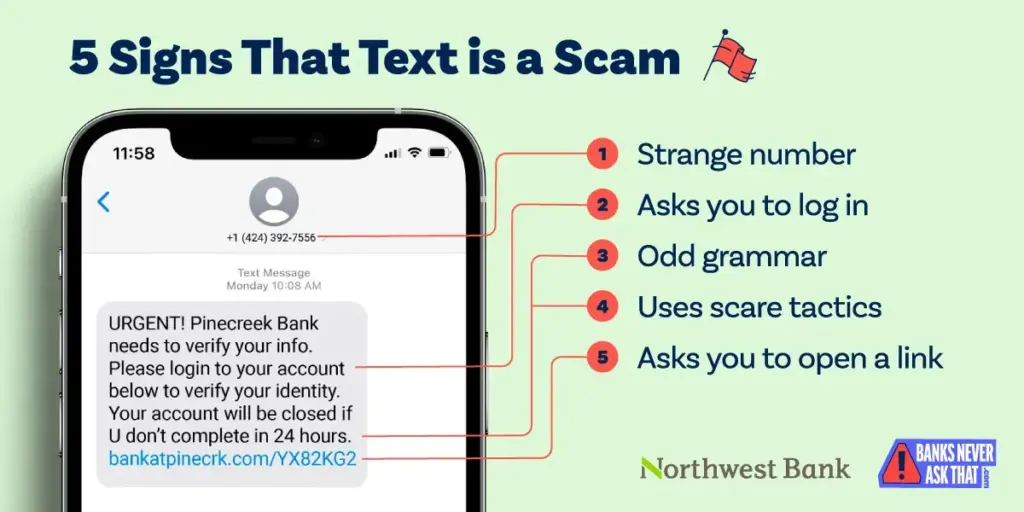
Identifying scam texts requires awareness of certain red flags that can alert individuals to potential fraud. Common indicators include poor grammar or spelling, generic greetings, and unsolicited offers. Scammers often resort to emotionally charged language that instigates a sense of urgency. By being vigilant and acknowledging these patterns, consumers can avoid falling victim to the sophisticated schemes designed to deceive them.
Another crucial aspect of recognizing scam texts is the presence of external links. If a message requests you to click a link to verify information or enter personal details, it’s likely a scam. Always avoid interacting with links from unknown sources and instead, check official websites for any account alerts or notifications.
The Rise of Cryptocurrency Scams
Cryptocurrency scams have surged in popularity, particularly with the increase in interest surrounding digital currencies. Scammers exploit this interest by presenting fraudulent investment schemes promising high returns. They might send text messages or emails claiming a need to act immediately to benefit from these so-called exclusive deals. Being informed about these risks and understanding how to recognize such scams is critical in today’s digital landscape.
Investors must conduct thorough research and only engage with services that are regulated and reputable. It’s essential to be skeptical of messages that pressure for quick investments and always seek advice from financial experts before making significant monetary commitments.
Best Practices to Protect Yourself from Text Scams
To protect yourself from text message scams, adopt best practices that include never responding to unsolicited messages. Refraining from clicking on links or downloading attachments from unknown senders can significantly diminish the risk of falling victim to scams. Use official apps or websites to check your account status instead of relying on incoming texts.
Additionally, report any scam texts to your mobile provider or relevant authorities. Early reporting can help mitigate the potential harm these scams inflict on others and facilitate the blocking of fraudulent numbers. Being proactive is key to maintaining your security against text scams.
How to Report Text Message Scams
Reporting text message scams is crucial for protecting oneself and others from falling prey to fraud. If you receive a suspicious message, the first step is to contact your mobile service provider, which often has procedures for handling fraud-related messages. Providing them with the phone number and content of the scam can help take down the fraudulent operation.
Additionally, you can report scams to organizations such as Action Fraud in the UK, which collects and assesses scam reports to help combat fraud. By reporting such scams, you’re contributing to the larger effort to educate the public and reduce the incidence of fraud.
Staying Informed About Scams
Staying informed about current scams is essential for navigating the digital world safely. Following reputable news sources and official government websites can provide ongoing updates about prevalent scams, including new methods fraudsters are using. Awareness leads to better decision-making and can help individuals avoid losses that could otherwise be easily prevented.
In addition to following news updates, consider subscribing to fraud alert services offered by banks and financial institutions. These resources can provide crucial information directly related to potential scams targeting their customers, ensuring you stay ahead of potential threats.
The Importance of Verification
Verification plays a critical role in safeguarding against text message scams. If you receive a message claiming to be from a financial institution or government body, independently verify its legitimacy by using official contact channels. This could involve calling a known number or logging into accounts through secure websites rather than through provided links.
By establishing a habit of verification, individuals can significantly lower the chances of being misled by malicious texts. Scammers often rely on human error and urgency to strike, but taking a moment to confirm can save significant distress and financial loss.
Frequently Asked Questions
What are some common dangerous text message scams to be aware of?
Dangerous text message scams include government scheme texts, fake HMRC tax refunds, subscription payment alerts, bank security warnings, and cryptocurrency investment scams. It’s crucial to avoid replying to any suspicious texts and verify offers independently.
How can I spot a fake HMRC tax refund text message?
Fake HMRC tax refund texts usually contain urgent messages about refunds or tax issues. Always check directly with HMRC through official channels, as these scam texts often lead to phishing sites or requests for personal information.
What should I do if I receive a text about cryptocurrency investment opportunities?
If you receive a text about cryptocurrency investments, treat it with caution as it’s likely a scam. Verify any investment offers through legitimate financial services and avoid sharing personal or financial information through unsolicited messages.
Are there specific scam texts related to government schemes I should avoid?
Yes, texts claiming to offer government-supported grants or energy efficiency schemes are often scams. Always research these initiatives independently and avoid clicking on links from text messages claiming to represent these programs.
How can I protect myself from bank security warning scams?
Beware of bank security warning texts that claim suspicious activity. Instead of reacting immediately, contact your bank directly through official phone numbers or websites to verify any alerts you receive.
What steps should I take if I accidentally replied to a dangerous text message scam?
If you accidentally replied to a dangerous text message scam, immediately stop all communication and do not engage further. Change your passwords, monitor your bank accounts for unusual activity, and consider reporting the scam to your local authorities.
What do I need to know about subscription payment alert scams?
Subscription payment alert scams use urgency to trick you into providing financial information or clicking malicious links. Always verify any payment issues directly through your subscription service’s official website.
| Scam Type | Description | Advice |
|---|---|---|
| Government Scheme Texts | Scams offering free grants linked to actual government programs. | Verify any offers independently before responding. |
| Fake HMRC Tax Refunds | Messages claiming you have a tax refund due, especially around deadlines. | Treat these as scams and contact HMRC directly. |
| Subscription Payment Alerts | Notifications about subscription payments that could lead to phishing sites. | Check your subscriptions through your account, not through links in texts. |
| Bank Security Warnings | Texts indicating suspicious activity on your account designed to provoke panic. | Always contact your bank directly via official channels instead of responding. |
| Cryptocurrency Investment Opportunities | Messages promoting risky investment schemes in cryptocurrency. | Be cautious and do thorough research before considering any investments. |
Summary
Dangerous text message scams are on the rise, preying on unsuspecting victims by mimicking legitimate organizations and urgent matters. This alarming trend highlights the necessity of being vigilant and informed. Understanding the common types of scams—like government scheme texts, fake HMRC refund alerts, subscription payment notifications, bank security warnings, and cryptocurrency investments—can help people identify potential threats. To protect yourself, always verify messages through official channels and avoid replying to suspicious texts. By taking these precautions, you can safeguard your personal information and financial assets against these manipulative tactics.