Listen to this article
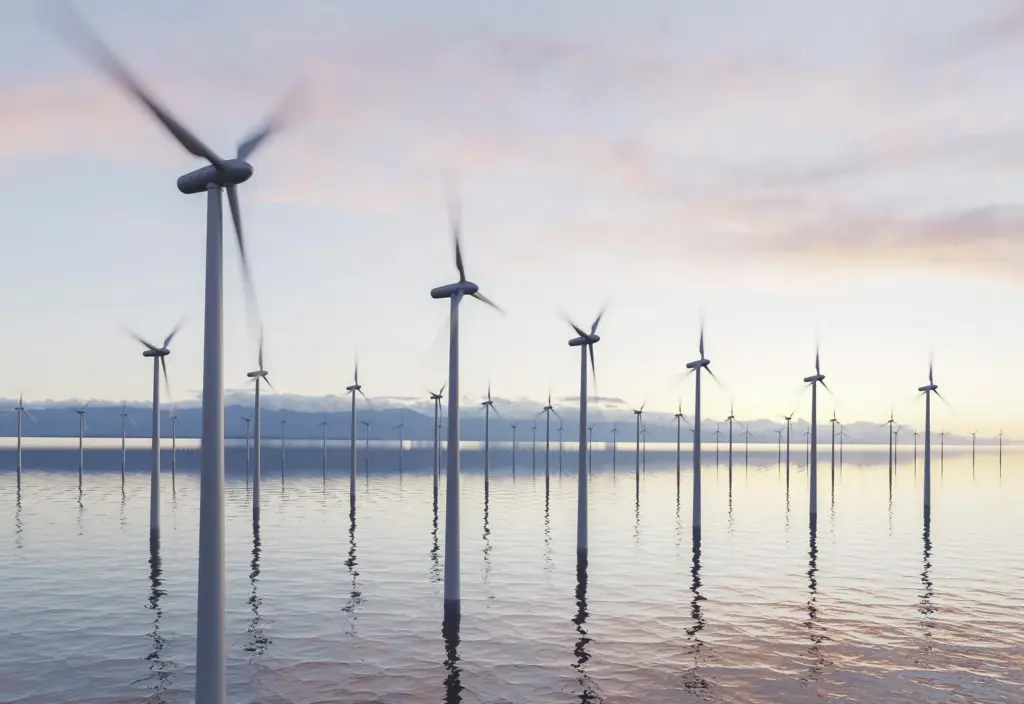
Offshore wind projects are revolutionizing the landscape of renewable energy in the UK, particularly in the North Sea, where a new fleet of wind farms is set to emerge. This collaborative effort involves nine European nations, including Germany, the Netherlands, and Norway, aiming to strengthen energy security while transitioning from fossil fuels. As these offshore renewable energy initiatives unfold, undersea interconnectors will link countries, potentially lowering energy prices for consumers. However, experts express concerns about the possibility of electricity being sold to the highest bidder, which could escalate prices during low supply periods. Ultimately, this ambitious agreement champions European energy collaboration, paving the way for a sustainable and cost-effective energy future.
Utilizing coastal wind farms presents an exciting opportunity for enhancing the region’s green energy capabilities. The burgeoning field of maritime energy generation is positioned to create a network of interconnected nations, all working together to ensure stable and affordable electricity. By harnessing powerful gusts in offshore locations, these initiatives are set to transform energy dynamics across Europe. The strategic partnerships established between countries not only support an ecological shift but also promise to boost the efficiency and security of power supplies. As the continent navigates the complexities of climate change, the pursuit of alternative energy solutions like offshore wind will be pivotal in shaping a resilient energy landscape.
The Future of Offshore Wind Projects in the North Sea
The UK’s commitment to a robust fleet of offshore wind projects in the North Sea marks a pivotal step in redefining its energy strategy. Collaborating with nine European nations, including prominent players like Norway and Germany, this initiative signifies an unprecedented move towards renewable energy reliance. These offshore wind projects are not only instrumental in combatting climate change but also in enhancing energy security across the region. By aiming to harness 300 gigawatts of power by 2050, the effort seeks to mitigate the UK’s dependency on volatile fossil fuel markets, often referred to as the ‘fossil fuel rollercoaster.’ Through this partnership, the North Sea is set to become a renewable energy powerhouse within the European energy landscape.
As the project progresses, the integration of undersea interconnectors will play a vital role in connecting these wind farms to multiple countries. This network is expected to lower electricity prices by allowing surplus energy to be shared across borders, optimizing the availability of offshore renewable energy. However, the success of these interconnections hinges on effective regulation and management to prevent price fluctuations and ensure that citizens benefit from affordable energy. The proactive measures by governments tie into the broader goals of achieving energy independence and stability throughout the North Sea, addressing both economic and environmental concerns.
Strengthening Energy Security through European Collaboration
Energy security in the UK is increasingly tied to collaborative efforts with neighboring European countries, particularly through the development of offshore wind farms. The strategic alliances formed with nations like Germany, Norway, and the Netherlands emphasize the importance of collective action in addressing energy needs. By collectively investing in infrastructure such as undersea interconnectors, the participating countries aim to reduce overall energy costs and enhance supply reliability, which is critical for the UK’s energy security. The European energy collaboration facilitated by these initiatives not only strengthens the UK’s domestic energy landscape but also fosters economic resilience in a challenging climate.
However, the potential downsides of these interconnectors have raised concerns among policymakers. Critics warn that linking energy markets could lead to operators prioritizing profit maximization over national interests, resulting in unstable prices for consumers. The debate surrounding this issue showcases the complexities of energy security, emphasizing the need for careful planning and regulation to balance market dynamics with the responsibility of providing consistent and affordable energy. The ongoing discussions at international summits involving NATO and the European Commission further highlight the commitment to addressing potential vulnerabilities in offshore energy infrastructure.
The Role of Undersea Interconnectors in Renewable Energy Distribution
Undersea interconnectors are set to revolutionize the way electricity is distributed across Europe, particularly by facilitating the transfer of offshore renewable energy. These cables will connect wind farms in the North Sea to multiple national grids, effectively allowing countries to share surplus energy generated during optimal conditions. This interconnected network has the potential to stabilize energy prices and ensure a steady supply, especially during times of increased demand or limited local production. The integration of such infrastructure is seen as a fundamental step toward achieving a sustainable energy future in the UK and beyond.
Despite the benefits, the implementation of interconnectors has sparked controversy, particularly in regions like Norway. Concerns about domestic energy supplies being compromised in favor of exporting to other countries have raised significant debates about energy sovereignty. To counter these concerns, stricter regulations have been proposed to limit exports during times of domestic energy shortages. Ensuring that local consumers have continuous access to energy resources is critical, particularly as the landscape of renewable energy evolves, and nations like the UK seek to lead in offshore wind energy.
Confronting Challenges in Offshore Wind Energy Expansion
The rapid expansion of offshore wind projects is not without its challenges, particularly concerning the potential financial implications for consumers. Critics, including opposition party members, argue that the push to develop wind farms at an accelerated pace may inadvertently result in higher energy bills. As new contracts are awarded and projects ramp up, striking a balance between innovation and cost-effectiveness becomes essential. This tension raises questions about the sustainability of the UK’s energy strategy and whether it will genuinely deliver on its promises of lower electricity costs and enhanced energy security.
Moreover, public sentiment and political discourse surrounding offshore wind farms will continue to play a significant role in shaping future policies. As stakeholders engage in discussions about the transition to renewable energy, it is crucial to address concerns about the economic impact on households. Transparent communication and collaboration among government agencies, industry leaders, and the communities they serve will be key in navigating these complex challenges while maintaining momentum towards a greener energy landscape.
The Economic Impact of Offshore Wind Farms on Local Communities
Offshore wind farms present significant economic opportunities for local communities, particularly in areas around the North Sea. By investing in these renewable energy projects, not only does the UK benefit from enhanced energy security, but it also cultivates job creation and economic growth. The expansion of this sector is projected to foster innovations and attract investments, with potential benefits including increased employment in manufacturing, maintenance, and operational roles within the renewable energy industry. Investing in such sustainable energy initiatives aligns with the objectives of promoting green job creation while addressing the pressing challenges of climate change.
However, to maximize these benefits, local communities must play an active role in the planning and implementation of offshore wind projects. Engagement and consultation with residents, businesses, and stakeholders can help ensure that the interests of those living in proximity to these developments are considered. By prioritizing community input, the government can facilitate not only a smoother transition to renewable energy but also ensure that economic growth is inclusive and far-reaching, granting residents the chance to benefit directly from their region’s investment in offshore wind energy.
Environmental Considerations in Offshore Wind Development
While offshore wind energy represents a cleaner alternative to fossil fuels, its development raises various environmental considerations that must be carefully weighed. The construction and operation of offshore wind farms can impact marine ecosystems, necessitating thorough environmental assessments prior to project initiation. Respecting biodiversity and minimizing disruption to marine habitats is essential, and developers often implement mitigation strategies to minimize potential adverse effects on marine life. By addressing these environmental challenges, the offshore wind sector can demonstrate its commitment to sustainability while meeting the growing demand for renewable energy.
Additionally, the shift towards offshore renewable energy underscores the need for sustainable practices across the entire development process, from construction to decommissioning. Efforts to incorporate green methodologies and technologies will be vital in reducing the environmental footprint of these projects. By marrying renewable energy expansion with eco-friendly practices, stakeholders can work together to ensure that the transition to a low-carbon economy proceeds in harmony with the preservation of natural resources.
Innovations Driving Offshore Wind Energy Forward
The future of offshore wind energy is driven by continuous innovations aimed at enhancing efficiency and reducing costs. Advances in turbine technology, such as larger and more powerful models, are revolutionizing energy output, making it more feasible to harness wind energy over vast ocean areas. These innovations not only boost energy generation capacity but also contribute to the overall economic viability of offshore wind projects. As developers seek to optimize performance, a focus on research and development will be critical to ensuring the UK maintains its position as a leader in this sector.
Moreover, leveraging digital technologies such as data analytics and artificial intelligence can streamline operations, improving maintenance schedules and energy forecasting. By utilizing cutting-edge technology, operators can enhance the reliability and efficiency of offshore wind farms, thus providing a secure energy supply while potentially lowering costs for consumers. Embracing such innovations is key to transforming the landscape of offshore renewable energy and fostering a competitive edge in the rapidly evolving global energy market.
Navigating Political and Economic Factors in Renewable Energy Policies
Navigating the political landscape surrounding offshore wind energy is essential for constructing effective renewable energy policies. As various political factions express differing views on the speed and scale of wind farm development, it is crucial to find a consensus that addresses the economic realities faced by consumers. The government’s plans to deploy offshore wind must consider the broader implications for energy prices and bills, especially in a context where many households feel the pinch of rising energy costs. Politicians must balance the desire for rapid expansion against the need for affordability and fairness in energy provision.
Additionally, economic factors such as investment opportunities and the viability of funding for renewable energy projects will significantly influence the path forward. Debates surrounding public and private financing mechanisms highlight the importance of establishing a financial framework that supports sustainable growth while mitigating risks for investors. By prioritizing robust economic strategies alongside renewable energy goals, policymakers can create an environment conducive to long-term growth, ensuring that the transition towards sustainable offshore wind energy remains feasible and beneficial for all stakeholders.
Frequently Asked Questions
What impact will offshore wind projects have on energy security in the UK?
Offshore wind projects are expected to significantly enhance energy security in the UK by diversifying energy sources and reducing reliance on fossil fuels. By collaborating with other European countries, these projects will provide a stable and renewable energy supply, mitigating the volatility associated with fossil fuel prices.
How do undersea interconnectors benefit offshore wind projects in the North Sea?
Undersea interconnectors allow offshore wind projects to connect multiple countries, facilitating the sharing of electricity. This interconnectedness can lead to lower energy prices and increased stability, as surplus energy generated during off-peak periods in one country can be transmitted cheaply to another.
What are the potential drawbacks of offshore wind projects and undersea interconnectors?
While offshore wind projects can lower prices, there are concerns that operators might sell electricity to the highest bidder, potentially driving up prices during low supply periods. Additionally, the rush to build new wind farms may inadvertently increase energy bills if not managed properly.
How does the UK plan to collaborate with European nations on offshore renewable energy?
The UK plans to collaborate with nine other European nations, including Norway, Germany, and the Netherlands, on offshore renewable energy projects in the North Sea. This collaboration aims to develop a substantial fleet of wind farms and enhance energy security across the region.
What is the target capacity for offshore wind development in the North Sea?
The North Sea countries have pledged to develop 300 gigawatts (GW) of offshore wind capacity, reinforcing their commitment to renewable energy and positioning Europe as a leader in the offshore wind sector.
What role do NATO and the European Commission play in offshore wind projects?
NATO and the European Commission are involved in discussions surrounding offshore wind projects to enhance the security of energy infrastructure. Their participation highlights the importance of safeguarding this renewable energy sector amid rising concerns about sabotage and maritime safety.
How does the UK’s offshore wind capacity compare to global figures?
Currently, the UK has nearly 16 GW of operational offshore wind capacity, making it the second-largest offshore wind producer globally after China, which leads with 43 GW. The UK government has also awarded contracts for an additional 20 GW, signaling strong growth in offshore renewables.
What are the opinions of different political parties regarding offshore wind projects?
Political opinions on offshore wind projects vary; while the Liberal Democrats and Greens support the expansion of renewables to combat climate change, the Conservatives criticize high costs, and the SNP and Plaid Cymru advocate for regional control over energy resources despite backing offshore wind growth.
| Key Points | Details |
|---|---|
| Collaboration with European Nations | The UK is teaming up with nine other European countries like Norway, Germany, and the Netherlands for offshore wind projects. |
| Energy Security | This agreement aims to provide an alternative to fossil fuels, enhancing energy security. |
| Undersea Cables (Interconnectors) | New wind farms will connect countries through interconnectors, potentially lowering prices. |
| Concerns Regarding Pricing | There are fears that cross-border electricity sales could increase prices during low supply. |
| Completion Target | Energy Secretary Ed Miliband is set to declare the commitment to complete projects by 2050. |
| Mixed Responses | While industry leaders see cost reduction, some critics warn rapid development might increase bills. |
| Existing Infrastructure | UK already has 10 undersea cables linking its electricity grid to Europe. |
| Future Plans | North Sea countries pledge to develop 300 GW of offshore wind capacity. |
| Global Comparison | China leads with 43 GW, the UK has nearly 16 GW operational and contracts for an additional 20 GW. |
Summary
Offshore wind projects are a critical step in the UK’s transition towards sustainable energy and greater energy security. By collaborating with European nations and establishing a robust network of interconnectors, these initiatives promise to provide a reliable and cleaner alternative to fossil fuels. Despite the challenges and concerns raised about pricing and energy supply, the UK is committed to enhancing its offshore wind capacities significantly by 2050. This strategic move not only positions the UK as a leader in renewable energy but also contributes to Europe’s collective goals in combating climate change and fostering economic growth.