
Listen to this article
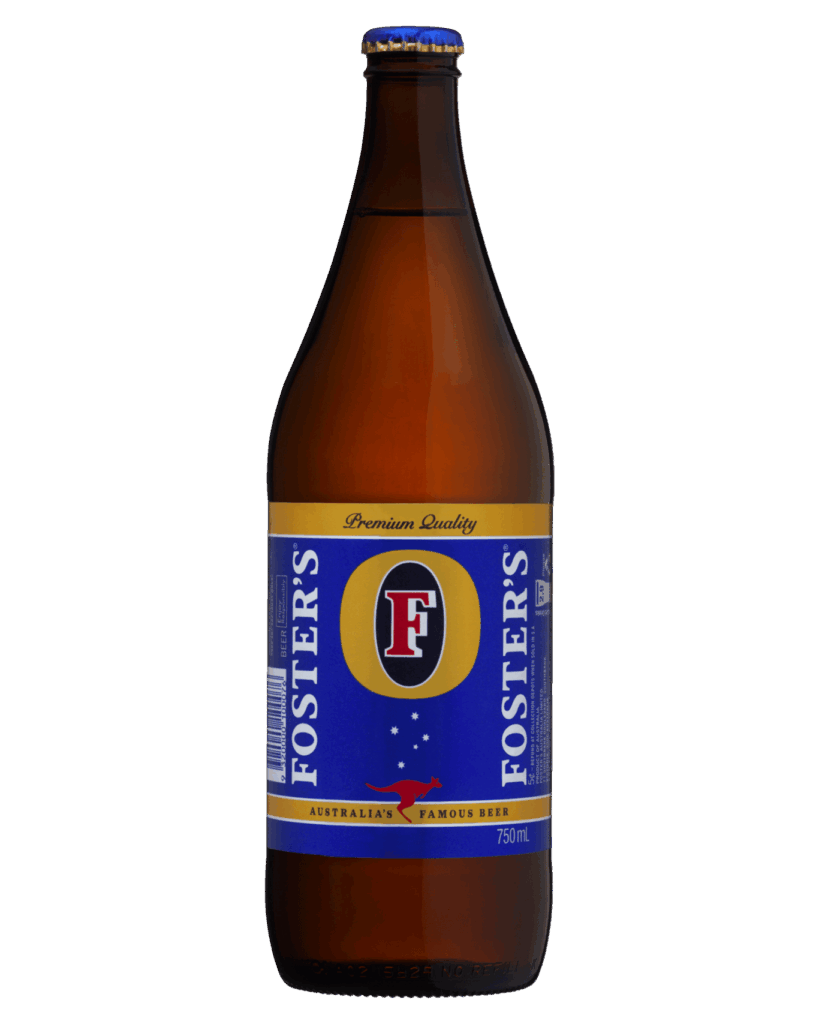
In response to changing consumer preferences, Foster’s Lager alcohol reduction is set to take effect next February, with the Alcohol By Volume (ABV) dropping from its current 3.7% to 3.4%. This significant adjustment by Heineken UK follows a notable decline in sales, as more drinkers gravitate towards lower ABV beers in their quest for healthier drinking habits. The decision not only aims to align with the evolving trends in UK lager news but also to provide a more competitive pricing strategy in the face of inflation. Moreover, Heineken’s sales strategies indicate a commitment to maintaining the crisp and refreshing taste that Foster’s is renowned for, despite the reduction in alcohol content. As the beer industry shifts, this move could redefine how iconic brands adapt to meet consumer demands without sacrificing their essence.
Recently, Heineken UK announced a pivotal decision to tweak the formula of their well-loved lager, reducing its alcohol content to cater to contemporary drinking trends. This adjustment, aimed at enhancing the appeal of the beverage in a market increasingly leaning towards lower-alcohol options, speaks volumes about the transformation in consumer habits. By lowering the ABV of Foster’s Lager, the company is not only responding to a demand for healthier drinking choices but also strategically positioning themselves within the UK’s competitive lager sector. This trend reflects a broader movement in the beverage industry as brands explore innovative ways to meet the expectations of health-conscious customers. As Heineken adapts its flagship product, it sets the stage for an important conversation about the future of refreshment in the world of beers.
The Shift Towards Healthier Drinking Choices
In recent years, there has been a distinct shift in consumer preferences towards healthier drinking habits. More individuals are opting for beverages with lower alcohol content as part of their lifestyle choices, influenced by a growing awareness of the impact of alcohol on health. This trend is particularly prevalent among younger demographics who are more health-conscious and prioritize well-being. Consequently, lower ABV beers have gained popularity, creating a substantial market for products that meet this demand.
Brands like Foster’s Lager, under the Heineken UK umbrella, have recognized the necessity to adapt to these evolving preferences. The decision to reduce the ABV from 3.7% to 3.4% not only aligns with health trends but also positions Foster’s competitively within the market. While this move has sparked a mix of opinions among loyal consumers, the overarching goal is to offer a product that resonates with the current generation’s ethos of moderation and healthier living.
Frequently Asked Questions
What is the new alcohol content of Foster’s Lager after the reduction?
The alcohol content of Foster’s Lager is being reduced from 3.7% ABV to 3.4% ABV. This change reflects Heineken UK’s response to shifting consumer preferences towards lower ABV beers.
Why is Foster’s Lager reducing its alcohol content?
Foster’s Lager is reducing its alcohol content to adapt to changing drinking habits among consumers, who are increasingly opting for drinks with lower ABV as part of healthier drinking habits. Heineken UK aims to offer a competitively priced classic lager while promoting responsible consumption.
How will the reduction in ABV affect the taste of Foster’s Lager?
Heineken UK has stated that the reduction in the ABV of Foster’s Lager will not compromise its flavor. The brand’s master brewers have worked to ensure that the taste remains crisp, balanced, and refreshing, despite the lower alcohol content.
What implications does Foster’s Lager’s alcohol reduction have for UK lager news?
Foster’s Lager’s alcohol reduction is significant in UK lager news as it marks a shift within the industry towards lower ABV options. This move reflects a broader trend among brands responding to consumer demands for healthier drinking choices.
How does the reduction of Foster’s Lager’s ABV align with Heineken’s sales strategies?
The reduction of Foster’s Lager’s ABV aligns with Heineken’s sales strategies by appealing to consumers seeking lower alcohol beers and allowing for better pricing in pubs. This strategy aims to enhance sales amid rising costs associated with inflation and new alcohol duties.
What can consumers expect from Foster’s Lager after the alcohol reduction?
Consumers can expect Foster’s Lager to maintain its signature taste and experience even after the alcohol reduction. Heineken assures that extensive testing has been conducted to ensure the beverage remains enjoyable while supporting healthier drinking habits.
When will the lower ABV Foster’s Lager be available?
The lower ABV version of Foster’s Lager will be available starting in February next year, transitioning from its current 3.7% ABV down to 3.4% ABV.
Will other brands also reduce their ABV like Foster’s Lager?
Yes, the trend of reducing ABV is not unique to Foster’s Lager. Other brands, such as Sol, have also lowered their ABV in line with market demands for lower alcohol beers, showcasing a broader movement within the beverage industry.
| Key Point | Details |
|---|---|
| Reduced Alcohol Content | Foster’s Lager’s ABV will decrease from 3.7% to 3.4%, following a previous reduction from 4% to 3.7% in January 2023. |
| Consumer Trends | Heineken UK recognized changing drinking habits with consumers preferring lower ABV drinks for a healthier lifestyle. |
| Pricing Strategy | The lower ABV allows for better pricing options, despite a planned price increase of 2.97% for draught products. |
| Taste and Quality Assurance | Heineken assured that the taste and experience of Foster’s will remain unchanged after ‘extensive consumer testing’. |
| Market Positioning | The ABV change reflects Heineken’s strategy to remain competitive while supporting retailers and pubs. |
| Broader Industry Impact | This decision follows a similar move with the Sol beer brand, which reduced its ABV to align with lower alcohol duties. |
Summary
Foster’s Lager alcohol reduction represents a significant shift in the brewing industry as brands adapt to changing consumer preferences. Heineken UK’s decision to lower the ABV of Foster’s reflects their commitment to supporting responsible drinking while maintaining competitive pricing in an evolving market.