
Listen to this article
In the heart of Minneapolis, a wave of immigration protests has taken the city by storm, sparked by the recent shooting of Alex Pretti, an intensive care nurse who tragically lost his life during an encounter with ICE enforcement agents. Nearby Calvary Baptist Church has transformed into a sanctuary for community support after this devastating incident, where locals gather to express their grief and demand justice. The ongoing Minnesota immigration debate has reached a boiling point, with residents united in their opposition to the aggressive tactics employed by federal agents. These protests not only reflect anger over the violence that has surged in the city but also a deeper call for humane treatment of all individuals, including US citizens and undocumented migrants alike. As tensions continue to rise, the voices of those impacted by immigration policies resonate louder, urging for change and accountability in the enforcement process.
The recent unrest surrounding the immigration enforcement actions in Minneapolis showcases a significant national discussion on immigration and civil rights. Following the tragic events that led to the loss of life, many citizens are rallying to oppose the tactics of federal immigration agencies, reflecting a broader concern for community welfare and safety. As local residents gather at places like Calvary Baptist Church, they foster a sense of solidarity in the face of adversity, standing together against perceived injustices. The public outcry encapsulates the community’s struggle with the harsh realities of immigrant detention and enforcement, urging a reevaluation of policies in the face of human loss. This climate of activism is indicative of a growing movement that seeks to redefine the narrative around immigration in Minnesota, highlighting a collective desire for compassion and reform.
Community Response to the Calvary Baptist Church’s Role
In the wake of the Alex Pretti shooting, the Calvary Baptist Church has emerged as a vital sanctuary for the Minneapolis community. This historic church, known for its commitment to supporting local residents, opened its doors to anyone seeking warmth and solace during a turbulent time. Volunteers, including Ann Hotz and Dean Caldwell-Tautges, have been working tirelessly to provide coffee, snacks, and crucial supplies to those affected. Their selfless actions reflect a broader sense of community solidarity that has arisen in response to federal immigration enforcement operations, which have left many feeling anxious and fearful.
The atmosphere at the church on that particularly cold Sunday was one of mourning and resilience. Local residents flowed in and out, many pausing to pay respects to Alex Pretti, while others engaged in discussions about the ongoing protests against ICE enforcement in Minneapolis. The church has become a rallying point, not just for memorializing Pretti, but for uniting those who oppose the recent surge of aggressive immigration enforcement. As the community grapples with these challenges, places like Calvary Baptist Church symbolize hope and the power of collective action in the face of adversity.
Minneapolis Immigration Protests: Rallying for Change
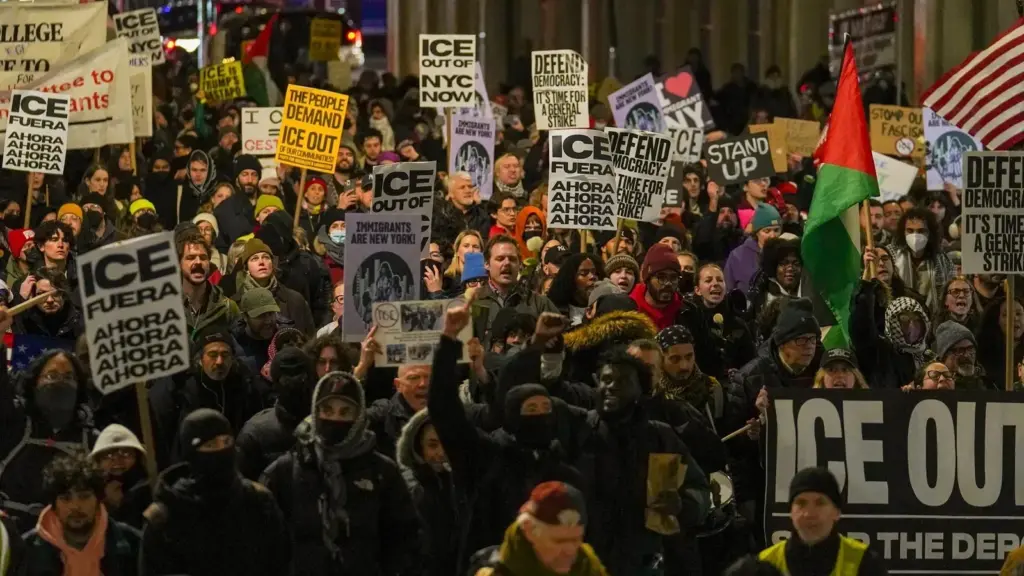
The protests erupting throughout Minneapolis are a passionate response to the actions of ICE agents who have demonstrated a controversial approach to immigration enforcement. Following the tragic killings of Alex Pretti and Renee Nicole Good, advocates have taken to the streets, demanding an end to policies they view as inhumane and unjust. These protests are not just about seeking justice for Pretti but represent a broader Minnesota immigration debate that encompasses civil rights and community safety. Protesters, like Felix Johnson, express their outrage concerning the tactics used by federal agents, calling for accountability and reform in immigration policies.
As chants resonate through the streets—proclaiming “ICE out” and declaring, “No more Minnesota nice”—the collective energy demonstrates a significant shift in public sentiment against aggressive immigration enforcement. Many residents, feeling the weight of fear and uncertainty, are standing in solidarity during these protests. This movement has ignited numerous community conversations, highlighting the challenges and complexities of integrating immigrant populations while balancing public safety concerns. The Minneapolis immigration protests are thus not only a reaction to ICE operations but also a clarion call for a reexamination of immigration policies in the United States.
Federal Immigration Policies Under Scrutiny
In light of the recent tragedies involving federal immigration agents, our nation’s immigration policies are under greater scrutiny than ever before. The deaths of Alex Pretti and Renee Nicole Good have cast a spotlight on the perceived dangers of ICE operations in urban areas like Minneapolis. Critics argue that these policies disproportionately impact innocent residents, causing unnecessary fear among citizens and lawful immigrants alike. As discussions continue around immigration enforcement, many are calling for reforms that prioritize humanity and compassion over strict compliance with federal mandates.
The government’s justification for such aggressive enforcement actions as a means of ensuring public safety is increasingly being challenged by community members and local leaders. With calls from Minneapolis Mayor Jacob Frey and Governor Tim Walz urging the withdrawal of ICE agents, there is a growing recognition that drastic changes are necessary to restore trust between the communities and the government. The debates surrounding these federal immigration policies are now intertwined with broader questions of justice, equality, and the values that America embodies.
Vigils and Memorials: Honoring Victims
Throughout the weekend following the deaths of Alex Pretti and Renee Nicole Good, vigils and memorials sprang up across Minneapolis. Local residents gathered to honor the lives of the victims, lighting candles and laying flowers at makeshift memorials, showcasing a poignant tribute to those lost. These gatherings have not only served to remember individuals but have also highlighted the widespread community responses against the violent tactics of federal immigration agents. Such acts of remembrance exhibit both grief and solidarity among those affected by the shootings.
Mourners have shared heart-wrenching stories of loss and community support, capturing the emotional toll that these events have elicited in Minneapolis. Signs emblazoned with messages calling for an end to violence against community members demonstrate the urgency behind these memorials. As residents come together to support one another, it becomes clear that this is more than a local issue; it strikes at the heart of national discussions on immigration, safety, and justice for all individuals residing in the U.S.
The Role of Local Leadership in Advocacy
Local leaders play a crucial role in shaping the dialogue around immigration enforcement in Minneapolis, especially in light of recent tragedies. With voices such as Governor Tim Walz urging the administration to rethink its approach, the community has seen increased mobilization around calls for advocacy and reform. Leaders are emphasizing the importance of protecting vulnerable populations while promoting justice and community safety. Downtown protests are not just expressions of grief but are also coordinated efforts to hold government officials accountable.
The supportive environment fostered by local leaders encourages residents to voice their concerns and demand change. Community discussions facilitated by advocates aim to unite those impacted and empower them as active participants in the political process. This increased engagement not only addresses the pressing issues of immigration enforcement but also promotes a broader conversation about civil rights and community protection in Minnesota.
Public Opinions on Immigration Enforcement
Public opinion surrounding immigration enforcement in Minneapolis is markedly divided, reflecting broader national sentiments. While a significant portion of the population has expressed their disapproval of ICE’s tactics, some still support the crackdown on undocumented immigrants as a measure of public safety. This divided perspective illustrates the complexities involved in the Minnesota immigration debate and poses challenges for local leaders seeking to navigate these sensitive issues effectively.
Residents like Felix Johnson illustrate the frustration felt by many who question the morality of current enforcement policies. Various polls suggest that while there is a core group favoring strict actions against illegal immigration, many feel that the reality of ICE’s operations has created an atmosphere of fear that unjustly targets not only immigrants but also American citizens. It is evident that as these opinions continue to fluctuate, so too will the discussions surrounding immigration reform and the responsibilities of local and federal governments.
The Impact of Social Media on Protests
Social media has played a pivotal role in shaping the narrative around recent protests in Minneapolis against ICE enforcement. Videos of the shootings of Alex Pretti and Renee Nicole Good quickly circulated online, amplifying the urgency of community outrage and mobilizing activists to take action. Platforms like Twitter and Instagram have become powerful tools for residents to share their experiences and organize protests, demonstrating a new age of public activism that often blends traditional methods with digital outreach.
As people gather on the streets, social media continues to serve as a vital communication channel for rallying support and disseminating information. Hashtags such as #ICEOut and #JusticeForPretti trend alongside calls to action, fostering a sense of unity among protesters and those advocating for reform. This dynamic interplay between social media activism and on-ground protests exemplifies how technology can galvanize collective movements and bring attention to pressing local issues such as federal immigration policies.
Memories of Alex Pretti: A Community’s Mourning
As Minneapolis copes with the aftermath of Alex Pretti’s tragic death, memories of the nurse’s compassion and commitment to service resonate deeply within the community. Those who knew Pretti describe him as warm-hearted and dedicated, traits that he brought to his work in the intensive care unit. Mourners at the church and the memorials express a profound sense of loss, but they also vow to honor his legacy through continued advocacy for justice and reform in immigration policies.
The gatherings in his remembrance serve as both a tribute and a catalyst for change, reminding the community of the urgent need to address the violence inflicted by federal agencies. As Minneapolis residents unite in their grief, they are simultaneously fueled by a desire to ensure that no other family suffers a similar loss. In this way, Pretti’s memory transcends personal tragedy, becoming a rallying point for a movement aimed at transforming the landscape of immigration enforcement in America.
Future of Immigration Policy in America
The future of immigration policy in the United States remains uncertain, particularly in the wake of recent events in Minneapolis. The tragic shootings of Alex Pretti and Renee Nicole Good have highlighted the urgent need for comprehensive reform that takes into account the human rights of both immigrants and citizens. Advocates argue that a shift is necessary toward policies that prioritize community safety and support rather than punitive measures that disproportionately affect vulnerable populations.
As debates continue at local and national levels, the Minneapolis community is well-positioned to influence the trajectory of immigration policy reform. The ongoing protests and public discourse demonstrate a strong demand for changes in how enforcement is approached, moving toward strategies that foster inclusion and protect the rights of all individuals. Engaging in these discussions will be crucial as the nation seeks to navigate the complex challenges surrounding immigration in the coming years.
Frequently Asked Questions
What led to the Minneapolis immigration protests at Calvary Baptist Church?
The Minneapolis immigration protests at Calvary Baptist Church were sparked by the tragic shooting of Alex Pretti by federal immigration agents during an ICE enforcement operation. This incident marked yet another fatal confrontation involving immigration enforcement in the community, leading locals to seek refuge and express their outrage through protests.
How is Calvary Baptist Church supporting the community after the shooting of Alex Pretti?
Calvary Baptist Church has become a hub for community support following the shooting of Alex Pretti. Volunteers and staff distribute food, drinks, and warmth to those affected by the unrest, providing a safe space for mourning and organizing protests against the recent ICE enforcement in Minneapolis.
What are the main concerns of protesters regarding ICE enforcement in Minneapolis?
Protesters are deeply concerned about the safety and treatment of both undocumented migrants and U.S. citizens subjected to ICE enforcement. Following the deaths of Alex Pretti and Renee Nicole Good, many are demanding an end to aggressive immigration tactics that have resulted in tragic outcomes, urging the government to prioritize community safety over enforcement.
How has the community responded to the Minnesota immigration debate and enforcement actions?
The community’s response to the Minnesota immigration debate has been marked by extensive protests against ICE enforcement actions. Residents are angry about the high-profile shootings of two citizens and demand accountability and changes to immigration policy, illustrating a significant pushback against federal actions perceived as harmful.
What role did local officials play in the Minneapolis immigration protests?
Local officials, including Governor Tim Walz, have been vocal in opposing ICE’s aggressive enforcement in Minneapolis. They have called for the withdrawal of federal agents, emphasizing the need for protecting community safety and criticizing the administration’s approach to immigration enforcement during the ongoing protests.
What messages were conveyed during the protests following the recent immigration-related shootings?
During the protests, demonstrators conveyed powerful messages against violence and injustice, with slogans emphasizing urgent change and safety for all, including signs that read ‘stop killing us’ and ‘ICE out.’ These messages were a direct response to the shootings of Alex Pretti and Renee Nicole Good, highlighting the community’s desire for peace.
Why are people protesting ICE actions in Minneapolis?
People are protesting ICE actions in Minneapolis due to the fear and anger stemming from the deadly confrontations involving federal agents. The recent killings have instigated a broader demand for humane immigration policies and an end to aggressive enforcement practices that threaten both migrants and citizens.
What impact has the Minneapolis immigration enforcement had on community relations?
The Minneapolis immigration enforcement has significantly strained community relations, fostering a climate of fear and anxiety. Citizens express feelings of vulnerability and anger regarding ICE operations, particularly after the tragic events surrounding the shootings that led to ongoing protests against federal policies.
| Key Points | Details |
|---|---|
| Location of Protests | Calvary Baptist Church, Minneapolis |
| Community Refuge | Church provided support with food and warmth amid unrest. |
| Recent Violence | Alex Pretti was shot by ICE agents, the second incident involving a citizen this month. |
| National Immigration Debate | Minneapolis has become a focal point in the immigration enforcement discussion. |
| Citizens’ Response | Widespread protests and vigils held to remember Pretti and oppose ICE behavior. |
| Official Statements | Governor Walz and others called for the removal of federal agents from Minnesota. |
| Public Sentiment | Vigorous opposition to ICE operations exists among locals, amid fears and uncertainties. |
| Long-term Impact | Concerns regarding safety and civil rights flourished from the recent events. |
Summary
Minneapolis immigration protests have gained significant attention following recent tragic events that have fueled public outcry and unrest in the community. The rallies highlight local opposition to ICE operations and call for justice in the face of violence against US citizens. These protests demonstrate a collective demand for an end to the federal immigration enforcement measures perceived as harmful by many residents. As Minneapolis becomes a crucible of the national immigration debate, it underscores the urgent need for reform and accountability.

