
Listen to this article
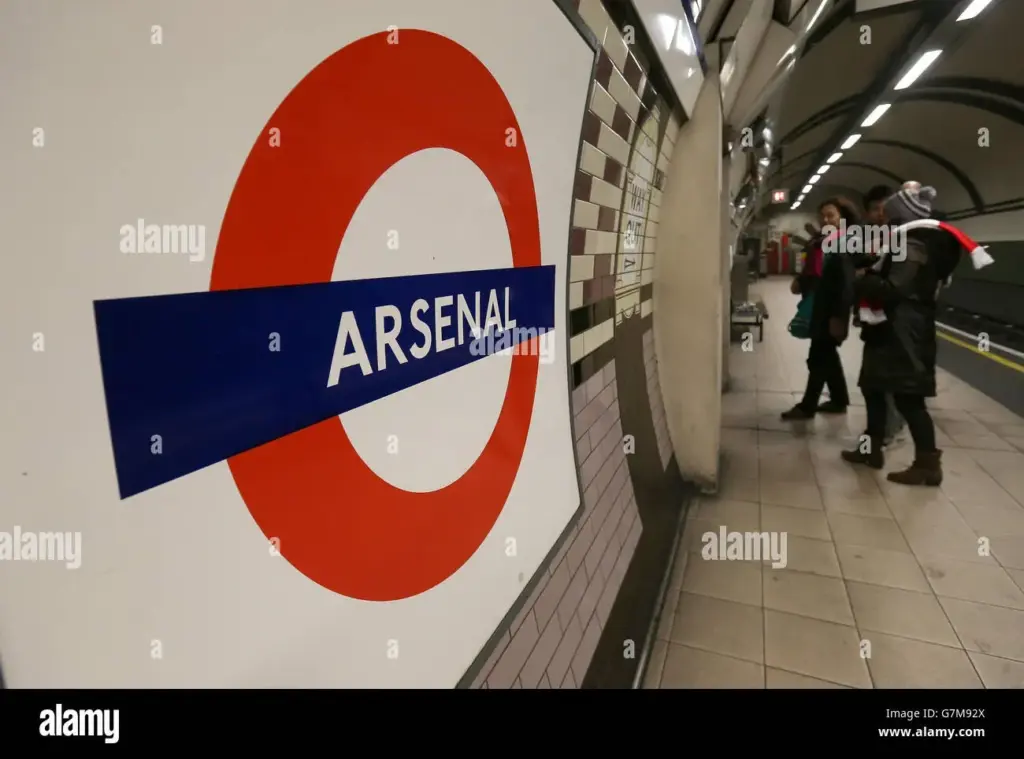
Arsenal Tube station sits prominently in North London, serving as a unique landmark among London Tube stations. This station, celebrated for its connection to Arsenal FC history, was named in 1932 after the football club that originally thrived nearby at Highbury Stadium. The club’s roots trace back to the Woolwich Arsenal, established in the 19th century, which adds an intriguing historical layer to this transit point. For visitors navigating the city using London transport, Arsenal station is a must-visit, not only for its significance in football lore but also for its distinctive place in the capital’s transport network. Whether you’re a football fan or a curious traveler, the station offers insights into local heritage while providing access to numerous attractions in the vibrant area.
Nestled in the heart of North London, Arsenal Tube station is not just another transit stop but a cultural touchpoint linked to the iconic football club, Arsenal FC. With origins tied to Woolwich Arsenal, the station reflects the rich sporting heritage of the region, especially in its proximity to the historic Highbury Stadium site. For anyone exploring the extensive web of London’s underground railways, this station stands out, being the only one dedicated specifically to a football club. As you plan your journey through the myriad of options within London’s sophisticated transport system, don’t overlook Arsenal station; it’s steeped in fascinating local history and offers a glimpse into the passionate world of English football. Embracing both transportation and team spirit, Arsenal station is a gateway to deeper exploration of the dynamic city.
Exploring the Unique Arsenal Tube Station
Arsenal Tube station, located in North London, is a distinctive landmark not just for its strategic location but also for its unique connection to Arsenal FC. As the only Tube station named specifically after a football club, it presents a fascinating intersection of transportation and sports history. Originally known as Gillespie Road, the station was renamed in 1932 to honor the local football team that was very much a part of the community fabric, deepening its ties with Arsenal’s storied past.
The history of Arsenal Tube station reflects significant moments in Arsenal FC history, tracing back to the club’s origins as Woolwich Arsenal. This name pays homage to the munitions factory that housed the original players in Woolwich, South East London. Over the years, as the club evolved, so too did its surroundings, with Arsenal’s relocation to the Emirates Stadium in 2006 marking a new chapter in both the football club’s and the station’s journey.
The Historic Journey of Arsenal FC
Arsenal FC has a rich heritage that dates back to its formation in the 19th century. Originally established as Woolwich Arsenal, the football club was rooted in the industrial landscape of South East London. This transition from military origins to a notable presence in English football is a testament to the club’s resilience and adaptability through challenges, including the financial difficulties that prompted the team to move north to Holloway in 1913.
This pivotal move not only marked a new era for the club but also necessitated a name change from Woolwich Arsenal to simply Arsenal. Thus, Arsenal FC’s evolution is mirrored in the development of its nearby Tube station, creating a layered narrative that blends sport and transport history. As fans flock to the Emirates Stadium, Arsenal Tube station remains a key portal into this unique world, even as Holloway Road station has taken on friendlier proximity.
Insights into London Tube Stations
Navigating London’s extensive transport network can sometimes be daunting for newcomers. Tube stations, such as Arsenal, not only situate you close to significant landmarks but also provide context to the vibrant stories behind them. Each station often reflects its vicinity’s cultural and historical significance, connecting you to the broader narrative of London’s development.
Understanding the geographical naming conventions of London Tube stations can also enhance your exploration experience. While Arsenal may seem paradoxical due to its distance from its namesake, it highlights the diverse histories of areas like South Kensington and Canary Wharf, showcasing how local lore intertwines with the city’s transport system.
Local Transport Tips for Arsenal and Beyond
When visiting Arsenal Tube station, it’s essential to come prepared with local transport tips to make the most of your London experience. Familiarizing yourself with the London transport system, including Oyster cards and contactless payment options, can expedite your travel between iconic sites, including Highbury Stadium and the Emirates.
Additionally, using tools such as Transport for London’s journey planner can help ensure efficient routes during your travels. Whether you’re checking match schedules or planning a day exploring London’s rich football heritage, integrating efficient transit methods will make your adventure smoother.
The Transformation of Highbury Stadium
Highbury Stadium, once the proud home of Arsenal FC, now signifies the dynamic evolution of urban spaces in London. After Arsenal’s move to the Emirates Stadium in 2006, Highbury was transformed into luxurious residential flats, preserving parts of its historic architecture and story. This bridging of past and present reflects London’s ability to adapt while respecting its heritage.
Moreover, the conversion of Highbury Stadium resonates deeply with the loyal fan base, reminding them of the club’s rich legacy. Although Arsenal FC has moved on, the essence of its history echoes through the residential community that now occupies the site, creating a unique blend of modern living amid historical significance.
Woolwich Arsenal: A Legacy of Football
Woolwich Arsenal represents a crucial chapter in the history of Arsenal FC, rooted in the club’s early identity. The name is derived from the munitions factory where many players were once employed. This deep connection to local industry set the stage for what would become one of England’s most renowned football clubs.
Today, the Woolwich Arsenal station continues to play a significant role in the area, serving as a reminder of the club’s origins while supporting modern transport needs. The proximity of this station to the historical roots of Arsenal FC enhances the overall appreciation for the club’s legacy, bridging past narratives with contemporary experiences.
Community Impact of Arsenal FC
The influence of Arsenal FC extends beyond the pitch, creating a vibrant community around its activities and ethos. The club has invested in local initiatives and youth programs, demonstrating a commitment to the community that has supported it since its inception. This bond fosters a sense of identity among supporters, further highlighted by the local landmarks, including Arsenal Tube Station, which serves as a gathering point during match days.
Moreover, the community’s connection to Arsenal is evident through numerous events hosted at the Emirates Stadium and the surrounding areas. These events not only celebrate football but also contribute to localized economic growth, making Arsenal FC a cornerstone of community pride and engagement.
Navigating Historical Landmarks Around Arsenal
The vicinity of Arsenal Tube station is rich in historical landmarks that tell the story of London’s past. Areas like Highbury and Holloway are brimming with cultural significance, allowing visitors to step back in time and experience how the community has evolved. Walking tours can be an excellent way to uncover the hidden gems nearby, often overlooked amidst the bustle of modern life.
Moreover, partnering visits to Arsenal with explorations of local heritage sites can provide deeper insight into the area’s transformation. From examining the architecture to absorbing the vibrant atmosphere of the local markets, travelers can gain a well-rounded understanding of the historical narrative that defines North London.
The Unique Football Culture in London
London’s football culture is a tapestry of various clubs, each with its dedicated following and historical roots. The passion for football in cities like North London, especially around Arsenal and Tottenham, fuels a competitive spirit that unites diverse communities. Events surrounding matches turn into communal celebrations, with local businesses thriving on match days.
The cultural amalgamation resulting from this football passion is palpable in the local transport hubs. Arsenal Tube station serves as a significant point of convergence for supporters, amplifying the electric atmosphere before and after games. Understanding this cultural phenomenon can enhance any visitor’s experience, providing a glimpse into the heart of London’s football legacy.
Frequently Asked Questions
What is the historical significance of Arsenal Tube station in relation to Arsenal FC?
Arsenal Tube station is historically significant as it was named after Arsenal FC, which originated as Woolwich Arsenal during the 19th century. The football club moved to North London and simplified its name in 1913, but the station retained its name to honor this history.
How did Arsenal Tube station get its name?
Arsenal Tube station was originally named Gillespie Road before being renamed in 1932 in honor of Arsenal FC, a club connected to the local community and its origins in Woolwich, where it was founded.
Is Arsenal Tube station located close to the current Emirates Stadium?
No, Arsenal Tube station is not the nearest station to the Emirates Stadium. Holloway Road station is now closer, following Arsenal FC’s move from Highbury Stadium to the Emirates in 2006.
What London transport options are available at Arsenal Tube station?
Arsenal Tube station is part of the London Underground network on the Piccadilly line, providing direct access to key areas of London and serving as a hub for fans traveling to see Arsenal FC matches.
Are there any nearby attractions to Arsenal Tube station?
Yes, near Arsenal Tube station, visitors can explore the history of Arsenal FC, including the former Highbury Stadium and nearby attractions such as local pubs and shops that celebrate the club’s legacy.
What are some transport tips for using Arsenal Tube station?
When using Arsenal Tube station, consider peak travel times, as it can get busy during match days. Also, familiarize yourself with nearby stations like Holloway Road, which may offer alternative access to Emirates Stadium.
Is Arsenal Tube station the only Tube station named after a football club?
Yes, Arsenal Tube station uniquely holds the distinction of being the only Tube station explicitly named after a football club, reflecting the local heritage tied to Arsenal FC.
What are the differences between Woolwich Arsenal station and Arsenal Tube station?
Woolwich Arsenal station serves the DLR and National Rail, while Arsenal Tube station is on the Piccadilly line, highlighting their distinct functions within London’s transport network.
What can I see at the original Highbury Stadium location near Arsenal Tube station?
The original Highbury Stadium has been converted into residential flats, but the east and west stands have been preserved, offering a glimpse into the rich history of Arsenal FC at this iconic location.
How has the history of Arsenal FC influenced the naming of Arsenal Tube station?
The name Arsenal Tube station stems from the club’s history, retaining a connection to its origins as Woolwich Arsenal, and paying tribute to the team’s longstanding presence in North London.
| Key Point | Details |
|---|---|
| Arsenal Tube Station Origin | Named after Arsenal FC, originally Woolwich Arsenal. |
| Historical Background | The club was founded in the 19th century, referencing the munitions factory. |
| Relocation of Arsenal FC | In 1913, Arsenal FC moved to Holloway, leading to a name change. |
| Station Name Changes | Gillespie Road station was renamed Arsenal in 1932 due to proximity to Highbury Stadium. |
| Unique Station | Arsenal is the only Tube station named after a football club, unlike others. |
| Shift in Proximity | Arsenal station is now farther from Arsenal FC than Holloway Road station. |
Summary
Arsenal Tube station is a unique landmark in London, distinguished as the only Tube station named explicitly after a football club. Originally named Woolwich Arsenal when the club was founded in the 19th century, it reflects the rich history of Arsenal FC and its connection to the area. This history, coupled with the station’s significant name change in the early 20th century and the club’s subsequent relocation to the Emirates Stadium, highlights the evolving narrative surrounding this station. Despite its name, Arsenal Tube station is not the closest station to the football club that shares its name, which adds an interesting layer to its story. Visitors to London should take the time to explore this iconic station and understand its historical significance.