Listen to this article
The Minneapolis protests erupted in response to the tragic shooting of Alex Pretti, a 37-year-old nurse, by ICE agents, igniting a wave of outrage throughout the city and beyond. Demonstrators gathered to express their anger against federal immigration enforcement and the controversial Trump immigration policies that have polarized the nation. The shooting, viewed by many as an excessive use of force by Minneapolis police and federal agents, has led citizens to demand accountability and justice for Pretti’s family. As tensions escalate, protests against ICE have spread to numerous other cities, reflecting a growing discontent with federal immigration practices. The outcry has called into question not only the actions of law enforcement but also the broader implications of a system perceived as increasingly aggressive towards immigrants.
In recent days, civil unrest has surged across Minneapolis as citizens voice their discontent over federal immigration enforcement actions. The protests are largely fueled by the controversial death of Alex Pretti, prompting widespread calls for change in policing and immigration strategies. Many community members see this tragic event as emblematic of a flawed system that disproportionately impacts immigrants, breathing new life into discussions on reform. Demonstrators have highlighted their opposition to aggressive operations by federal agencies like ICE, seeking not only justice for Pretti but also broader reforms in how immigration laws are enforced. With powerful support from various organizations and local businesses, the movement against harsh immigration tactics is gaining momentum, signaling a pivotal moment in the fight for justice and equity.
Minneapolis Protests: A Response to Federal Actions
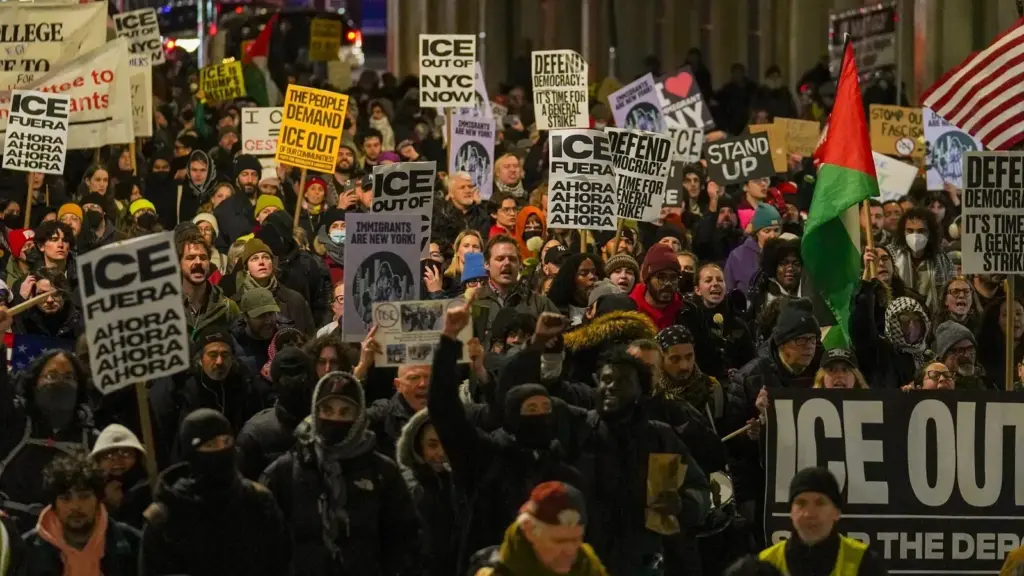
The recent protests in Minneapolis are a clear signal of rising tensions in response to federal immigration enforcement actions, particularly after the fatal shooting of Alex Pretti by ICE agents. As communities rally against these actions, the public outcry represents a larger sentiment against stringent immigration policies. Demonstrators have taken to the streets, holding signs calling for justice and accountability from the federal government, highlighting the emotional toll these events have had on local families and communities.
The protests, which have seen significant participation even in frigid weather, reflect a growing frustration not only with the shooting of Pretti but also with the broader implications of Trump immigration policies. These policies, perceived as aggressive and often unjust, have galvanized many citizens to demand reform and the abolition of ICE. Participants chant slogans such as “Justice for Alex” and express solidarity with those who have faced similar injustices. The collective mobilization is not limited to Minneapolis but has resonated in cities across the nation, indicating a growing movement against the perceived militarization of immigration enforcement.
Impact of Trump’s Immigration Policies on Local Communities
Trump’s immigration policies have created significant stress within immigrant communities, with local leaders advocating for changes in federal law enforcement behavior. The impact of ICE’s aggressive tactics is evident in the fear and uncertainty that permeates families facing potential deportation. Critics argue that these policies disproportionately affect innocent individuals, as demonstrated by the tragic death of Alex Pretti. Local officials, including Minnesota Governor Tim Walz, have expressed the urgency of reevaluating these approaches, advocating for strategies that prioritize community safety over the overwhelming presence of federal agents.
Moreover, the backlash against these policies is shaping the political landscape, with bipartisan concerns emerging over the tactics used by ICE. As lawmakers contest the necessity and morality of the current approach to immigration enforcement, many citizens are voicing their support for more humane alternatives. The growing number of local businesses, including major corporations like Target and Best Buy, calling for de-escalation and collaboration illustrate the economic implications of the ongoing crisis, emphasizing that immigration reform is not just a social issue but also a fundamental economic concern for the community.
Legal and Ethical Implications of the Pretti Shooting
The shooting of Alex Pretti raises critical legal and ethical questions about the conduct of federal agents during immigration enforcement operations. Reports indicate that there was a confrontation between Pretti and ICE agents, with conflicting accounts about whether he was armed. This tragic event has sparked a renewed call for accountability and a thorough investigation into the actions of ICE, particularly as it pertains to the alleged self-defense claim made by federal agents. Legal experts are examining whether proper protocols were followed and what rights individuals have when confronted by federal immigration authorities.
Further complicating matters is the political rhetoric surrounding the incident, with Trump labeling critics of ICE’s actions as undermining federal enforcement. This dichotomy presents challenges in addressing the fundamental issues at stake—namely, how to balance law enforcement with the protection of civil rights. In the wake of Pretti’s death, activists are arguing for the establishment of oversight mechanisms to prevent similar incidents, as well as advocating for clearer guidelines on the use of force by ICE agents in civilian encounters. This case exemplifies the dire need for comprehensive immigration reform that considers human rights and public safety.
Community Resilience and Solidarity Amidst Crisis
In light of the turmoil surrounding the shooting of Alex Pretti, Minneapolis communities continue to display remarkable resilience and solidarity. The outpouring of support from residents and activists demonstrates a collective commitment to advocating for justice and demanding accountability from authorities. These grassroots movements have amplified their voices against unjust immigration practices, fostering a sense of unity among diverse groups within the city. Demonstrators are not merely expressing anger; they are calling for systemic change, emphasizing that the fight for justice is both local and national.
Moreover, community organizations have stepped up to provide resources and support to those affected by immigration enforcement. From legal aid services to mental health resources, these initiatives aim to aid families facing uncertainty due to the aggressive tactics employed by ICE. This solidarity embodies the spirit of Minneapolis as residents come together to protect one another and reaffirm their commitment to civil rights. The ongoing protests are a testament to the power of community engagement in challenging unjust policies and advocating for a more equitable future.
The Role of Law Enforcement in Immigration Enforcement
The complexities of law enforcement’s involvement in immigration enforcement come to the forefront with incidents like the shooting of Alex Pretti. Minneapolis Police Chief Brian O’Hara has pointed out the complications arising from federal interventions, which impede local law enforcement’s ability to operate effectively. As frictions grow between state and federal law enforcement agencies, questions arise about the future of cooperation in carrying out immigration policies and the impact on public safety. The community’s trust in local officers is jeopardized when federal agents act independently of state guidelines and protocols.
In discussions surrounding these issues, police accountability and ethical law enforcement practices are increasingly scrutinized. Local law enforcement is urged to carefully navigate their role regarding ICE collaborations, as public sentiment continues to shift against aggressive immigration tactics. The calls for reform and re-evaluation of partnerships between state and federal authorities underline the need for a more just approach to policing, particularly with the growing awareness of the implications these policies have on community safety and trust. The situation highlights the necessity for intensive training and policy amendments to ensure that all law enforcement actions are grounded in respect for human rights.
Public Sentiment and Polling Data on Immigration Enforcement
Public sentiment regarding immigration enforcement remains divided, as evident from various polls conducted across the nation. While many individuals approve of Trump’s initiatives to deport undocumented immigrants, there is substantial pushback regarding the means employed to achieve these ends, particularly in light of high-profile tragedies like Alex Pretti’s shooting. These contrasting views underscore a pivotal moment in public discourse about the morality and effectiveness of current immigration policies and enforcement strategies. As protests grow in response to such incidents, many voters are beginning to question the aggressive tactics of ICE and the ramifications for community safety.
Polling data indicates a significant split in public opinion, with some segments advocating for stricter immigration measures while others express a desire for compassionate policies that consider the human aspects of immigration. This divergence of opinions might influence upcoming elections, as politicians grapple with the challenge of appealing to both sides of the immigration debate. As calls for reform intensify, community leaders and lawmakers must balance the needs of security and compassion, aiming to find pathways that unite rather than divide.
The Future of ICE and Immigration Enforcement in America
The future of ICE and immigration enforcement in America is increasingly uncertain, especially following incidents that provoke widespread backlash. As federal officials face pressure from various stakeholders, including from within the Republican Party, the viability of ICE’s continued operations in cities like Minneapolis comes into question. Some lawmakers are advocating for a reevaluation of ICE’s role, suggesting a shift toward more community-oriented immigration strategies that prioritize the safety and well-being of residents. This dialogue signifies a potential turning point in how immigration policies are crafted and implemented.
As the political climate continues to evolve, discussions surrounding the repeal or overhaul of ICE have gained traction among advocacy groups pushing for change. The movement for a more humane approach to immigration enforcement is driven by a desire to rebuild trust between federal authorities and communities, emphasizing alternatives to the militarized approach currently in use. As protests continue to unfold across the nation, the narrative surrounding ICE’s future may increasingly shift toward advocating for a system that respects individual rights while addressing essential public safety concerns.
The Business Community’s Response to Immigration Policy
The response from the business community regarding immigration policy has become increasingly vocal, especially in light of events like the shooting of Alex Pretti. Business leaders from over 60 companies in Minnesota have united to call for de-escalation and a more collaborative approach between federal and local authorities. This collective action underscores the economic implications of current immigration enforcement strategies, as uncertainty surrounding these policies threatens to impact local businesses and their workforce. The growing consensus among corporate stakeholders is that humane immigration policies are vital for fostering a stable economic environment.
Moreover, major corporations are realizing that the immigration debate extends beyond policy to affect their corporate values and public image. In an effort to engage meaningfully with their communities, some businesses are advocating for policy changes that not only protect their interests but also align with the shared values of their employees and customers. This shift represents a proactive stance, as leaders seek to influence the political landscape while ensuring community members feel safe and supported in their work environments. As society grapples with the complexities of immigration reform, the business community’s involvement could be pivotal in driving real change.
Examining the Role of Video Evidence in Public Accountability
The role of video evidence in the case of Alex Pretti’s shooting cannot be understated, as it adds a layer of scrutiny to the actions taken by ICE agents. As community members watch the footage, they seek clarity and truth regarding the events that transpired. Eyewitness accounts alongside these videos have become vital in shaping public opinion and holding law enforcement accountable. The prevalence of smartphones and social media platforms means that documentation of such events is more accessible than ever, enabling individuals to demand transparency and justice.
Public outrage often intensifies when controversial police actions are captured on video, influencing dialogues about law enforcement practices and accountability. In the case of Pretti, video evidence is crucial in establishing whether or not the agents acted within the bounds of the law. As calls for an investigation grow, community leaders emphasize that thorough, unbiased inquiries are necessary to prevent future injustices. This case stands as a reminder of the need for systems that protect individuals from potential abuses of power and ensure that law enforcement operates with integrity.
Frequently Asked Questions
What prompted the Minneapolis protests surrounding Alex Pretti’s death?
The Minneapolis protests were sparked by the fatal shooting of Alex Pretti, a 37-year-old intensive care nurse, by federal immigration agents. Demonstrators gathered to demand accountability for the shooting and to express their opposition to ICE’s presence in the city.
How are local authorities responding to the Minneapolis protests against ICE?
Local authorities, including Minneapolis Police Chief Brian O’Hara and Mayor Jacob Frey, have expressed concern over the federal agents’ operations, emphasizing the need for cooperation between state and federal law enforcement to ensure proper investigation and accountability in the wake of the protests.
What are the central themes of the protests against ICE in Minneapolis?
The central themes of the protests against ICE in Minneapolis include demands for justice for Alex Pretti, calls to abolish ICE, and opposition to aggressive federal immigration policies, particularly under the Trump administration. Protesters are advocating for immigrant rights and accountability for federal agents.
What is the stance of Minnesota’s lawmakers regarding the shooting incident during the Minneapolis protests?
Minnesota’s lawmakers are divided regarding the ICE shooting incident. Some, like Oklahoma Governor Kevin Stitt, called for accountability and oversight of federal tactics, while others have threatened to block government funding for the Department of Homeland Security, which includes ICE.
How has the Trump administration responded to the Minneapolis protests and the shooting of Alex Pretti?
The Trump administration responded to the Minneapolis protests by defending ICE’s actions, claiming Pretti was brandishing a weapon, while also indicating they were reviewing the circumstances surrounding his death. President Trump has called for cooperation from local officials in enforcing immigration laws amid the ongoing protests.
What legal context surrounds the actions of ICE agents during the protests in Minneapolis?
ICE agents are legally authorized to stop, detain, and arrest individuals suspected of being in the US illegally. However, the legality of their methods, especially during confrontations like the one that led to Alex Pretti’s death, is being scrutinized amid rising tensions and protests.
What were the public reactions to Trump’s immigration policies during the Minneapolis protests?
Public reactions to Trump’s immigration policies during the Minneapolis protests have been largely critical, with many Minnesotans expressing disapproval of ICE’s actions. While some nationwide polls indicate support for deportation initiatives, the protests mainly reflect a community deeply opposed to aggressive enforcement tactics.
What impact are the Minneapolis protests having on local businesses and officials?
The Minneapolis protests have prompted over 60 local businesses, including major companies like 3M and Target, to call for de-escalation and collaborative solutions between local and federal authorities, highlighting the broader social and economic implications of the ongoing unrest over ICE’s presence.
Are there any investigations underway regarding the Minneapolis protests and the shooting of Alex Pretti?
Yes, investigations into the shooting of Alex Pretti and the actions of ICE agents during the Minneapolis protests are underway. Local authorities and advocacy groups are calling for thorough investigations to ensure transparency and accountability in the incidents leading to the protests.
What role did social media play in the Minneapolis protests against ICE?
Social media played a crucial role in mobilizing the Minneapolis protests against ICE by allowing demonstrators to organize, share information, and spread awareness of Alex Pretti’s death and the broader issues regarding federal immigration enforcement, influencing public opinion and participation.
| Key Point | Details |
|---|---|
| Fatal Shooting Incident | Alex Pretti, a 37-year-old intensive care nurse, was shot by immigration agents in Minneapolis. |
| Governor’s Response | Minnesota Governor Tim Walz emphasized the need for federal immigration agents to withdraw from Minneapolis. |
| Federal Government’s Stance | Trump indicated possible withdrawal of ICE agents but did not set a timeline, while both parties expressed conflicting views. |
| Protests Across the U.S. | Protests erupted in several cities including Minneapolis, New York City, and Los Angeles, demanding justice for Pretti. |
| Community Response | Over 60 businesses in Minnesota called for de-escalation and cooperative efforts between local and federal officials. |
| NRA Involvement | The National Rifle Association called for a full investigation into Pretti’s shooting. |
| Ongoing Tensions | The incident highlights escalating tensions between federal agents and local communities regarding immigration enforcement. |
Summary
The Minneapolis protests have highlighted the growing discontent surrounding federal immigration actions in the city. Following the tragic shooting of Alex Pretti, the demonstrations have drawn attention nationwide, stirring calls for accountability and change in how immigration laws are enforced. As tensions rise and public support for ICE wanes, the events in Minneapolis may serve as a catalyst for broader discussions about immigration policy and local versus federal authority.