
Listen to this article
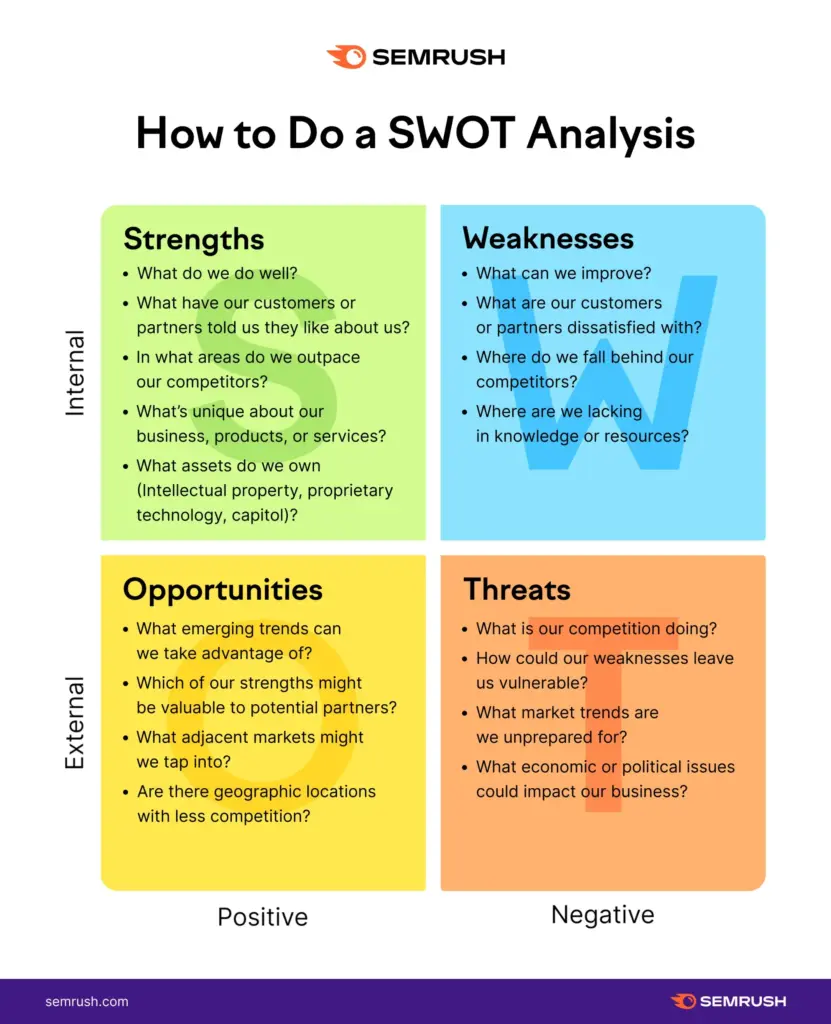
In today’s competitive landscape, understanding your organization’s strategic position is paramount, and conducting a SWOT analysis is one of the most efficient means to achieve this. The SWOT framework—focusing on Strengths, Weaknesses, Opportunities, and Threats—serves as a foundational tool for business analysis and effective strategic planning. By assessing these four critical components, organizations can outline robust business growth strategies that not only highlight their internal capabilities but also uncover external market opportunities. Additionally, this comprehensive organizational assessment assists in navigating potential threats, thus aligning business strategy with market demands. Whether you’re a small startup or a large corporation, integrating a SWOT analysis into your strategic planning framework is essential for sustainable success in a rapidly evolving marketplace.
Recognizing the significance of a SWOT analysis is crucial for any enterprise aiming to enhance its market position. This analytical approach, often referred to as a strategic assessment method, enables businesses to evaluate their internal factors and external environment systematically. By exploring strengths, weaknesses, potential opportunities, and looming threats, companies can develop a nuanced understanding of their operational landscape. This methodology not only aids in identifying viable business strategies but also in crafting adaptive responses to emerging challenges. Ultimately, leveraging this strategic planning tool can lead to informed decision-making and greater organizational resilience.
The Importance of SWOT Analysis in Business Growth
SWOT analysis serves as an essential tool for businesses aiming to formulate effective business growth strategies. By examining internal strengths and weaknesses alongside external opportunities and threats, organizations can identify where they excel and where they need improvement. This structured approach provides a strategic planning framework that encourages organizations to make informed decisions based on their unique market positions. Consequently, understanding these dynamics is pivotal for nurturing sustainable growth in a competitive environment.
Furthermore, implementing a SWOT analysis fosters a culture of proactive organizational assessment within a company. It incentivizes teams to constantly monitor both their internal capabilities and external market shifts, encouraging adaptability. By recognizing their strengths, organizations can capitalize on them, while acknowledging weaknesses enables them to strategize improvements proactively. This dual focus ultimately positions businesses more favorably within their industry, setting them up for long-term success.
How to Effectively Conduct a SWOT Analysis
To conduct a thorough SWOT analysis, it starts with assembling a diverse team that can provide various perspectives on the organization’s performance. This initial step is crucial for crafting a comprehensive overview of internal strengths and weaknesses, along with external opportunities and threats. Engaging individuals from different departments ensures a balanced approach, allowing unique insights to surface during discussions. The goal here is to compile a robust list of factors that accurately reflect the current state of the organization.
After gathering initial data, it is essential to prioritize each element based on its potential impact on the business. A clear framework for prioritization helps in aligning strategic priorities with actionable business strategies. Once an organization categorizes and prioritizes these factors, the next logical step is to develop tailored action plans. Effective action plans will outline specific initiatives that harness strengths, rectify weaknesses, seize opportunities, and counteract threats, ensuring a dynamic approach to strategic planning.
Analyzing Internal Strengths for Competitive Advantage
Identifying and analyzing internal strengths is the first step in the SWOT framework. These strengths can range from strong brand recognition to a talented workforce equipped with diverse skills. By conducting a thorough analysis of what sets your organization apart, you effectively create a strategic advantage over competitors. This understanding allows businesses to leverage their strengths to enhance their market position and overall performance.
Moreover, recognizing your unique strengths is not a one-time effort; it requires continuous assessment and adaptation. In the face of evolving market conditions, an organization should regularly review its strengths to ensure they align with ongoing business growth strategies. For instance, a company might discover that leveraging its innovative technology significantly improves customer satisfaction, which then becomes a focal point in their marketing strategy.
Identifying and Addressing Internal Weaknesses
Identifying internal weaknesses is a crucial part of the SWOT analysis process. This could involve assessing areas such as product quality, customer service, or even workforce training. By pinpointing specific weaknesses, organizations can develop strategic plans to address these issues and work towards improvement. Recognizing these internal challenges allows companies to mitigate risks before they impact performance significantly.
However, most organizations tend to overlook this step, often out of fear of acknowledging their deficiencies. To engage in a successful SWOT analysis, an organization must foster an environment where open feedback is encouraged. Regular assessments will contribute to a more agile strategic planning framework, enabling the organization to adapt its approach as necessary to overcome identified weaknesses.
The Role of Market Opportunities in Strategic Planning
Market opportunities represent external factors that businesses can leverage for competitive advantage. By staying attuned to market analysis, organizations can identify emerging trends or shifts in consumer behavior before their competitors. This proactive approach allows businesses to capitalize on opportunities, enhancing their ability to reach new customer segments or improve their service offerings.
Moreover, conducting a thorough market analysis facilitates informed decision-making about resource allocation. Organizations can channel investments towards areas where opportunities exist, such as innovation or product development. By blending opportunity analysis with the insights gained from the SWOT framework, companies can construct more robust and adaptive business strategies.
Mitigating External Threats through Strategic Thinking
Understanding external threats is vital for effective risk management in the business landscape. Factors such as new competitors entering the market, changing regulations, or economic downturns can pose significant challenges to an organization’s success. By identifying these threats through a SWOT analysis, businesses can develop strategic response plans that prepare them to navigate potential pitfalls.
Being aware of external threats also allows organizations to anticipate changes in their strategic environment. For instance, if a flood of competitors is expected due to deregulation, businesses might consider diversifying their service offerings or enhancing customer loyalty programs. This forward-thinking approach ensures that organizations are not only reactive but also proactive in safeguarding their market position against future threats.
Common Mistakes in SWOT Analysis to Avoid
While conducting a SWOT analysis can yield significant benefits, many organizations fall into common traps that can hinder their effectiveness. For instance, being too vague when identifying strengths or weaknesses can result in an analysis that lacks actionable insights. Instead of broad statements, companies should aim for specific examples that highlight precise areas of advantage or concern, facilitating clearer strategic planning.
Another common mistake is neglecting external factors, which is crucial for a comprehensive SWOT analysis. Organizations need to ensure they are not merely focused on internal assessments but also exploring external market conditions and potential challenges. By striking a balance between both internal and external analyses, businesses will pave the way for thorough organizational assessments that bolster overall strategic effectiveness.
Frequently Asked Questions
What is a SWOT analysis and how is it used in business analysis?
A SWOT analysis is a strategic planning framework that helps organizations assess their internal strengths and weaknesses, as well as external opportunities and threats. By conducting a SWOT analysis, businesses can identify key areas for improvement, capitalize on strong points, and prepare for market challenges, making it an invaluable tool in business analysis.
How can a SWOT analysis contribute to effective business strategy development?
A SWOT analysis contributes to business strategy development by providing a clear understanding of an organization’s strengths, weaknesses, opportunities, and threats. This comprehensive overview enables leaders to craft targeted strategies that leverage strengths, mitigate weaknesses, exploit opportunities, and defend against threats, ultimately leading to more effective business strategies.
What are the common mistakes to avoid when conducting a SWOT analysis?
Common mistakes in conducting a SWOT analysis include being too vague in identifying strengths and weaknesses, ignoring external market threats and opportunities, and failing to regularly update the analysis. To ensure a successful SWOT framework, businesses should aim for specificity, comprehensive evaluation of both internal and external factors, and periodic reassessments.
How often should a SWOT analysis be updated for strategic planning?
A SWOT analysis should be updated regularly, ideally at least annually, or whenever there are significant changes in the internal or external business environment. By maintaining an up-to-date SWOT framework, organizations can better adapt to evolving market conditions and constantly refine their business growth strategies.
What are the benefits of using a SWOT analysis in organizational assessment?
Using a SWOT analysis in organizational assessment offers numerous benefits, including enhanced strategic clarity, improved decision-making, effective risk management, and better alignment of resources with strategic goals. These advantages contribute to stronger organizational performance and better prepared business strategies.
How can market analysis be integrated with a SWOT analysis for better business outcomes?
Integrating market analysis with a SWOT analysis involves examining external trends and data that influence opportunities and threats. By combining findings from market analysis with the internal insights gained through SWOT, organizations can create well-rounded strategies that address both competitive pressures and customer needs, leading to improved business outcomes.
Is a SWOT analysis suitable for all types of businesses or industries?
Yes, a SWOT analysis is suitable for all types of businesses and industries. Its versatility makes it applicable across various sectors, providing a valuable framework for strategic planning, organizational assessment, and business growth strategies, regardless of size or market.
| Component | Description | Examples |
|---|---|---|
| Strengths | Internal attributes that provide a competitive advantage. | Strong brand, skilled workforce, proprietary technology. |
| Weaknesses | Internal factors that place the organization at a disadvantage. | Lack of resources, poor customer service, outdated technology. |
| Opportunities | External factors to exploit for advantage. | Emerging trends, changes in consumer behavior, technological advancements. |
| Threats | External challenges that can jeopardize success. | Increasing competition, regulatory changes, economic downturns. |
| Steps to Conduct SWOT Analysis | ||
Summary
Engaging in a SWOT analysis is an essential practice for businesses aiming to fortify their strategies. By carefully examining strengths, weaknesses, opportunities, and threats, organizations can tailor their approach to maximize potential gains while mitigating risks. It’s like having a roadmap in a complex landscape; without it, businesses may veer off course. Thus, if you aim to enhance your strategic planning, prioritizing a thorough SWOT analysis could be your best move!

