
Listen to this article
The Arsenal VAR verdict has sparked intense discussions among fans and analysts following a thrilling encounter against Manchester United, where a crucial goal by Patrick Dorgu came under scrutiny for a possible handball. As the match unfolded at the Emirates Stadium, Dorgu’s stunning strike elevated the Red Devils to a 2-1 lead, yet the joy was dampened by uncertainty surrounding the decision. Referee Mike Dean stated that the goal would stand after a VAR review deemed the handball inconclusive, igniting a debate about the effectiveness of VAR in addressing such controversies. The Premier League VAR controversy remains a hot topic, especially when pivotal moments like this influence match outcomes. This incident not only highlights the excitement of the Arsenal match analysis, but also raises questions about the consistency of VAR handball decisions in high-stakes games.
In the latest matchup between Arsenal and Manchester United, discussions are swirling regarding the recent VAR ruling that influenced the game significantly. The contentious moment arose when Dorgu scored a well-executed goal, raising allegations of a handball that many felt should have led to its disallowance. This has brought renewed focus to the broader conversation about VAR’s role in the Premier League, particularly how it pertains to handball calls that can alter the flow and outcome of matches. Arsenal’s performance, combined with the VAR handball decision, provides fertile ground for in-depth match analysis that all soccer enthusiasts can explore. As the narrative unfolds, it reflects the ongoing challenges and debates surrounding the implementation of technology in football.
Arsenal VAR Verdict: Understanding the Controversial Decision
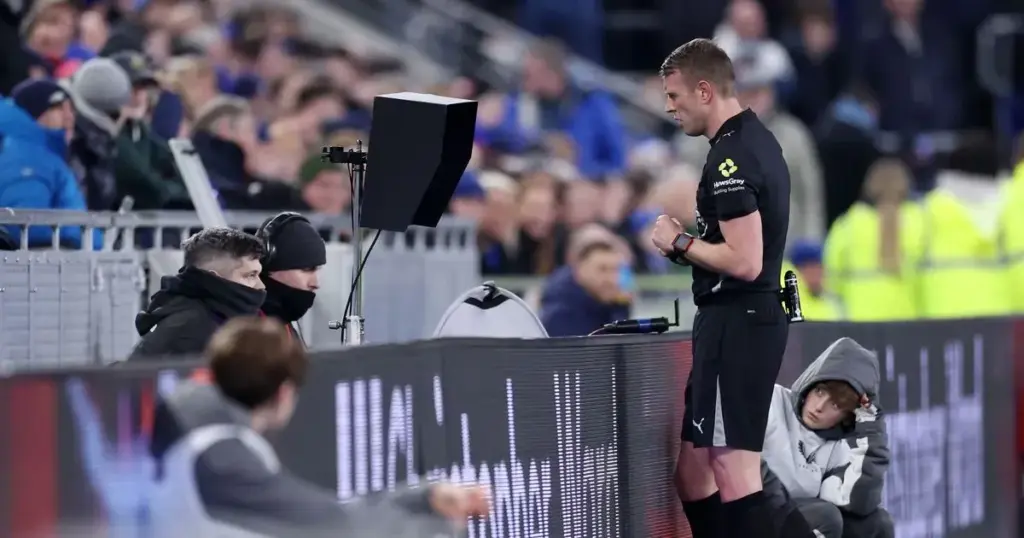
In a highly contested match, the VAR decision regarding Patrick Dorgu’s goal for Manchester United raised significant debate among fans and analysts alike. The initial worry surrounding whether Dorgu handled the ball before scoring challenged the integrity of the goal, leading to intense scrutiny. Mike Dean, the former Premier League referee, clarified that the VAR outcome was inconclusive, meaning the goal would stand as valid despite implications of a handball. This incident highlights the ongoing controversies surrounding VAR implementations, especially in critical Premier League matches, where every decision can sway the game’s outcome.
The implications of the Arsenal VAR verdict reach beyond just this match; they serve as a reflection of the broader issues within VAR usage in the Premier League. Fans often grapple with the inconsistency of decisions made by referees, especially when the video evidence fails to provide clear conclusions. This instance, as explained by Dean, exemplifies the challenges that officials face when interpreting the rules regarding handball, further igniting discussions around the definition of handball and its enforcement in the game. Thus, Arsenal’s heartbreak could pave the way for a reevaluation of VAR protocols in future matches.
Analyzing Manchester United Goals: A Case Study in Tactical Efficiency
Manchester United’s ability to find the net against Arsenal illustrates a strategic understanding that has evolved under their current management. The team showcased a blend of creativity and decisiveness, particularly with Patrick Dorgu’s stunning strike following well-executed one-twos with Bruno Fernandes. Such fluid attacking play not only highlights individual brilliance but also reflects a tactical approach that leverages quick movement to capitalize on defensive errors, starkly contrasting Arsenal’s approach post-goal. The quick succession of passes created an opening for Dorgu, demonstrating how United has refined their offensive tactics.
Moreover, analyzing how Manchester United responded to Arsenal’s early lead adds depth to our understanding of match dynamics. Instead of succumbing to pressure, they capitalized on mistakes—most notably, intercepting Declan Rice’s back pass to regain the momentum. This embodiment of resilience is crucial, especially in high-stakes matches, and emphasizes the importance of mental fortitude alongside technical skill. Ultimately, Manchester United’s goals were not just products of chance, but rather outcomes of a well-drilled strategy that encourages players to exploit vulnerabilities in their opponents’ defensive structures.
The Patrick Dorgu Goal: A Turning Point in Arsenal’s Season?
Patrick Dorgu’s goal marked a critical juncture in the match, one that could have far-reaching implications for Arsenal’s season. The sequence leading to Dorgu’s goal revealed cracks in Arsenal’s defensive strategy that had previously been a strength in their game. Before conceding, Arsenal had gained an early advantage, yet they appeared unfocused after taking the lead, a pattern criticized by football pundits such as Gary Neville. This lapse can serve as a lesson in maintaining composure and effectiveness, particularly at critical moments in matches.
Moreover, the internal dynamics of Arsenal’s squad have come under scrutiny following this goal. Tensions within the team seem apparent, as noted by football experts like Roy Keane. The emotional response displayed in the aftermath of the goal indicates a potential crisis of confidence amongst the players. Understanding how these challenges affect their performance is essential for Mikel Arteta as he navigates the remainder of the season. The need for tactical improvement and emotional resilience following pivotal moments like Dorgu’s goal cannot be overstated, as these elements can define their Premier League journey ahead.
Premier League VAR Controversy: A Persistent Challenge for Clubs
The ongoing VAR controversy within the Premier League has become a significant talking point for clubs and fans alike. The scrutiny surrounding decisions like the one affecting Patrick Dorgu’s goal underscores the substantial influence technology has on games. Controversies regarding VAR handball decisions frequently ignite passionate debates about fairness and the spirit of the game. Each instance where VAR fails to deliver clear judgment adds fuel to these discussions, challenging the confidence players and fans place in the system.
Further complicating matters is the apparent inconsistency in how VAR is applied across different matches. As seen in the Arsenal versus Manchester United encounter, the VAR ruling determined that the incident was inconclusive, yet similar situations in other games have led to varied outcomes. Such disparities can create an atmosphere of frustration among fans and teams, who demand clarity and consistency from officiating bodies. The lingering questions surrounding the effectiveness of VAR may force the Premier League to revisit its approach to video assistance, striving for a balance between safeguarding the integrity of the game while minimizing controversy.
Arsenal Match Analysis: Tactical Insights and Lessons Learned
An in-depth analysis of the Arsenal match against Manchester United reveals valuable lessons regarding tactical execution and adaptability. Arsenal started with a promising approach, dominating possession and creating chances early on. However, their inability to sustain control after taking the lead speaks volumes about their tactical maturity. Gary Neville’s critique of Arsenal’s management post-goal reflects a broader concern regarding whether the team can handle pressure in critical moments. This aspect of their game will be vital as they aim for success in the league.
Additionally, the match underlines the necessity for Arsenal to learn from their defensive shortcomings. Declan Rice’s costly back pass that led directly to United’s equalizer is a prime example of how lapses in concentration can be detrimental. Adopting a more cautious approach after going ahead could prevent similar setbacks in future matches. Understanding the need to maintain composure under pressure will be essential for Arsenal as they progress through what is already a competitive Premier League season.
Key Players in the Arsenal vs. Manchester United Match: Impact and Performance
The match between Arsenal and Manchester United showcased several key players whose contributions significantly impacted the game’s flow. Patrick Dorgu, scoring a stunning goal, exemplified the importance of having players capable of turning the tide in high-pressure situations. Through his dynamic movement and technical ability, Dorgu highlighted the dangers of United’s attack, stressing the need for Arsenal to tighten their defensive coordination when countered. This game reflects the critical role individual talents play in shaping outcomes in such high-stakes fixtures.
On the other hand, Arsenal’s Declan Rice faced scrutiny for his mistakes that led to crucial goals against his side. His back pass that allowed Bryan Mbeumo to equalize illustrated the psychological pressure players endure in elite competition. The match exemplifies how moments of brilliance and blunders can define a player’s reputation and the team’s overall efficacy. Going forward, both clubs will need to harness the strengths of their key players and minimize errors to improve their standings in the league.
Football’s VAR Evolution: Lessons from Arsenal vs. Manchester United
The ongoing evolution of VAR within football is illustrated through the recent Arsenal versus Manchester United match. The VAR handball decision related to Patrick Dorgu’s goal is a case study about the technology’s challenges in accurately assessing critical moments. As football continues to embrace technology, the imperative remains to refine processes that yield clear and prompt decisions. The calls for transparency around VAR operation grow louder as fans demand a dependable system that enhances, rather than complicates, the viewing experience.
Moreover, this match serves as a reminder of the delicate balance between human judgment and technological aid in officiating. Decisions generated by VAR can often lead to confusion, as experienced by fans and players alike. The lessons learned from incidents like Dorgu’s goal can guide future adjustments to the system to ensure criticisms are met constructively and lead to improvements. By addressing these issues, the Premier League can foster a positive relationship with the technology that aims to uphold the fairness of the game, enabling teams like Arsenal to focus on their performance rather than the controversies surrounding officiating.
Emotional Dynamics in High-Stakes Matches: Arsenal’s Performance Under Pressure
The emotional dynamics exhibited by Arsenal during their match against Manchester United speak to the challenges top teams face in high-stakes environments. The pressure that comes with expectations can significantly impact player performance, as seen when Arsenal struggled to maintain their composure after taking an early lead. The comments from pundits like Roy Keane indicate that external stressors may weigh on the team, revealing that managing such emotions is crucial for success. The psychological aspect of the game is as vital as physical skill, demanding robust mental fortitude from players.
In close matches, such as the one against United, emotional resilience becomes a determinant of outcomes. Arsenal’s temporary loss of focus after scoring could serve as a pivotal learning opportunity, guiding them to develop coping mechanisms for future encounters. The analysis of their emotional reactions can lead to more comprehensive strategies aimed at sustaining composure during critical moments. The ability to harness emotions and redirect them positively is essential for Arsenal’s growth and could be the key to future successes in tight fixtures.
Frequently Asked Questions
What was the Arsenal VAR verdict on the Patrick Dorgu goal?
The Arsenal VAR verdict confirmed that Patrick Dorgu’s goal for Manchester United would stand despite concerns over a possible handball. VAR reviewed the footage and declared the handling inconclusive, supporting the on-field decision that the goal was valid.
What led to the VAR handball decision during the Arsenal match analysis?
The VAR handball decision during the Arsenal match analysis centered around Patrick Dorgu’s goal, where it appeared he may have handled the ball before scoring. After a thorough review, VAR officials deemed the evidence inconclusive, allowing the goal to stand.
How does the Arsenal VAR verdict impact Premier League VAR controversy?
The Arsenal VAR verdict on Patrick Dorgu’s goal highlights ongoing Premier League VAR controversy, particularly regarding consistency in handball decisions. The inconclusive ruling reinforces the debate on VAR’s effectiveness in making definitive calls during critical moments of matches.
What were the reactions to the Manchester United goals and Arsenal VAR verdict during the game?
Reactions to the Manchester United goals and the Arsenal VAR verdict were mixed. Commentators and analysts expressed concerns about Arsenal’s defensive lapses, while praising the excitement of the VAR decision that allowed Dorgu’s goal to count despite the contentious handling issue.
What key moments should be highlighted in the Arsenal match analysis following the VAR handball decision?
In the Arsenal match analysis, key moments include the initial goal by Lisandro Martinez’s own goal, Declan Rice’s back pass leading to Bryan Mbeumo’s equalizer, and the VAR handball decision regarding Patrick Dorgu’s goal, which showcased both teams’ pressing and tactical responses throughout the match.
| Key Points |
|---|
| Manchester United scored early in the second half through Patrick Dorgu after his possible handball. |
| Mike Dean confirmed the goal would stand as VAR found the handball inconclusive. |
| Arsenal initially led the match 1-0 after Lisandro Martinez’s own goal. |
| Bryan Mbeumo equalized for Manchester United after intercepting a back pass. |
| Critics pointed out Arsenal’s poor management after taking the lead. |
| Analysts noted the air of nervousness around Arsenal after their initial goal. |
Summary
The Arsenal VAR verdict came down to a controversial call involving Patrick Dorgu’s potential handball during the match against Manchester United. Ultimately, the goal was allowed to stand due to inconclusive evidence from the VAR review, which stated that it appeared to have hit Dorgu’s hip instead. This decision sparked discussions regarding Arsenal’s performance and management in the match, particularly after taking an early lead, as they struggled to maintain their composure under pressure.

