Listen to this article
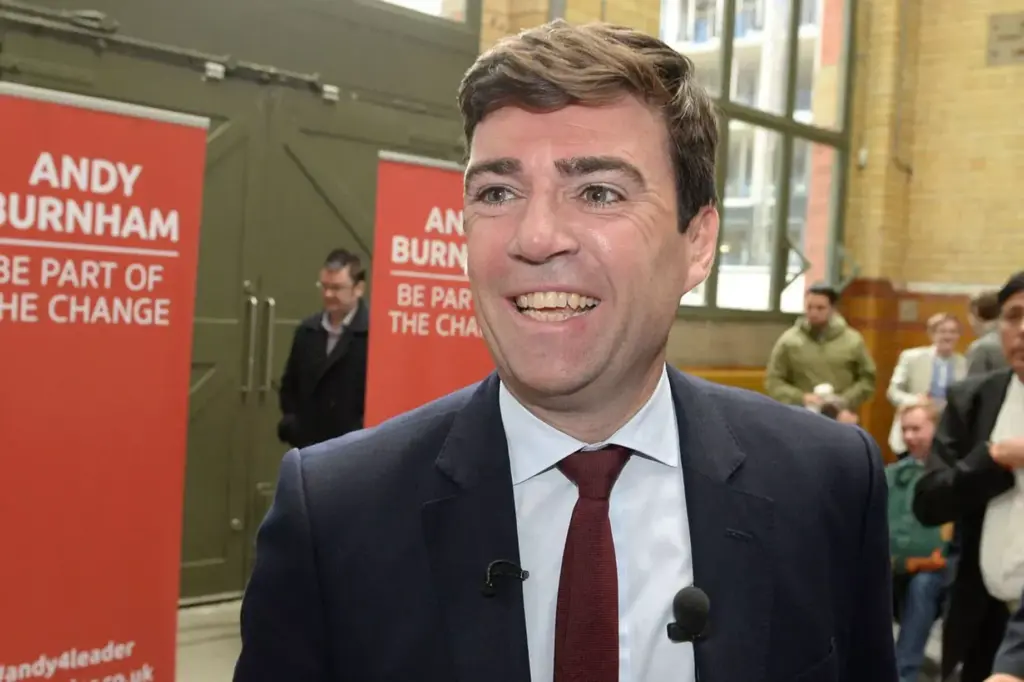
Andy Burnham’s candidacy for the Gorton and Denton parliamentary by-election has become a focal point of tension within the Labour Party, as his bid was blocked by the party’s ruling body. The decision not only prevents the directly elected mayor of Greater Manchester from contesting the vacant seat but also raises questions about Labour’s political strategies in the lead-up to local elections. With Burnham seen as a key contender for Labour Party leadership and backed by many within the party, the ruling has sparked a significant controversy. Supporters argue that this move undermines local democracy, especially at a time when party unity is critical amid pressures from Reform UK and other challengers. As reactions unfold, this political decision controversy may reshape the landscape of Labour Party politics and influence future leadership dynamics, especially concerning Burnham’s aspirations.
In the latest twist of Labour Party politics, the candidacy of Andy Burnham for the Gorton and Denton by-election has been abruptly halted, stirring intense debate among party members. This situation highlights not only the challenges faced by Labour in maintaining a united front but also the significant implications for the party’s future leadership aspirations. Burnham, who currently holds the office of Greater Manchester mayor, was positioned as a strong candidate, and the decision to block him raises critical questions about strategic planning within the party hierarchy. Some party insiders believe this move could jeopardize local electoral chances and fuel further dissent among members. As the situation develops, it will be essential to watch how this political gambit affects Labour’s image and Burnham’s potential role in shaping the party’s direction going forward.
Andy Burnham’s Candidacy Blocked in Gorton and Denton
In a surprising move, Andy Burnham, the elected mayor of Greater Manchester, has faced rejection from Labour’s national executive committee (NEC) in his attempt to stand as a candidate for the upcoming Gorton and Denton parliamentary by-election. This decision stems from the party’s concerns about the financial implications of a concurrent mayoral election, which they believe would distract from pressing national issues such as the ongoing cost-of-living crisis. Several party leaders, including Prime Minister Sir Keir Starmer, voted in favor of blocking Burnham, arguing that the economics simply do not support a dual election process at this time.
The vote against Burnham’s candidacy was strikingly one-sided, with reports indicating an 8-1 majority in favor of the decision. The prime minister’s involvement in this decision raises questions about the dynamics within Labour Party politics, notably if it is a power play to preserve leadership stability at a time when polls indicate troubling opposition to Labour. Many MPs have expressed their outrage, suggesting that the party’s ruling body is disregarding grassroots desires and potentially damaging its electoral prospects in the long run.
Frequently Asked Questions
Why was Andy Burnham’s candidacy blocked for the Gorton and Denton by-election?
Andy Burnham’s candidacy for the Gorton and Denton by-election was blocked by Labour’s national executive committee (NEC) to avoid an unnecessary mayoral election. The NEC cited that holding an election would waste taxpayers’ money and resources that are better allocated to addressing the cost-of-living crisis.
What impact does the decision against Andy Burnham’s candidacy have on the Labour Party’s leadership?
The decision to block Andy Burnham’s candidacy has sparked significant controversy within Labour Party politics. Burnham is viewed as a potential challenger to Prime Minister Sir Keir Starmer, and his exclusion from the race may inflame tensions, as many believe it weakens the party’s position going into the by-election.
How does Andy Burnham’s role as Greater Manchester mayor affect his candidacy in the Gorton and Denton by-election?
As the directly elected mayor of Greater Manchester, Andy Burnham required approval from the Labour NEC to stand for candidacy in the Gorton and Denton by-election. The NEC’s decision reflects their stance against allowing mayors to run in parliamentary by-elections, which they argue could lead to costly elections and political divisions.
What are the consequences of blocking Andy Burnham’s candidacy for the Labour Party?
Blocking Andy Burnham’s candidacy has drawn anger from many Labour MPs and could potentially lead to challenges against Sir Keir Starmer’s leadership. Critics argue this decision undermines the democratic choice of local party members and may cost Labour support in upcoming elections.
What did Labour Party leaders say about Andy Burnham’s performance as mayor following the NEC’s decision?
Labour Party leaders, including Housing Secretary Steve Reed, praised Andy Burnham’s performance as mayor, stating he has been doing an excellent job. They emphasized that preventing a by-election was in the best interest of the Greater Manchester electorate, arguing voters generally do not favor mid-term elections.
What are the possible reasons for the NEC’s decision to prevent Burnham from standing in the by-election?
The NEC’s decision to prevent Andy Burnham from standing was based on concerns about the costs associated with a by-election and the potential for a divisive campaign. The committee highlighted the importance of preserving Labour’s control over Greater Manchester while focusing resources on critical issues, like the cost-of-living crisis.
What other candidates are being considered for the Gorton and Denton by-election after Burnham’s candidacy was rejected?
Following the rejection of Andy Burnham’s candidacy, the Labour Party will now select another candidate for the Gorton and Denton by-election. Local party members will vote on shortlisted candidates after the application deadline.
What implications does Burnham’s blocked candidacy have for the future of Labour in Greater Manchester?
The decision to block Andy Burnham’s candidacy could hinder Labour’s appeal in Greater Manchester, especially given the party’s diminishing popularity. Critics worry that excluding their strongest candidate may adversely affect Labour’s chances against challengers like Reform UK in upcoming elections.
| Key Points |
|---|
| Andy Burnham was blocked from running in the Gorton and Denton by-election by Labour’s NEC. |
| The NEC cited avoiding unnecessary mayoral elections and saving taxpayer money as reasons for their decision. |
| Burnham, a popular mayor and former minister, is seen as a potential leadership challenger to Prime Minister Keir Starmer. |
| There is significant backlash against the NEC’s decision from Labour MPs, highlighting party tensions. |
| The Gorton and Denton seat was made vacant by Andrew Gwynne’s resignation and traditionally votes Labour. |
| Labour’s decision may risk weakening their position in upcoming elections, amid challenges from Reform UK and the Green Party. |
| The NEC believes Burnham’s candidacy could cost the party and the taxpayer millions during the cost-of-living crisis. |
Summary
The Andy Burnham candidacy has become a contentious subject within the Labour Party following the NEC’s decision to block him from standing in the upcoming Gorton and Denton by-election. This decision raises concerns about the party’s unity and strategy, especially with the looming threat from rival parties like Reform UK. As tensions rise among Labour MPs and members regarding the implications of this move, the future of Burnham’s political trajectory and his potential role in party leadership remains uncertain. The decision reflects broader organizational challenges within Labour, as they navigate key elections while attempting to maintain support among their constituents.