
Listen to this article
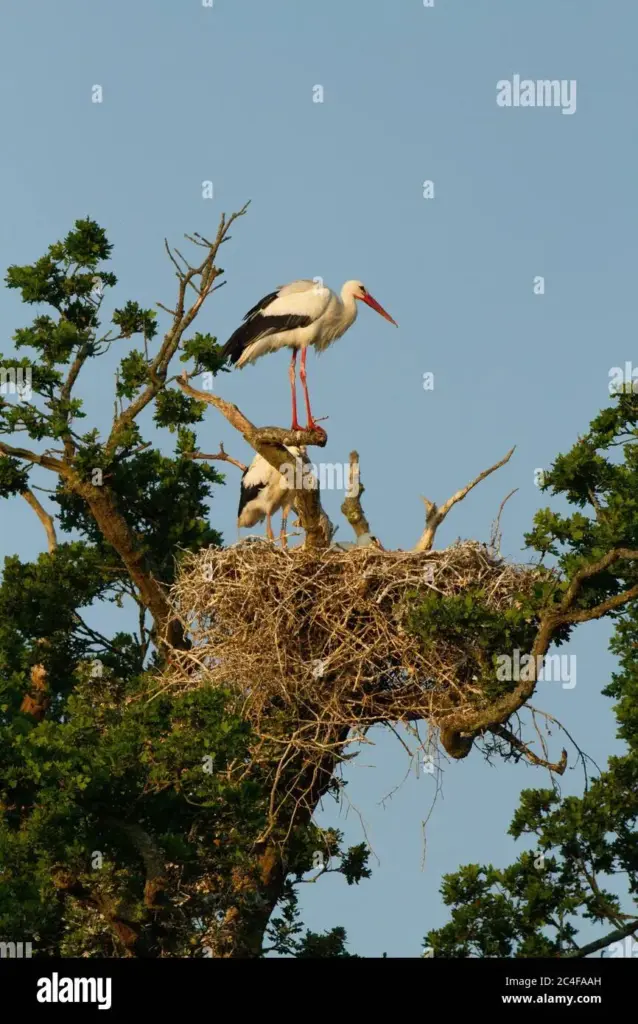
White storks reintroduction to London marks a significant step in revitalizing the capital’s wildlife, as they return after centuries of absence. Council leaders in Dagenham have approved plans to establish Eastbrookend Country Park as a sanctuary for these magnificent birds, embodying the broader aims of nature conservation in the UK. Alongside this initiative, the borough will welcome a new colony of beavers in The Chase nature reserve, further enhancing efforts in reestablishing native species. Events surrounding this wildlife initiative have generated a flurry of positive Barking and Dagenham news, emphasizing the community’s role in fostering biodiversity. These projects highlight the importance of urban green spaces in supporting various species, aligning perfectly with initiatives aimed at enriching London’s natural habitats.
The restoration of white storks, a species once native to the UK, serves as a beacon of hope for urban wildlife in London. This ambitious project seeks to not only bring storks to Eastbrookend Country Park but also rewild the area through the introduction of beavers, transforming local ecosystems. With ongoing partnerships between local councils and wildlife organizations, the focus remains on creating a sustainable environment that benefits both residents and nature alike. As these communities embrace an era of nature conservation, they are poised to witness firsthand the return of iconic species, and thus, strengthen their ties to the natural world. Such initiatives reflect a growing trend in urban wildlife management, propelling Barking and Dagenham into the forefront of ecological revival.
The Historical Significance of White Storks Reintroduction
The reintroduction of white storks to London marks a significant event not just for the borough of Barking and Dagenham, but for the entire ecological landscape of the UK. After centuries of absence due to hunting and habitat loss, their return signals a renewed commitment to biodiversity and nature conservation in urban settings. As these majestic birds settle into Eastbrookend Country Park, they bring with them the hopes of revitalizing local wildlife populations and habitats, making the area a crucial focal point for conservation efforts.
Local residents and nature enthusiasts alike will find this historical initiative quite captivating as they witness a species once native to Britain reclaim its rightful place. The authority’s decision to partner with organizations like the London Wildlife Trust underscores the collaborative approach needed to tackle modern conservation challenges. This reintroduction serves not only as a landmark environmental project but also as a rallying point for community engagement and appreciation of London’s wildlife initiatives.
Beaver Colonies: The Restoration of Ecosystems
Alongside the expected arrival of white storks, the reintroduction of beavers to The Chase nature reserve offers an equally exciting opportunity for biodiversity restoration in London. Beavers are known as ecosystem engineers, meaning their activities—such as dam building—enhance water quality and increase habitat diversity for various flora and fauna. Their return to the UK after centuries of absence showcases a growing recognition of the importance of restoring damaged ecosystems and the crucial role these animals play in sustaining healthy environments.
The planned release of beavers into a specially designed lakeside enclosure is set for March 2027, with anticipation building within the community. Educational opportunities surrounding their reintroduction will empower local residents to understand the significance of beavers in nature. By witnessing these creatures at work, residents can better appreciate the balance of local ecosystems and the broader implications of wildlife initiatives. The project promises a wilder, greener park that exemplifies modern nature conservation efforts in the heart of urban London.
Understanding Nature Conservation in Urban Areas
Nature conservation in urban settings like Barking and Dagenham presents unique challenges and opportunities. Urban wildlife initiatives focus on maintaining biodiversity while managing the human and ecological interactions in densely populated areas. The collaboration between local councils, community organizations, and conservation groups illustrates a proactive approach to managing green spaces, such as Eastbrookend Country Park. These efforts reflect a commitment to creating sustainable habitats in urban areas, crucial for the overall health of urban ecosystems.
Engaging communities in nature conservation can foster a sense of responsibility and excitement about local wildlife. As seen with the pending introduction of white storks and beavers, providing residents with direct access to wildlife through guided walks and educational workshops motivates community members to advocate for local environmental initiatives. Such involvement not only nurtures a love for nature but also empowers communities to take action and support ongoing conservation projects.
Funding and Community Support for Wildlife Initiatives
Securing funding is vital for the success of wildlife initiatives, such as the reintroduction of white storks and beavers in Barking and Dagenham. The project benefits from financial support from City Hall, government agencies, and corporate sponsors. This collaborative funding model highlights the importance of community and corporate partnerships in enhancing urban biodiversity. By alleviating financial burdens on local taxpayers, these initiatives can focus on creating a sustainable and thriving ecosystem.
Community support plays an essential role in the longevity of these wildlife projects. The hiring of a species recovery officer will help coordinate volunteer efforts and educational programs in schools, cementing the community’s role in nurturing the environment. Workshops and guided walks will further involve residents, creating a stronger bond between individuals and their local wildlife. Through collective efforts, the community’s enthusiasm will bolster ongoing conservation efforts, ensuring that these initiatives are not one-off events but part of a sustainable action plan for nature conservation in the borough.
The Role of Local Government in Wildlife Restoration
Local government officials, such as Councillor Saima Ashraf, play a pivotal role in wildlife restoration efforts. By championing initiatives like the reintroduction of white storks and beavers, they can significantly influence public sentiment and engagement in conservation matters. Their support not only legitimizes the projects but also mobilizes resources and community backing, ensuring these efforts align with broader environmental goals. This proactive governmental approach enhances the effectiveness of conservation initiatives in urban settings.
Moreover, local governments must advocate for policies that protect wildlife habitats while promoting public awareness. Councillor Ashraf’s excitement regarding the project and forthcoming educational opportunities illustrates how passionate leadership can inspire community involvement. As residents see their local council prioritizing the environment, it instills a sense of pride and responsibility, motivating them to engage in conservation activities and support the local wildlife initiatives.
Barking and Dagenham: A Model for Urban Wildlife Management
Barking and Dagenham is emerging as a model for urban wildlife management with its ambitious projects to reintroduce white storks and beavers. These initiatives highlight how local councils can implement effective conservation strategies while enhancing community connection to nature. By showcasing successful partnerships and gathering financial support, other boroughs can replicate this model to rejuvenate their urban landscapes. The proactive approach taken by council leaders sets a standard for nature conservation in cities across the UK.
The borough’s commitment to nature conservation showcases how urban areas can balance development with ecological preservation. By creating green spaces like Eastbrookend Country Park, councils not only address biodiversity loss but also enhance residents’ quality of life by providing interaction with wildlife. As these initiatives move forward, Barking and Dagenham could inspire similar municipal efforts throughout the UK, further driving the movement for urban wildlife conservation.
The Importance of Educational Outreach in Conservation
Educational outreach plays a crucial role in fostering awareness and appreciation for local wildlife among residents. As Barking and Dagenham’s conservation projects roll out, programs highlighting the reintroduction of white storks and beavers will be tailored to engage schools and community members. These educational activities are vital in developing a deeper understanding of ecological issues and the necessity of protecting local habitats. By encouraging interaction between the public and wildlife, educational outreach makes conservation personal.
The initiatives to offer guided walks, workshops, and nature walks are designed to enrich community experience while showcasing the importance of biodiversity. This hands-on approach enables participants to witness wildlife behavior and the impact of conservation efforts first-hand. By creating memorable learning experiences, residents are likely to foster a love for local ecology, encouraging them to take an active role in future conservation efforts and ensuring the sustainability of the ecosystem long-term.
Creating Sustainable Habitats in Urban Landscapes
Creating sustainable habitats within urban landscapes presents both unique challenges and opportunities for wildlife conservation. In Barking and Dagenham, the effort to reintroduce species like white storks and beavers highlights the potential for urban parks and greenspaces to become vital reservoirs for biodiversity. By adopting measures that enhance habitats, the community can ensure that these species thrive and support a richer ecological network surrounding them. This holistic approach emphasizes that cities can coexist with nature rather than dominate it.
Through careful planning and management, urban wildlife initiatives can lead to the revival of natural habitats even in the heart of cities. Community involvement is crucial in maintaining these environments, as local support fosters a collective commitment to sustainability. By participating in conservation projects and engaging in the development of green spaces like Eastbrookend Country Park, community members contribute to fostering habitats that are home to diverse species, ultimately enhancing the urban ecology of London.
Future Prospects for London’s Wildlife Conservation
The future prospects for wildlife conservation in London look promising with initiatives spearheaded by Barking and Dagenham council. The successful reintroduction of white storks and beavers may pave the way for more species recovery projects across the city. As these pioneering efforts begin to show results, they will likely inspire confidence and growth in urban wildlife initiatives, pushing for greater collaboration among stakeholders, including local governments, community organizations, and environmental groups.
As more residents recognize the importance of biodiversity, the collective action will strengthen the city’s ecosystem resilience against urbanization pressures. Programs that educate communities about wildlife, such as the ones planned for Eastbrookend Country Park and The Chase, will also play a crucial role in shaping public perception and action concerning urban wildlife. The ongoing commitment to promoting biodiversity in London reflects a broader shift toward sustainable living—an essential aspect of ensuring future generations can enjoy and learn from nature.
Frequently Asked Questions
What is the significance of the white storks reintroduction in London wildlife initiatives?
The white storks reintroduction in London wildlife initiatives marks a historic effort to restore a species that has been extinct in the UK for centuries. Announced by Barking and Dagenham Council, this initiative at Eastbrookend Country Park aims to create a thriving urban wildlife environment, showcasing the borough’s commitment to nature conservation in the UK.
How will the reintroduction of white storks impact nature conservation efforts in Barking and Dagenham?
The reintroduction of white storks is expected to significantly enrich local biodiversity and enhance nature conservation efforts in Barking and Dagenham. As a part of broader London wildlife initiatives, this project aims to inspire community engagement and educate residents about the importance of preserving and restoring native wildlife habitats.
What facilities are being prepared for the white storks reintroduction at Eastbrookend Country Park?
Eastbrookend Country Park will feature a specially designed aviary and grassland areas to accommodate the reintroduced white storks. This setup will provide a nurturing environment for the storks, allowing them to breed and eventually contribute to a new population in London.
Who is involved in the white storks reintroduction project in Barking and Dagenham?
The white storks reintroduction project is a collaborative effort between Barking and Dagenham Council and the London Wildlife Trust. Together, they are generating support through funding from City Hall, the government, and corporate sponsors, ensuring the project is cost-effective for local taxpayers while promoting wildlife in the region.
Will the reintroduction of white storks include educational programs for the community?
Yes, the project will incorporate educational programs, including free guided walks and workshops focused on wildlife education. Residents will have the opportunity to learn about the white storks and their role in the ecosystem, further increasing awareness of nature conservation in the UK.
When will the white storks be released into Eastbrookend Country Park?
The specific timeline for the white storks’ release into Eastbrookend Country Park has not been stated; however, the project is actively in motion to prepare for their arrival and establishment of a breeding population, following their initial stay in the aviary.
How does the reintroduction of white storks relate to the overall conservation of UK wildlife?
The white storks reintroduction plays a crucial role in the overall conservation of UK wildlife by marking a bold step towards restoring historic native species. Such initiatives not only promote biodiversity but also serve as a catalyst for local communities to engage in wildlife conservation efforts, reinforcing the importance of maintaining diverse ecosystems in urban areas.
| Key Point | Details |
|---|---|
| Reintroduction Location | Eastbrookend Country Park in Dagenham will house the white storks. |
| Historical Context | White storks and beavers were hunted to extinction in the 15th and 16th centuries in Britain. |
| Council Leadership | Saima Ashraf, deputy leader, calls it a bold moment for nature’s comeback. |
| Project Leadership | The London Wildlife Trust is partnering with the council to oversee the reintroduction. |
| Funding Sources | Funding secured from City Hall, government, and corporate sponsors. |
| Aviary Design | A specially designed aviary will support breeding and reintroduction of white storks. |
| Beavers Release | Scheduled for release into The Chase’s lakeside enclosure in March 2027. |
| Community Involvement | Plans for nature walks, educational opportunities, and no cost to taxpayers. |
| Future Prospects | Chicks reared will help establish a new breeding population for white storks. |
Summary
The reintroduction of white storks marks a significant step towards restoring native wildlife to London. This initiative not only brings back a historical species but also enhances biodiversity in the region. The collaborative effort between the council and the London Wildlife Trust highlights the commitment to creating sustainable habitats for both white storks and beavers. The community engagement planned around this project provides education and awareness, ensuring that the return of these species is celebrated and supported by local residents.