
Listen to this article
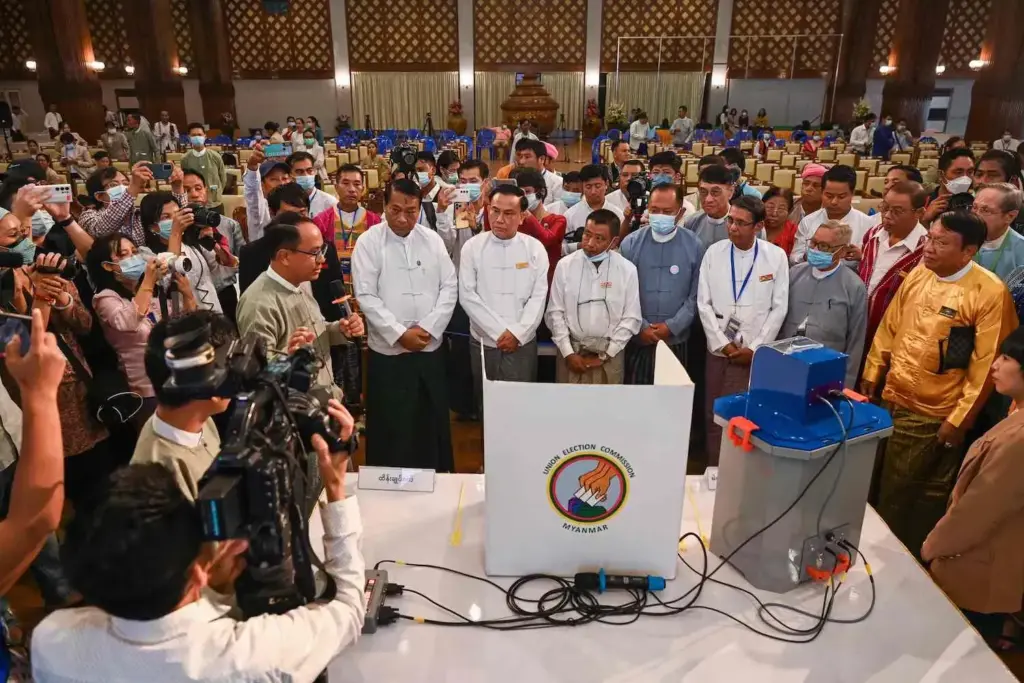
Myanmar elections have recently concluded under controversial circumstances, provoking concerns among international observers regarding their legitimacy. Conducted by a military junta that has held power since a coup in 2021, these elections are widely described as sham elections Myanmar, particularly when numerous popular parties were banned from participating. Amid the backdrop of a raging civil war Myanmar, citizens in only a fraction of the nation were able to cast their votes, resulting in a narrowed electorate heavily favoring the ruling Union Solidarity and Development Party (USDP). Critics note that the elections took place in an environment marked by fear and intimidation, as the Myanmar military junta sought to portray the process as free and fair despite overwhelming evidence to the contrary. As the international community continues to scrutinize the Myanmar political situation, the expected USDP victory casts a long shadow over the country’s path to recovery and reconciliation.
The recent electoral process in Myanmar, commonly referred to as elections under military rule, has drawn significant attention for its questionable legitimacy. Conducted in a climate rife with restrictions and state-controlled narratives, these polls highlight the complexities of governance within a country grappling with a brutal civil conflict. Many political factions and civil society actors were effectively silenced, raising alarms about the fairness of the proceedings and leading many to label the event as a fraudulent exercise in democracy. This concerning political landscape is made all the more intricate by the backdrop of ongoing warfare, where the military regime’s dominion appears unthreatened while opposition forces face severe suppression. The anticipated USDP triumph, accompanied by the junta’s stated goals of advancing Myanmar’s political stability, remains clouded by doubts and unresolved tensions.
The Current State of Myanmar Elections
The recent elections in Myanmar have been widely criticized as a sham, orchestrated by the military junta currently in power. Observers note that the elections were conducted under conditions that severely restricted genuine democratic participation, with many prominent political parties barred from taking part, significantly undermining the electoral process. As such, the ruling military’s Union Solidarity and Development Party (USDP) is anticipated to achieve a landslide victory, reflecting the lack of true competition and the political stranglehold that the junta maintains over the country.
Despite claims of a free and fair election from the military regime, the reality on the ground presents a starkly different picture. Reports from various polling stations indicate a climate steeped in fear and intimidation, discouraging citizens from expressing their opinions about the vote. This adverse atmosphere is compounded by the ongoing civil war in Myanmar, which has inhibited voting in numerous areas, leaving large swathes of the population disenfranchised.
Impact of the Myanmar Military Junta on Political Dynamics
Since seizing control in a coup in 2021, the Myanmar military junta has effectively dismantled the democratic framework that many citizens were beginning to embrace. The dissolution of the National League for Democracy (NLD) led by Aung San Suu Kyi, alongside the ongoing ban on several opportune political entities, underscores the regime’s motives to establish a one-party system. With the military firmly backing the USDP, the elections are perceived not as a measure of public choice but rather as a mechanism to legitimize the junta’s authority.
Furthermore, this political restructuring under the military’s directive further complicates the existing civil war in Myanmar. The junta’s strategies not only include military engagements against various resistance factions but also a campaign to control and suppress any dissenting political movements. As such, the political situation is characterized by an ongoing struggle for power, one that is heavily influenced by repressive measures taken against those who oppose them.
Implications of the Latest Election Results
With the expected victory of the USDP following the recent sham elections, the implications for Myanmar’s political landscape are profound. The military-drafted constitution will dictate that Parliament convenes within the following two months to elect a new president, widely anticipated to be the coup leader, General Min Aung Hlaing. This continuity of military leadership, disguised in a civilian facade, raises concerns that little substantive change will occur following the elections, perpetuating the status quo of repression and instability.
As the newly elected body prepares to take its position, analysts are keenly observing how the junta plans to address external pressures and internal strife exacerbated by the civil war. While it is hoped that the inclusion of more political voices could elicit some reform, the prevailing skepticism remains; genuine political dialogue may still be a distant prospect amid the complex web of military dominance and regional tensions.
The Role of International Observers in Myanmar Elections
International observers have consistently pointed out the serious flaws ingrained in Myanmar’s electoral processes, particularly following the military coup. During the recent elections, the absence of independent monitoring and the constraints placed on free expression by the junta have drawn considerable scrutiny from global human rights organizations. This scrutiny aligns with growing calls from the international community for accountability in the face of the military’s ongoing violations against its citizens.
The diplomatic discourse surrounding these sham elections reveals a conflicted stance on Myanmar’s political situations, as nations grapple with balancing engagement and condemnation. Many countries have issued statements denouncing the elections as illegitimate, yet engagement appears pressing for addressing humanitarian crises exacerbated by the civil war. Thus, determining the right approach remains a contentious issue, as the future of democratic principles in Myanmar hangs in the balance.
Civil War and Its Consequences for Myanmar
The ongoing civil war in Myanmar has created a humanitarian disaster, significantly impacting the political landscape and complicating any potential pathway to peace. With various ethnic armed groups resisting the military’s rule, the conflict has displaced millions and resulted in thousands of casualties. The junta’s efforts to regain control through military aggression have only acted to intensify opposition and deepen societal divisions, crippling efforts toward national reconciliation.
Moreover, the civil war has crippled Myanmar’s economy, leading to widespread poverty and suffering among its citizens. International funding cuts, in combination with the economic fallout from ongoing conflict and natural disasters, have created a vacuum of support for the displaced populations. It becomes increasingly clear that without addressing the root causes of this civil strife, including the political oppression typified by the sham elections, prospects for peace and recovery remain bleak.
Military Coups: The Pattern in Myanmar’s History
Myanmar’s history is marred by a series of military coups that have repeatedly interrupted democratic processes and instigated cycles of political turmoil. The recent coup in 2021, which ousted the democratically elected government, stands as a continuation of a trend where the military imposes its will at the expense of civil governance. This historical narrative feeds into current perceptions of the sham elections, as citizens reflect on past experiences of disillusionment with military rule.
The repetitive nature of these events poses critical questions about the future of democracy in Myanmar. As international observers note, the frequent disruption by the military has fostered an environment that is inhospitable to democratic ideals, raising concerns about the prospects for longer-term stability. Addressing the legacies of these past military interventions is essential for any meaningful political discourse to emerge in the aftermath of the latest electoral exercise.
Public Sentiment and Fear in Myanmar’s Elections
The atmosphere surrounding the recent elections in Myanmar has been overshadowed by a palpable sense of fear among the population. Many citizens expressed trepidation about voicing their opinions on the elections, aware of the potential consequences of dissent in a climate closely monitored by military and police authorities. Reports indicate that polling day was preceded by an unsettling campaign period marked by intimidation, leaving many believing that their input would not effect real change.
Public sentiment towards these elections reflects a broader disillusionment with the political process under military rule. Observers have noted that even in the polling stations, while the voting proceeded with a semblance of order, there was a noticeable apprehension amongst voters who feared repercussions for expressing their political views. This pervasive atmosphere of fear highlights the challenges facing any movement toward genuine democratic reform in Myanmar.
Future Prospects for Myanmar Amid Political Unrest
Looking beyond the recent sham elections, the prospects for Myanmar’s political future remain fraught with uncertainty. While international actors continue to call for the restoration of democratic governance, the entrenched military junta appears unwavering in its grip on power. The anticipated election of General Min Aung Hlaing as president underscores the likelihood of continued military domination, suggesting that the regime is disinclined to pursue a path toward national reconciliation.
However, there exists a critical ongoing discourse within Myanmar itself. As internal factions seek to galvanize opposition against the junta’s oppressive regime, there may be a glimmer of hope for political reawakening. Nevertheless, the road ahead will require steadfast resilience and unity among dissenting voices, as they work towards dismantling the entrenched systems perpetuated by years of military rule.
International Responses to the Sham Elections
The international community has responded to Myanmar’s recent elections with widespread condemnation, labeling them a farce designed to subjugate the will of the people under military control. Analysts have pointed out that the legitimacy of the elections has been utterly compromised by the exclusion of dissenting parties and the overarching environment of fear and repression. Such actions have drawn calls for renewed sanctions and a re-evaluation of foreign diplomatic relations with the junta.
Furthermore, humanitarian organizations are pressing for greater international action to support the millions affected by the civil war and the political circumstances that have led to their displacement. These responses indicate a growing recognition that without changing the fundamental dynamics that enable military rule, the cycle of violence and oppression in Myanmar is likely to persist. This complex interplay of international pressure and local dissent could potentially shape the landscape for future political choices in Myanmar.
Frequently Asked Questions
What are the implications of the Myanmar elections under the military junta?
The Myanmar elections held under the military junta are largely considered sham elections. With many opposition parties banned and a civil war ongoing, the military-backed Union Solidarity and Development Party (USDP) is expected to secure a significant victory, perpetuating the junta’s control and undermining democratic processes.
How does the civil war impact the Myanmar elections?
The ongoing civil war in Myanmar significantly affects the elections, as voting has been impossible in numerous regions. This conflict has created a climate of fear and intimidation, limiting citizens’ ability to participate freely in the electoral process, which further casts doubt on the legitimacy of the elections.
Why are the Myanmar elections considered a sham?
The Myanmar elections are viewed as a sham due to the exclusion of popular opposition parties, widespread voter intimidation, and unequal voting conditions amid an ongoing civil war. Critics argue that these factors undermine any claims of a free and fair election as promoted by the military junta.
What role does the USDP play in the Myanmar elections?
The Union Solidarity and Development Party (USDP), backed by the military junta, plays a pivotal role in the Myanmar elections. Anticipated to win a landslide victory, the USDP’s dominance continues to symbolize the military’s grip on power, perpetuating political control in the absence of genuine democratic competition.
What changes can we expect in Myanmar’s political situation after the elections?
Following the Myanmar elections, a possible continuation of the existing military regime is expected. The elections will reinforce the junta’s power, with Gen Min Aung Hlaing likely to be appointed president, maintaining the status quo amid ongoing civil unrest and humanitarian crises.
How do international opinions affect the legitimacy of the Myanmar elections?
International criticism labeling the Myanmar elections as illegitimate highlights the military junta’s failure to adhere to democratic principles. While the junta claims the elections are free and fair, the global community largely views them as a means to legitimize their ongoing rule amid a severe civil war and repression of political opposition.
What are the prospects for peace in Myanmar after the elections?
The prospects for peace in Myanmar post-elections remain grim. While some believe the election outcome could open avenues for political dialogue, the entrenched military power dynamics, ongoing civil conflict, and the lack of genuine representation raise significant doubts about any progress towards resolution.
What is the reaction of the population to the Myanmar elections?
The population’s reaction to the Myanmar elections is characterized by fear and skepticism, largely impacted by the civil war and military repression. Many citizens feel intimidated to voice their opinions, and there is a pervasive belief that the elections will not lead to meaningful change in the political landscape.
| Key Point | Details |
|---|---|
| Election Overview | Polling has closed after a final stage of voting, widely seen as sham elections. |
| Banned Parties | Many popular parties are banned from standing, limiting competition. |
| Civil War Impact | Voting was not possible in large areas due to ongoing civil conflict. |
| Expected Outcome | The military-backed USDP is projected to win a landslide victory. |
| Election Criticism | The regime claims elections are free and fair despite international criticism. |
| Polling Experience | Despite a peaceful voting atmosphere, a sense of fear and intimidation prevailed. |
| Future Political Landscape | Parliament will soon choose a new president, likely the coup leader Gen Min Aung Hlaing. |
| Civil-Military Relations | Expected to lead to continued military influence in politics despite a civilian facade. |
| Ongoing Conflict | The military faces armed resistance and ethnic forces while dealing with civil war consequences. |
| Humanitarian Crisis | The conflict has resulted in thousands of deaths and millions displaced, worsening humanitarian conditions. |
Summary
The Myanmar elections, marked by significant controversy and criticism, solidify the military’s grip on power despite ongoing civil conflict. With many parties banned and voting restricted in large regions, the legitimacy of this electoral process is heavily questioned. As the military-backed USDP prepares for a decisive victory, the future of Myanmar remains precarious, with fears of continued civil strife and humanitarian crises prevailing.

