
Listen to this article
The recent discovery of faulty brakes in DLR trains has raised significant concerns for commuters and safety regulators alike. The automated B23 trains, which were expected to enhance the Docklands Light Railway (DLR) services, were abruptly withdrawn just six weeks after their introduction. A failure to stop correctly at a platform has resulted in a thorough investigation by Transport for London (TfL) into the underlying issues affecting these new trains. As one of the pivotal transport networks in London, the implications of these faulty brakes extend beyond immediate safety, affecting the overall operational efficiency of the DLR. With an average of 340,000 passengers relying on its services daily, TfL remains focused on rectifying the situation swiftly and minimizing disruptions.
The Docklands Light Railway, a crucial component of London’s public transportation system, is currently facing serious challenges following the withdrawal of its newest trains due to brake failures. These recently introduced B23 models were designed to offer improved performance and passenger experience but have instead drawn attention to issues of reliability. Transport for London (TfL) is prioritizing investigations into these mechanical failures to ensure safe travel for all users. As the authority tackles this setback, it remains committed to maintaining regular light rail operations, vowing to manage service continuity with older models in the interim. The incident emphasizes the complexities involved in integrating new technology into existing transit frameworks and highlights the need for stringent safety measures in urban transport.
Introduction of New DLR Trains and Their Challenges
The introduction of new Docklands Light Railway (DLR) trains has generated considerable excitement among commuters and transport authorities alike. However, recent developments have raised concerns about the reliability of these new B23 trains. Shortly after their rollout, it became apparent that these automated trains had serious issues with their braking systems, prompting Transport for London (TfL) to take immediate action to withdraw them from service. This decision reflects the importance of safety over convenience in public transport systems.
As the DLR serves a vital role in connecting key areas of London, including high-demand regions such as Stratford and the Isle of Dogs, the withdrawal of these new trains has raised questions about the future of service delivery. Transport for London is currently analyzing the root causes of the faulty brakes to ensure that the issue can be resolved swiftly, aiming to restore full service to their passengers as soon as possible.
Faulty Brakes Cause Operational Disruptions in DLR Services
The discovery of faulty brakes on the newly launched B23 DLR trains has significant implications for the operational efficiency of the Docklands Light Railway. Engineers are diligently working to identify the specific issues that caused one of the trains to fail to stop at a platform, resulting in the withdrawal of three critical services. This unexpected disruption comes at a time when the DLR has already been experiencing a reduced schedule due to the retirement of older trains earlier this summer, emphasizing the precarious balance of maintaining reliable transport services.
Despite these setbacks, TfL assures commuters that there was no impact on passenger safety during the incident, as it was isolated and no injuries were reported. Nevertheless, passengers may continue to feel the effects of this operational hurdle, given that 54 new trains were anticipated to enhance service delivery. Transport for London’s strategic response will be crucial in regaining passenger confidence and rectifying the issues with the faulty brakes, ensuring that the DLR remains a reliable mode of transport for thousands of Londoners.
Impacts on Passengers and Future Developments of DLR
As the Docklands Light Railway manages the fallout from the recent withdrawal of new trains due to faulty brakes, the passengers’ experience has understandably come under scrutiny. The ongoing issues underscore the challenges associated with introducing new rolling stock to existing transport networks, with adjustments required to ensure safety and operational effectiveness. With a ridership of about 340,000 passengers daily, the reliable function of DLR services is paramount.
In light of the current situation, older vehicles have been brought back into service to mitigate the impact of the withdrawn B23 trains. However, the lack of a specific timeline for when the new trains will return raises concerns about the DLR’s operational future. Providing updates and ensuring that improvements are made swiftly will be important for Transport for London as they aim to enhance customer service and expand capacity in line with their growth plans for new homes and jobs in critical areas of London.
Safety Commitment by Transport for London
Following the incident involving the new DLR trains, Transport for London has reaffirmed its commitment to passenger safety. The swift response to withdraw the newly introduced trains highlights the organization’s prioritization of safety protocols in light of the faulty brakes. TfL’s engineers are focused on thoroughly investigating the cause of the issue and will implement modern solutions to prevent a recurrence in the future.
TfL’s dedication to maintaining a safe transit environment for its daily riders is critical as they plan for the future of the Docklands Light Railway. By prioritizing safety over immediate operational efficiency, TfL is demonstrating its commitment not only to current passengers but also to fostering trust and reliability in the overall transport system in London.
Customer Service Perspectives Amidst DLR Challenges
Despite the setbacks caused by the withdrawal of the new DLR trains, Scott Haxton, TfL’s director of capital delivery infrastructure, emphasizes that from a customer service perspective, it’s “very much business as usual.” This commitment to maintaining a level of operational service, even amidst challenges, is critical in ensuring that public transport continues to meet the demands of London’s bustling environment.
Haxton’s comments reflect an awareness that introducing new fleet technology to existing transportation frameworks can lead to performance-related issues as systems adjust. The goal remains to integrate advanced vehicle technology effectively while ensuring it enhances the overall passenger experience on DLR services.
Future of DLR Services: Expectations and Innovations
The future of the Docklands Light Railway looks promising with expectations of improved services once the current issues with the B23 trains are resolved. These new vehicles are designed with advanced features such as air conditioning, mobile device charging points, and improved accessibility, which are all crucial for modern commuting. As the DLR plans to enhance its fleet, these innovations will significantly transform the commuter experience.
Moreover, the anticipated introduction of additional trains by the end of next year aims to support increasing passenger volumes and improve reliability. As London continues to grow, ensuring that DLR services remain capable of meeting the evolving needs of its users will be essential.
Technical Aspects of DLR: Understanding the B23 Trains
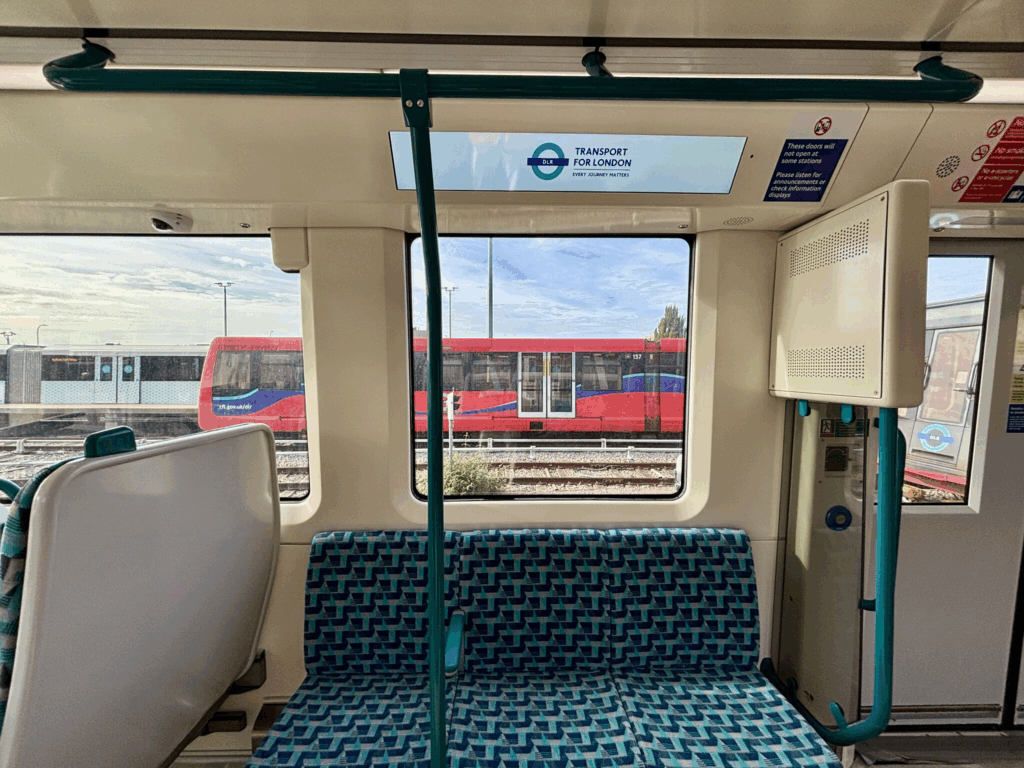
The B23 DLR trains incorporate advanced technology that is expected to boost operational efficiency once the initial technical issues are resolved. These trains not only represent a significant investment in upgrading the Docklands Light Railway fleet but also align with broader technological advancements in public transportation worldwide. A key feature is their automated operation, which aims to streamline services and reduce dependence on manual control.
Understanding the technical aspects, including the feature of walk-through carriages and enhanced loading capabilities, is vital for grasping how these changes can deliver a better transport experience. Addressing the faulty brakes will ultimately be a priority for engineers, ensuring these features can perform as intended.
Transport for London’s Strategy Moving Forward
As Transport for London navigates through the current challenges presented by the faulty brakes of the B23 DLR trains, a clear strategy for recovery and future development is paramount. Maintaining transparency with the public, providing updates on repairs, and ensuring safety will be at the forefront of TfL’s approach. The organization aims to foster a resilient public transport system that reflects not only the immediate responses to incidents but also addresses long-term infrastructure needs.
Going forward, TfL is likely to emphasize proactive measures and rigorous testing for new trains, ensuring that issues such as faulty brakes can be identified and corrected before any public rollout. This holistic approach will contribute to enhancing confidence in DLR services and reaffirming its importance as a vital component of London’s transport network.
Public Response to DLR’s Recent Developments
Public reaction to the recent news regarding the faulty brakes on the new DLR trains has been a mix of concern and cautious optimism. Commuters relying on the Docklands Light Railway are understandably anxious about service interruptions and the safety implications of the faulty braking system. However, many have also expressed appreciation for TfL’s transparency in addressing the matter swiftly.
With social media amplifying public sentiments, engagement from Transport for London regarding the status of the new B23 trains will be crucial. Providing consistent updates can help alleviate any worries from passengers and reinforce their commitment to maintaining safety and reliability throughout the network.
Frequently Asked Questions
What caused the withdrawal of DLR trains due to faulty brakes?
The withdrawal of the Docklands Light Railway (DLR) trains was prompted by the discovery of faulty brakes on the new B23 train model. An incident where a train failed to stop at a platform highlighted these brake issues, leading Transport for London (TfL) to take immediate action.
How many DLR services have been affected by the faulty brakes?
Following the identification of faulty brakes, three DLR services have been temporarily removed to ensure passenger safety until the issues are resolved.
What is Transport for London doing about the faulty brakes on DLR trains?
Transport for London (TfL) is currently analyzing the root cause of the faulty brakes on the new DLR B23 trains. They have apologized for the situation and are working on repairs, while older trains are being utilized to maintain service levels.
Have there been any injuries reported due to the DLR trains’ faulty brakes?
No injuries have been reported as a result of the faulty brakes on the Docklands Light Railway (DLR) trains. TfL has assured that the incident was isolated and that safety remains a top priority.
When are the new DLR B23 trains expected to be back in service after the brake issue?
While a specific timeline for the repairs of the DLR B23 trains with faulty brakes has not been provided by Transport for London (TfL), they have indicated that they are actively addressing the problem.
What features do the new DLR B23 trains offer despite the brake issues?
The new DLR B23 trains are designed with several amenities, including air conditioning, mobile charging points, and spaces for wheelchair users. They are expected to enhance passenger experience and increase capacity by 50% once fully operational.
How is the DLR schedule affected by the withdrawal of trains with faulty brakes?
Due to the withdrawal of the faulty DLR trains, a reduced schedule has been implemented. TfL is utilizing older vehicles to fill the gaps while they work to resolve the issues with the new train models.
What is the current status of the DLR ridership after the introduction of faulty brakes?
The Docklands Light Railway (DLR) continues to operate with a daily ridership of approximately 340,000 passengers, despite the reduced services due to the newly introduced trains’ faulty brakes.
Will the introduction of new DLR trains significantly improve services despite the brake issues?
Yes, although the new DLR trains experienced issues with faulty brakes, once fully resolved and operational, the B23 trains are expected to significantly improve reliability and support growth in areas served by the Docklands Light Railway.
Who is responsible for manufacturing the new DLR B23 trains with faulty brakes?
The new DLR B23 trains were manufactured by the Spanish company CAF. They introduced advanced features but have faced challenges with brake performance upon rollout.
| Key Point | Details |
|---|---|
| DLR Trains Withdrawn | The new B23 trains were withdrawn after faulty brakes were discovered. |
| Incident Report | One automated train failed to stop at a platform, prompting the withdrawal of three services. |
| Ongoing Analysis | Engineers are analyzing the cause of the braking issue. |
| No Injuries Reported | TfL confirmed no injuries have occurred despite the incident. |
| Customer Impact | Commuters are currently experiencing business as usual, despite the reduced schedule. |
| Timeline Unclear | TfL has not provided a timeline for repairs or returning the new trains to service. |
| Replacement Services | Older trains are currently being used to fill the gap left by the new stock. |
| Features of B23 Trains | The B23 stock includes air conditioning, charging ports, and more capacity. |
| Future Deployment | 54 new B23 trains are expected by the end of next year to enhance service. |
Summary
DLR trains faulty brakes have led to the withdrawal of new rolling stock just weeks after their introduction. Following an incident where a train failed to stop, Transport for London has taken swift action to investigate the braking system’s failures while ensuring no injuries occurred to passengers. The older trains are temporarily covering operational gaps, as DLR continues to expect enhancement through the introduction of additional new trains in the near future.