Listen to this article
The recent shooting incident involving Alex Pretti in Minneapolis has raised significant concern and debate regarding federal agents’ actions during immigration enforcement operations. On a fateful Saturday morning, 37-year-old Pretti was shot and killed by Border Patrol agents, marking yet another instance in the escalating tensions surrounding Minneapolis shooting events. Eyewitness accounts and videos have surfaced, challenging the narrative presented by authorities, suggesting that Pretti was holding a phone, not a firearm, when confronted. The situation has drawn attention to the controversies surrounding federal agents shooting during immigration crackdowns, amplifying calls for accountability and reform. As the community mourns, the Alex Pretti news continues to dominate headlines, highlighting the ongoing discourse about immigration enforcement practices in America.
The tragic circumstances surrounding the fatal shooting of Alex Pretti highlight broader issues concerning law enforcement’s approach during immigration crackdowns. This tragic event has become a focal point in discussions about the use of excessive force by federal agents and their impact on local communities. As the investigation unfolds, many are questioning not only the actions taken by law enforcement but also the larger implications of federal immigration policies on public safety and civil rights. With mounting evidence and varying perspectives emerging, the narrative surrounding this incident continues to evolve, prompting discussions on the need for comprehensive reform in how immigration enforcement is conducted. It’s essential to understand the implications of such incidents for all residents, especially those affected by the environment of tension surrounding Border Patrol operations.
Understanding the Alex Pretti Shooting Incident
The tragic shooting of Alex Pretti by federal agents in Minneapolis has sparked significant public outrage and scrutiny regarding the use of force during immigration enforcement operations. Pretti, a 37-year-old ICU nurse, was fatally shot while allegedly resisting arrest. As the community grapples with the circumstances surrounding this event, it raises critical questions about the protocols employed by federal agents in urban settings, particularly during immigration enforcement actions. This incident marks a precedent in the increasingly tense relationship between local communities and federal law enforcement, prompting calls for accountability and transparency.
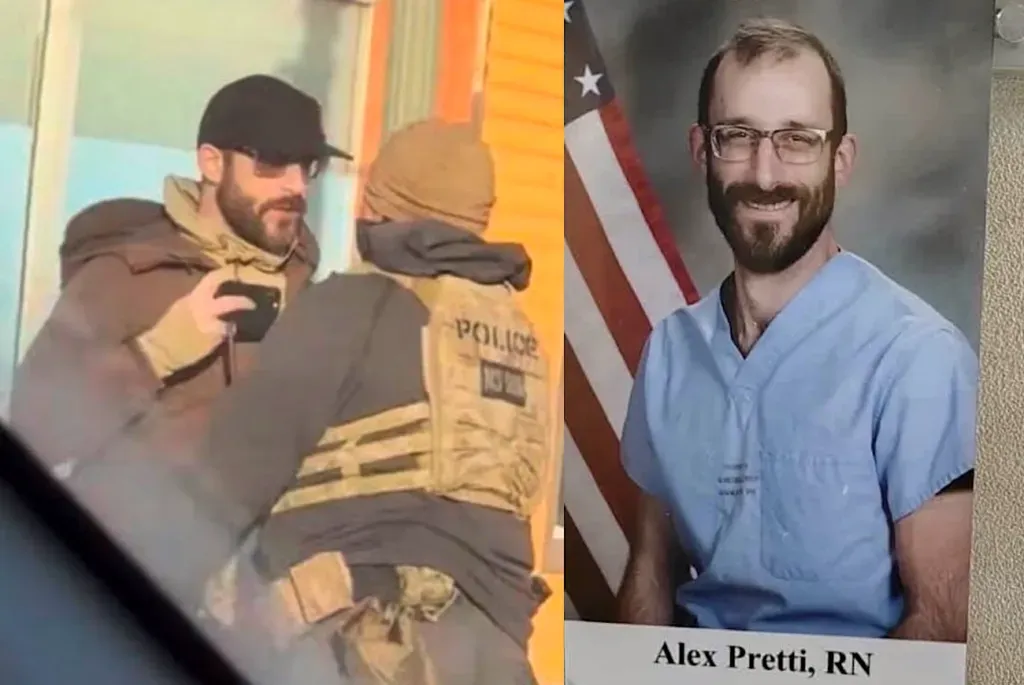
Eyewitness accounts and video footage from the scene paint a different picture from what federal agencies have reported. Many witnesses claimed that Pretti was not wielding a weapon but instead was holding his phone when he was engaged by Border Patrol agents. The inconsistency between official narratives and local testimonies has fueled further protests and demands for a thorough investigation. Community leaders have been vocal about the urgent need for reevaluation of the measures taken during immigration enforcement raids, emphasizing the necessity for non-violent conflict resolution strategies.
The Context of Immigration Enforcement in the Trump Era
The shooting of Alex Pretti is emblematic of the broader implications of the Trump administration’s hardline immigration policies. Since taking office, there has been a noticeable increase in federal law enforcement operations aimed at detaining undocumented individuals, often leading to confrontational encounters. The incident involving Pretti represents the second fatal shooting in Minneapolis related to these enforcement actions within a short time frame. Such occurrences not only raise alarm about community safety but also ignite discussions about the appropriateness of aggressive tactics employed by federal agents.
Local officials and immigrant rights advocates argue that the current approach to immigration enforcement exacerbates tensions between authorities and the communities they serve. The impact of these policies has been profound, leading to fears among both immigrant populations and those advocating for human rights. As the outcry following Pretti’s death continues, there is a growing call for a pause on federal immigration enforcement operations, urging a shift towards more compassionate and constructive methods of balancing law enforcement with community trust.
Eyewitness Accounts of the Shooting Incident
Eyewitness statements collected from the scene of the shooting involving Alex Pretti present a stark contrast to the formal accounts offered by federal authorities. Witnesses have reported observing Pretti in a non-threatening position, attempting to document the confrontation with his phone, rather than posing an immediate threat to the agents. This discrepancy between public sentiment and official narratives highlights the need for comprehensive investigations that consider all perspectives and evidence to understand the context and events leading up to the shooting.
Furthermore, videos that surfaced immediately after the shooting reveal a chaotic scene where bystanders were distressed and calling for calm. Many witnesses expressed confusion and disbelief as they watched the officers surround Pretti. Such scenes emphasize the urgent need for more training among federal agents on using de-escalation tactics, particularly in densely populated urban areas where interactions with the community are inevitable. This incident serves as a critical learning opportunity for law enforcement agencies seeking to rebuild trust with the populations they serve, especially in the realm of immigration enforcement.
Official Statements on Alex Pretti’s Shooting
In the wake of the shooting, officials from the Department of Homeland Security have defended the actions of the Border Patrol agents involved in the incident. The commander of the Border Patrol, Greg Bovino, stated that agents acted in self-defense, claiming that Pretti was armed and posed a danger to them. However, many local leaders and family members of Pretti vehemently contest this assertion, insisting that he was holding a phone and posed no threat at the time of the encounter. The contrasting narratives underline the growing mistrust between federal agencies and local communities regarding immigration enforcement practices.
The rhetoric surrounding law enforcement’s version of events has intensified scrutiny of federal immigration policies, especially concerning their implementation in urban areas. As local officials have pointed out, the failure to provide detailed information about the actions leading to Pretti’s death raises significant concerns regarding accountability. Calls for transparency and reflection on the use of force during immigration enforcement efforts are becoming increasingly vital for ensuring that tragedies like Pretti’s death are not repeated.
The Role of Video Evidence in the Investigation
Video footage plays a pivotal role in shaping public perception and accountability following the shooting of Alex Pretti. Multiple recordings from bystanders provide a glimpse into the chaotic moments leading up to the gunfire, with many clips showing Pretti not brandishing a weapon but instead attempting to film the federal agents. As a result, video evidence is now crucial in either corroborating or challenging the official accounts of the incident, emphasizing the importance of transparency in law enforcement operations.
Moreover, the presence of video evidence has led to increased demands for a thorough investigation into Pretti’s death. Community activists argue that footage not only reveals the truth of the events but also serves as a vital tool for advocating for justice and reform. As the public awaits the results of the inquiry, the role of social media and personal recordings highlights the shifting dynamics in how sensitive interactions between law enforcement and civilians are documented and perceived.
Community Response and Protests Following the Shooting
The community’s response to the shooting of Alex Pretti has been marked by widespread protests and calls for justice. Local activists and residents gathered to voice their outrage over yet another fatal incident involving federal agents, particularly in the context of immigration enforcement operations. These gatherings have highlighted not only the specific tragedy of Pretti’s death but also a broader critique of the aggressive tactics employed during immigration raids. The demonstrations signal a collective demand for change in how federal law enforcement engages with community members.
Additionally, the protests serve as a forum for affected families to share their stories and grievances, creating an atmosphere of solidarity among those who have experienced similar confrontations. The heightened visibility of these events emphasizes the need for reform in immigration enforcement approaches, with community leaders advocating for nonviolent strategies and better accountability measures to prevent future occurrences of loss of life in similar contexts.
Calls for Accountability and Reform in Immigration Enforcement
In the aftermath of Alex Pretti’s shooting, there has been a renewed push for accountability and reform concerning immigration enforcement policies. Local leaders and advocates stress the necessity of implementing comprehensive reviews of federal operations and their implications on community safety. The demand for Congress and local authorities to take action is growing, particularly in light of the public outcry surrounding Pretti’s death, underscoring the urgent need for a reevaluation of the measures that federal agents utilize during enforcement operations.
Furthermore, calls for reform extend to improving training protocols for agents involved in immigration enforcement. Community advocates have urged for the adoption of non-lethal methods to address confrontations, emphasizing the importance of conflict de-escalation strategies. By addressing these issues, there’s potential not just for preventing future tragedies but also for fostering trust between immigrant communities and law enforcement, creating a safer environment for everyone involved.
The Personal Impact on Alex Pretti’s Family and Friends
The death of Alex Pretti has left a profound impact on his family, friends, and the broader community. His parents have publicly expressed their heartbreak and frustration over the characterization of their son by federal officials, calling for transparency and truth about the events that led to his death. Pretti’s family emphasized his caring nature and commitment to serving the community as a nurse, illustrating the personal loss felt by many who knew him and the unjust narrative that has emerged in the media.
As local advocates rally to support Pretti’s family, their message encapsulates a broader desire for justice and acknowledgment of the human cost of aggressive immigration enforcement. The emotional toll on families like the Prettis stresses the need for a sensitive approach to law enforcement, particularly in contexts where individuals are merely exercising their right to document public interactions. The resonating calls for justice underscore the critical intersection of immigration policy, community relations, and personal tragedy.
The Future of Immigration Enforcement Policies in Minneapolis and Beyond
The shooting of Alex Pretti has sparked significant discussions about the future of immigration enforcement policies in Minneapolis and across the United States. As communities reflect on the implications of such events, leaders and activists are emphasizing the need for policy shifts that prioritize community safety over aggressive enforcement tactics. This tragic event serves as a catalyst for change within immigration enforcement structures, driving the conversation toward more humane and constructive approaches.
The ongoing dialogue about the necessity for reform also extends to the relationship between federal agencies and local governments. As more incidents come to light that highlight potential overreach or miscommunication, advocates are calling for a reevaluation of jurisdictional authority in immigration matters. The aim is to create a balanced approach that promotes public safety while respecting the rights of individuals and communities—ensuring that tragedies similar to the one faced by Pretti do not occur again.
Frequently Asked Questions
What led to the shooting of Alex Pretti by federal agents in Minneapolis?
The shooting of Alex Pretti occurred during a targeted immigration enforcement operation conducted by Border Patrol agents in Minneapolis. Pretti reportedly approached the agents, and after a confrontation, he was shot, with federal agencies claiming he resisted attempts to disarm him. This incident has raised serious questions and protests regarding the use of force by immigration enforcement.
What evidence has emerged regarding the Alex Pretti shooting incident?
Witnesses and videos have surfaced that contradict the official narrative provided by the Department of Homeland Security regarding the Alex Pretti shooting. Eyewitness accounts and videos suggest that Pretti was holding a phone, not a weapon, as claimed by federal agents, leading his family to demand transparency and the truth about the events leading up to his death.
How have local officials reacted to the Alex Pretti shooting?
Local officials, including Minneapolis Police Chief Brian O’Hara and Minnesota Governor Tim Walz, have publicly criticized the actions of federal agents in the Alex Pretti shooting incident. They emphasized the need for accountability and transparency, highlighting that the narrative provided by DHS conflicts with available evidence and calling for federal agents to withdraw from the community.
What impact has Alex Pretti’s shooting had on community protests?
The shooting of Alex Pretti has sparked renewed protests in Minneapolis, with community members and leaders calling for an investigation into the actions of federal agents during immigration enforcement operations. The incident, which followed another fatal shooting of a local woman by an immigration agent, has intensified demands for changes in how federal authorities operate within the city.
What do Alex Pretti’s family members want regarding the shooting incident?
Alex Pretti’s family is calling for the truth to be told about the shooting incident involving federal agents. They have expressed their heartbreak and anger over what they describe as ‘sickening lies’ told by the administration and are advocating for transparency about what happened during the confrontation that led to their son’s death.
Is there any information about Pretti’s firearm ownership related to the incident?
Following the Alex Pretti shooting, the Department of Homeland Security released a photo of a gun they claimed belonged to Pretti. However, local police indicated that Pretti was a lawful gun owner with a permit to carry. This aspect of the incident remains disputed, with some claiming he was not armed when confronted by federal agents.
What concerns have been raised about the federal agents’ actions during the Alex Pretti shooting?
Concerns have been raised regarding the perceived excessive use of force by federal agents during the Alex Pretti shooting incident. Eyewitness accounts and videos show alarming interactions between Pretti and agents, leading many in the community to question the appropriateness of their response and the tactics used during immigration enforcement operations.
What is the broader context surrounding immigration enforcement and the Alex Pretti shooting?
The Alex Pretti shooting incident is part of a larger context involving immigration enforcement policies during the Trump administration. As federal agents conducted operations in cities like Minneapolis, tensions have escalated, leading to protests and demands for reform in how immigration law is enforced at the local level.
| Key Point | Details |
|---|---|
| Incident Overview | Alex Pretti, a U.S. citizen and nurse, was fatally shot by federal agents in Minneapolis during an immigration enforcement operation. |
| Circumstances Leading to Shooting | During a confrontation, Pretti was allegedly holding a phone, not a gun, as claimed by eyewitnesses and family. |
| Federal Agents’ Statement | DHS stated agents fired in self-defense after Pretti resisted disarmament and allegedly had a handgun. |
| Eyewitness Accounts | Videos show Pretti was not brandishing a gun and was instead documenting the incident with his phone. |
| Family Response | Pretti’s parents have called for the truth, claiming their son was unjustly depicted as a threat. |
| Public Reaction | The incident has led to protests and calls for federal agents to withdraw from Minneapolis. |
Summary
The Alex Pretti shooting incident highlights the contentious relationship between local communities and federal immigration enforcement. On a tragic Saturday morning, federal agents shot Alex Pretti, a 37-year-old nurse, claiming self-defense against a perceived armed threat. However, eyewitness accounts and videos suggest that Pretti was holding a phone, leading to public outcry and demands for truth from his grieving parents. This incident not only raises serious questions about the use of force by federal agents during immigration operations but also amplifies the call for accountability and transparency in law enforcement.