
Listen to this article
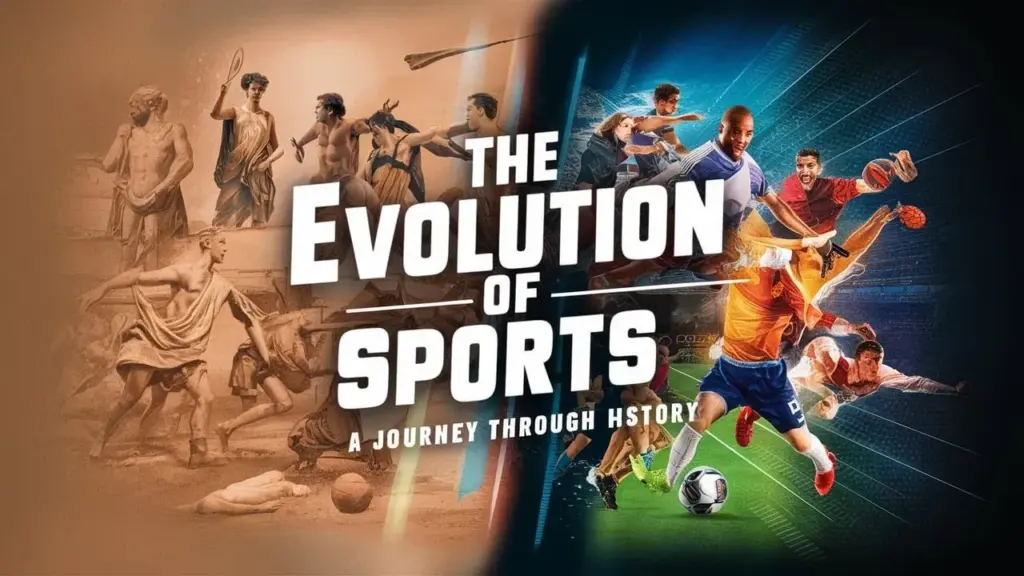
The Evolution of Sports showcases a fascinating journey through time, highlighting its pivotal role in shaping cultures and societies. From the ancient sports of early civilizations to the modern sporting events we celebrate today, sports embody not just competition but a reflection of societal evolution. The history of sports spans thousands of years, revealing how ancient sports paved the way for the structured gameplay seen in contemporary global events like the Olympic Games. As we explore this sports history timeline, we witness the profound connections between sports and culture, illustrating how these activities have influenced our way of life. Understanding the origins and transformations of sports enriches our appreciation for how far we have come and how these competitive arenas continue to evolve.
Tracing the development of athletic competition offers unique insights into the interplay between human expression and recreational activity throughout history. The journey from primitive contests to well-organized competitions reveals how sports are intertwined with societal values and cultural identity. Often perceived through different lenses, including traditional and contemporary athletic pursuits, this exploration of physical games demonstrates their enduring significance. As we analyze the transformation of sports from early informal competitions to the structured leagues and global events we witness today, it becomes evident that these activities are not merely games but vital threads in the fabric of human civilization. This comprehensive look at sports evolution not only highlights the rich traditions of ancient sports but also emphasizes the innovations and inclusivity characterizing modern athletics.
The Historical Roots of Sports Throughout Civilization
The origins of sports can be traced back to fundamental human activities mingled with cultural practices throughout history. From the ritualistic sports in ancient Sumeria to the physical displays of prowess in Egypt, competition has been a part of human society as early as 3000 BC. These **ancient sports** often intertwined with religious beliefs, serving as a platform for communities to celebrate deities through physical contests. As societies evolved, the necessity for organized competitions emerged, leading to more formalized events comparable to the modern sports we enjoy today.
In ancient Greece, sports reached new heights of organization with the establishment of the **Olympic Games** in 776 BC. This event not only created a foundation for athletic competition but also fostered a sense of unity among the Greek city-states. Athletes competed to glorify their cities and achieve immortality through fame, a concept that changed the perception of sports from mere entertainment to a pursuit worthy of honor and prestige. As sports spread across cultures, they began to influence societal norms and values, laying the groundwork for their importance in subsequent historical eras.
The Transformation of Sports During the Medieval Period
The transition from the **Roman Empire** to the medieval era brought profound changes in the nature of sports. With the decline of urban-centered life, the feudal system took center stage, shaping sports in ways that mirrored societal hierarchies. The noble class engaged in horse-related competitions like jousting, reflecting their elevated status, while commoners participated in folk games. These games, often chaotic and unregulated, highlighted the spirited essence of competition at the grassroots level. As local customs and community spirit took precedence, sports became both a pastime and a communal activity.
During this time, the cultural significance of sports also flourished. Celebratory events around harvests or feudal victories often included various athletic contests, promoting community cohesion. Thus, while medieval sports might have lacked formal rules, they served critical social functions, binding peasants and nobles alike through shared experiences in competition. This reciprocal relationship between sports and culture during the medieval period laid the groundwork for more organized sports structures that would emerge in later centuries.
The Renaissance: Reviving Sports and Physical Culture
The **Renaissance** heralded a renewed appreciation for classical ideals, significantly influencing the realm of sports. As society shifted back towards valuing physical prowess alongside intellectual achievements, early modern sports began to take shape. This epoch saw the founding of sports clubs and the development of formal rules, as emerging sports like tennis gained traction. The focus on physical education diverged from mere survival towards a celebration of human skill and athletic ability, which was essential to the era’s humanistic ideals.
In tandem, organized sports saw pivotal developments during this time. The **Marylebone Cricket Club (MCC)** established in 1787, laid the foundation for cricket rules, reflecting the increasing need for structure in sporting activities. As formalized competitions arose, sports began to mirror more modern forms, encompassing regulations, leagues, and a sense of professionalism that would dominate the future of athletics. With this rebirth, the Renaissance ignited a passion for sports that would resonate through the centuries and evolve into the competitive fervor witnessed in contemporary athletics.
The 19th Century: A Period of Great Change in Sports
The 19th century served as a pivotal period in the **history of sports**, transforming leisure activities into organized, competitive events. The backdrop of the **Industrial Revolution** facilitated urbanization, leading to an increasingly structured sports culture. As clubs emerged and inter-city competitions became commonplace, fans began to form around specific teams or sports. This gave rise to modern sports such as **football, basketball**, and **baseball**, with structured rules and an increasing level of professionalism that captured public enthusiasm.
While the century marked remarkable progress in sports, it was also a time of racial and gender barriers. Women began to take on more prominent roles in sports, most notably with the participation of female athletes in the **1900 Olympic Games**. Yet, racial segregation posed a significant challenge. Athletes of color often faced exclusion, underscoring the need for social reform in the sporting realm. The conflict between progress and inequality was as much a part of the sports narrative as the celebrations of achievements and championships in this transformative century.
The Rise of Global Sports: A 20th Century Overview
As we entered the **20th century**, sports underwent dramatic transformations that directly influenced global cultures. The revival of the **Olympic Games** in 1896 sparked widespread interest and a new level of international competition. This century witnessed the birth of prominent professional leagues like the **NFL** and **MLB**, establishing sports as a significant economic sector with profound cultural implications. Athletes became prominent figures beyond their athletic feats, shaping public opinion and often becoming symbols for broader societal movements.
Furthermore, the introduction of television revolutionized how fans engaged with sports, bringing competitions into homes worldwide and establishing a global fanbase. Iconic athletes like **Muhammad Ali** and **Michael Jordan** transcended sports, impacting both popular culture and civil rights movements. The phenomenon illustrated sports not only as a means of physical competition but as a platform for dialogue and change, displaying how intertwined sports and societal issues could be.
Contemporary Sports: The Emphasis on Inclusivity and Diversity
In the present-day sporting landscape, inclusivity and diversity are front and center, reflecting significant societal shifts. Events like the **Women’s World Cup** and the initiatives undertaken by various leagues to engage underrepresented communities signify a commitment to expanding participation across demographics. The acknowledgment of the diverse backgrounds of athletes has reshaped how sports organizations approach management and audience engagement, fostering an environment where everyone feels welcomed to contribute.
Modern technology also enhances this movement towards inclusivity. With advancements in data analytics and broadcasting, fans can engage with sports like never before, promoting deeper connections with teams and athletes. Highly popular **e-sports** have emerged, demonstrating the evolving definition of sports and offering a platform where players from diverse backgrounds can participate competitively. The current evolution of sports underscores a commitment to community-building and representation, ensuring a vibrant future where every individual can find their place within the sporting world.
The Interrelation of Sports and Culture
Sports are often a reflection of the cultural values and norms within society, acting as a barometer for cultural evolution. The historical timeline of sports demonstrates an ongoing relationship where sports not only adapt to cultural shifts but also influence them in return. For instance, sports events like the **Olympic Games** have become a showcase for national pride, bringing countries together to celebrate their unique identities while promoting a sense of global unity. This interplay between sports and culture reveals how athletic competitions can foster intercultural understanding.
Furthermore, the cultural significance of sports can be seen at multiple levels—from local community events to international championships. As societies increasingly embrace diversity, contemporary sports mirror these changes by promoting multiculturalism and inclusivity through various competitions. This evolution indicates that sports serve as a powerful vehicle for cultural exchange, facilitating dialogue and cooperation between nations and communities. As we move forward, sports will invariably continue to evolve, reflecting the ongoing journey of society as a whole.
Exploring the Future of Sports Innovations
The future of sports appears to be shaped by ongoing innovations, particularly in technology and engagement strategies. With the rise of virtual reality and enhanced data analytics, athletes can experience tailored training regimens that optimize performance and reduce injuries. By marrying technology with sports, trainers and athletes can also analyze performance metrics in groundbreaking ways, ensuring continuous improvement and competitiveness on global stages.
Moreover, the incorporation of digital platforms into sports is transforming the fan experience. Enhanced broadcasts, interactive applications, and social media engagement allow fans to bond with teams on a personal level, creating a more immersive environment. As **e-sports** continue to thrive, sports will likely see further diversification of competitive activities, expanding what’s considered a sport. This future-centric approach is set to redefine not only how we play and watch but also how sports reflect and adapt to societal changes, becoming more inclusive and accessible for all.
The Role of Sports in Social Change
Historically, sports have played an instrumental role in driving social change, acting as a platform for civil rights and social justice. Athletes have often used their prominence to address pressing societal issues, exemplified by figures like **John Carlos** and **Tommy Smith** during the 1968 Olympics, who protested racial injustices. This courageous act underscored the potential of sports as a medium for raising awareness and inspiring dialogue about equality and injustice.
In contemporary society, athletes continue to wield significant influence as advocates for social change. Initiatives often spring from various sports organizations aiming to combat racism and promote equality, showcasing how sports can lead societal shifts toward inclusivity and understanding. As the ongoing evolution of sports unfolds, it remains a powerful arena for connecting communities, advocating for change, and fostering discussions around critical social issues—not merely on the field but in the public domain.
Frequently Asked Questions
What is the evolution of sports from ancient times to modern times?
The evolution of sports spans from ancient competitions in civilizations like the Sumerians and Egyptians to the organized events of today. Ancient Greeks formalized sports with events like the first Olympic Games in 776 BC, which emphasized competition and cultural significance. Over centuries, sports evolved through various eras, including the medieval emphasis on chivalry, the Renaissance’s organization of games, and the 19th-century emergence of team sports, culminating in the modern sports landscape that values inclusivity and global engagement.
How did the Olympic Games influence the evolution of sports?
The Olympic Games, beginning in ancient Greece, laid the foundation for organized competitive sports. They were crucial in shaping sports history, as they introduced structured events, aimed to foster unity among city-states, and celebrated athletic prowess. The revival of the Olympics in the 19th century further propelled the evolution of sports into a global spectacle, influencing national pride and cultural exchange, and setting a benchmark for modern sports.
What role did ancient sports play in the development of modern sports?
Ancient sports were vital in shaping the competitive nature of modern sports. Activities like wrestling, running, and chariot racing laid the groundwork for organized competition. The formalization of events during the ancient Greek Olympic Games set a precedent for structured sports, which evolved in the Renaissance and continued to develop through the establishment of codified rules in the 18th and 19th centuries, leading to the diverse sports we enjoy today.
How have sports and culture influenced each other throughout history?
Throughout history, sports and culture have influenced each other significantly. Ancient sports often reflected societal values and traditions, seen in the Olympic Games and gladiatorial contests in Rome. As cultures evolved, sports adapted to new social norms, leading to the formation of team sports, rituals, and celebrations in various societies. Today, modern sports continue to mirror cultural dynamics, promoting inclusivity and representing social issues, thus reinforcing their role as a cultural cornerstone.
What changes occurred in the evolution of sports during the medieval period?
During the medieval period, the evolution of sports was heavily influenced by feudalism, with activities reflecting values of chivalry. Sports transformed from organized competitions to folk games like mob football, which tightly knit communities through local traditions. This era saw sports linked to social structures, celebrations, and military training, setting a foundation for organized competitions in later centuries.
What impact did the Industrial Revolution have on the evolution of sports?
The Industrial Revolution significantly impacted the evolution of sports by changing leisure activities and urban lifestyles. It led to the rise of organized sports clubs and regular competitions, giving birth to team sports like football, rugby, and baseball. Furthermore, it catalyzed shifts in societal attitudes towards sports, emphasizing inclusivity and creating opportunities for broader participation, including the emergence of women’s sports.
How did the 20th century change the global landscape of sports?
The 20th century revolutionized the global landscape of sports through technological advancements, communication, and the commercialization of sports. The return of the Olympic Games in 1896 and the founding of major leagues like the NFL and MLB showcased professional athletics as viable business ventures. This era witnessed the rise of athletes as cultural icons and the growth of sports as a global phenomenon, reaching audiences and fans across the world.
What trends define modern sports in terms of inclusivity and diversity?
Modern sports are defined by significant trends towards inclusivity and diversity. Initiatives like the Women’s World Cup and the NFL’s efforts to engage minority owners reflect a commitment to empower underrepresented groups. Additionally, the rise of e-sports and adaptive sports has broadened definitions of competition and participation, showcasing how contemporary sports embrace a more diverse array of athletes and audiences.
What is the significance of sports history timelines in understanding the evolution of sports?
Sports history timelines are significant as they illustrate the chronological development and key milestones in the evolution of sports. They provide insights into how ancient practices morphed into organized competitions, helping audiences understand cultural shifts, technological advancements, and societal changes that influenced sports over centuries. Such timelines are essential for both educational purposes and enhancing public engagement with sports history.
How do modern technologies influence the evolution of sports today?
Modern technologies greatly influence the evolution of sports by enhancing athlete training, improving performance metrics, and increasing fan engagement. Innovations like data analytics, virtual reality, and advanced broadcasting reshape how sports are consumed and experienced. These advancements not only facilitate training methods but also expand opportunities for interactive and immersive fan experiences, exemplifying how technology continues to revolutionize sports in today’s digital era.
| Period | Key Characteristics | Notable Sports/Events |
|---|---|---|
| Ancient Times | Integration of competitions within cultural and religious frameworks. | Olympic Games (776 BC), Wrestling, Chariot Racing, Gladiatorial contests. |
| Medieval Era | Sports influenced by feudalism, focusing on chivalry and local customs. | Jousting, Folk games, Mob football. |
| Renaissance | Rebirth of classical sports values, formalizing and organizing games. | Cricket, Establishment of Sports Clubs. |
| 19th Century | Industrial Revolution influenced leisure and sports organization. | Football, Rugby, Basketball, Baseball. |
| 20th Century | Globalization and commercialization of sports, rise of athletes as icons. | Olympics, NFL, MLB, rise of media coverage. |
| Modern Era | Shift towards inclusivity and technological integration in sports. | Women’s World Cup, E-sports, Diverse leagues and initiatives. |
Summary
The evolution of sports is a fascinating journey reflecting societal changes and cultural significance. From ancient competitions honoring gods to modern events promoting diversity and inclusivity, sports have continuously adapted to the values of their times. This evolution showcases not only the growth of sporting activities but also highlights the role of sports in fostering community, resilience, and global connectivity. As we move forward, the future of sports hints at becoming even more inclusive and innovative, uniting diverse cultures and transcending traditional boundaries.

