
Listen to this article
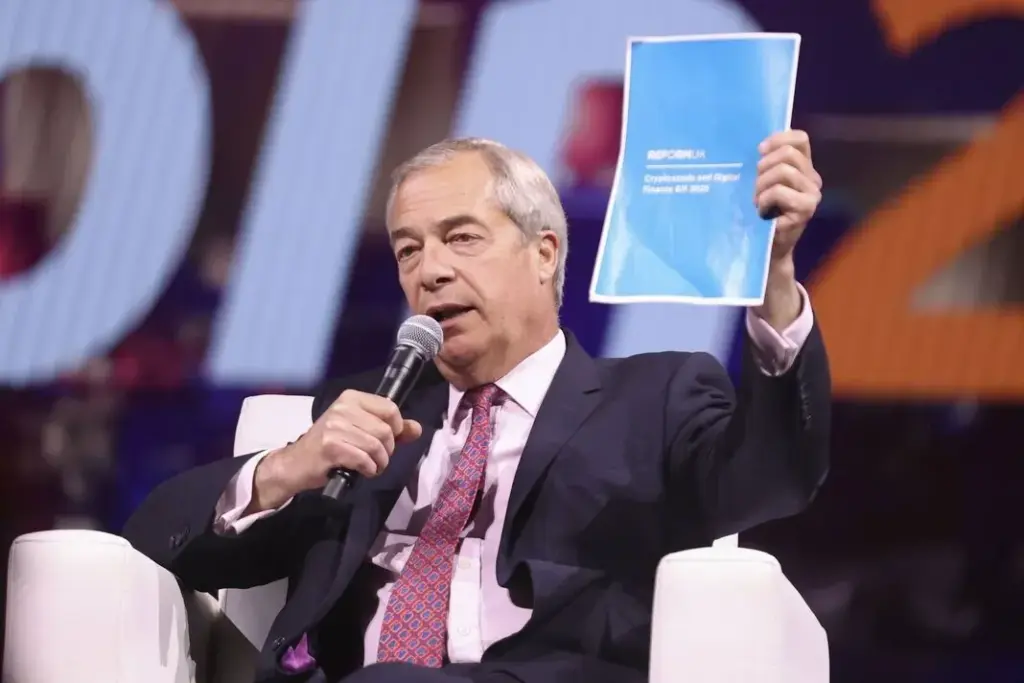
Nigel Farage’s recent visit to Davos has captivated attention, particularly because it was backed by an Iranian-born billionaire’s $10 billion family trust. As the leader of Reform UK, Farage has used this platform to advocate for taxing banks and challenging globalist agendas, all while being officially recognized at the prestigious World Economic Forum. Notably, his involvement with HP Trust, headed by venture capitalist Sasan Ghandehari, has raised questions about political donations and investment portfolios tied to influential figures. Farage’s role as an honorary adviser for Ghandehari’s impact investment portfolio highlights the intertwining of philanthropy and politics, especially focused on the Middle East. This multifaceted relationship not only reflects on Farage’s political strategies but also underlines the deep connections that shape discussions at Davos.
The recent appearance of Nigel Farage at the annual gathering in Davos has sparked considerable intrigue, particularly regarding his affiliations with the wealthy Ghandehari family trust. Known for its vast resources, this $10 billion entity has placed the leader of Reform UK in the spotlight as he pushes for transformative financial policies that target established banking practices. His unexpected role within the framework of the World Economic Forum emphasizes the intersections between political aspirations and high-stakes investment landscapes. Moreover, exploring the connections between political contributions and influential business leaders reveals the elaborate networks that influence governance and economic direction. Farage’s engagements at Davos not only enhance his political profile but also illuminate the broader dynamics at play within global economic forums.
The Significance of Nigel Farage at Davos
Nigel Farage’s presence at the World Economic Forum in Davos, along with his involvement with the HP Trust, has captured media attention this week. As a prominent political figure and leader of Reform UK, his speeches have emphasized a commitment to challenging the globalist agenda. Farage’s unique connection to the Iranian-born billionaire Sasan Ghandehari elevates his profile at the event, where conversations center around investment portfolios and economic reform. This relationship draws scrutiny, especially in light of Farage’s promises to advocate for tax reforms affecting banking institutions.
Moreover, the fact that Farage’s trip was funded by a trust linked to Ghandehari raises questions about the influence of wealthy individuals in political discourse. The term ‘political donations’ becomes particularly relevant as it underscores the dynamic interplay between finance and politics, especially at an event teeming with global leaders, CEOs, and influential investors. Farage’s role as an honorary adviser on philanthropic matters complicates the narrative, creating a blend of investment interests and political advocacy.
Understanding Sasan Ghandehari’s Role
Sasan Ghandehari’s influence as a venture capitalist in Davos extends beyond mere financial backing; it encapsulates a larger trend of billionaire involvement in politics and philanthropy. As the head of a family trust valued at approximately $10 billion, Ghandehari’s strategic engagements emphasize the importance of impactful investment portfolios within the context of social betterment, especially in sensitive regions like the Middle East. His partnership with Farage, an influential political figure, allows him to merge capital with change, potentially shaping future policies through a philanthropic lens.
The trust’s backing for Farage’s trip also raises discussions about the ethical dimensions of political finance. Critics often highlight the potential for conflicts of interest, especially when large sums can influence political agendas. Ghandehari’s familial ties, and previous high-value investments, border on a narrative where financial donations may be perceived as stepping stones to political leverage, especially in a high-stakes setting like the World Economic Forum, where major financial deals and partnerships are brokered.
Reform UK: Navigating Political Relationships
Reform UK, the political party led by Farage, finds itself intricately linked to the Ghandehari family through both financial contributions and political strategy. The recent revelation of a £200,000 donation from a design firm with connections to the Ghandehari family to Reform UK complicates the landscape of political financing in the UK. Such donations, reported and scrutinized, prompt discussions about transparency and the implications of foreign influences on domestic politics.
As the political landscape continues to evolve, the necessity for Reform UK to clarify these relationships becomes paramount. It highlights the underlying reality that many political parties operate in a network of significant financial backing, either from private trusts or corporate donations. This intertwines the operations of political entities with economic interests, drawing attention to how parties seek to establish legitimacy while navigating the complexities of major financial relationships.
The Impact of Political Donations on Governance
The interaction between political donations and governance cannot be overstated, particularly in the context of Reform UK. The party’s acceptance of funds linked to influential figures like the Ghandehari family raises critical questions about how such money shapes policy decisions and political rhetoric. As parliamentary proceedings often reflect the wishes and interests of major donors, understanding this dynamic is essential for voters seeking transparency and accountability in governance.
Moreover, the political donations landscape showcases a growing trend of wealth being leveraged to gain access to policymaking spheres. This evolving relationship between finance and politics requires increased oversight to ensure that democratic processes are not overshadowed by financial influence. As Farage continues to expand his party’s reach, the implications of such donations must be critically evaluated, ensuring that the voices of the electorate remain at the forefront.
Investment Trends Highlighted at Davos
Davos serves as a significant platform for discussing global investment trends, where leaders like Farage and Ghandehari converge to explore transformative economic strategies. The World Economic Forum not only facilitates discourse on investment portfolios but also emphasizes the growing importance of impact investing. Such investments aim to generate social and environmental benefits alongside financial returns, aligning closely with Ghandehari’s vision of philanthropy through investment.
As discussions on sustainable development gain traction, the role of investment in shaping socio-economic policies becomes increasingly vital. Events like Davos bridge the gap between financial markets and emerging trends in governance, with significant figures advocating for reforms that address global inequality and promote social responsibility. This convergence of financial power and political advocacy signals a potential shift in how nations and organizations view their roles in addressing pressing global challenges.
Philanthropy and Impact Investment
The emergence of impact investing represents a pivotal shift in how wealth is utilized to address social issues. Ghandehari’s commitment to philanthropy, particularly in Middle Eastern regions, illustrates the transformative potential of strategic investments that focus on social returns. Farage’s role as an unpaid adviser to Ghandehari reinforces the intertwining of political motives with philanthropic goals, a fusion that could resonate deeply in political discourses surrounding economic reform.
As stakeholders recognize the efficacy of impact investment, this ideological shift in philanthropy—where financial returns must also yield societal benefits—becomes progressively relevant. Investors are beginning to demand more transparency and ethical considerations in their dealings, urging political leaders to adopt similar values. This evolution must be acknowledged within the framework of political parties like Reform UK, whose agendas will increasingly need to reflect these principles in their policy directions.
The Future of Political Discourse Post-Davos
The conclusion of the World Economic Forum prompts reflections on the future of political discourse, particularly for figures like Nigel Farage. As the leader of Reform UK, Farage’s appearances at Davos significantly elevate his profile, allowing him to engage with influential business leaders and policymakers. This interaction creates opportunities for political ideologies to collide with corporate interests, forging a new era of accountability and reform.
Furthermore, the interactions and discussions at Davos can potentially reshape public perception of political narratives. With global challenges at the forefront, the ability of leaders to communicate effectively and align their policies with economic realities will be paramount. Political figures who navigate these complexities will likely emerge as trendsetters in influencing future dialogues on governance, finance, and social impact.
The Intersection of Wealth and Political Influence
As demonstrated by the relationships unveiled at Davos, the intersection of wealth and political influence is a crucial area of concern. The backing of prominent political figures by wealthy individuals or trusts can lead to favorable policy outcomes for those financial backers. The presence of Ghandehari’s family wealth in political circles serves as a reminder of the delicate balance between democratic representation and financial influence.
Evaluating this intersection requires a critical lens on how political donations can skew the balance of power within governance structures. The future of political engagement will increasingly depend on transparency in these relationships, ensuring that governance remains non-partisan and focused on public welfare rather than private gain. Farage’s position in this dynamic illustrates the potential challenges that lie ahead for political leaders operating in an environment defined by significant financial influence.
Navigating Ethical Challenges in Political Funding
Political funding has emerged as a hotbed of ethical challenges, particularly with news of donations and financial connections between individuals like Sasan Ghandehari and political parties like Reform UK. The scrutiny over such relationships casts a long shadow over the integrity of political institutions, emphasizing the need for greater transparency from parties regarding their funding sources. As financial interests increasingly penetrate politics, the ethical lines can blur, resulting in public mistrust.
For political entities, understanding and addressing these ethical challenges is essential to maintaining credibility among constituents. Parties must implement stringent disclosure practices regarding political donations, especially when they involve significant sums from wealthy donors with vested interests. By navigating these challenges transparently, parties like Reform UK can work towards rebuilding trust and ensuring that their agendas align more closely with the will of the electorate.
Frequently Asked Questions
What was Nigel Farage’s purpose for attending Davos in relation to the World Economic Forum?
Nigel Farage attended Davos as a representative of HP Trust, hosted by Iranian-born billionaire Sasan Ghandehari. His purpose included delivering speeches and advocating for tax changes targeting banks, as part of his political agenda with Reform UK.
Who financed Nigel Farage’s trip to the World Economic Forum in Davos?
Nigel Farage’s trip to the World Economic Forum in Davos was financed by Sasan Ghandehari, who owns HP Trust, a family office with an investment portfolio exceeding $10 billion.
What connections does Reform UK have with Sasan Ghandehari and his family?
Reform UK has financial ties to Sasan Ghandehari, as it was revealed that a small design firm linked to the Ghandehari family contributed £200,000 to the party this year. Ghandehari’s family also retains clients with the firm that conducted the donations.
Did Nigel Farage receive a salary for his role with HP Trust during the World Economic Forum?
No, Nigel Farage attended Davos as an honorary and unpaid adviser to HP Trust, focusing on its impact investment portfolio.
What is the significance of the donations made by Interior Architecture Landscape to Reform UK?
The donation of £200,000 from Interior Architecture Landscape to Reform UK is significant as it showcases the firm’s association with the Ghandehari family, despite management stating the decision was made independently.
What message did Nigel Farage convey during his speeches in Davos?
During his speeches at Davos, Nigel Farage pledged to tax banks and combat the influence of globalists, aligning with Reform UK’s political ideology.
How has the Ghandehari family influenced Farage’s political journey and Reform UK?
The Ghandehari family has influenced Farage’s political journey through financial backing and connections, including substantial donations to Reform UK from a firm associated with them, highlighting the intertwining of business and politics.
What is known about Sasan Ghandehari’s background and wealth?
Sasan Ghandehari is a venture capitalist and British citizen, associated with a family trust managing over $10 billion. He is the son of a late Iranian-Kazakh billionaire and has interests spanning from art collection to philanthropy.
How are political donations managed in relation to electoral laws within the UK?
Political donations within the UK must comply with electoral laws. Interior Architecture Landscape confirmed that all donations to Reform UK were made legally and reflect the company’s values, showcasing transparency in their funding activities.
| Key Point | Details |
|---|---|
| Funding Source | Nigel Farage’s trip to Davos was financed by a $10 billion family trust owned by billionaire Sasan Ghandehari. |
| Role of Ghandehari | Ghandehari invited Farage as an honorary adviser to his impact investment portfolio focused on philanthropic efforts, especially in the Middle East. |
| Farage’s Stance | During his speeches, Farage pledged to tax banks and combat ‘globalists’. |
| Reform UK Statement | Reform UK clarified that Farage does not work for HP Trust, and that disclosures about financing will be made. |
| Previous Contributions | A design firm connected to the Ghandehari family contributed £200,000 to Reform UK earlier this year. |
| Compliance Statements | The design firm confirmed all political donations comply with electoral law and are independent of the Ghandehari family. |
Summary
Nigel Farage’s attendance at Davos highlights the intersection between politics and financial influence, especially through the significant backing by the Ghandehari family trust. His vocal promises to challenge banking norms and globalist agendas form a part of a larger narrative on how individual interests can shape political discourse, particularly in influential settings like the World Economic Forum.