
Listen to this article
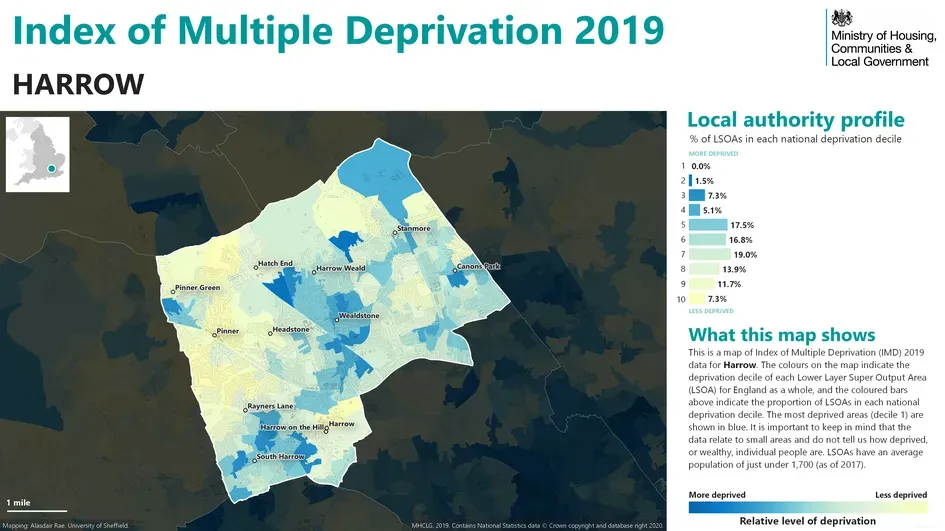
Harrow income deprivation has become a critical issue in recent years, especially as local housing costs continue to escalate. Increasing economic pressures have pushed many families in the London Borough of Harrow into poverty, making it one of the boroughs most challenged by children’s poverty in London. The recent changes in Harrow Council funding from the Government aim to address these disparities, yet the reality of rising housing expenses complicates the situation. As housing costs are now factored into household income calculations, the financial resources available to support these families are becoming strained. Addressing income deprivation in Harrow is now more urgent than ever, as community support systems parallel the council’s efforts to mitigate the growing economic divide.
The plight of families facing economic hardships in Harrow is becoming increasingly dire, prompting urgent discussions around fiscal measures and community support. This shift towards addressing financial inequality stems from the alarming rates of poverty affecting children in the area, highlighting the need for effective solutions amidst soaring housing expenses. As funding from Harrow Council is redistributed to enhance assistance programs, the focus remains on how these resources can best alleviate the burden of deprivation experienced by many residents. Local authorities are grappling with the complexity of rising living costs while striving to provide support to the most vulnerable. Ultimately, tackling socioeconomic disparities in Harrow necessitates a concerted effort to innovate funding strategies and community collaboration.
Understanding Harrow’s Income Deprivation Crisis
The income deprivation crisis in Harrow, especially concerning its children, has reached alarming levels. Recent reports indicate that Harrow has experienced the highest increase in children living in poverty across all London boroughs. This dire situation has been exacerbated by the rising costs associated with local housing, forcing many families to allocate a larger portion of their income to housing expenses. As a result, essential needs such as healthcare, education, and nutrition are being compromised, leading to a cycle of deprivation that is hard to break.
Furthermore, the notion of income deprivation has transformed under recent government funding allocation changes. By incorporating housing costs into calculations for average household income, many families in Harrow are now classified as underprivileged, highlighting the urgent need for the government and local authorities to address these issues holistically. The implications of income deprivation, especially among children, manifest not only in economic terms but also in social and psychological ramifications for affected families.
The Impact of Harrow Council Funding on Local Services
Harrow Council’s financial landscape has seen significant shifts due to enhanced funding initiatives intended to improve essential services for children and families. The recent allocation of £2.5 million, along with an overall increased core spending power of £22.1 million, promises to uplift local programs aimed at alleviating poverty. However, the council’s leadership has expressed concerns that while the funds appear beneficial, they may come with additional responsibilities that could strain existing resources.
Moreover, the transformative potential of these funding changes is contingent upon effective management and implementation by the Council. Strategies must be developed to ensure that the influx of financial resources translates into tangible benefits for those grappling with income deprivation. If the additional funds are not allocated judiciously, the underlying issues, particularly around education and health services for children, may remain unaddressed, leading to continued cycles of poverty.
Harrow Housing Costs and Their Role in Income Deprivation
Soaring housing costs in Harrow have been identified as a principal driver of income deprivation in the borough. Families faced with escalating rents and property prices find themselves allocating a disproportionate share of their income towards housing, leaving inadequate funds for other essentials. Consequently, this financial strain contributes significantly to the overall increase in child poverty, elevating the risks of negative outcomes in education and wellbeing.
The council’s acknowledgment of housing costs within the average income calculations aligns with efforts to illustrate the diverse challenges faced by Harrow’s residents. This policy development indicates a growing recognition of the intricate relationship between housing affordability and financial health. Nevertheless, addressing housing costs will require concerted efforts from local authorities, stakeholders, and the government to create sustainable housing solutions that alleviate the pressures on families.
Children Poverty in Harrow: A Growing Concern
Children poverty in Harrow has evolved into a prominent concern, warranting urgent attention from policymakers and community leaders. Recent trends show that the financial hardships faced by families are translating into long-lasting adverse effects on the youth population. Enhanced government funding is a step in the right direction; however, it is crucial to monitor how these funds are utilized to directly address the needs of impoverished children.
In the wake of the funding changes, there is a unique opportunity for Harrow Council to prioritize initiatives aimed specifically at children living in poverty. Addressing educational disparities, ensuring access to health services, and providing nutritional support must be integral components of any strategy aimed at tackling poverty. By focusing on the young and most vulnerable, Harrow can work towards breaking the cycle of deprivation that has long plagued its communities.
Harrow’s Financial Resources: Navigating New Challenges
The recent shift in Harrow’s financial resources, including an increase in funding and the consolidation of grants, presents both opportunities and challenges. As the council braces for a significant budget transformation, it is essential to navigate these changes strategically. The expected rise in council spending power is promising; however, understanding how to allocate these resources efficiently will be crucial in making a lasting impact on the community.
In light of the budget gap projected across the next three years, Harrow Council must prioritize initiatives that align with community needs while also being mindful of long-term financial sustainability. Efficiently utilizing the funds that are available can make a tremendous difference in alleviating some of the burdens faced by those experiencing income deprivation, particularly among vulnerable populations such as children and families.
Examining Long-Term Consequences of Funding Changes
The long-term effects of the recent funding changes in Harrow could reshape the landscape of financial support for families entrenched in poverty. While the immediate influx of funds provides a temporary reprieve, it is essential to assess whether these changes create lasting solutions. Increased council budgets signify a potential improvement in public services; however, sustainable practices must accompany these financial boosts to ensure ongoing support.
As the council looks to the future, continuous evaluation and adjustment of financial strategies will be key to preventing income deprivation from becoming a persistent issue. Strategies must incorporate feedback from community stakeholders to track the effectiveness of funded programs, ensuring that they adapt to the evolving needs of residents while striving to reduce poverty levels over time.
The Role of Local Government in Mitigating Poverty
Local government plays a critical role in challenging the factors that lead to income deprivation for vulnerable populations in Harrow. With recent funding allocations aimed at tackling levels of children poverty and enhancing financial resources, the council has a unique opportunity to spearhead initiatives that directly benefit struggling families. Collaborating with community groups and local organizations can amplify the impact of these funds, fostering a unified approach to poverty alleviation.
Investing in local services that cater specifically to the needs of impoverished families will be paramount. Programs that focus on education, healthcare, and community engagement not only address immediate financial strains but also contribute to empowering households with skills and resources. In navigating these complexities, Harrow Council must embody a proactive stance, allocating funds strategically while advocating for continued government support.
Local Initiatives for Supporting Families in Deprivation
In response to the escalating levels of income deprivation, Harrow has implemented several local initiatives aimed at supporting families and children in need. By directing financial resources towards community programs, the council is taking crucial steps to mitigate the negative effects of poverty. These initiatives often focus on essential services such as food assistance, educational support, and mental health resources, ensuring that families can access the tools they need to thrive.
Moreover, local initiatives also emphasize community involvement, encouraging residents to engage and advocate for positive change. By fostering a culture of collaboration among local organizations, charities, and government agencies, Harrow can create a supportive network that empowers families facing economic hardship. Such partnerships are vital as they enhance resource distribution, making it possible for families impacted by income deprivation to receive comprehensive assistance.
Future Perspectives on Funding and Poverty in Harrow
Looking ahead, the future of funding and its impact on poverty levels in Harrow hinges on the strategic decisions made by local leadership. As the council anticipates potential increases in financial support over the coming years, it will need to prioritize initiatives that directly address the underlying issues of income deprivation. By focusing efforts on enhancing children’s services, housing initiatives, and community programs, there is hope for a significant reduction in child poverty rates.
Furthermore, the ongoing assessment of funding allocations will be crucial in ensuring that the resources reach those who need them most. Collaboration with stakeholders will foster long-term strategies that not only respond to immediate challenges but also build resilience against future socioeconomic fluctuations. In this way, Harrow can transition from being among the boroughs with the highest levels of income deprivation to a leader in innovative poverty alleviation strategies.
Frequently Asked Questions
What is the relationship between Harrow income deprivation and housing costs?
Harrow income deprivation is closely linked to soaring housing costs in the area. As housing prices rise, many families face financial strain, pushing an increasing number of children into poverty. This dynamic highlights the critical impact of housing affordability on overall family income within Harrow.
How does Harrow Council funding address income deprivation?
Recent changes to Harrow Council funding aim to combat income deprivation by adjusting allocations based on a broader income assessment that includes housing costs. This increased funding can help improve financial resources available for children and families affected by poverty in Harrow.
What is the impact of children poverty in Harrow?
Children poverty in Harrow has seen significant increases, with many families struggling due to high housing costs and limited financial resources. As the borough grapples with income deprivation, the government and local council are focusing on funding initiatives to alleviate these challenges.
How are Harrow housing costs affecting families?
Harrow housing costs are a significant factor contributing to income deprivation among families. The high cost of living in terms of housing means that a larger portion of household income is dedicated to rent or mortgages, leaving less for essential needs, which propels many families into financial distress.
What measures are being taken to address financial resources for Harrow’s deprived children?
Harrow Council is focusing on increasing its financial resources through a new Fair Funding Settlement, which is set to enhance funding for children and families services. This shift aims to provide more support to tackle the rising children poverty in Harrow.
What are the expected changes in Harrow Council funding by 2028?
By 2028, Harrow Council anticipates receiving significant increases in funding, potentially reaching £116.3 million. This projected growth is aimed at addressing the urgent needs associated with income deprivation and improving living conditions for families in Harrow.
How does income deprivation in London compare to the situation in Harrow?
Income deprivation in Harrow stands out as particularly significant within London. The borough has experienced the largest changes regarding children affected by poverty, highlighting the unique challenges Harrow faces compared to other London boroughs.
How is the funding landscape changing for Harrow Council in relation to deprivation?
The funding landscape for Harrow Council is evolving, as the government adjusts funding allocations based on deprivation indices that now include housing costs. This change aims to provide more equitable support and resources for families grappling with income deprivation in the borough.
What community resources are being developed to combat income deprivation in Harrow?
Harrow Council is planning to develop community resources aimed at alleviating income deprivation. This includes expanding services related to public health, children and families, and homelessness, which are critical as many families navigate economic hardships.
How does Harrow’s budget gap relate to its income deprivation challenges?
Harrow’s budget gap highlights the financial pressures exacerbated by income deprivation. Despite receiving increased funding, the projected deficits illustrate the ongoing challenge of balancing the needs of deprived families amidst rising costs and economic constraints.
| Key Point | Details |
|---|---|
| Income Deprivation in Harrow | Harrow has seen the most notable changes in income deprivation affecting children among London boroughs, largely due to high housing costs. |
| Government Funding Changes | The allocation of funds to local authorities is now based on new deprivation indices, which has significantly affected Harrow’s financial resources. |
| Funding Increase | Harrow expects a £22.1 million increase in core spending power next year, and £60.3 million over three years, predominantly due to changes in funding categories. |
| Budget Gap | Despite increased funding, Harrow has a budget gap of £32.5 million over three years, mitigated to about £11.1 million after adjustments. |
| Council Tax | Council tax increases are a major component of the budget, projected to bring in an additional £33.2 million over three years. |
| Future Funding Projections | Funding is expected to increase to £100.6 million in 2026, and rise further due to new methods of calculating average income. |
Summary
Harrow income deprivation is a significant issue that affects many families and children in the borough. The recent changes in government funding and how deprivation is calculated indicates that Harrow is on a path towards potential recovery. While the funding increases seem promising, the realities of high housing costs and historical underfunding present ongoing challenges. It is crucial for Harrow to navigate these financial changes carefully to ensure that vital services can meet the needs of its most vulnerable residents.