
Listen to this article
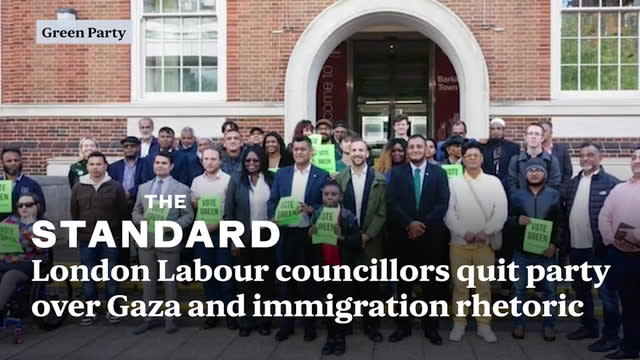
London Labour defections have become a significant concern as support for Sir Keir Starmer’s party has dwindled in the capital. The recent exit of veteran councillors, including the prominent Tina Valcarcel, underscores a troubling trend for the Labour Party, which is facing mounting losses across various boroughs. With defections to the Liberal Democrats and other parties, these shifts reflect discontent among members regarding Labour’s trajectory under Starmer, particularly its shift towards conservative policies. This wave of departures highlights the growing unease within the party, coinciding with substantial losses in local elections and increasing pressure after by-election defeats. As Labour grapples with its dwindling influence, the implications of these defections raise questions about the party’s future and the challenges faced by Starmer’s leadership.
The recent surge in political changes has seen significant shifts among Labour representatives in London, with numerous members choosing to align themselves with alternative parties. Following a series of losses in by-elections, the exodus of councillors from Labour to the Liberal Democrats, Greens, and Conservatives reflects a broader sentiment of discontent with party policies. This trend captures the essence of disillusionment felt by local leaders who believe that Labour no longer embodies the values they once supported. The ongoing defections signal a potential turning point in the political landscape of London, raising critical questions about the viability of Sir Keir Starmer’s leadership and the future direction of the Labour Party. As representation shifts, the political dynamics within the capital continue to evolve, challenging the ideals of the longstanding party.
Labour Party Losses in London: A New Trend?
The decline of Labour’s influence in London is becoming increasingly evident as the party faces an alarming rate of defections and by-election defeats. With a growing number of party members leaving, many cite dissatisfaction with Sir Keir Starmer’s leadership and a perceived shift towards more moderate policies. This change is frustrating for long-time supporters who feel that the Labour Party is straying from its foundational values, leading to significant losses at local levels.
Reports indicate that Labour has lost dozens of councillors to rival parties like the Liberal Democrats and Greens in recent months. This trend raises questions about the future stability and direction of the Labour Party in London, especially with upcoming local elections. As discontent grows, Labour risks alienating its base, making it crucial for the party to reassess its policies and strategies to regain lost support.
The Impact of London Labour Defections
Defections from the Labour Party are not merely a logistical concern; they symbolize a broader discontent among party members and constituents. High-profile exits, such as that of former Lambeth Mayor Tina Valcarcel to the Liberal Democrats, highlight the urgent need for Labour to reconnect with its grassroots. Valcarcel’s public statement, asserting that Labour is ‘no longer the party I joined,’ underscores the deep rift that exists and signals potential issues within the party’s structure and communication.
These defections have tangible consequences for Labour’s electoral prospects. The loss of experienced councillors erodes party strength in local governance, directly impacting representation and community services. As a result, Labour may find itself struggling to push through key initiatives as new parties gain footholds in traditionally Labour-dominated areas, making it imperative for the party to evaluate its current trajectory.
The Consequences of By-Election Defeats for Labour Party
Labour’s series of by-election defeats has compounded its challenges in London, reflecting a significant drop in public support. With leading positions lost to parties like the Liberal Democrats and independent candidates, the party is increasingly seen as vulnerable in key constituencies. The recent electoral setbacks serve as critical indicators of shifting political support in London, and Labour’s failure to adapt may result in diminished power in local councils.
The ramifications of these losses extend beyond immediate electoral outcomes; they impact Labour’s public perception as a viable governing party. The growing perception of Labour as unable to address constituents’ pressing issues, especially regarding policies on housing and community welfare, could tempt voters to embrace alternatives that align more closely with their needs and aspirations. It emphasizes the urgency for Labour to recalibrate its lobbying efforts and community engagement strategies.
Responses to Labour’s Rightward Shift
The recent wave of defections from the Labour Party has sparked debate over its political compass. Many departing members express concerns about the perceived rightward shift under Sir Keir Starmer, leading them to seek refuge in other parties like the Liberal Democrats and the Greens. This trend signifies a growing faction within the party that resists what they perceive as a departure from traditional Labour values, advocating instead for a return to more progressive policies.
As the electorate becomes increasingly diverse and responsive to key issues, Labour’s struggle to balance its policies with public sentiment has emerged as a pivotal challenge. Leaders within the party must address these frustrations or risk losing more valuable party members and voters to rival parties, further jeopardizing their chances in future elections.
Grassroots Discontent Amid Labour Party Struggles
The level of grassroots discontent within the Labour Party has reached a boiling point, prompting an unprecedented number of defections. This growing unrest can be primarily traced back to a perceived disconnect between party leadership and local concerns, particularly regarding social justice and community engagement. Many party members feel that Labour’s current direction fails to reflect the principles that originally attracted them to the party.
This disconnect manifests in multiple ways, as seen with new candidates emerging from other parties, emphasizing community issues that Labour leaves unaddressed. The consistent electoral defeats further highlight the necessity for Labour to recalibrate its strategies. Addressing grassroots concerns and revitalizing their messaging could help Labour not only retain current members but also attract new constituencies in the coming election cycles.
The Liberal Democrats and Greens Capitalizing on Labour Failures
The recent defections from Labour have opened a door for the Liberal Democrats and Greens to capitalize on the party’s misfortunes. With credible former Labour figures such as Tina Valcarcel joining the Lib Dems, it is evident that rival parties are gaining momentum by highlighting their commitment to progressive policies. This shift in allegiances has revitalized these parties’ platforms and attracted new supporters looking for alternatives to Labour’s current trajectory.
As Labour continues to grapple with internal turmoil, the Liberal Democrats and Greens are poised to become formidable challengers in London. Their focus on community advocacy and responsiveness aligns more closely with the electorate’s priorities, creating a competitive landscape that Labour will need to confront directly in upcoming elections. Failure to do so may solidify the perception of Labour as an outdated option, further jeopardizing its future.
Local Elections: The Stakes for Labour Party
The upcoming local elections represent a pivotal moment for the Labour Party as it seeks to reclaim trust from its constituents amid ongoing defections and discontent. With a declining number of active members and diminishing confidence among voters, Labour faces a challenging path ahead. Local elections not only determine representation but also influence the broader political landscape, making it crucial for Labour to present a compelling vision to its electorate.
The stakes are exceptionally high for Labour as it prepares to contest seats that have traditionally been strongholds for the party. Each local council victory contributes to overall party morale and public perception, and any additional losses could deepen existing fractures. Assuming a proactive approach to engaging voters and addressing the community’s needs will be essential, as Labour works to turn the tide in its favor and avoid repeating past mistakes.
Can Sir Keir Starmer Regain Lost Confidence?
As Leader of the Labour Party, Sir Keir Starmer faces mounting pressure to address the growing dissatisfaction among party members and constituents. With a series of prominent defections and electoral defeats, many are questioning his ability to unify the party and restore confidence in its direction. His leadership style and policy decisions must resonate more effectively with the party’s grassroots base to prevent further erosion of support.
Starmer must navigate the complex landscape of party cohesion while addressing core issues that have alienated so many, such as Labour’s position on international matters and social justice. If he can successfully realign the party with its traditional principles while modernizing its approach to current challenges, there may still be a pathway forward. However, failure to do so could lead to enduring consequences as Labour risks losing its relevance in the political discourse.
The Role of Independent Candidates in London Politics
In the wake of Labour’s struggles, independent candidates are gaining traction in London, presenting a significant challenge to the established parties. Their emergence reflects a growing discontent with traditional political affiliations, as voters seek candidates who prioritize their community’s needs over party lines. Independent figures have risen to prominence in recent by-elections, winning key seats and reshaping local governance dynamics.
These independents capitalize on frustrations not just with Labour but with other major parties, offering alternative viewpoints and solutions that resonate more closely with constituents. Their increasing influence may force established parties, especially Labour, to reassess their policies and outreach efforts to better connect with the changing electorate and regain lost ground.
Future of the Labour Party: Strategies for Recovery
Looking ahead, the Labour Party must devise comprehensive strategies to recover from its current challenges in London. A significant component of this recovery needs to involve engaging with the party’s base, ensuring that voices from all segments are heard, and that policies align with the values of constituents. Building a clear narrative that resonates with voters on crucial issues like housing, healthcare, and social justice will be vital for regaining credibility.
In addition, it will be important for Labour to learn from its recent losses and to actively seek ways to rebrand itself in the eyes of the public. This may involve redefining its approach to both domestic and international issues, ensuring transparency in decision-making processes to enhance trust. By prioritizing community engagement and demonstrating its commitment to the electorate’s needs, Labour can pave the way for a more hopeful and united future.
Frequently Asked Questions
What are the main reasons for the recent London Labour defections?
Recent London Labour defections are primarily attributed to discontent with Sir Keir Starmer’s leadership and the party’s rightward shift. Many councillors, including veteran members like Tina Valcarcel, have expressed that Labour is no longer the party they originally joined. Issues such as Labour’s stance on Gaza, local election candidacy decisions, and grassroots anger over various policies have also played significant roles in these departures.
How have London Labour defections impacted by-election results?
London Labour defections have severely impacted by-election results, leading to notable losses for the party in several local elections. After a series of defections, including those to the Liberal Democrats and Greens, Labour has faced increased competition and discontent among voters, resulting in defeats in key by-elections such as Camden’s West Hampstead seat and other areas like Hounslow.
What are the implications of Labour council members leaving the party in London?
The defection of Labour council members in London signifies a troubling trend for the party under Sir Keir Starmer’s leadership. These departures weaken Labour’s local governance and can lead to reduced voter trust and support. Moreover, the loss of experienced councillors poses challenges in maintaining strong community ties and effectively addressing local issues, potentially impacting future elections.
How does the wave of Labour defections in London relate to general elections?
The wave of Labour defections in London raises concerns about the party’s overall stability and electoral viability heading into future general elections. As discontent grows among grassroots members and supporters, this trend might hinder Labour’s ability to rally support and maintain its previous electoral successes, especially if these defections reflect a broader disillusionment with party policies endorsed by Sir Keir Starmer.
What trends are observed in the defections from London Labour to other parties?
The recent trends in London Labour defections indicate a shift towards alternative political alliances, particularly with the Liberal Democrats and Greens. Many former Labour councillors cite disagreements with the party’s policies, especially its approach to social issues such as immigration and the Gaza conflict. This trend suggests a potential realignment in local politics, with increasing competition from third parties as Labour’s influence weakens.
What has been the reaction of Labour leadership to the defections?
The Labour leadership, including Sir Keir Starmer, has responded to the defections by emphasizing the party’s commitment to selecting strong candidates and delivering for local communities. While the party recognizes the departures, there is a focus on consolidating support among remaining members and addressing the underlying issues that have prompted these defections, although reactions have been described as somewhat defensive.
How have recent local election outcomes reflected Labour’s declining support in London?
Recent local election outcomes have starkly underscored Labour’s declining support in London, highlighted by losses to the Liberal Democrats and Greens. The elections, particularly post-defections, have demonstrated a voter shift away from Labour due to dissatisfaction with party positioning and leadership, leading to several surprising defeats in key areas that were previously safe for the party.
What can be expected from future elections considering the defections from London Labour?
Considering the ongoing defections from London Labour, future elections may witness increasingly competitive landscapes as former Labour voters explore alternatives. The party will likely need to address internal dissent and reevaluate its policies to counteract the rising influence of rival parties. Without significant strategy changes, Labour may face further electoral challenges and losses in forthcoming elections.
| Key Point | Details |
|---|---|
| Defections from Labour | Over a dozen Labour councillors, including veteran councillor Tina Valcarcel, have defected to other parties citing dissatisfaction with Labour’s direction. |
| Reasons for Defections | Many defections are attributed to Sir Keir Starmer’s shift to the right, Labour’s stance on various issues including Gaza, and internal decision-making processes. |
| Recent By-Election Losses | Labour has faced significant losses in by-elections, highlighting growing discontent among grassroots supporters amidst declining voter support. |
| Consequences | The wave of defections and repeated by-election defeats may signal a crisis for Labour in London, especially with upcoming local elections. |
| Statements from Defectors | Defectors have cited a lack of alignment with Labour’s values and decision-making, often promoting community-focused policies in their new parties. |
Summary
London Labour defections have revealed significant discontent within Sir Keir Starmer’s party, as a noted decline in support has resulted in over a dozen councillors switching to other political factions. These movements, including prominent figures like Tina Valcarcel to the Liberal Democrats, showcase a pivotal moment for Labour, as it grapples with internal dissent and public criticism over its shifting policies. The consequences of these defections are significant, impacting not just party dynamics but the upcoming local elections, placing immense pressure on Labour to realign with its foundational values to regain public trust and support.