Listen to this article
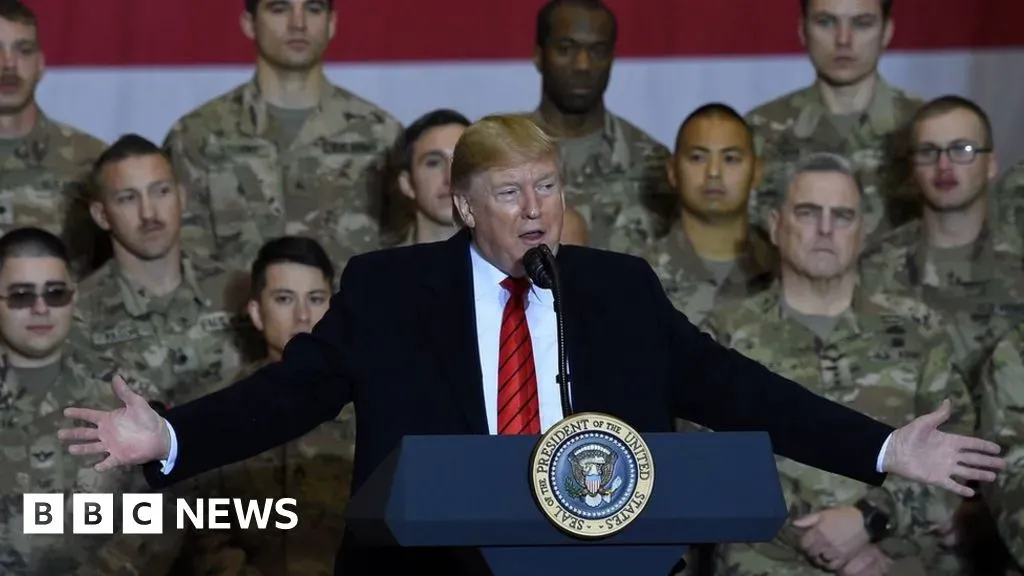
In a recent interview, President Donald Trump made controversial comments about British troops stationed in Afghanistan, eliciting strong reactions from political leaders and the public alike. He claimed that US allies were “a little off the front lines” during the conflict, questioning NATO’s commitment to collective defense. Sir Keir Starmer, the leader of the UK Labour Party, labeled Trump’s remarks as “insulting and frankly appalling,” especially considering the sacrifices made by over 450 British soldiers who lost their lives in Afghanistan. This incident has ignited widespread discourse on Trump’s NATO criticism and brought attention to the sacrifices made by British soldiers during the long-standing military engagement. As international responses to Trump’s comments unfold, the focus remains on how such statements reflect the ongoing dynamics within NATO and the impact on transatlantic relations.
The comments made by President Trump about British military personnel in Afghanistan have ignited a firestorm of controversy among political commentators and military veterans alike. His assertion that allied forces were not actively engaged at the front lines raises critical questions about the unity and commitment of NATO members in overseas missions. Notably, Sir Keir Starmer’s vehement reaction underscores the significance of honoring the sacrifices made by soldiers in one of the UK’s longest military engagements. Beyond the immediate responses, this episode highlights deeper issues surrounding international military partnerships and the reverberating effects of such statements on alliances. As public and political figures rally to defend the legacy of fallen and injured service members, the broader implications of Trump’s remarks on international defense cooperation remain a fervent topic of discussion.
Trump Comments on Afghanistan Troops Spark Outrage
President Donald Trump’s recent comments regarding the role of British troops in Afghanistan have caused an uproar across the UK political landscape. He claimed that US allies stayed “a little off the front lines” during the two-decade long conflict, an assertion that many, including Sir Keir Starmer, labeled as “insulting and frankly appalling.” This reaction highlights the sensitivity surrounding the sacrifice of British soldiers who served valiantly, with 457 losing their lives during the Afghanistan war.
Trump’s remarks have sparked strong reactions not only from politicians but also from families of veterans. Critics argue that such statements undermine the contributions of NATO allies in a joint military effort that was crucial following the September 11 attacks. The UK lost a significant number of soldiers in combat, particularly in Helmand Province, and these sacrifices have become a poignant topic of discussion following the president’s insensitive comments.
Keir Starmer’s Reaction to Trump’s Remarks on Troops
Keir Starmer has been vocal about his discontent with President Trump’s dismissive language regarding British troops in Afghanistan. In response to Trump’s notorious claims, Starmer stated that had he misrepresented the sacrifice of soldiers, he would certainly apologize. This principled stance is reflective of a broader concern that dismissive rhetoric from a powerful ally could diminish the significance of international partnerships forged in conflict.
Starmer’s condemnation of Trump is not merely political; it resonates with many who feel a sense of duty to honor the memories of fallen soldiers. Speaking passionately about their bravery, Starmer emphasized the emotional hurt that Trump’s comments have inflicted on the families of those who gave their lives. He argued that the significance of these sacrifices should not be trivialized for political gain or personal deflection.
International Response to Trump’s NATO Criticism
Trump’s commentary on NATO and its member states has elicited an international backlash, with leaders from various nations criticizing his perspective on military alliances. His claims that NATO countries, including the UK, have not contributed sufficiently to collective defense responsibilities have caused concern over the stability of transatlantic relations. Many allies argue that Trump’s attempts to undermine NATO’s unity could jeopardize the very security structure that has maintained peace since its inception.
The international community is on high alert, recognizing that Trump’s rhetoric compromises established alliances. As NATO faces pressing security challenges in an increasingly complex global landscape, these comments complicate international diplomacy efforts, potentially alienating committed allies. The need for a united front against common threats is as urgent as ever, and Trump’s criticisms could create fissures within a historically robust partnership.
Historical Context of British Soldiers in Afghanistan
The involvement of British soldiers in Afghanistan, particularly since the events of September 11, underscores a historical commitment to international security. Following NATO’s Article 5 invocation, British troops willingly joined the conflict, facing significant dangers that led to 457 fatalities. Each loss represents not just a number but a profound impact on families and communities that must grapple with the consequences of war.
Understanding this context is crucial when considering the weight of Trump’s comments. Many military veterans, like Corporal Andy Reid, have expressed that their sacrifices should not be doubted or minimized. The burden that these service members have borne, both physically and mentally, adds urgency to the call for respectful discourse regarding their contributions and sacrifices.
The Impact of Trump’s Comments on Military Families
For military families, the repercussions of President Trump’s remarks cannot be understated. The emotional toll on families of veterans, particularly those who lost their lives or sustained life-changing injuries, has been immense. Figures like Diane Dernie, whose son suffered serious injuries, captured the dismay felt within these communities, illustrating how dismissive remarks can trigger deep pain from past sacrifices.
The call for an apology from Trump reflects a desire for recognition and respect for the lives lost and altered in the pursuit of a collective mission. Comments that dismiss the realities of warfare strike at the heart of those who have lived through its trials, emphasizing the need for leaders to speak with the sincerity and reverence that these topics demand.
The Role of NATO in Global Security
NATO’s role in global security has been pivotal since its formation, and the alliance’s response to 9/11 exemplifies its purpose in collective defense. Countries joined together to face shared threats, a testament to the belief in a collaborative approach to security challenges. However, Trump’s suggestion that the alliance is not as vital as previously believed has raised questions about the future of mutual defense agreements.
The importance of NATO extends beyond military engagement; it represents a commitment to uphold democratic values and promote stability across Europe and North America. With criticisms arising, NATO members must come together to reaffirm their dedication to collective security, ensuring that their collective efforts continue to counterbalance emerging threats in the contemporary geopolitical climate.
Reactions from Political Leaders on Trump’s Comments
Following Trump’s controversial statements, various political leaders voiced their dismay, with responses ranging from disappointment to outright condemnation. Figures like Conservative leader Kemi Badenoch and Liberal Democrat leader Sir Ed Davey highlighted the disconnect between Trump’s words and the sacrifices made by British troops. Their collective caution underscores a sense of responsibility toward honoring military heritage amidst critical dialogues.
Political responses play a pivotal role in framing the national reaction to international incidents. This solidarity among MPs, despite party lines, emphasizes a united front in acknowledging the sacrifices made by past soldiers. Such reactions remind the public that political discourse should always consider the human cost of military interventions.
The Importance of Respectful Dialogue about Military Engagements
In times of conflict, the rhetoric surrounding military engagements should be approached with gravity and respect. Trump’s cavalier remarks about British troops serve as a reminder of the potential harm casual comments can inflict on those affected by war. It highlights the responsibility leaders bear to use their platforms constructively, acknowledging the complexities of military history rather than undermining those who served.
A respectful dialogue about the sacrifices made can foster healing and understanding, bridging the gap between military experiences and public perceptions. Conversations about these topics must be grounded in empathy, ensuring that the voices of those directly impacted, such as veterans and their families, guide discussions on military service and its significance.
Moving Forward: Importance of Apologies in Political Discourse
The call for an apology from President Trump following his disparaging comments highlights the critical need for accountability in political discourse. Acknowledging missteps is imperative in rebuilding trust with constituents, particularly when emotions run high around topics like military service. Apologies can serve as a foundation for healing, providing solace to those affected by careless remarks.
Moving forward, it is crucial that leaders recognize the weight of their words and the historical context in which they speak. Engaging in meaningful conversations that prioritize respect over rhetoric can pave the way for a more cohesive dialogue about international defense and collaboration, ultimately strengthening alliances like NATO in times of uncertainty.
Frequently Asked Questions
What are Trump’s comments about British troops in Afghanistan?
President Donald Trump described British troops in Afghanistan as staying ‘a little off the front lines’ during an interview, implying that US allies were not fully engaged in the conflict. His remarks drew criticism, including from UK Labour leader Sir Keir Starmer, who found them ‘insulting and frankly appalling.’
How did Keir Starmer react to Trump’s comments regarding troops?
Keir Starmer condemned Trump’s remarks about British troops in Afghanistan, calling them ‘insulting and frankly appalling.’ He expressed that such comments cause pain to the families of service members who were killed or injured in the war and mentioned he would apologize if he had mispoken in a similar manner.
What was the international response to Trump’s remarks about NATO and allies?
Trump’s comments sparked international outrage, with many political leaders in the UK condemning his statements as disrespectful to the sacrifices of troops, particularly highlighting the 457 British servicemen who lost their lives in Afghanistan. Critics, including those from various political parties, emphasized the importance of solidarity in NATO.
What did Trump imply about NATO’s role during the Afghanistan conflict?
During his remarks, Trump suggested that NATO allies had not been significantly involved in the frontline activities in Afghanistan and raised doubts about NATO’s commitment to mutual defense. This caused further controversy, as many leaders highlighted NATO’s crucial role during the Afghanistan war.
How have Trump’s comments affected relations with the UK regarding military sacrifices?
Trump’s comments have strained relations and prompted backlash in the UK, as many viewed his remarks as dismissive of the sacrifices made by British soldiers in Afghanistan. The reaction included calls for acknowledgment of the bravery and commitment shown by these troops, particularly in light of the significant number of British casualties.
What historical context is referenced in discussions about Trump’s comments on Afghanistan troops?
Discussion about Trump’s comments often references the invocation of NATO’s Article 5 after the 9/11 attacks, which led to allied military involvement in Afghanistan, where many lives were lost. This historical framework emphasizes the alliance’s collective commitment and the sacrifices made by soldiers from various nations, including the UK.
What has been the response from UK politicians concerning Trump’s NATO criticism?
UK politicians from various parties, including Conservative and Labour leaders, have criticized Trump’s negative remarks about NATO, citing the alliance’s importance and the sacrifices made by British troops. They argue that careless statements can undermine the historical context of shared military efforts and the camaraderie between allies.
How many British soldiers died in Afghanistan, and how does this relate to Trump’s comments?
A total of 457 British service personnel died in Afghanistan during nearly 20 years of conflict, highlighting the sacrifices made by UK troops. Trump’s comments, which seemed to downplay the role of NATO allies, have been seen as particularly hurtful to the families and communities affected by these losses.
Why did critics highlight Trump’s military deferments in response to his comments on troops?
Critics pointed out Trump’s five deferments from military service during the Vietnam War, arguing that his comments about the sacrifices of military personnel were hypocritical. This context was deemed important, as it framed his remarks within a broader narrative of understanding military engagement and sacrifice.
What is the significance of NATO’s mutual defense clause in discussions about Trump’s Afghanistan remarks?
NATO’s mutual defense clause, Article 5, was invoked for the first time after the 9/11 attacks, leading to collective military action in Afghanistan. Trump’s comments about NATO suggest a lack of appreciation for this historical context and the commitment of allied forces, thereby provoking significant responses from international leaders.
| Key Points |
|---|
| Sir Keir Starmer criticized Trump’s comments about British troops in Afghanistan as insulting and appalling. |
| Trump implied that NATO allies did not contribute much to the Afghanistan conflict, which stirred outrage. |
| Starmer expressed that if he had misspoken like Trump, he would apologize, highlighting the sensitivity of the topic. |
| British casualties in Afghanistan totaled 457, a figure Starmer emphasized to stress the sacrifices made. |
| Trump’s comments intensified criticism of his military service record and NATO relations. |
| Political leaders across the UK condemned Trump’s remarks, urging stronger expressions of support for troops. |
| The White House reaffirmed Trump’s stance on NATO and America’s contributions while sidestepping the apology request. |
Summary
Trump’s comments about Afghanistan troops have been met with widespread condemnation, particularly from British leaders like Sir Keir Starmer, who deemed them insulting and appalling. The controversy highlights the sensitivity surrounding the sacrifices made by allied soldiers and the mutual responsibilities of NATO members during the Afghanistan conflict.