
Listen to this article
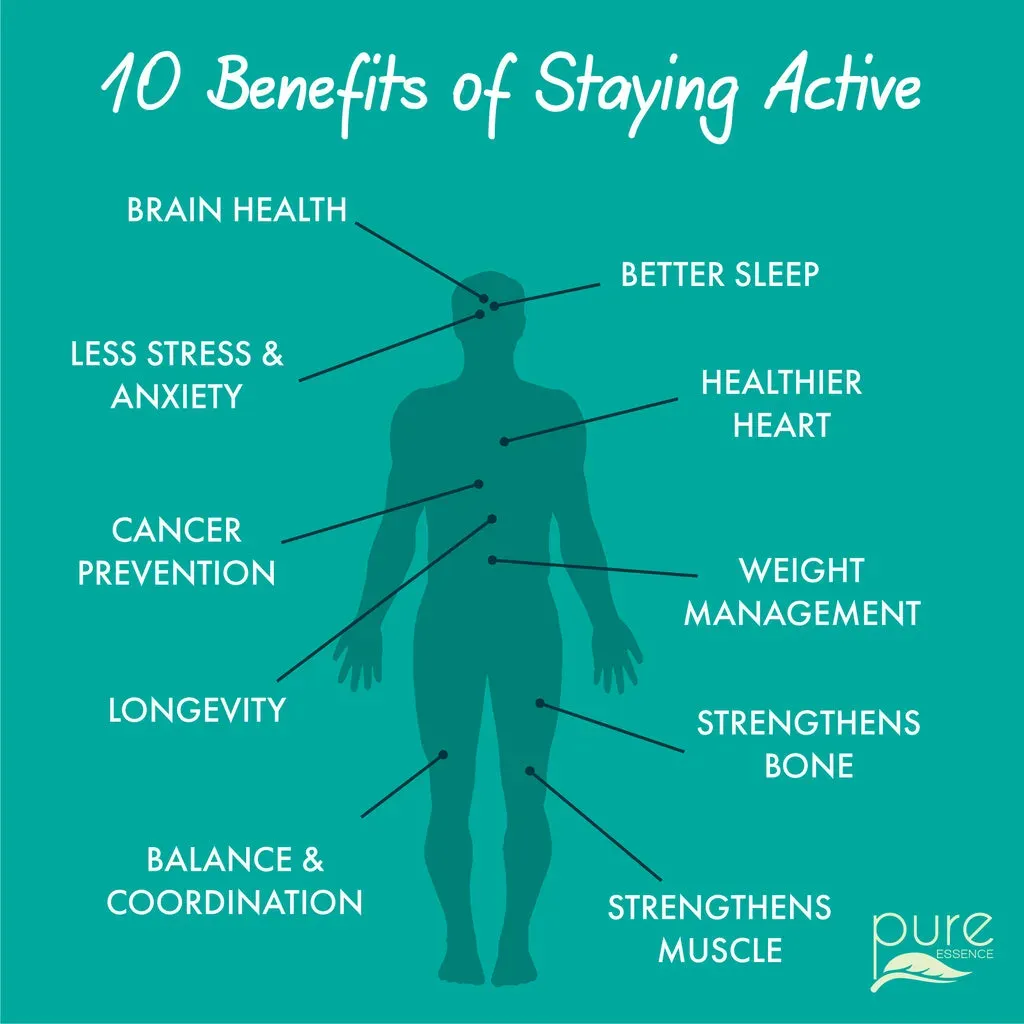
The benefits of staying active are remarkable and far-reaching, impacting both our physical health and mental well-being. As we navigate our busy lives, incorporating regular exercise and fostering healthy habits can significantly enhance our fitness lifestyle. Engaging in activities such as jogging, swimming, or yoga not only promotes cardiovascular health but also bolsters our mental resilience. With such a wealth of physical health benefits, from weight management to improved immune function, staying active becomes essential for a balanced life. Whether you’re looking to boost your mood, reduce anxiety, or simply enjoy the thrill of movement, maintaining an active lifestyle offers a pathway to overall well-being.
Regular physical engagement, often referred to as physical activity or exercise, provides a multitude of advantages essential for holistic health. Adopting a routine filled with movement fosters mental clarity and emotional balance while also supporting vital bodily functions. Embracing a dynamic lifestyle not only counters the perils of sedentary behavior but also enhances vitality, energy levels, and long-term wellness. From nurturing muscle strength to cultivating mindfulness through activities like Pilates, individuals can unlock a myriad of health rewards. Ultimately, a commitment to an active lifestyle brings forth improved quality of life and fosters a more fulfilling routine.
The Importance of a Fitness Lifestyle
Leading a fitness lifestyle is not just about hitting the gym or running marathons, it encompasses a holistic approach to well-being that integrates physical activity into everyday life. Regular engagement in physical activities enhances cardiovascular health, improves muscle strength, and aids in weight management. It encourages individuals to adopt healthy habits that sustain long-term health benefits, creating a sustainable lifestyle that promotes emotional and physical vitality.
Moreover, a fitness lifestyle nurtures resilience and adaptability. When individuals prioritize physical health, they tend to make better nutritional choices which, in turn, supports mental well-being. This whirlpool of positive habits creates a self-reinforcing cycle, where improved fitness leads to enhanced mood and cognitive function, ultimately enriching one’s quality of life.
Top Physical Health Benefits of Staying Active
Staying active yields significant physical health benefits that extend far beyond mere aesthetics. Regular participation in physical activities can markedly reduce the risk of chronic diseases such as diabetes, heart disease, and obesity. Engaging in consistent exercise promotes better circulation and oxygen distribution throughout the body, leading to improved organ health and increased energy levels.
In addition, physical activity contributes immensely to the prevention of musculoskeletal issues. Engaging in strength training and flexibility exercises can bolster bone density and muscle mass, particularly crucial as we age. By maintaining an active lifestyle, individuals can minimize the physical decline associated with aging and enjoy enhanced mobility and agility well into their later years.
The Mental Health Benefits of Regular Exercise
Physical activity is often hailed for its substantial mental health benefits, acting as a natural antidote to stress and anxiety. When we exercise, our bodies release endorphins and other neurotransmitters that foster feelings of happiness and relaxation. Engaging in regular physical activity can thus serve as an effective strategy for managing symptoms of depression and anxiety, empowering individuals to navigate life’s challenges with a more positive outlook.
The mental clarity gained from an active lifestyle can also greatly impact productivity and cognitive function. Studies have shown that individuals who exercise regularly exhibit enhanced concentration and memory retention. As blood flow to the brain increases during physical activity, cognitive performance improves, showcasing the vital link between physical health and mental wellness.
Enhanced Sleep Quality Through Staying Active
Staying active can dramatically improve the quality of your sleep. Engaging in regular exercise helps regulate your sleep-wake cycle, leading to deeper sleep at night. Physical activity increases body temperature, and the post-workout drop in temperature can promote falling asleep faster and achieving more restorative sleep stages, which are crucial for mental and physical recuperation.
Conversely, individuals who remain sedentary often encounter sleep disturbances. By incorporating exercise into daily routines, they may find that they fall asleep more easily and wake up feeling more refreshed. The cumulative effect of better sleep enhances overall well-being, strengthens immune response, and supports cognitive function.
How Exercise Boosts Confidence and Self-Esteem
Achieving fitness milestones can significantly boost an individual’s self-confidence and self-esteem. Whether it’s completing a challenging workout or reaching a fitness goal, such accomplishments foster a sense of pride and achievement. The positive reinforcement from these successes can lead to enhanced body image and self-worth, contributing to an overall positive mental state.
Additionally, improved physical fitness provides individuals with a sense of control over their health. As they become stronger and fitter, they often feel more empowered to tackle other aspects of their lives, both personally and professionally. This ripple effect underscores the importance of physical activity in not only enhancing aesthetic appeal but in transforming one’s self-perception and confidence.
Incorporating Movement Into Daily Life
Integrating physical activity into your daily routine doesn’t have to be daunting; simple adjustments can yield considerable health benefits. For instance, choosing to take the stairs rather than the elevator or opting for walking meetings instead of sitting down can significantly increase daily activity levels. Even incorporating stretching or brief exercise breaks can help break up long periods of sedentary behavior.
As individuals become more conscious of their activity levels, they may also discover enjoyable ways to stay active. Whether it’s participating in group sports, joining dance classes, or simply playing outdoors with children, these choices introduce fun into fitness, making it easier to stick with healthy habits and reap the associated long-term benefits.
Finding Enjoyable Physical Activities
Finding activities you genuinely enjoy is crucial for sustaining an active lifestyle. Engaging in exercises that feel less like a chore and more like a fun hobby can foster a long-term commitment to fitness. Whether it’s hiking in nature, joining a yoga class, or dancing your heart out, enjoyment is the key to maintaining motivation and consistency.
Moreover, exploring different types of activities can help individuals uncover hidden passions and enhance their overall well-being. Variety can keep the routine fresh and exciting, reducing the risk of burnout and fatigue commonly associated with rigorous workout schedules. By prioritizing enjoyment in fitness, individuals can maintain an active lifestyle that contributes to happiness and a positive outlook on life.
Setting Achievable Fitness Goals
Goal setting is a powerful tool in the journey to staying active. By establishing achievable fitness goals, individuals can maintain motivation and track their progress effectively. Whether they aim to run a certain distance, attend a specific number of workout classes weekly, or simply stay active for a consistent period each day, setting realistic targets can make the path to fitness feel attainable.
As individuals meet their goals, they experience a boost in confidence and motivation, reinforcing their commitment to a healthy lifestyle. Short-term goals ultimately lead to long-term changes, creating a sense of achievement and fulfillment that enhances overall emotional well-being.
The Role of Community in Staying Active
Being part of a fitness community can provide immense support in maintaining an active lifestyle. Whether through group exercise classes, sports teams, or online communities, the shared experiences and encouragement can boost motivation and accountability. Engaging in activities with others not only makes exercise more enjoyable but also fosters a sense of belonging.
Additionally, community involvement in fitness can lead to healthier habits as individuals inspire one another to stay committed to their goals. Sharing challenges, progress, and successes creates a positive environment where everyone encourages each other to prioritize health and well-being, demonstrating the powerful influence of social connections on fitness.
The Lifelong Commitment to a Healthy Lifestyle
Embracing a healthy lifestyle is a lifelong commitment that yields immense rewards in both physical and mental health. It’s never too late to start incorporating more movement into your life, whether you are a fitness novice or an experienced athlete. The key is to remain consistent and adaptable, adjusting activities to suit life changes and individual preferences.
By prioritizing regular physical activity and healthy habits, individuals set themselves up for a fulfilling and vibrant life. The journey toward an active lifestyle is a continuous process of learning, growth, and discovery that enhances overall well-being and empowers individuals to live their best lives.
Frequently Asked Questions
What are the physical health benefits of staying active?
Staying active provides numerous physical health benefits, including improved cardiovascular health, effective weight management, enhanced muscle and bone strength, increased flexibility and mobility, and boosted immune function. Regular exercise helps lower the risk of heart disease and obesity while maintaining overall body strength and resilience.
How does staying active improve mental health benefits?
Engaging in regular physical activity leads to significant mental health benefits, such as reduced stress and anxiety, better mood regulation, improved sleep quality, enhanced cognitive function, and increased self-esteem. Physical exercise helps release endorphins, which promote happiness and alleviate feelings of depression.
Can exercise and well-being really impact everyday life?
Yes, exercise and well-being significantly impact everyday life. By integrating staying active into your routine, you can enjoy improved energy levels, better mood, and enhanced focus, which can lead to increased productivity and more fulfilling daily experiences.
What are some examples of a fitness lifestyle that promote health?
A fitness lifestyle includes engaging in a variety of physical activities such as running, swimming, cycling, yoga, or group sports. Incorporating these activities regularly not only improves physical fitness but also fosters healthy habits that enhance overall well-being.
How can staying active help with weight management?
Staying active is crucial for weight management as it boosts metabolism, enabling your body to burn calories more efficiently. Regular exercise, combined with a balanced diet, helps maintain a healthy weight and combat obesity-related health problems.
What role does flexibility play in the benefits of staying active?
Flexibility is a key benefit of staying active. Regular participation in activities such as yoga or stretching enhances muscle elasticity, promotes better joint health, reduces the risk of injuries, and improves overall athletic performance, contributing to a well-rounded fitness lifestyle.
How does staying active contribute to better sleep quality?
Staying active facilitates better sleep quality by helping you fall asleep faster and improving sleep depth. Regular physical activity stimulates the body’s natural sleep-wake cycle, leading to more restorative rest and reduced feelings of fatigue during the day.
What are the cognitive benefits of physical activity?
The cognitive benefits of physical activity include improved memory, enhanced concentration, and a reduced risk of cognitive decline. Regular exercise increases blood flow to the brain, which contributes to better mental performance and overall brain health.
How does staying active increase self-confidence?
Staying active boosts self-confidence by helping you achieve fitness goals and develop new skills. As individuals make progress through exercise, they often experience improved body image and self-worth, leading to a more positive outlook on life.
What steps can I take to incorporate healthy habits of staying active into my routine?
To incorporate healthy habits of staying active, consider taking the stairs instead of the elevator, biking or walking to work, joining fitness classes, planning active family outings, and setting achievable fitness goals to keep you motivated.
| Key Point | Description |
|---|---|
| Improved Cardiovascular Health | Regular aerobic exercises strengthen the heart, improve circulation, and lower blood pressure, reducing risks of heart disease and stroke. |
| Weight Management | Physical activity boosts metabolism and aids in maintaining a healthy weight or weight loss when combined with a balanced diet. |
| Enhanced Muscle and Bone Strength | Weight-bearing exercises build muscle strength and maintain bone density, reducing risks of falls and fractures as we age. |
| Increased Flexibility and Mobility | Regular activity improves flexibility, reduces injury risks, enhances posture, and boosts athletic performance through better mobility. |
| Boosted Immune Function | Moderate exercise helps enhance immune function, potentially resulting in fewer colds and infections. |
| Reduced Stress and Anxiety | Exercise releases endorphins, which help alleviate stress and anxiety, promoting a sense of well-being. |
| Improvement in Mood | Physical activity boosts serotonin production, enhancing mood and leading to improved relationships and productivity. |
| Enhanced Sleep Quality | Regular activity helps in falling asleep faster and achieving deeper sleep, leading to better energy levels and concentration. |
| Cognitive Function and Memory | Exercise improves blood flow to the brain, enhancing cognitive function and lowering risks of cognitive decline with age. |
| Increased Confidence and Self-Esteem | Achieving fitness goals boosts confidence and self-esteem, leading to a more positive body image and self-worth. |
Summary
The benefits of staying active are extensive and encompass both physical and mental health improvements. By engaging in regular physical activity, individuals can enhance cardiovascular health, manage weight effectively, strengthen muscles and bones, and improve overall flexibility. Additionally, the mental health benefits such as reducing stress, boosting mood, improving sleep quality, and enhancing cognitive function further highlight the importance of staying active. As we navigate our busy lives, prioritizing physical activity not only promotes better health but also enriches our quality of life, making it essential for everyone.

