
Listen to this article
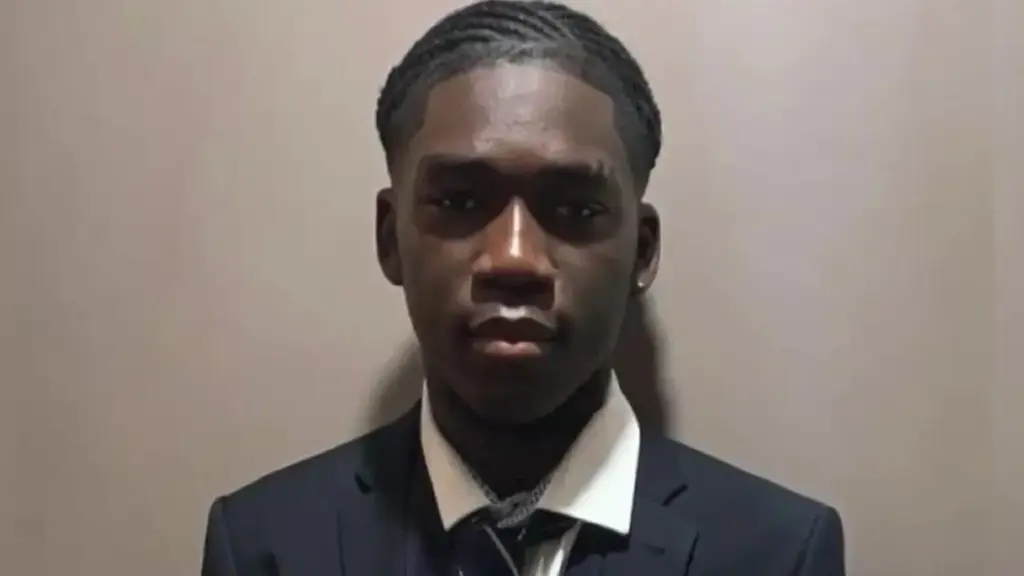
In a tragic turn of events, the death of Marcus Fakana has rocked the community, highlighting the perils of dangerous driving. Just three months after his release from a Dubai prison, where he had faced charges related to a relationship with a minor, Marcus found himself in a fatal crash. The driver, Marwaan Mohamed Huseen, has now confessed to killing Marcus during a reckless attempt to evade the police. This devastating incident, which also involved serious injuries to another passenger, underscores the dire consequences of such reckless behavior on the roads. As authorities work through the aftermath, the incident serves as a painful reminder of the risks associated with dangerous driving.
The recent events surrounding the tragic loss of young life serve as a significant case study in road safety and legal responsibility. Marcus Fakana, once emerging from the clutches of a Dubai prison, now symbolizes the grim realities faced by victims of fatal crashes. Witnesses have recounted how the driver confessed to his guilt, shining a light on how reckless actions can irrevocably alter lives. This discussion extends beyond the immediate incident, touching on broader societal issues related to youth safety and the repercussions of driving under duress. In this context, the implications of such dangerous driving incidents resonate deeply, urging a re-evaluation of traffic regulations and enforcement.
The Tragic Death of Marcus Fakana
Marcus Fakana’s life was tragically cut short in a dangerous driving incident that left his loved ones mourning. At just 19 years old, he was navigating a crossroads in life after being recently released from a Dubai prison where he had been incarcerated due to a misguided romantic relationship with a 17-year-old girl. His death has been described as a heartbreaking loss, resonating with many who followed his case and the events surrounding it. The collision that claimed his life occurred just three months after his return from the UAE, where he experienced both the highs of youthful love and the lows of international legal repercussions.
Fakana’s death has thrown a spotlight on the issues of dangerous driving, particularly in the context of police pursuits. The confession of driver Marwaan Mohamed Huseen, who admitted to causing the fatal crash while trying to evade law enforcement, underscores the potential consequences of reckless driving behavior. This incident not only ended a young life but also resulted in serious injuries to another passenger, drawing attention to the risks involved in high-speed chases. As investigations continue, there is a growing call for stricter regulations to prevent such tragic outcomes from repeating.
The Confession Behind the Collision
Marwaan Mohamed Huseen’s admission of guilt in court reveals a concerning pattern of behavior that culminated in the tragic end of Marcus Fakana. Driving uninsured and unlicensed, Huseen’s decision to engage in a high-speed escape from police led to a catastrophic crash with a lorry. His actions raise critical questions about accountability and the severity of penalties for dangerous driving incidents. By pleading guilty to causing death through dangerous driving, Huseen not only acknowledged his role in the accident but also brought to light the reckless nature of pursuits that can lead to fatal outcomes.
The ramifications of Huseen’s confession extend beyond the courtroom; they ignite discussions about public safety and the responsibility of drivers on the road. Many are left wondering how such dangerous driving incidents can be prevented in the future. As the sentencing date approaches, families affected by similar tragic events are watching closely, hoping to see justice served and preventive measures enacted to protect innocent lives from the consequences of reckless driving.
Understanding Dangerous Driving Incidents
Dangerous driving incidents, such as the one that led to Marcus Fakana’s death, highlight the urgent need for increased awareness and education around road safety. Factors contributing to such tragedies often include reckless driving, excessive speed, and evasion of law enforcement. The aftermath of these incidents can be devastating, impacting not just the victims but their families and communities as well. In the UK, the laws surrounding dangerous driving are intended to protect the public and ensure those responsible are held accountable, yet the occurrence of such collisions suggests further actions may be needed to deter such behavior.
In addition to legal repercussions, the emotional toll of dangerous driving incidents is profoundly felt. Lives are changed forever, and families are left grappling with grief and the loss of a loved one. Community initiatives aimed at promoting road safety and reducing the number of dangerous driving incidents have become increasingly important. Campaigns focusing on responsible driving behavior and the consequences of reckless actions on the road must be a priority if we are to see a reduction in fatalities and injuries resulting from such tragic events.
The Consequences of Recklessness
The consequences of reckless driving extend well beyond the immediate impact of a collision, affecting the lives of many individuals and families. In the case of Marcus Fakana, his tragic death serves as a poignant reminder of the high stakes involved when drivers choose to engage in dangerous behavior. The ripple effect of such actions can lead to long-term emotional trauma for families and friends left behind. Additionally, these incidents draw increased scrutiny from authorities and can lead to tougher regulations and heightened law enforcement presence in communities where dangerous driving is prevalent.
As society reflects on the losses caused by reckless driving, there are calls for enhanced public awareness campaigns that shine a light on the responsibilities that come with operating a vehicle. Educating young drivers and promoting safe driving practices is crucial to preventing further tragedies like that of Marcus Fakana. By fostering a culture of accountability and responsibility on the roads, we can work towards reducing the incidence of dangerous driving incidents and ultimately saving lives.
The Impact of Police Pursuits on Public Safety
The events surrounding Marcus Fakana’s death have reignited discussions about the impact of police pursuits on public safety, particularly when dangerous drivers attempt to escape law enforcement. While chasing suspects is sometimes necessary to maintain law and order, it is crucial to weigh the potential risks to innocent bystanders and passengers in vehicles. The authorities must consider alternative methods for apprehending suspects, reducing the likelihood of collisions that can result in devastating consequences, as seen in the tragic case of Fakana.
The debate surrounding police chases delves into the complexities of balancing public safety with effective law enforcement. Striking the right balance can be challenging, as every situation is unique, and split-second decisions can have life-altering outcomes. Increased training for police officers on recognizing when a pursuit should be aborted may offer a pathway to safer streets, thereby preventing future incidents like the one that took Fakana’s life.
The Legal and Emotional Consequences of Dangerous Driving
The intersection of legal consequences and emotional fallout from dangerous driving incidents cannot be overstated, particularly in light of the recent death of Marcus Fakana. When a driver like Marwaan Mohamed Huseen is found guilty of causing a death through negligent actions, it leads to criminal charges that carry heavy penalties. The judicial system’s response to such behaviors plays a vital role in deterring future reckless driving, emphasizing the need for accountability to protect the public.
Meanwhile, the emotional impact on families affected by such tragic outcomes often lasts a lifetime. Survivors and loved ones grapple with profound grief and anguish over lost futures and shattered dreams, compounded by the knowledge that these fatalities could potentially have been avoided. Community resources and support systems become essential in helping families navigate their grief while advocating for changes in legislation and awareness campaigns that promote road safety.
The Role of Advocacy Groups in Road Safety
Advocacy groups play a significant role in raising awareness about road safety and promoting legislative changes to prevent tragedies like the death of Marcus Fakana. Organizations focusing on the dangers of reckless driving work tirelessly to educate the public, lobby for improved laws, and offer support to victims and families affected by such incidents. The outcry from advocates following the tragic loss of young lives highlights the urgent need for societal change regarding driving behaviors and the accountability of dangerous drivers.
In the wake of fatal accidents, advocacy organizations often step in to ensure that the voices of victims and their families are heard. They push for tougher regulations around vehicular safety, including increased penalties for dangerous driving. As seen in the case of Fakana, the work of these groups can amplify awareness and encouragement for government action, ultimately aiming to enhance road safety measures and prevent future heartbreak.
Public Reactions to the Death of Marcus Fakana
The community response to the tragic death of Marcus Fakana has been one of shock and sorrow. Many have taken to social media to express their condolences, reflecting on his life and the abruptness of his passing. Public outcry often follows such incidents, calling for justice for the victims and accountability for those responsible for reckless actions. As discussions proliferate around this incident, many community members rally for enhanced safety measures on the roads, particularly in areas where dangerous driving has become a recurring issue.
In addition to expressing grief, members of the community are galvanizing efforts to promote awareness around reckless driving. Campaigns that highlight the risks associated with high-speed pursuits and other dangerous behaviors are gaining traction. The sentiment surrounding Marcus Fakana’s death has been fueled by the desire to initiate change, enhance road safety, and prevent similar incidents in the future, making community advocacy a key element in the ongoing dialogue about driving accountability.
The Future of Legal Repercussions in Driving Incidents
As the legal proceedings continue following Marcus Fakana’s death, discussions about the future of legal repercussions in driving incidents are increasingly relevant. The intersection of youth, reckless driving, and the consequences of such actions raises pressing questions about how the judicial system can effectively address these challenges. In light of the confession by driver Marwaan Mohamed Huseen, many legal experts argue that more stringent measures must be implemented to hold individuals accountable for their actions on the road.
There is also an argument for a more rehabilitative approach, focusing on education and prevention while ensuring that legal repercussions serve as a deterrent against future reckless behavior. The case of Marcus Fakana could potentially serve as a critical turning point, pushing for legislative changes that not only penalize dangerous driving but also promote awareness around the responsibilities associated with operating a vehicle. This multifaceted approach may pave the way for a safer future on the roads.
Frequently Asked Questions
What happened during the death of Marcus Fakana?
Marcus Fakana tragically lost his life during a dangerous driving incident in Tottenham, north London. He was a passenger in a BMW driven by Marwaan Mohamed Huseen, who was fleeing from police when he collided with a lorry on October 3. Huseen later confessed to causing Fakana’s death through dangerous driving.
Who confessed to killing Marcus Fakana?
Marwaan Mohamed Huseen, the driver involved in the crash that resulted in Marcus Fakana’s death, confessed to killing him during a court hearing. Huseen pled guilty to causing death by dangerous driving and was driving uninsured and unlicensed at the time.
What led to the death of Marcus Fakana in the crash?
The death of Marcus Fakana occurred as a result of a high-speed chase with police. Huseen, the driver, was attempting to evade capture when he crashed the BMW into a lorry, leading to the fatal injuries sustained by Fakana.
What were the circumstances surrounding Marcus Fakana’s release from Dubai jail?
Marcus Fakana had recently been released from a Dubai prison after a royal pardon. He had spent nearly a year in prison due to a conviction related to a relationship with a minor. Tragically, only three months after his release, he was involved in a fatal crash.
What legal implications did Huseen face after the death of Marcus Fakana?
Following the tragic incident resulting in Marcus Fakana’s death, Marwaan Mohamed Huseen faced serious legal consequences. He has been charged with causing death by dangerous driving and causing serious injury to another passenger, with a sentencing hearing scheduled for February 27.
How has Marcus Fakana’s death impacted the campaign for justice?
Marcus Fakana’s death has drawn significant attention and sparked an outcry from advocates like Radha Sterling of Detained in Dubai, who expressed heartbreak over the loss. The campaign group continues to highlight the issues surrounding justice and advocacy for individuals detained in foreign countries.
What details are known about the crash that caused Marcus Fakana’s death?
The crash involving Marcus Fakana and Marwaan Mohamed Huseen occurred on Pretoria Road in Tottenham. Huseen was evading police when he collided with a lorry, resulting in the death of 19-year-old Fakana and serious injuries to another passenger.
Was Marcus Fakana involved in any legal troubles prior to his death?
Yes, prior to his untimely death, Marcus Fakana was involved in legal troubles in Dubai due to a sexual relationship with a 17-year-old girl, which led to his imprisonment. He was freed only three months before the fatal crash.
| Key Point | Details |
|---|---|
| Driver’s Admission | Marwaan Mohamed Huseen, 20, confessed to causing Marcus Fakana’s death through dangerous driving. |
| Incident Details | The crash occurred while attempting to evade police, resulting in Marcus’s death and injuries to another passenger. |
| Huseen’s Background | He was uninsured and unlicensed at the time of the incident. |
| Fakana’s Release | Marcus Fakana was released from Dubai jail just three months prior to the incident, after being imprisoned for a relationship with a minor. |
| Legal Context | In Dubai, adults can be prosecuted for sexual relations with minors under 18. |
| Next Steps | Huseen is remanded in custody, with a sentencing hearing scheduled for February 27. |
Summary
Marcus Fakana’s tragic story serves as a poignant reminder of the dangers that can arise from reckless behavior. After a turbulent experience in Dubai, where he lost his freedom over a romantic involvement with a minor, his life was cut short by a fatal crash caused by the actions of Marwaan Mohamed Huseen. This incident underscores the importance of responsible driving and the devastating consequences that can follow from evading law enforcement. As this case progresses towards sentencing, it remains a sobering wake-up call regarding the fragility of life and the legal complexities surrounding youth and relationships.