
Listen to this article
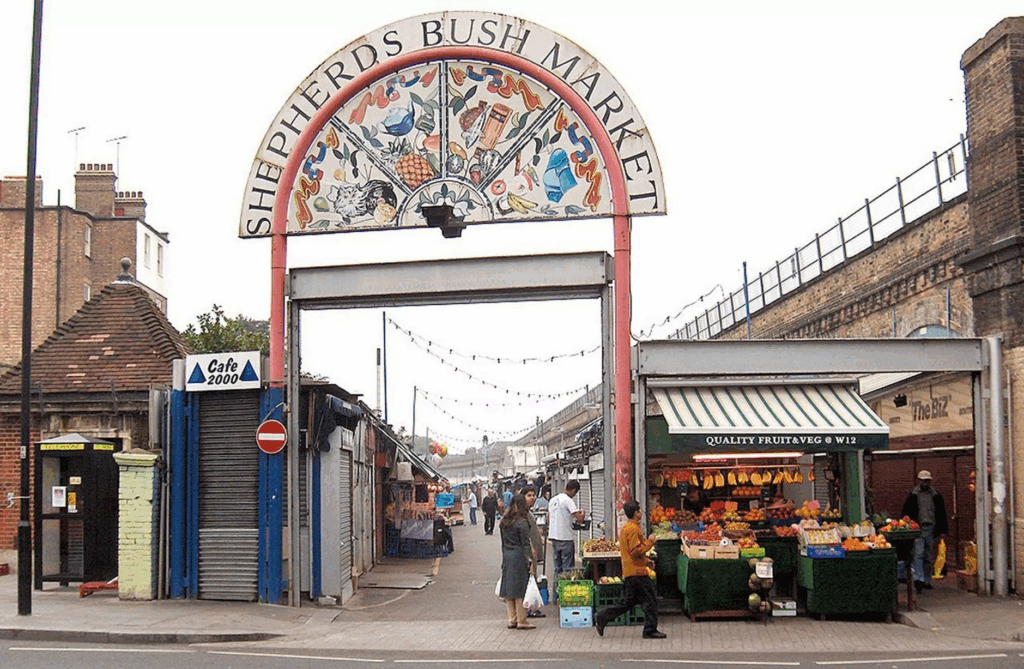
Shepherd’s Bush Market stands at a significant crossroads, where heritage meets the challenge of modern redevelopment. Recently, the Hammersmith and Fulham Council rejected a proposal to designate the market as an Asset of Community Value, a move initiated by the Friends of Shepherd’s Bush Market to safeguard its legacy amid fears of gentrification from the Yoo Capital development. With ambitious plans involving new stalls and residential buildings, the future of Shepherd’s Bush Market is a hot topic, especially as local advocates push for community ownership to preserve its cultural essence. The rejection of community asset status has sparked controversy, highlighting the tensions between development ambitions and the voice of the traders and residents. As the debate unfolds, the fate of Shepherd’s Bush Market will undoubtedly continue to reflect the broader narrative of urban transformation and community resilience.
The vibrant marketplace in West London, known for its unique blend of culture and commerce, is currently facing pivotal changes. Local representatives had sought designations that would honor the site’s communal significance, particularly in light of the burgeoning redevelopment plans by prominent developers. The conversation has intensified around concepts like community-driven ownership, especially in the face of looming concerns regarding the impact of gentrification and potentially diminished cultural vibrancy. As various stakeholders, including local tenants and advocacy groups, vie for influence and recognition amidst the proposed advancements by the Hammersmith and Fulham Council, the essence of the market—and what it represents for the local populace—remains at stake. Thus, discussions surrounding the future of the marketplace not only resonate with concerns for preservation but also illustrate the complexities of urban growth within the heart of London.
The Importance of Shepherd’s Bush Market in London’s Cultural Landscape
Shepherd’s Bush Market has long been a vital hub of activity in West London, known for its diverse offerings and rich multicultural heritage. The market serves as a melting pot for various communities, showcasing a variety of foods, crafts, and services that reflect the local and immigrant populations. Despite the challenges posed by gentrification and redevelopment, the market continues to represent the vibrancy and resilience of its surrounding neighborhoods, making its safeguarding paramount to many residents and visitors alike.
As calls for community involvement grow louder, the need for Shepherd’s Bush Market to maintain its identity becomes ever clearer. The Friends of Shepherd’s Bush Market have rallied for its designation as an Asset of Community Value (ACV), aiming to ensure that the market retains its social and communal importance in the face of significant redevelopment plans. This movement highlights the expectation that a balance can be struck between modern development and preserving the cultural landmarks that define London’s character.
Debate over Asset of Community Value Status
The recent rejection by the Hammersmith and Fulham Council regarding the ACV status for Shepherd’s Bush Market underscores the tensions between developers and the local community. Proponents of the ACV, including the Friends of the Market, argue that the designation is necessary to protect the market’s essence amid looming privatization and potential dilution of its unique charm. They assert that the decision reflects a broader trend towards prioritizing profit over community well-being.
Conversely, the council’s stance that the application did not sufficiently demonstrate the market’s social interests raises questions about the criteria used to designate spaces as significant beyond their commercial value. Critics of the council’s decision fear that without ACV protections, the market could lose its cultural attributes, leading to a homogenized retail space devoid of local flavor. This ongoing debate reveals the complexities surrounding community ownership and the perceived threats posed by redevelopment efforts led by Yoo Capital.
Yoo Capital’s Plans and Community Concerns
Yoo Capital’s redevelopment proposals for Shepherd’s Bush Market include a mix of new stalls, commercial space, and housing developments, sparking varied reactions from community members. Supporters argue that these plans could revitalize the market, attracting new business and customers while introducing much-needed council homes in the area. However, many worry that such redevelopment will push out existing traders and change the market’s character, leading to gentrification that would displace long-standing community members.
Moreover, the intended construction of a nine-story commercial building and cosmetic updates poses the risk of overshadowing local voices with billionaire interests. Community groups emphasize that true rejuvenation cannot occur without incorporating feedback from the traders and local residents. For Yoo Capital’s projects to succeed and genuinely benefit the community, an earnest collaboration with these stakeholders is essential to ensure that the market remains a cherished space for all.
Future of Shepherd’s Bush Market: A Balancing Act
As discussions continue about the future of Shepherd’s Bush Market, there is a pressing need to strike a balance between development and the preservation of local culture. While the intentions behind Yoo Capital’s redevelopment may be to enhance the market’s viability, community members express the importance of ensuring that the unique identity of the market is not sacrificed. Future conversations need to involve all stakeholders, including the Shepherd’s Bush Market Tenants’ Association and the Friends of the Market, to align on a vision that respects both heritage and future growth.
The ongoing negotiations reflect a broader challenge facing urban centers across London, where development often overshadows community needs. Pioneering a model for effective collaboration and consensus could serve as a template for other communities facing similar challenges. Maintaining the core values and ethos of Shepherd’s Bush Market must remain a top priority as the council and developers move forward with their plans.
Hammersmith and Fulham Council’s Position on Market Development
The response from Hammersmith and Fulham Council regarding the ACV application has been met with criticism from various community factions. The council argued that the request did not adequately prove the market’s role in providing social interests that extend beyond standard retail services. This perspective highlights a critical debate about how local governance views the economic value of markets like Shepherd’s Bush and their contribution to the social fabric of the community.
However, members of the Friends of Shepherd’s Bush Market contest this assessment, believing that the market provides vital social connections and economic opportunities that merit protection. The council’s refusal to grant ACV status, which many see as disregarding the market’s cultural role, adds tension between local authorities and community advocates. This dynamic suggests that future dialogues must navigate the complexities of community value against the backdrop of urban development.
Social and Economic Implications of Market Redevelopment
The ongoing plans for Shepherd’s Bush Market introduce both social and economic implications that could reshape the community landscape. On one hand, the introduction of new retailers and enhanced infrastructure might stimulate local economic growth and attract a wider customer base. However, the fear of gentrification remains prominent, as many locals worry that rising rents and changing demographics could alienate existing traders and customers who have historically contributed to the market’s identity.
Understanding these implications necessitates an in-depth examination of how redevelopment can either fortify or dismantle the relationships within the community. For many residents, preserving accessible spaces where diverse cultural interactions occur is paramount. Ensuring that new developments consider these social dynamics will be essential in creating an inclusive environment that honors the rich history of Shepherd’s Bush Market while adapting to contemporary challenges.
Community Ownership and Its Potential Impact
The concept of community ownership has emerged as a rallying cry among advocates for Shepherd’s Bush Market, seen as a potential safeguard against the encroaching forces of privatization. By securing a stake in the market, local traders and residents could dictate the development narrative, ensuring that their needs and preferences shape the future. This vision of community agency not only emphasizes local empowerment but also fosters a sense of stewardship over the market’s heritage.
However, achieving community ownership involves navigating regulatory landscapes and building strong partnerships among stakeholders. An engaged community could advocate for policies that prioritize the interests of residents and traders, countering the monetized interests of large developers. As discussions evolve, the ability of community members to forge a united front and represent their collective voice will be integral to any push for establishing long-term stewardship of Shepherd’s Bush Market.
The Role of the Shepherd’s Bush Market Tenants’ Association
The Shepherd’s Bush Market Tenants’ Association plays a crucial role in mediating the interests of traders amid redevelopment plans. Acting as representatives for various stakeholders, the association voices the concerns and needs of those who make the market vibrant. Their stance has been protective of local businesses, as they argue against the ACV application proposed by the Friends of Shepherd’s Bush Market, labeling it a distraction from constructive dialogue about regeneration.
Their perspective sheds light on the complexities of achieving consensus in a community where not all members share the same vision. The association advocates for a collaborative approach to development that includes traders, ensuring that any future changes do not disrupt their livelihoods. Establishing a dialogue that aligns the aspirations of the tenants with the visions of developers like Yoo Capital is essential for a sustainable market that thrives amid continuous evolution.
The Future Vision for Shepherd’s Bush Market and Local Residents
Looking ahead, the future vision for Shepherd’s Bush Market hinges on collaborative efforts among various stakeholders, including community members, traders, and developers. This cooperative model could allow for a redevelopment that respects the market’s historical significance while introducing modern necessities. By integrating local voices into the planning process, the potential exists for creating a market that meets both commercial demands and local aspirations.
Engaging residents in the visioning process can foster a sense of ownership and attachment to the market, essential for maintaining its cultural relevance. This visionary approach not only ensures that Shepherd’s Bush Market remains a vibrant destination but also strengthens community ties within Hammersmith and Fulham. As plans unfold, the focus must persist on creating a marketplace that honors past traditions while embracing innovative growth opportunities.
Frequently Asked Questions
What is Shepherd’s Bush Market and its significance in West London?
Shepherd’s Bush Market is a vibrant marketplace located in West London, known for its rich cultural heritage and diverse selection of goods. It serves as a focal point for the local community, providing a variety of retail services and cultural experiences that reflect the area’s diversity.
What is the Shepherd’s Bush Market redevelopment plan proposed by Yoo Capital?
The Shepherd’s Bush Market redevelopment plan by Yoo Capital includes introducing new stalls, constructing 40 council homes on the adjacent Old Laundry Yard, and building a nine-story commercial structure. The aim is to enhance the market’s facilities while preserving its heritage.
Why did the Friends of Shepherd’s Bush Market seek Asset of Community Value (ACV) status?
The Friends of Shepherd’s Bush Market sought Asset of Community Value (ACV) status to secure protection for the market amidst fears of potential gentrification and to pave the way for community ownership, asserting that ACV designation would help safeguard the market’s future and cultural significance.
What was the Hammersmith and Fulham Council’s position on the ACV application for Shepherd’s Bush Market?
Hammersmith and Fulham Council rejected the ACV application for Shepherd’s Bush Market, stating that it did not adequately demonstrate the market’s social interests, as it was seen more like standard retail services. The council’s decision has faced criticism from community groups concerned about the market’s future.
How has the local community reacted to the redevelopment of Shepherd’s Bush Market?
The local community has shown divided opinions regarding the redevelopment of Shepherd’s Bush Market. Supporters of the Friends of Shepherd’s Bush Market fear that the plans by Yoo Capital may lead to gentrification and loss of cultural identity, while the Shepherd’s Bush Market Tenants’ Association claims that these plans are necessary for regeneration.
What are the goals of Yoo Capital regarding Shepherd’s Bush Market?
Yoo Capital aims to revitalize Shepherd’s Bush Market by collaborating with traders, local residents, and the Shepherd’s Bush Market Tenants’ Association. Their goals include preserving the market’s heritage, enhancing its operational capacity, and ensuring it remains a cherished destination for both locals and visitors.
What does the future hold for Shepherd’s Bush Market following the rejection of the ACV application?
Following the rejection of the ACV application, the future of Shepherd’s Bush Market will rely on the ongoing redevelopment efforts by Yoo Capital, which is set to commence construction in early to mid-2026. Community involvement and support will be crucial to maintaining the market’s cultural identity amidst these changes.
| Key Points |
|---|
| The Hammersmith and Fulham Council has rejected the ACV application for Shepherd’s Bush Market. |
| Friends of Shepherd’s Bush Market sought ACV status for community ownership and protection amid development concerns. |
| Yoo Capital plans to redevelop the market while claiming to preserve its heritage and secure its future. |
| Concerns about gentrification and loss of cultural significance from supporters of the Friends group. |
| The Shepherd’s Bush Market Tenants’ Association supported the redevelopment for regeneration benefits. |
| The council’s rejection was based on a lack of evidence for social interests in the market. |
| Yoo Capital’s plans include new stalls, construction of homes, and commercial buildings starting in 2026. |
Summary
Shepherd’s Bush Market is facing significant changes as the local council has rejected an application to designate it as an Asset of Community Value. Despite the efforts of community groups to protect the market, the redevelopment plans proposed by Yoo Capital aim to enhance and modernize the area while preserving its heritage. The debate surrounding these developments raises essential questions about community interests versus commercial objectives, underscoring the market’s vital cultural identity in West London.