Listen to this article
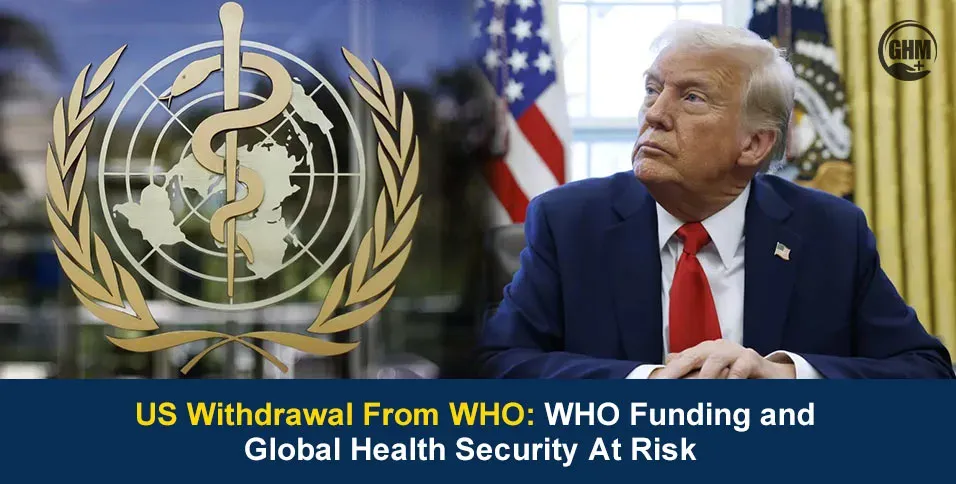
The US withdrawal from WHO marks a significant chapter in global health policy and has reignited debates around the US and WHO relationship, especially following the Trump administration’s decision to cut funding due to perceived inadequacies in handling the COVID-19 pandemic. Critics argue that this withdrawal not only undermines international health initiatives but also exacerbates the WHO funding crisis, leaving the organization without one of its largest financial backers. The impact of US withdrawal reverberates through ongoing global efforts to combat health crises, as evidenced by numerous discussions surrounding effective health policies and pandemic preparedness. As allegations of the WHO being “China-centric” floated around, the administration’s stance reflects a complex interplay of politics and health governance on a global stage. Experts warn that such drastic measures could weaken collaborative efforts essential for addressing future health emergencies and diseases.
The exit of the United States from the World Health Organization (WHO) signifies a pivotal shift in international health dynamics, alluding to a breakdown in trust and collaboration during critical moments like the pandemic. With the Trump administration’s choice to disengage, the ramifications of this decision stretch beyond immediate funding issues, potentially compromising global health initiatives and response measures. The severed ties could alter how member states approach health crises, emphasizing the importance of partnerships and cooperation in mitigating future outbreaks. Consequently, the repercussions could affect ongoing efforts to bolster health standards worldwide, especially in tackling dire issues such as viral infections and health equity. As the discourse on the relationship between large donors and global health governance continues, it is clear that the landscape of global health advocacy is at risk of significant upheaval.
The Implications of the US Withdrawal from WHO
The official withdrawal of the United States from the World Health Organization (WHO) marks a significant shift in global health dynamics. This decision, signed into effect by President Trump, has raised alarms about the future of WHO’s funding, significantly impacting its ability to respond to health crises. The US has historically been a major contributor to the WHO, accounting for a substantial portion of its budget. The withdrawal has not only diminished the organization’s financial resources but also fueled concerns regarding the collective global health response, especially in the wake of global pandemics.
As the WHO grapples with the aftermath of the US withdrawal, the implications for health policy and pandemics become increasingly evident. The agency’s capacity to combat diseases such as polio and HIV/AIDS could be severely hampered without American support, resulting in potential setbacks in ongoing health initiatives. Furthermore, the funding crisis jeopardizes the international treaty aimed at pandemic prevention, highlighting the critical need for collaborative health strategies that rely on substantial contributions from all member states.
The US and WHO Relationship: Challenges and Future Prospects
The relationship between the US and WHO has been fraught with challenges, particularly as criticisms arose regarding the organization’s handling of the COVID-19 pandemic. Critics, including Trump, have accused the WHO of being overly influenced by China, undermining its credibility as a global health authority. This contentious perception has strained the partnership and resulted in the US’s withdrawal, prompting discussions about the future of US involvement in global health initiatives. It raises significant questions about how the US will engage with international partners moving forward and the effectiveness of unilateral health policies.
Future prospects for US engagement with WHO or other international health organizations remain unclear, particularly following the termination of all funding and the withdrawal of US personnel. There’s an emerging discourse on whether the US can forge effective health collaborations without being part of the WHO framework. Experts suggest that while the US may develop bilateral relations, the lack of a unified approach could undermine efforts against global health threats, emphasizing that effective pandemic preparedness and response require cooperative global strategies.
Trump, WHO, and the Pandemic: A Controversial Legacy
Former President Trump’s administration has left a contentious legacy regarding its interactions with the WHO, especially during the COVID-19 pandemic. His decision to withdraw funding and disengage from the organization was met with backlash, as many experts pointed to the detrimental effects it poses on public health. Critics argue that Trump’s move to defund the WHO could have long-lasting repercussions, as it undermines an organization that has historically played a crucial role in coordinating responses to health emergencies worldwide.
Moreover, Trump’s characterization of the WHO as ineffective amid the pandemic is contested by public health officials who recognize the importance of multilateral cooperation. The pandemic has emphasized how interconnected the global community is, and isolating the US from such collaborations raises concerns about the nation’s future ability to respond to health crises effectively. The mixed responses to the pandemic across various states reflect a broader issue of leadership and policy-making that challenges the collaborative ethos necessary for effective public health strategies.
Understanding the WHO Funding Crisis
The funding crisis facing the WHO is largely exacerbated by the US’s withdrawal. With the United States having been a significant source of funding, its exit could remove up to 20% of the organization’s budget, leading to potential job losses and reduced capacity to respond to emerging health threats. As the WHO tries to manage its resources amidst the fallout, it faces the daunting task of maintaining health initiatives that are heavily reliant on contributions from its member states.
Efforts to secure funding from alternative sources may not fill the substantial gap left by the US, calling for urgent dialogue among member states regarding new financial commitments. Without swift action, the WHO’s ability to deliver on its mission—to ensure global health and well-being—could be severely compromised. Consequently, this funding crisis highlights the urgent need for a reassessment of global health financing and cooperation, especially in an increasingly interconnected world.
Impact of US Withdrawal on Global Health Initiatives
The impact of the US withdrawal from the WHO extends beyond mere financial disruption; it threatens the fabric of global health initiatives that have been built upon collaboration and trust. The WHO’s role in addressing health crises such as pandemics is paramount; thus, removing a key player can hinder international responses and limit the sharing of critical health information. Countries may be less inclined to cooperate on vital issues, such as vaccine distribution and pandemic preparedness, leading to an increased risk of health crises spiraling out of control.
As global health challenges evolve, the absence of the US from the WHO could complicate efforts to establish a more unified and coherent global health strategy. The collaborative framework that the WHO provides is indispensable for managing public health threats. It ensures that health policies reflect a collective interest rather than individual nation-centric policies. The potential for increased fragmentation in global health governance could exacerbate risks to public health, making the need for revisiting the US’s role in the WHO more critical than ever.
Reassessing US Health Policy Post-WHO Withdrawal
In the wake of the US withdrawal from the WHO, there has been a growing discourse surrounding the need to reassess US health policy. The unilateral decision to part ways with an established body signals a shift towards isolationist health strategies that may prove detrimental. Given the complexities of public health threats, it becomes increasingly vital for the US to participate in global dialogues that forge united responses to pandemics while committing to shared standards and practices that can safeguard public health.
Critics warn that the current trajectory of US health policy could endanger the nation’s global health standing. An emphasis on domestic over international policy may diminish the country’s influence in future global health negotiations. Therefore, a recalibration of its approach to health cooperation may be imperative, allowing for effective engagement with WHO and other international entities to address health challenges that know no borders.
Collaborative Approaches in the Face of Withdrawal
Amid the backdrop of withdrawal from the WHO, there is a growing recognition of the necessity for collaborative approaches to public health. The sentiment among many global health experts is that partnerships with non-governmental organizations (NGOs) and faith-based groups will be crucial for continued efforts to combat diseases such as HIV/AIDS and polio. Exploring these avenues can facilitate the sharing of knowledge and resources necessary for the advancement of health initiatives, even in the absence of direct collaboration with the WHO.
Engaging with diverse partners beyond WHO can potentially fill gaps left by the US withdrawal, fostering innovative and locally-tailored solutions to public health challenges. By chronicling these partnerships and leveraging community-based resources, the US could still play a pivotal role in global health outcomes, affirming its commitment to international cooperation—even amidst an evolving landscape of funding and influence.
Future of US Engagement in Global Health
The future of US engagement in global health is uncertain following the withdrawal from the WHO, yet it presents an opportunity to redefine the country’s role in the health landscape. As the US explores new bilateral relationships and frameworks, it becomes crucial to establish solid partnerships that prioritize global health security and pandemic preparedness. This could entail strategic collaborations with other nations that complement the existing work of WHO while still addressing specific national priorities.
To ensure effective engagement, the US must remain vigilant in advocating for transparency and accountability within health initiatives. Directing efforts towards strengthening local health systems and empowering communities will also be paramount in overcoming public health challenges. Ultimately, the US must find its footing in global health discourse, aligning its strategies with an overarching goal of safeguarding public health in an increasingly interconnected world.
The Role of Non-State Actors in Global Health Post-US Withdrawal
Post-withdrawal, non-state actors are expected to play an increasingly important role in shaping global health strategies in the absence of US leadership within the WHO. NGOs and health coalitions can foster innovative approaches to public health challenges, which can enhance disease surveillance and response efforts. This paradigm shift highlights the importance of engaging diverse stakeholders, as it becomes imperative to harness their expertise and resources to ensure resilience in health systems across the globe.
The partnership with non-state actors could enhance efforts to implement international health standards, drive research initiatives, and mobilize community support for health programs. This collaborative approach may fill the gaps left by the US withdrawal, promoting a multi-faceted response to global health issues. By leveraging the capabilities of non-state entities, public health can advance even amidst potential limitations in government funding and political will.
Frequently Asked Questions
What led to the US withdrawal from the World Health Organization (WHO)?
The US withdrawal from the WHO was initiated by President Donald Trump, who criticized the organization for its perceived “China-centric” approach during the Covid-19 pandemic and accused it of mishandling the crisis. An executive order for withdrawal was signed, leading to significant impacts on the US and WHO relationship.
How does the US withdrawal from WHO affect global health policy?
The US withdrawal from the WHO signifies a loss of one of its largest funders, which could impact global health initiatives and funding. It raises concerns regarding the future of health policy concerning pandemics, vaccine distribution, and collaborative efforts that the WHO has traditionally supported.
What are the implications of the US withdrawal from WHO for pandemic preparedness?
The withdrawal complicates global pandemic preparedness, as the US has been a significant contributor to WHO-led initiatives. The lack of US funding may hinder efforts to develop a global pandemic treaty and respond effectively to future health crises, affecting countries’ abilities to share resources and information.
Has the US ceased all financial contributions to the WHO?
Yes, following the withdrawal, the US has terminated all funding to the WHO and has not paid its dues for 2024 and 2025, which amounts to an estimated $260 million in arrears. This has resulted in significant budget shortfalls for the organization.
What was Trump’s rationale behind withdrawing from the WHO?
Trump cited the alleged mishandling of the Covid-19 pandemic by the WHO and its perceived bias towards China as key reasons for the withdrawal. He believed that the organization had abandoned its core mission and acted against US interests.
What might be the consequences of the US withdrawal from WHO on health initiatives like HIV/AIDS or polio?
The US withdrawal from the WHO could slow progress on critical global health initiatives such as HIV/AIDS or polio eradication efforts. While the US plans to engage with non-governmental organizations to continue these efforts, the lack of formal collaboration with WHO may lead to fragmented responses and hinder collective action.
What are the potential impacts of the US withdrawal from WHO on global vaccine distribution?
The US withdrawal could jeopardize fair vaccine distribution frameworks that the WHO aims to establish, potentially leading to inequities in access to vaccines during health emergencies. This would undermine global efforts to ensure equitable health solutions.
How has the WHO responded to the US withdrawal?
The WHO has expressed disappointment over the US withdrawal, emphasizing the detrimental effects it could have on global health initiatives. The Director-General stated that the US’s exit represents a loss for both the organization and the global community.
Will the US continue to share information about public health with WHO after its withdrawal?
While the US indicated that its engagement with the WHO will be limited to managing its withdrawal, it remains unclear how this will affect information sharing concerning public health. The US has hinted at establishing bilateral relationships for disease surveillance but has provided no specific plans.
What is the future of US and WHO relations post-withdrawal?
Post-withdrawal, the US is expected to limit its engagement with the WHO primarily to withdrawal logistics and safeguarding American health interests. Any future collaborations or relations depend on substantial changes in the WHO’s policies and operations.
| Key Points | Details |
|---|---|
| US Withdrawal from WHO | The US officially withdrew from the World Health Organization, terminating its funding, citing concerns about the WHO’s handling of the pandemic. |
| Executive Order | President Trump signed an executive order for withdrawal, pointing to the WHO’s perceived favoritism towards China. |
| Claims against WHO | The US accused the WHO of mishandling the pandemic and failing to reform, which the WHO rejected. |
| Impact on Funding | The US was one of WHO’s largest donors; its withdrawal could remove up to 20% of the organization’s budget. |
| International Cooperation | The US will limit its engagement with the WHO to ensure health safety, seeking alternate partnerships for health initiatives. |
| Future With WHO | The WHO expressed concerns over the withdrawal and emphasized the importance of continued collaboration to combat global health threats. |
| Response to Pandemic | The US faced criticism for its handling of the pandemic, which included conflicting responses to WHO guidelines on public health measures. |
| Ongoing Discussions | The WHO plans to address the US withdrawal in upcoming board meetings, emphasizing its international health commitments. |
Summary
The US withdrawal from WHO marks a significant shift in international health collaboration, as it represents the exit of one of the organization’s largest financial supporters. This decision is based on criticisms of how the WHO managed its response to the Covid-19 pandemic, particularly regarding alleged biases toward China and ineffective reforms. As the US forges a new path that limits its engagement with the WHO, the global health community faces uncertainty about future collaboration, especially in combating widespread health crises. The WHO’s reaction emphasizes the potential losses on both sides, highlighting the importance of international cooperation in public health.