Listen to this article
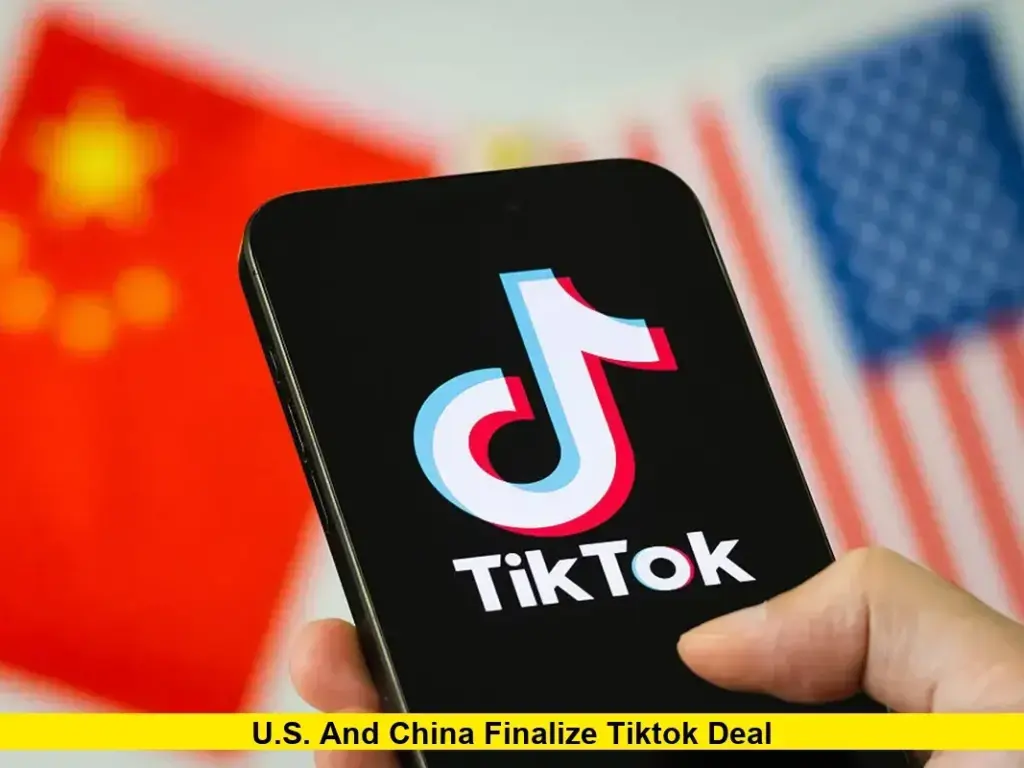
The recent TikTok deal marks a significant turning point for the app’s future in the U.S., allowing it to continue operations after a tumultuous campaign against its Chinese parent company, ByteDance. Announced on Thursday, this agreement resolves ongoing concerns surrounding U.S. data privacy and security, as lawmakers have increasingly scrutinized TikTok amidst fears of a potential TikTok ban. The focus on the powerful TikTok algorithm and its implications for user experiences has been pivotal in discussions leading to the deal. Essentially, the app will now operate under new management tasked with safeguarding American users’ data, an effort to alleviate concerns about privacy intrusions from overseas. With over 200 million Americans utilizing TikTok, the impact of this deal on content delivery and user engagement will be closely monitored in the coming months.
This recently negotiated agreement involving TikTok, a globally popular social media platform, offers a pathway for its continued presence in the American market amidst ongoing tensions with its Chinese ownership, ByteDance. The implications of this arrangement underscore a broader discussion on national security and U.S. data management in the ever-evolving landscape of technology. As lawmakers have expressed apprehensions about potential foreign interference in U.S. user data, this deal is seen as an effort to assure users regarding their privacy and data security concerns. Furthermore, the changes in how the TikTok algorithm is handled could redefine what content surfaces on the app for millions of users. Analysts are eager to see how these developments will affect user engagement and the overall relevance of TikTok in a competitive digital environment.
Understanding the TikTok Deal’s Implications
The recent announcement regarding the TikTok deal signifies a transformative moment for the platform’s future in the United States. By allowing TikTok to operate under a new joint venture framework, stakeholders hope to alleviate longstanding national security concerns while maintaining a critical presence in the U.S. market. This agreement, which sees ByteDance retaining a minority stake in the new entity, aims to establish a level of trust among American users by asserting that their data will be handled securely and transparently.
Key to the deal is the new TikTok USDS Joint Venture LLC, which will focus on U.S. user data privacy and robust cybersecurity measures to ensure compliance with American regulations. The joint venture’s governance by a board composed predominantly of U.S. members also reflects an effort to localize control and oversight of TikTok’s operations. This shift not only signals a commitment to user privacy but also indicates how crucial TikTok’s presence is in the American social media landscape, boasting over 200 million active users.
Impacts of the TikTok Ban on U.S. Operations
The shadow of a potential TikTok ban loomed large over the platform’s operations, stemming from heightened fears about user data privacy and allegations of misuse by its parent company, ByteDance. As discussions of a ban intensified during both the Trump and Biden administrations, TikTok faced mounting pressure to divest U.S. holdings. Lawmakers voiced concerns that the Chinese government could compel ByteDance to hand over sensitive data, raising alarming questions about national security.
With the conclusion of this new deal, TikTok has sidestepped the risk of an outright ban that could have severely disrupted its extensive U.S. user base. By securing its operations and committing to a joint venture that prioritizes American oversight, TikTok is taking significant steps to alleviate these fears. It remains to be seen, however, how this new arrangement will impact user experience and data collection practices in practice.
Safeguarding U.S. User Data from ByteDance
One of the core elements of the TikTok deal revolves around the safeguarding of U.S. user data. Under the terms of the new agreement, TikTok USDS Joint Venture LLC is tasked with managing American user data and ensuring it is protected from potential foreign interference. By appointing a majority U.S. board, the new entity seeks to foster accountability and transparency surrounding data privacy mechanisms.
Despite ByteDance retaining a stake in TikTok, the primary responsibility for overseeing user data will now lie with Oracle, a well-established American tech company. This partnership aims to leverage Oracle’s technological infrastructure and deep expertise in data security to create a platform that aligns with U.S. data privacy standards while assuaging fears about the accessibility of sensitive information to foreign governments.
The Future of TikTok’s Algorithm Post-Deal
A significant aspect of the TikTok deal concerns the app’s powerful algorithm, often regarded as its ‘secret sauce.’ Prior to this arrangement, ByteDance was reluctant to share this technology, fearing potential backlash from Chinese regulatory bodies. However, under this new framework, the algorithm will be retrained using only U.S. data, which aims to ensure compliance with American user privacy laws and enhance platform security.
Experts predict that this change may affect the way TikTok operates in the U.S., potentially leading to variations in content recommendations and user engagement. Unlike the global version that thrives on a shared database, the U.S. version will function independently to meet local demands while still preserving the core features that have made TikTok a cultural phenomenon. The implications for user experience will be closely monitored as TikTok implements these shifts.
Management Structure of the New TikTok Entity
The governance of the newly formed TikTok USDS Joint Venture LLC is essential to its operational success and perceived legitimacy in the U.S. market. Headed by a seven-member board predominantly composed of U.S. nationals, the new management structure is designed to embody American interests and ensure that TikTok aligns with domestic regulatory standards. This setup aims to reassure users and lawmakers alike that TikTok’s operations will be conducted with a focus on American data privacy and security.
High-profile appointments, including that of Adam Presser as CEO and Oracle’s pivotal role in securing user data, underscore serious commitments to maintaining operational integrity. The diversification of investors maximizes accountability and reduces fears regarding foreign influence, particularly amidst ongoing scrutiny of tech companies with ties to China. As these changes take effect, they are expected to reshape user perceptions of TikTok’s governance and responsibility.
Navigating Legislative Challenges and Opposition
The journey leading to the TikTok deal has been fraught with political challenges and legislative scrutiny. Top lawmakers have relentlessly pushed for greater oversight of foreign-owned apps, particularly following increasing concerns over national security and data privacy. The proposed ban on TikTok by previous administrations added urgency to the discussions, highlighting the need for regulatory frameworks governing foreign technology companies operating in the U.S.
With the establishment of the joint venture, TikTok seeks to navigate these political waters more effectively. By demonstrating compliance with U.S. regulations and engaging local stakeholders, TikTok not only aims to sidestep further legislative hurdles but also to build a more solid foundation for its continued growth in the American market. The evolving landscape of tech regulations will require ongoing vigilance, reflecting the uncertainty surrounding international investments in U.S. technology sectors.
User Response to TikTok’s Operational Changes
As TikTok transitions into this new operational model, it is crucial to examine how users are responding to the developments surrounding the app. Many American users have expressed concerns about the platform’s evolving relationship with data privacy and the influence of foreign ownership. The deal is seen as a double-edged sword, promising enhanced security while potentially compromising the user experience that has contributed to TikTok’s success.
Some users worry that the expected changes in the algorithm could alter their content feeds and engagement levels on the platform. As the U.S. version of TikTok adopts a localized approach to algorithm training, there may be significant distinctions from the original, which could impact user interaction and satisfaction. Much remains to be seen as to how TikTok’s loyal user base will adjust to these changes and what implications they will have for long-term platform loyalty.
Potential Regulatory Scrutiny of TikTok’s New Model
The establishment of the TikTok USDS Joint Venture LLC may not shield the platform from ongoing regulatory scrutiny. As government agencies and lawmakers closely monitor compliance with data privacy laws and user safety guidelines, TikTok’s operational changes will undoubtedly be examined in detail. Regulators are particularly interested in ensuring that U.S. user data is not only securely managed but that the app operates transparently to mitigate any foreign influence.
This increased oversight could mean further compliance checks and requirements, impacting how TikTok manages its operations going forward. If anything, this deal signifies that TikTok is under the microscope, necessitating constant adjustments to meet regulatory expectations while maintaining user trust. As public sentiment evolves, regulatory bodies may adapt their approaches, influencing TikTok’s strategic decisions in the future.
The Economic Impact of TikTok’s Joint Venture on Tech Investments
The TikTok deal also carries substantial implications for the broader technology investment landscape in the U.S. As foreign direct investments are scrutinized more closely, the involvement of American firms like Oracle and Silver Lake in securing U.S. operations marks a significant moment in U.S.-China tech relations. By creating an environment conducive to American management of popular platforms like TikTok, this deal paves the way for more tech investments domestically.
Moreover, the partnership with established American firms may spur similar arrangements within the tech industry, encouraging other foreign-owned companies to consider joint ventures to navigate the challenging U.S. market. By focusing on American governance and operational control, the TikTok deal could define a new trend in corporate structuring, shifting foreign tech strategies towards greater localization and compliance with U.S. regulations.
Frequently Asked Questions
What are the implications of the recent TikTok deal for U.S. data privacy?
The recent TikTok deal involves a new business known as TikTok USDS Joint Venture LLC, which is established to enhance U.S. data privacy by securing American user data, apps, and algorithms. This deal addresses concerns over the Chinese ownership of ByteDance and aims to prevent potential data access by Beijing, thereby potentially increasing user confidence in the app’s data handling.
Who now owns TikTok’s U.S. operations after the deal?
Following the TikTok deal, ownership of the app’s U.S. operations is now managed by a joint venture comprising American investors, including Oracle, Silver Lake, and MGX, each holding a 15% stake. ByteDance retains a 19.9% interest, but the venture operates independently with U.S.-based governance to ensure compliance with American regulations.
How does the TikTok deal impact the app’s algorithm?
The TikTok deal facilitates the licensing of its ‘secret sauce’ algorithm to American owners, allowing it to be retrained using solely U.S. user data. This ensures that the algorithm aligns with U.S. data privacy regulations and may lead to changes in content recommendations for users in the United States.
Will the TikTok deal prevent a potential TikTok ban in the U.S.?
The recent TikTok deal serves as a critical measure to avoid a TikTok ban in the U.S. by addressing national security concerns raised regarding ByteDance’s ownership. This agreement, mandated by U.S. lawmakers, allows TikTok to continue operations under strict data privacy and cybersecurity provisions.
How will user experience change for TikTok users in the U.S. after the deal?
The TikTok deal could lead to modifications in user experience for the 200 million Americans using the app. Experts indicate that with the algorithm trained on U.S. data, users may notice changes in content recommendations and overall app performance, possibly resulting in a slower, lighter app that operates differently from its global counterpart.
What were the reasons behind the TikTok deal negotiations?
The TikTok deal negotiations arose from U.S. national security concerns over ByteDance’s potential access to U.S. users’ data. Lawmakers have long feared that the Chinese government could compel ByteDance to hand over sensitive information, prompting efforts to divest TikTok’s U.S. operations to protect user privacy.
What role does Oracle play in the TikTok deal?
Oracle plays a pivotal role in the TikTok deal by overseeing the security of U.S. user data and managing the retraining of TikTok’s influential algorithm. As part of the new joint venture, Oracle aims to ensure compliance with U.S. data privacy laws, which is crucial for the app’s continued operation in America.
What can users expect in terms of content recommendations after the TikTok deal?
Post-deal, users can expect content recommendations on TikTok to be influenced by an algorithm that is now trained solely on U.S. user data. Though this may enhance data security, it could also result in differences in how effectively content is suggested compared to the global version of TikTok, possibly affecting user engagement.
| Key Points |
|---|
| TikTok has a new deal allowing it to continue operating in the U.S. |
| The deal arose from security concerns about its Chinese owner, ByteDance. |
| Biden signed a law requiring the sale of TikTok’s U.S. operations to avoid a ban. |
| A new joint venture, TikTok USDS Joint Venture LLC, was established for U.S. operations. |
| Oracle and other American investors now control TikTok’s U.S. operations, with Oracle handling user data security. |
| The algorithm will be licensed to manage U.S. data and comply with regulations. |
| Experts predict changes in the app’s performance and content recommendations. |
Summary
The TikTok deal allows the platform to continue its popular service in the U.S. amid intensifying scrutiny over data privacy and security concerns. This deal marks a significant shift in ownership and operational structure, as American investors take charge of TikTok’s U.S. functions while securing user data more tightly. As changes unfold under the new joint venture, users may experience variations in their content recommendations and app functionality, reflecting an evolving landscape of social media regulation.