
Listen to this article
Government insulation schemes aim to enhance energy efficiency and improve living conditions for households across the nation. However, recent investigations by Members of Parliament have revealed alarming insulation problems that have led to costly mold issues in homes, creating health hazards for thousands of residents. Since the rollout of initiatives like the Energy Company Obligation (ECO 4) and the Green Business Incentive Scheme (GBIS), major defects have been reported in over 30,000 homes, raising serious concerns about the effectiveness of government home repairs. Reports suggest that oversight has been grossly inadequate, with calls for a thorough inquiry into potential fraud in insulation schemes. As we navigate these challenges, it is crucial to understand the implications of these government programs on not only energy efficiency but also the safety and wellbeing of affected residents.
The discussion surrounding insulation initiatives often encompasses terms like home energy renovations and thermal efficiency upgrades. Many homeowners trusted these government-led projects, expecting significant improvements in comfort and reductions in their energy expenses. Unfortunately, throughout this rollout, numerous properties have encountered severe insulation defects, leading to dampness and hazardous mold growth. Such incidents highlight the urgent need for quality control and oversight in residential energy efficiency programs. As we delve further into this topic, it becomes imperative to address the critical issues at hand and ensure that home improvement efforts are genuinely beneficial.
Understanding the Impact of Government Insulation Schemes
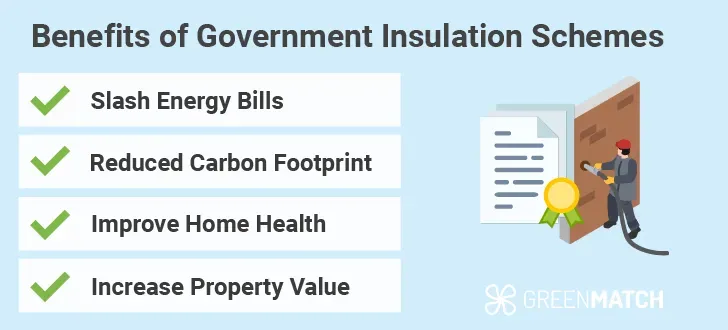
Government insulation schemes were launched with the noble aim of improving energy efficiency in homes, reducing carbon emissions, and providing financial relief to vulnerable populations. However, the reality has starkly contrasted with these goals, as numerous reports indicate serious shortcomings in implementation. Thousands of homes, particularly in areas like Swansea, have been left vulnerable to health hazards like mold and dampness due to shoddy installation practices. This failure not only raises concerns about the quality of workmanship but also suggests an alarming oversight in governmental monitoring of insulation installers.
The fallout from poorly executed insulation projects extends beyond mere inconvenience; it poses tangible health risks to residents. Mold issues in homes due to inadequate insulation materials can lead to respiratory problems and other health conditions. The revelations from the Public Accounts Committee indicating that over 30,000 houses exhibit major defects underline the urgent need for accountability in the implementation of these schemes, and a reassessment of practices to prevent further implications.
Frequently Asked Questions
What are the current government insulation schemes and their purpose?
Current government insulation schemes, such as the Energy Company Obligation (ECO 4) and the Green Homes Initiative Scheme (GBIS), aim to improve energy efficiency in homes. They help make residences warmer, lower carbon emissions, and assist vulnerable households in reducing energy bills.
What should I do if I experience insulation problems under a government scheme?
If you encounter insulation problems, such as dampness or mold issues in homes, it’s advised to contact the installer responsible for the work. Government programs assert that these installers are liable for repairs, ensuring consumers face no costs due to poor insulation.
Are there reports of fraud in government insulation schemes?
Yes, the Public Accounts Committee has raised concerns about potential fraud in government insulation schemes, including the possibility of fraudulent activities amounting to as much as £165 million. They highlighted serious non-compliance and called for investigations into possible fraudulent behaviors by insulation installers.
How can homeowners ensure their home repairs are covered under government insulation schemes?
Homeowners can ensure their repairs are covered by confirming that the installation was performed by a registered and certified installer. The original installer is typically responsible for addressing insulation problems, and homeowners are encouraged to review any guarantees that cover repairs.
What are the health risks associated with poor-quality insulation from government schemes?
Poor-quality insulation can lead to significant health risks, such as mold growth and dampness, which can affect the safety and well-being of residents. Reports indicate that thousands of homes have experienced these issues since the inception of recent government insulation schemes.
How are government insulation schemes being monitored for performance and compliance?
The performance and compliance of government insulation schemes are monitored by committees such as the Public Accounts Committee. They assess the effectiveness of the programs and report on issues like non-compliance and potential fraud, advocating for necessary reforms within the system.
What does the government say about the effectiveness of insulation schemes post-2022?
The government, through the Department for Energy Security and Net Zero, claims that while some homes may not be as energy efficient as intended, widespread health and safety risks are exaggerated. They argue that most of the issues reported are manageable and primarily affect the efficiency of the homes rather than direct health hazards.
What recourse do affected homeowners have for issues with government insulation?
Affected homeowners have recourse through programs like TrustMark’s Find and Fix Scheme, which helps identify and remedy insulation problems. Additionally, various electrical and building safety regulations advocate for consumer protection in cases of faulty workmanship.
How do insulation issues impact energy efficiency and bills?
Insulation problems can severely reduce a home’s energy efficiency, leading to higher energy bills due to increased heating demands. Effective insulation is crucial for keeping energy costs low by maintaining comfortable home temperatures.
Where can I find more information on government insulation schemes and their reforms?
Homeowners can find updated information on government insulation schemes, potential reforms, and consumer protection measures through official government websites, TrustMark, and dedicated consumer advocacy resources.
| Key Point | Details |
|---|---|
| Government Insulation Schemes | Initiatives aimed at improving home energy efficiency and reducing fuel poverty. |
| Health Risks | Poor quality insulation led to issues like mold and dryness, posing health risks to residents. |
| Extent of Problems | Defects found in over 30,000 homes since 2022. |
| Government Response | Claims that health risks are exaggerated; acknowledges efficiency issues. |
| Insufficient Oversight | Reports indicate lack of attention from senior officials on the insulation schemes. |
| Trustmark’s Role | Failed to notify about faulty insulation despite having oversight responsibilities. |
| Repair Funding | Repair costs may exceed initial promised guarantees, with some homeowners already facing bills over £250,000. |
| Fraud Allegations | Concerns regarding fraudulent activities linked to schemes potentially reaching millions. |
Summary
Government insulation schemes have been plagued by significant issues that have raised serious health and safety concerns. As detailed in recent reports, thousands of homes insulated under these government initiatives have developed problems like mold and dampness, leading to urgent calls for accountability and reform. The lack of effective oversight and compliance by installers has exacerbated these risks, prompting MPs to demand a thorough investigation into the matter. With numerous homes needing urgent repairs and growing suspicions of fraud, it is clear that the future of government insulation schemes needs critical re-evaluation to ensure that they fulfill their intended purpose of providing safe and energy-efficient housing.

