
Listen to this article
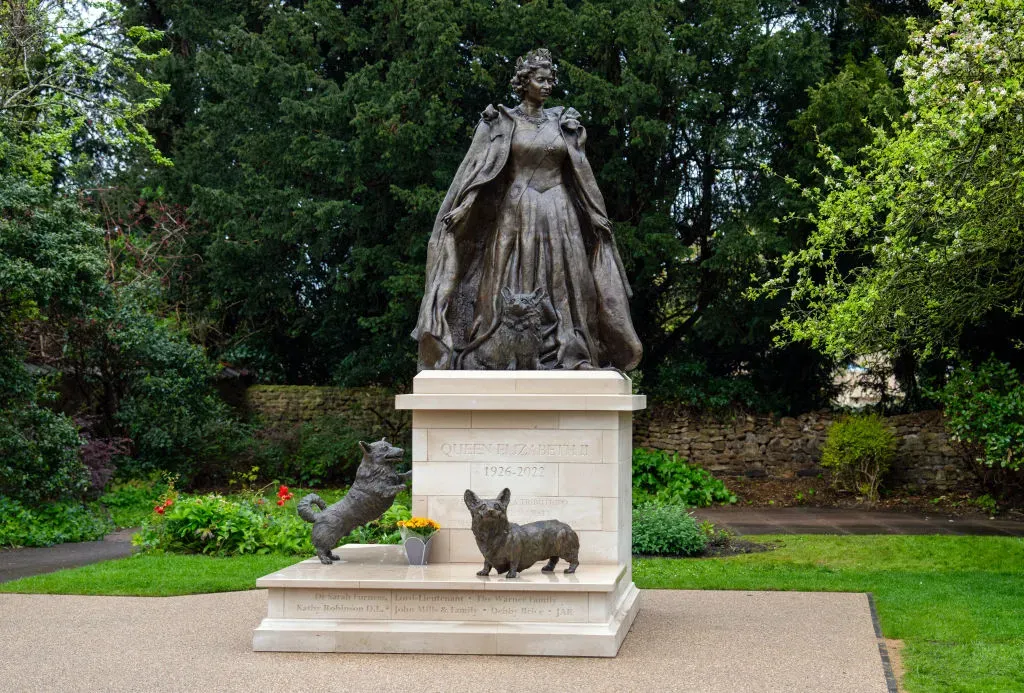
The Queen Elizabeth II memorial sculpture promises to be a stunning tribute to the late monarch, crafted by acclaimed artist Karen Newman. Renowned for her intricate depictions of historical figures and World War II heroines, Newman aims to capture the essence of Queen Elizabeth II’s strong and complex personality in her work. This national memorial, located on Birdcage Walk in central London, will stand alongside a grand statue of the Queen by Martin Jennings, creating a significant site among London’s memorials. As a British national memorial, this sculpture will not only honor the life of the Queen but also serve as an enduring reminder of her legacy. Newman’s tribute reflects the deep connection between the Queen and British history, making it a noteworthy addition to the landscape of historical figures statues.
Commemorating an iconic figure, the upcoming monument to Queen Elizabeth II represents a blend of artistry and national pride that is set to adorn the heart of London. Artist Karen Newman, with her remarkable background in creating lifelike sculptures, is entrusted to embody the unique spirit of the Queen through her memorial piece. This dedication comes as part of a significant civic project, aligning with the contemporary practice of crafting memorials that reflect on influential lives. Newman’s portrayal will highlight not only the public persona of the monarch but also her personal journey, making it a vital addition to the evolving array of London memorials. As the nation prepares to honor its beloved leader, this sculpture stands as a testament to her enduring impact.
The Significance of the Queen Elizabeth II Memorial Sculpture
The Queen Elizabeth II memorial sculpture is set to be a landmark tribute, capturing the essence of a monarch who defined an era. This significant artwork, designed by acclaimed sculptor Karen Newman, encapsulates the strong and multifaceted personality of Queen Elizabeth II. Located in central London, this memorial will serve not only as a recognition of her enduring legacy but also as a point of connection for the public, inviting reflection on her impactful reign over the British Empire.
Incorporating elements of her life and reign, Newman’s design aims to portray Queen Elizabeth II as both an iconic figure and a relatable individual. This duality reflects the sentiments of the nation, uniting people in remembrance and admiration for a leader who navigated complex historical waters. The memorial is expected to become a focal point among London’s memorials, standing alongside notable historical figures statues that pay homage to Britain’s rich history.
Karen Newman: Her Artistic Journey and Vision
Karen Newman, a master sculptor with extensive experience at Madame Tussauds, brings unique artistry to the Queen Elizabeth II tribute. Her background in creating bronze memorials, like that of wartime heroine Noor Inayat Khan, underlines her passion for honoring significant historical figures. Newman’s artistic philosophy emphasizes capturing the spirit of her subjects, which is particularly crucial in depicting a monarch with such a complex legacy as Elizabeth II.
As she embarks on this prestigious commission, Newman expresses her hope to evoke a sense of unity among the public through her work. By blending elements of the Queen’s life into her sculpture, she aims to create a piece that resonates deeply with viewers, reflecting the profound impact Queen Elizabeth II had on British national identity. This project is not just about honoring a historical figure, but fostering a connection through art that symbolizes continuity and resilience.
Memorials in London: A Celebration of History
London is renowned for its rich tapestry of memorials that celebrate its history and honor significant figures. The Queen Elizabeth II memorial sculpture will add to this collection, joining others like the statues of Sir Winston Churchill and Florence Nightingale, which highlight the city’s dedication to preserving its historical narrative. Each monument serves as a reminder of the contributions made by these individuals to society, and Newman’s work will serve a similar purpose, commemorating the late Queen’s role in shaping the modern Commonwealth.
In addition to celebrating the life of Queen Elizabeth II, this memorial will also contribute to a greater understanding of the context in which she ruled. Situated in Queen Elizabeth II Place, near the anticipated statue of Prince Philip, the memorial is poised to enhance the civic space intended for public reflection. This juxtaposition not only represents personal connections but also the shared values and accomplishments of the British people throughout the Queen’s reign.
The Artistic Process: From Concept to Creation
The journey from concept to creation for the Queen Elizabeth II memorial sculpture involves meticulous planning and collaboration among prominent artists, including Karen Newman and Martin Jennings. The sculptural design goes beyond traditional representation, as Jennings noted, aiming to capture the monarch in a standing position, resonating with the historical context of other royal figures. This collaborative atmosphere reflects an artistic synergy, ensuring that the final product will resonate with both the grandeur of the Queen’s legacy and the nuances of her character.
Newman’s process of integrating diverse elements of Queen Elizabeth II’s life into the design illustrates her commitment to authenticity. By conducting thorough research and considering public sentiments, she aspires to create an artwork that truly embodies the monarch’s essence. This attention to detail serves not only the memorial’s artistic value but also its historical significance, ensuring it will be a lasting tribute for generations to come.
The Role of Memorials in National Identity
Memorials play a crucial role in shaping a nation’s identity, serving as physical embodiments of collective memories and shared histories. The upcoming Queen Elizabeth II tribute is set to reinforce national pride while inviting future generations to engage with the legacy of a monarch who was a symbol of stability during turbulent times. As part of the broader narrative of London’s historical figures statues, it reminds the public of the commitments and sacrifices made for the nation’s progress.
In creating this memorial, Karen Newman and her team are contributing to a narrative that defines what it means to be British in an ever-evolving world. The appeal of the Queen Elizabeth II memorial sculpture lies not just in its artistic representation but in what it symbolizes: unity, resilience, and a tribute to a long-serving monarch whose dedication to her country was unwavering. This artwork aims to inspire future generations to reflect on the values and principles embodied by Queen Elizabeth II.
Anticipating the Unveiling: A Commendation of Legacy
The anticipation surrounding the unveiling of the Queen Elizabeth II memorial sculpture highlights the nation’s collective appreciation for its late monarch. Scheduled to be revealed in April, coinciding with what would have been the Queen’s 100th birthday, this occasion promises to be a celebration of her remarkable life. As audiences await the final design, they can expect a tribute that not only acknowledges the past but also paves the way toward a hopeful future.
This unveiling stands as a testament to the significant collaboration between artists, architects, and the public in preserving the legacy of historical figures. The resulting memorial will not merely be a sculpture; it will serve as a gathering point for reflection and admiration, embodying the spirit of a nation united in its respect for Queen Elizabeth II. The ceremonial aspect of the unveiling will further enhance the significance of the memorial, reinforcing its place in British national memorials.
The Impact of Art on Collective Memory
Art has a profound ability to shape collective memory, particularly through memorials dedicated to influential figures. The Queen Elizabeth II memorial sculpture by Karen Newman will stand as a beacon of remembrance, evoking emotions and reflections about the late monarch’s legacy. Such memorials serve to remind both current and future generations about the contributions and sacrifices of those who have shaped national histories.
The expected impact of the Queen Elizabeth II tribute transcends its aesthetic appeal; it engages the public in a dialogue about national identity and memory. As viewers interact with the sculpture, they are invited to reflect on the Queen’s role within the broader context of British history and values. This engagement fosters a deeper appreciation for the significance of art in commemorating leaders and the narratives they represent. In essence, powerful memorials like this one reinforce the dialogue between past and present, shaping how we remember our history.
Collaboration Among Artists for a Unified Tribute
The collaboration among artists for the Queen Elizabeth II memorial showcases the strength of unity in honoring a shared legacy. With both Karen Newman’s and Martin Jennings’ designs working in tandem, this unified tribute emphasizes the teamwork involved in the creative process. Each artist brings a unique perspective, melding their skills to produce a seamless representation of Queen Elizabeth II and her enduring partnership with Prince Philip.
This collaborative spirit extends beyond mere artistic endeavor; it illustrates the broader societal commitment to remembering and honoring influential figures in history. Such teamwork not only enriches the final pieces but also fosters a sense of community among those involved in the project. The resulting memorial will undoubtedly reflect these collaborative efforts, standing as a symbol of partnership and shared memory within both the artistic realm and the national narrative.
Art and Memory: The Legacy of Queen Elizabeth II
Art and memory are intricately linked, particularly in the context of memorials dedicated to historical figures such as Queen Elizabeth II. As an artistic tribute, Newman’s sculpture aims to preserve the Queen’s legacy in a manner that resonates with people today and for generations to come. Through thoughtful design, the memorial will evoke a sense of nostalgia and reverence, reflecting on her remarkable life and reign.
Furthermore, this sculpture will serve as a physical reminder of the values that Queen Elizabeth II stood for—duty, resilience, and unity. By anchoring these ideals in a tangible form, the memorial encapsulates a pivotal chapter in British history, fostering communal reflection on not just a monarch, but a national figure who impacted the lives of countless individuals. In this way, the Queen Elizabeth II memorial sculpture is poised to become an integral part of the national conscience.
Frequently Asked Questions
What is the significance of the Queen Elizabeth II memorial sculpture by Karen Newman?
The Queen Elizabeth II memorial sculpture, designed by acclaimed artist Karen Newman, aims to portray the late monarch’s strong and complex personality. This tribute stands as a national memorial to Queen Elizabeth II, capturing her role as both an icon and an individual. It complements Martin Jennings’ larger statue of the Queen on The Mall, reflecting her legacy in British history.
Where will the Queen Elizabeth II tribute sculpture be located?
The Queen Elizabeth II tribute sculpture by Karen Newman will be situated on Birdcage Walk, central London. This location is part of the new civic space named Queen Elizabeth II Place, which will also include Jennings’ statue of the Queen overlooking The Mall, thereby linking important sites related to British history and monarchy.
Who is the artist behind the Queen Elizabeth II memorial sculpture?
The artist creating the Queen Elizabeth II memorial sculpture is Karen Newman. Known for her work on historical figures, Newman brings a wealth of experience, having previously sculpted for Madame Tussauds and created notable memorials, including those of World War II heroines.
What features will the Queen Elizabeth II memorial sculpture have?
The Queen Elizabeth II memorial sculpture will combine elements of the late Queen’s life, presenting her as both an emblematic figure of British history and as a unique individual. Newman’s design aims to encapsulate her personality through a dignified and powerful representation, ensuring that the memorial serves as a fitting tribute.
How does the Queen Elizabeth II memorial fit into London’s historical context?
The Queen Elizabeth II memorial sculpture will become part of London’s rich tapestry of memorials dedicated to historical figures. Positioned alongside other significant statues, it will highlight the heritage of the British monarchy and the enduring connection between the Queen and her nation, making it an essential addition to London memorials.
When will the final designs for the Queen Elizabeth II memorial be unveiled?
The final designs for the Queen Elizabeth II memorial, including the sculpture by Karen Newman and the larger statue by Martin Jennings, are set to be unveiled in April. This timing is significant as it coincides with what would have been the Queen’s 100th birthday, marking a heartfelt commemoration of her life and legacy.
What other sculptures are associated with the Queen Elizabeth II memorial?
In addition to Karen Newman’s memorial sculpture of Queen Elizabeth II, there will be a larger statue created by Martin Jennings, as well as a statue of Prince Philip, the Duke of Edinburgh. This collective effort underlines the partnership between the Queen and Philip and enhances the significance of the memorial site near Buckingham Palace.
What themes will the Queen Elizabeth II tribute sculpture explore?
The Queen Elizabeth II tribute sculpture will explore themes of strength, individuality, and the monarch’s legacy as a unifying national figure. Karen Newman intends to reflect the complexities of Queen Elizabeth II’s character, highlighting both her iconic status and her personal attributes within the historical narrative of the British monarchy.
What impact will the Queen Elizabeth II memorial have on visitors to London?
The Queen Elizabeth II memorial is expected to become a significant point of interest for both locals and tourists in London. By commemorating the late Queen’s contributions and her role in British history, it will provide visitors a place for reflection, education, and connection to the legacy of Queen Elizabeth II.
| Key Points |
|---|
| Acclaimed artist Karen Newman appointed to create a sculpture of Queen Elizabeth II for her memorial. |
| The sculpture will depict Queen Elizabeth II’s strong and complex personality, blending her iconic status with her individuality. |
| Newman’s experience includes 20 years at Madame Tussauds, creating sculptures of notable figures. |
| The memorial will be complemented by a larger statue by Martin Jennings, depicting the Queen standing, along with a statue of Prince Philip. |
| Locations for the sculptures are strategically chosen, reflecting the partnership between Queen Elizabeth II and Prince Philip. |
| Final designs for the memorial will be unveiled in April 2024, coinciding with what would have been the Queen’s 100th birthday. |
Summary
The Queen Elizabeth II memorial sculpture is set to be a profound tribute, crafted by the acclaimed artist Karen Newman, who aims to encapsulate the late monarch’s strong and complex personality. Positioned at the heart of London, this memorial will serve as a lasting symbol of Queen Elizabeth II’s role as an unifying figure in the United Kingdom’s history. Joining this monument will be a larger statue by Martin Jennings, further emphasizing the enduring legacy of both Queen Elizabeth II and Prince Philip. The unveiling of these designs is anticipated in April 2024, aligning with the centenary of the Queen’s birth, thereby marking a significant moment in honoring her remarkable life and reign.