Listen to this article
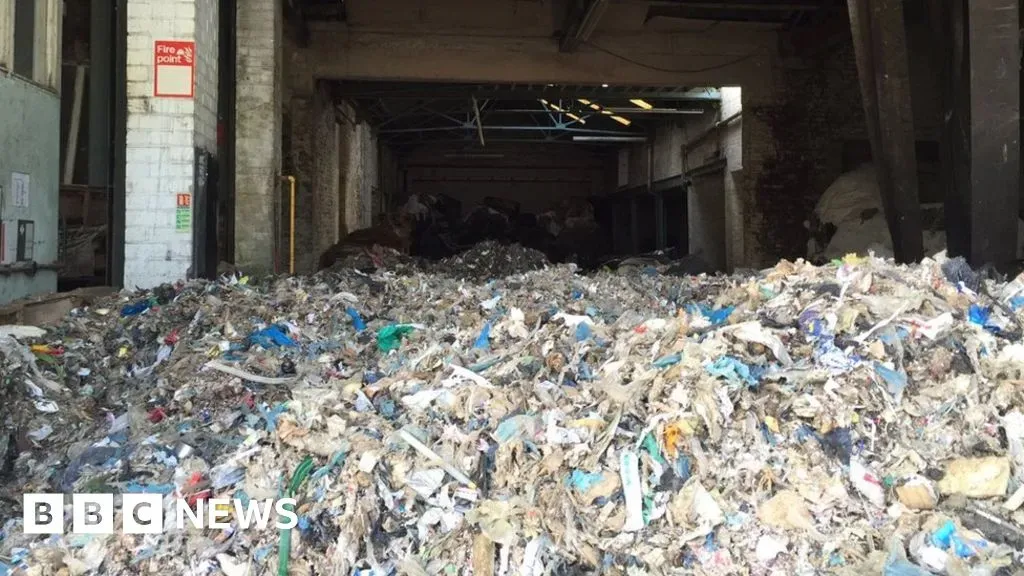
Illegal waste dumping in England has reached alarming levels, with hundreds of illegal dump sites scattered across the countryside. A recent investigation by the BBC revealed the presence of at least 11 major “super sites,” each harboring tens of thousands of tonnes of discarded material. Despite the reported closure of over 700 illegal tips in the past year, approximately 517 remain active, often lurking in rural areas where they can remain hidden from authorities. The operations are frequently linked to organized crime in waste disposal, where criminal syndicates exploit the system, offering significantly lower rates to dispose of waste than legitimate operators. The ongoing waste crime crackdown aims to combat this environmental crime, but the scale of the issue continues to challenge regulatory efforts and community safety.
The widespread issue of unauthorized waste disposal in England has become a pressing concern, as numerous clandestine dump sites endanger the environment and local communities. In the shadows of rural landscapes, these hidden refuse heaps, often run by unscrupulous individuals, undermine effective waste management practices. Despite initiatives to clamp down on these illegal activities, persistent rural waste issues continue to plague regions, highlighting the inadequacies of current enforcement measures. This growing trend not only poses significant environmental risks but also raises questions about the role of organized crime in the burgeoning waste disposal sector. As authorities grapple with these challenges, the need for comprehensive solutions and public awareness becomes increasingly critical.
The Crisis of Illegal Waste Dumping in England
Illegal waste dumping in England has reached alarming proportions, with numerous sites operating without the necessary licenses and overlooking environmental regulations. The presence of at least 517 illegal dump sites serves as a stark reminder of the growing challenge facing environmental authorities. Despite the closure of over 700 illegal tips in 2024/25, the problem persists, underscoring the ineffectiveness of current enforcement measures to completely eradicate this crime. These illegal actions not only deface the countryside but also pose significant risks to local ecosystems and communities, necessitating urgent governmental action and public awareness.
The proliferation of illegal dump sites, many of which are strategically hidden in rural areas, means that substantial amounts of waste are discarded improperly, endangering wildlife and contaminating soil and waterways. An investigative report by the BBC revealed some dump sites functioning as ‘super sites,’ hosting tens of thousands of tonnes of refuse, exacerbating the urgency of this environmental crisis. Furthermore, the involvement of organized crime in waste disposal compounds the gravity of the situation, making it crucial for authorities to adopt a more aggressive stance on waste crime crackdown.
The Role of Organized Crime in Waste Disposal
The link between organized crime and illegal waste dumping in England highlights a disturbing trend that law enforcement agencies are grappling with. These syndicates are characterized by their ability to operate outside the law, often raking in profits by offering lower rates for waste disposal compared to legitimate businesses. This, combined with their clandestine methods of operation, creates a significant headache for local authorities working to combat environmental crime. Inspector Dave Wise from West Mercia Police has noted that these criminal enterprises are multifaceted, involving not only waste disposal but also financial crimes such as money laundering.
The sheer scale of operations run by these organized crime groups is alarming. Reports suggest that they are equipped with advanced machinery to shred and process waste at unauthorized sites before transporting it to even more remote locations for illegal dumping. This systemic approach to waste crime effectively bypasses regulatory scrutiny, leaving communities exposed to both environmental damage and public health risks. As illegal dump sites proliferate, it becomes evident that tackling organized crime in waste disposal should be a central focus in ongoing environmental policies.
Impact of Rural Waste Issues on Local Communities
Illegal waste dumping significantly affects rural communities across England, causing a range of adverse impacts. Residents report unpleasant odors, smoke from burning refuse, and direct health hazards linked to pollutants leaching into the environment. The fears expressed by community members about the harmful effects of nearby dump sites highlight the urgent need for effective responses to these rural waste issues. For instance, locals living near sites such as the one in Gloucestershire have voiced their frustrations over the lack of action from authorities, even when the culprits have been identified and prosecuted.
Moreover, the presence of extensive illegal waste sites disrupts the natural beauty of the countryside and poses serious public safety threats. Increased traffic from waste-hauling vehicles can lead to hazardous road conditions, while fires at these sites further compound health risks. As emphasized by Charlie Coats, chairman of Highnam Parish Council, unaddressed waste dumping creates an unsightly landscape, damages vegetation, and contributes to serious watershed contamination issues. It is essential for local and national governments to engage with communities to understand the impacts of illegal dumping and work towards sustainable solutions.
Environmental Crime Crackdown: Challenges and Progress
Environmental crime has become a focal point for law enforcement in England, with agencies recognizing the need for a robust crackdown on illegal waste activities. The Environment Agency has reported significant enforcement actions over recent years, leading to the closure of hundreds of illegal dump sites. However, the existence of over 517 active illegal dumps indicates that more persistent and comprehensive strategies are required to address the ongoing issue of waste crime effectively. The complexity of coordinating enforcement across multiple jurisdictions adds to the challenges present in managing environmental crime.
Despite the evident challenges, there is a growing commitment from the government and environmental agencies to enhance waste crime enforcement. Recent increases in funding and manpower are positive steps towards better implementation of existing regulations. Nevertheless, greater transparency regarding illegal dump sites and a collaborative approach between residents, local councils, and law enforcement agencies are vital to achieving long-lasting solutions. Tackling environmental crime not only requires strategic enforcement but also significant public engagement and education on the importance of sustainable waste management practices.
The Importance of Community Engagement in Combating Waste Crime
Community engagement plays a crucial role in the fight against illegal waste dumping in England. Residents are often the first to notice suspicious activities, making their involvement essential in reporting evidence of illegal dump sites and the parties responsible. Initiatives aimed at raising awareness about environmental crime can empower local populations to take action and advocate for better waste management practices. By fostering a partnership between government agencies and communities, the effectiveness of monitoring and enforcement can be greatly enhanced.
Additionally, educational programs focusing on the environmental impacts of illegal waste dumping can cultivate a sense of responsibility within communities. When individuals understand the consequences of poor waste disposal practices, they are more likely to participate in proactive measures, such as community clean-ups and responsible waste disposal. This grassroots involvement can serve as a formidable deterrent against organized crime in waste disposal, as a vigilant community can significantly reduce the opportunities for illegal operations to thrive.
Preventing Waste Crime: The Role of Technology
As illegal waste dumping continues to pose significant environmental challenges, the integration of technology into monitoring and enforcement efforts emerges as a promising solution. Advanced surveillance systems, satellite imagery, and data analytics can help authorities detect illegal activities faster and more accurately. The use of drones, for instance, could allow environmental agencies to survey rural areas where illegal dump sites are suspected, providing real-time evidence of wrongdoing and facilitating quicker interventions.
Moreover, technology can also aid in improving reporting mechanisms, enabling residents to easily communicate concerns about illegal dumping directly to authorities. By developing user-friendly applications or websites that facilitate the reporting of suspicious activities, communities can become active participants in combating environmental crime. Investing in technological advancements not only strengthens enforcement capabilities but also enhances collaboration between the public and regulatory bodies, paving the way for safer, cleaner environments.
Legislative Actions Against Illegal Dumping
New legislative measures are essential in the fight against illegal waste dumping, especially given the evolving tactics employed by organized crime groups. Recent discussions within Parliament have highlighted the need for stricter penalties for those found guilty of waste crimes. By enacting tougher laws and increasing fines for environmental offenses, lawmakers can send a clear message that illegal dumping will not be tolerated. Support from various political parties is crucial to drive these changes, which could significantly impact the ongoing issue of waste crime in England.
In addition to introducing stricter regulations, fostering cooperation among various stakeholders involved in waste management is vital. By creating a cohesive framework that includes local authorities, law enforcement agencies, and environmental organizations, England can enhance its approach toward managing and preventing illegal dumping. Comprehensive legislation must consider environmental, social, and economic factors, ensuring that regulatory measures adequately address the multifaceted challenges posed by waste crime while promoting sustainable alternatives for waste disposal.
Community Health Effects Related to Illegal Dumping
The communities surrounding illegal dump sites often suffer various health effects that arise from exposure to hazardous waste materials. Pollutants released by decomposing refuse can contribute significantly to respiratory illnesses and other health concerns among residents. Additionally, local waterways may get contaminated by leachate—liquid that has percolated through waste material—which poses serious risks to drinking water quality. Children, in particular, are vulnerable to these health risks, making the presence of illegal dump sites a pressing public health issue.
Moreover, the psychological impact on residents living near illegal waste dumping sites cannot be overlooked. The fear of pollution and the erosion of their rural landscapes contribute to a decline in quality of life for many. Residents often express feelings of frustration and helplessness due to inadequate governmental action to address the problem, which can lead to community disenchantment. Therefore, addressing community health effects must be a priority for government initiatives and environmental policies, employing a holistic approach that goes beyond merely closing dump sites.
Monitoring and Reporting of Illegal Dump Sites
Monitoring and reporting illegal dump sites is a critical component of addressing the waste crime crisis in England. Continuous surveillance can help detect new illegal dumping activities and enable authorities to respond promptly before sites become entrenched. Enhanced coordination between environmental agencies and local governments is essential to develop a comprehensive monitoring strategy. Utilizing cutting-edge technology, such as remote sensing and GIS mapping, allows for effective identification and analysis of potential illegal dump locations across rural areas.
Furthermore, engaging community members in reporting illegal dump sites is vital for creating an effective monitoring network. Local residents often have firsthand knowledge of suspicious activities and can serve as invaluable resources in sharing pertinent information with law enforcement and environmental agencies. Establishing an accessible and user-friendly reporting platform for community members will encourage increased participation in monitoring efforts, fostering a collaborative environment in the fight against illegal waste dumping.
Frequently Asked Questions
What are the main causes of illegal waste dumping in England?
Illegal waste dumping in England is often driven by organized crime groups that profit from offering cheaper disposal options than legitimate operators. These groups exploit rural areas, creating illegal dump sites to bury various waste types, from household rubbish to construction debris.
How many illegal dump sites are currently active in England?
As of the latest reports, there are about 517 active illegal dump sites in England, with significant concerns surrounding at least 11 major “super sites” that contain tens of thousands of tonnes of rubbish.
What actions are being taken to combat illegal waste dumping in England?
To address illegal waste dumping in England, the Environment Agency has implemented a waste crime crackdown, closing more than 700 illegal sites in 2024/25. Investigations are ongoing into organized crime involved in waste disposal, and stricter penalties for violators are being introduced.
What are the environmental impacts of illegal dumping in rural areas of England?
Illegal waste dumping in rural areas has devastating environmental impacts, including pollution of waterways, damage to local ecosystems, and potential health risks from fumes and toxins. Communities near illegal dump sites often report overwhelming odors and smoke from fires that break out regularly.
Why are rural areas in England targeted for illegal dump sites?
Rural areas in England are often targeted for illegal dump sites due to their remote locations, which make it easier for organized crime groups to operate undetected. These areas often have land that can be concealed from public view, facilitating the dumping process.
What is the role of community involvement in tackling illegal waste dumping in England?
Community involvement is crucial in tackling illegal waste dumping in England. Residents can report suspicious activities at illegal dump sites, advocate for more stringent enforcement of waste regulations, and participate in local cleanup efforts to mitigate the impact on their environment.
How does illegal waste dumping affect local communities in England?
Illegal waste dumping negatively affects local communities in England by creating health hazards, lowering property values, and causing environmental degradation. Residents near illegal sites often endure noise, odors, and safety concerns related to the pollution and criminal activity associated with these dumps.
What measures are local authorities taking to address rural waste issues caused by illegal dumping?
Local authorities in England are collaborating with law enforcement and the Environment Agency to tackle rural waste issues caused by illegal dumping. This includes increasing surveillance of known illegal dump sites, improving waste management regulations, and enhancing public awareness campaigns.
How can residents report illegal waste dumping in England?
Residents can report illegal waste dumping in England by contacting the Environment Agency or their local council’s waste management office. Providing detailed information, such as the location and type of waste dumped, can aid in swift action against illegal dump sites.
What fines or penalties can be imposed for illegal waste dumping in England?
Fines and penalties for illegal waste dumping in England can be substantial, with recent government initiatives increasing the severity of penalties for offenders. These may include hefty monetary fines, criminal charges, and even imprisonment, especially for organized crime involvement.
| Key Points | Details |
|---|---|
| Illegal Dumps in England | Hundreds of illegal dumps, including 11 ‘super sites’ with tens of thousands of tonnes of waste. |
| Active vs Closed Dumps | Over 700 illegal tips closed in 2024/25; around 517 still active as of last year. |
| Organized Crime Involvement | Many operations run by organized crime groups, profiting by undercutting legal waste disposal fees. |
| Environmental Impact | Toxic waste leaching into waterways; fires and strong odors reported near illegal sites. |
| Public Frustration | Local residents express concerns over lack of action against illegal dumping and insufficient cleanup. |
| Government Response | Environment Agency increasing efforts but limited success in cleaning up sites and preventing new ones. |
Summary
Illegal waste dumping in England has become a serious environmental issue, with numerous illegal sites operating across the country, including large ‘super sites’ that harbor dangerous quantities of waste. While efforts have been made to close hundreds of these operations, the persistence of active dumps highlights a significant challenge for enforcement agencies. Organized crime syndicates profit from this illegal activity, often causing severe environmental harm and community distress. Local residents are demanding immediate action to address this growing problem and ensure accountability for those responsible for waste crime. Without substantial governmental intervention and efficient enforcement mechanisms, the situation is likely to worsen, negatively impacting public health and the environment.