Listen to this article
The impact of technology on sport is reshaping how athletes train, compete, and interact with fans. In today’s fast-paced environment, innovation in sports technology has driven significant enhancements in athletic performance and safety, evolving the way games are played. Not only has advanced sports equipment become more efficient, but data analytics in sports has also transformed decision-making processes for coaches and trainers. Fans now enjoy unprecedented engagement through interactive platforms and immersive experiences that bring them closer to their favorite teams. As we explore these advancements, it’s clear that technology is not just reshaping the future of sports, but also revolutionizing the way we experience athletic events.
The influence of modern technologies on athletic competition is a transformative force in the realm of sports. As we delve into this subject, it’s essential to recognize how advancements such as smart equipment, real-time performance tracking, and innovative fan engagement practices are evolving the landscape of sports. These technological strides enhance the performance capabilities of athletes while simultaneously enriching the experience for spectators. By looking at the rise of data-driven strategies and virtual experiences, we can better understand how the intersection of technology and sports is fostering a new era for both competitors and fans. Ultimately, the convergence of these fields is not only paving the way for unprecedented athletic achievements but also creating deeper connections between fans and the sports they love.
Technological Innovations Shaping Sports Equipment
In the realm of sports, technological innovation has led to groundbreaking advancements in equipment that revolutionize the way athletes perform. From lightweight running shoes made with cutting-edge materials to high-tech bicycles designed for aerodynamic efficiency, the evolution of sports equipment is astonishing. These innovations not only enhance physical performance but also provide athletes with gear tailored to their specific needs and the demands of their respective sports.
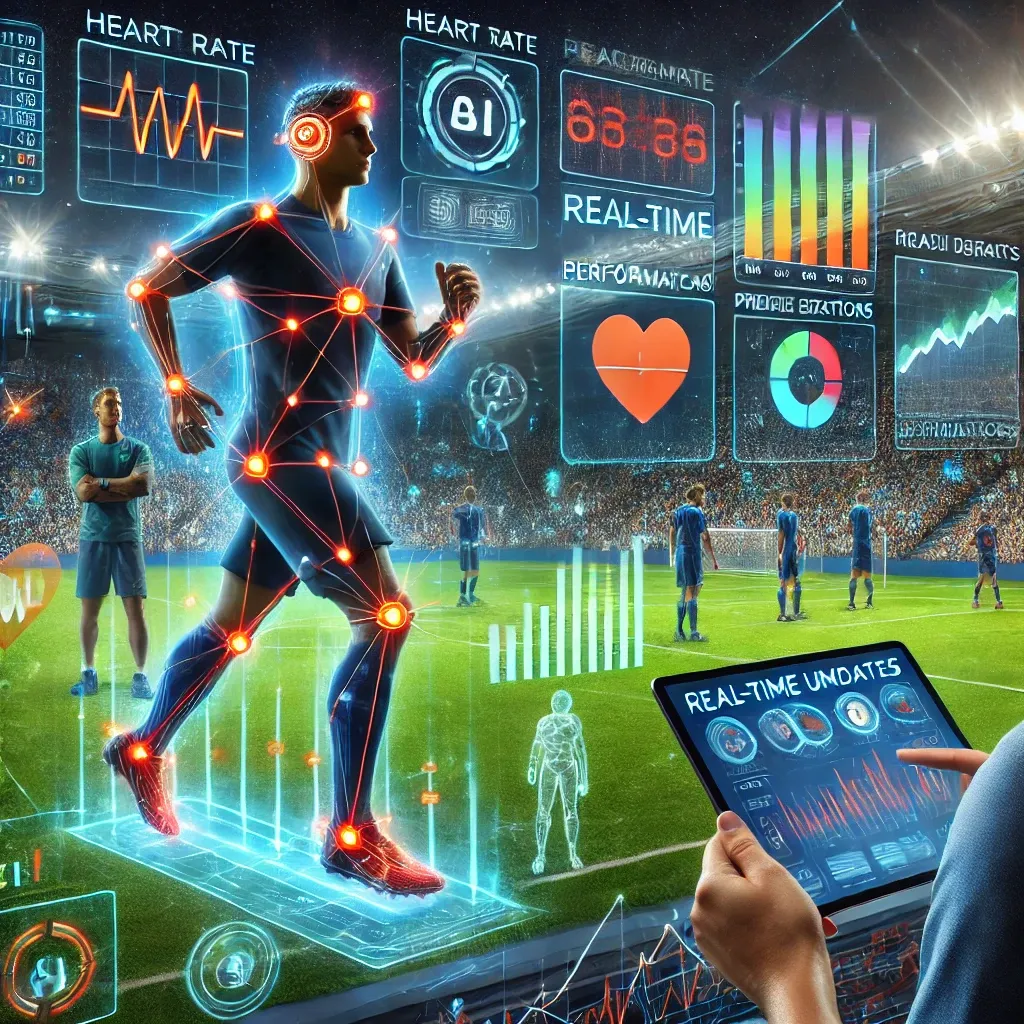
The integration of advanced materials and engineering techniques has allowed for significant improvements in durability and performance. Equipment manufacturers are increasingly leveraging technology to create products that can withstand the rigors of intense competition while optimizing user experience. Additionally, the arrival of smart sports equipment, embedded with sensors and analytics capabilities, enables athletes to receive real-time feedback on their performance, fostering precise adjustments that can lead to improved outcomes.
Harnessing Data Analytics to Enhance Athletic Performance
Data analytics has revolutionized approach to training and performance evaluation in sports. Coaches and athletes increasingly rely on data-driven insights derived from extensive player metrics, game footage, and performance trends. By analyzing this data, teams can identify patterns, measure progress, and make informed decisions that enhance athletic performance.
For example, in professional basketball, data analytics informs shooting strategies and defensive plays by predicting opponent behavior. This approach allows athletes to harness their strengths while working on their weaknesses, leading to more effective training regimens. As teams continue to invest in sophisticated analytics software, the potential for optimizing performance and gaining competitive advantages will only increase.
The Role of Virtual and Augmented Reality in Sports Training
Virtual Reality (VR) and Augmented Reality (AR) technologies are making waves in sports training, offering novel methods for athletes to develop their skills. Through VR, athletes can simulate high-pressure game scenarios and refine their decision-making abilities without the physical toll associated with traditional training. This immersive approach facilitates better skill acquisition and retention, leading to a significant edge during actual competitions.
AR technology enhances training by providing athletes with immediate, visual feedback on their performance. For instance, players can review and analyze their movements in real time, making it easier to correct mistakes and optimize techniques. As the technology evolves, we can anticipate even greater advances in training methodologies that utilize VR and AR, making athletic development more engaging and effective.
Engaging Fans through Technological Innovations
The impact of technology on fan engagement has transformed how audiences interact with their favorite sports teams and athletes. Social media platforms allow fans to engage directly with players, fostering a sense of community and allegiance. This direct line of communication has enhanced the fan experience, giving supporters access to behind-the-scenes content and exclusive interactions.
Moreover, the rise of mobile applications tailored for fans enhances the viewing experience with real-time updates, ticket sales, and interactive game elements, such as quizzes and polls. As fan engagement continues to evolve, cutting-edge technologies like augmented reality will play a pivotal role in creating memorable experiences that deepen the connection between fans and their sports.
Injury Prevention Technologies in Professional Sports
Injury prevention is a paramount concern for athletes and teams alike, and advancements in technology are pivotal in addressing this challenge. Wearable devices capable of monitoring biomechanics allow trainers to identify risky movements that could lead to injuries. By harnessing predictive analytics, teams can craft personalized injury prevention programs based on the unique data profiles of their athletes.
In addition to prevention, technology is making significant strides in rehabilitation for injured athletes. Innovative therapies such as cryotherapy and hyperbaric oxygen treatments expedite recovery, allowing athletes to return to competition faster and in better condition. These technologies represent a forward-thinking approach to sports medicine and recovery, ensuring that athletes can maintain peak performance levels.
The Intersection of Technology and E-Sports
The emergence of e-sports marks a transformative shift in how technology converges with traditional sports. E-sports integrates gaming, competition, and technology, providing fans with a unique viewing experience. Streaming platforms enable fans to watch live competitions and engage with their favorite gamers, much like traditional sports, thereby expanding the reach and appeal of competitive gaming.
This fusion of technology and competitive gaming not only attracts new audiences but also retains existing fans by providing interactive content and community engagement through chat features and live polls. The recognition of e-sports as a legitimate form of sport further highlights the impact of technology on sports culture and engagement.
Future Innovations in Sports Technology
As we look to the future, innovations in sports technology promise to reshape the landscape significantly. The development of artificial intelligence and machine learning will provide even deeper insights into player performance and training methodologies. These advancements could facilitate personalized coaching, predictive analytics for injury prevention, and enhanced performance optimization strategies.
Furthermore, as immersive experiences become more mainstream, we can anticipate more integrated fan engagement solutions that redefine how fans connect with sports. From virtual game experiences to AI-driven interactions, the possibilities are boundless, paving the way for a future where technology is ingrained in every aspect of athletic competition and fan enjoyment.
Enhanced Viewing Experiences Through Technology
The advent of advanced broadcasting technologies is transforming how fans experience sports events. With the integration of 4K and virtual reality broadcasting, viewers can engage with live events in more immersive and interactive ways. These technologies not only enhance the visual experience but also allow fans to access various camera angles, player stats, and more, elevating the traditional viewing experience.
In-stadium experiences have also benefited from technological advancements, as teams implement interactive displays that engage fans throughout the event. Features like instant replays, on-screen statistics, and fan voting have made attendance at live events more engaging and enjoyable. As these technologies continue to evolve, they will further enrich the broadcast and in-person experiences for fans, reinforcing loyalty to their favorite sports.
Technology’s Role in Athletic Performance Analysis
Athletic performance analysis has seen exponential growth due to the influence of technology. Coaches and trainers employ advanced metrics and video analysis to dissect every aspect of an athlete’s performance. This data-driven approach enables a comprehensive understanding of athletic capabilities and areas for improvement.
For instance, motion-capture technology can highlight an athlete’s biomechanics, allowing trainers to optimize technique and reduce injury risk. The accessibility of performance data also empowers athletes to take ownership of their training and make informed decisions to enhance their performance in competition. As technology continues to innovate, the depth of performance analysis will only heighten, fostering even more top-tier athletes.
Impact of Technology on Sports Mental Training
As technology evolves, its integration into mental training for athletes is becoming increasingly significant. Cutting-edge applications are being developed to help athletes visualize their performance, manage stress, and enhance focus, ultimately contributing to better outcomes in competition. Techniques such as guided imagery and biofeedback are becoming common tools in an athlete’s mental training toolkit.
Additionally, wearable devices that track physiological responses can help athletes understand their mental and emotional states in real-time. This combination of technology and sports psychology allows for personalized mental strategies that align with athletic goals. As innovation continues in this space, we can expect a greater emphasis on the mental health and well-being of athletes, further highlighting the comprehensive impact of technology on sports.
Frequently Asked Questions
What are the key impacts of technology on athletic performance in sports?
Technology profoundly impacts athletic performance through advancements in sports equipment, wearable technology, and data analytics. Enhanced materials improve gear efficiency, while wearables like fitness trackers provide real-time performance data, allowing athletes to customize their training regimens for optimal results.
How is data analytics influencing the future of sports strategy?
Data analytics revolutionizes sports strategy by allowing coaches and teams to analyze vast amounts of performance data, game statistics, and environmental factors. This insight leads to informed decision-making, enabling the optimization of game tactics and player training methods.
In what ways has technology enhanced fan engagement in sports?
Technology enhances fan engagement through interactive mobile applications, social media connectivity, and immersive experiences like AR and VR. Fans can access exclusive content, engage directly with athletes, and enjoy enriched viewing experiences that deepen their connection to their favorite teams.
What role does wearable technology play in sports injury prevention?
Wearable technology is crucial for injury prevention by monitoring athletes’ biomechanics and identifying movements that may lead to injuries. Predictive analytics derived from this data can help trainers develop personalized programs to reduce injury risks.
How is virtual reality changing sports training practices?
Virtual reality is transforming sports training by simulating high-pressure game scenarios, allowing athletes to practice their skills without physical strain. This technology provides instant feedback, enabling athletes to refine techniques effectively.
What innovations are expected in sports technology in the future?
The future of sports technology is poised for innovations such as enhanced artificial intelligence for coaching insights, improved health monitoring through advanced wearables, and further immersive experiences for fans, all aiming to enrich athletic performance and engagement.
How does augmented reality enhance the fan experience in sports?
Augmented reality enhances the fan experience by overlaying live stats and replays, making the game more interactive. Technologies like Microsoft HoloLens provide fans with engaging content, thus fostering a deeper connection with the sport.
What is the significance of e-sports in relation to sports technology?
E-sports signify the merging of sports and technology by offering competitive gaming experiences akin to traditional sports. Platforms like Twitch allow fans to watch these events live, demonstrating the growing influence of technology in the sports industry.
How does sports technology aid in athlete rehabilitation?
Sports technology aids rehabilitation through advanced recovery solutions like cryotherapy and hyperbaric oxygen therapy. These techniques, coupled with wearable monitors that track recovery metrics, expedite healing and help athletes return to peak performance safely.
What is the impact of technological advancements on sports equipment?
Technological advancements have led to the creation of lighter, stronger, and more efficient sports equipment. Innovations in materials science allow for gear that enhances performance, while smart devices provide athletes with critical insights into their training.
| Key Area | Impact of Technology |
|---|---|
| Technological Advancements in Equipment | Ultra-lightweight gear and wearable devices improve athlete performance and training effectiveness. |
| Data Analytics Revolution | Data analytics helps teams make informed decisions, enhancing strategies and player development. |
| Virtual and Augmented Reality | VR simulates game scenarios for training, while AR enhances fan experiences with interactive content. |
| Enhanced Fan Engagement and Experience | Social media and mobile apps create a direct connection between fans and teams, fostering engagement. |
| Injury Prevention and Rehabilitation | Wearable tech monitors risks and advancements in therapies speed up recovery and rehabilitation. |
| The Future of Sport | Artificial intelligence and machine learning will further enhance performance and fan engagement. |
Summary
The impact of technology on sport is profound, reshaping how athletes train, engage with fans, and recover from injuries. From advancements in equipment that optimize performance to sophisticated data analytics that inform strategies, technology is revolutionizing the sports world. Additionally, immersive experiences through virtual and augmented reality enhance fan interaction, creating deeper connections with their favorite teams. As we move forward, the integration of cutting-edge technology will play a crucial role in not only improving athletic performance but also enriching the overall sports experience for fans, ensuring that the future of sport is more connected and engaging than ever before.