
Listen to this article
Dark web child exploitation represents a grave threat to vulnerable individuals, particularly children, who fall prey to heinous activities facilitated through concealed online networks. Recent revelations surrounding Matthew Slate, a 36-year-old suspect from north London, illustrate the alarming role of dark web forums in disseminating images and videos of child sexual abuse. Authorities report that Slate was a moderator on illicit sites, where organized crime groups converge to share their disturbing content. His involvement has led to charges that highlight the need for stringent child protection laws to combat such alarming trends. The growing accessibility of these dark web platforms underscores the urgent necessity for greater awareness and effective measures against the exploitation of children in the digital age.
The insidious nature of online child exploitation, particularly in shadowy digital corners of the internet, remains a pressing concern in today’s society. Terms like child sexual abuse and online predation encapsulate a broader spectrum of criminal activity that thrives in unregulated environments, notably through the use of dark web communication channels. Individuals such as Matthew Slate highlight the alarming intersection of organized crime and the exploitation of minors, prompting discussions about how best to safeguard children. The proliferation of anonymous forums has raised serious questions about the efficacy of existing child protection laws and their enforcement against such transgressions. As we confront these challenges, it becomes clear that both awareness and action are crucial in combating this rampant issue.
Understanding the Dark Web and Child Exploitation
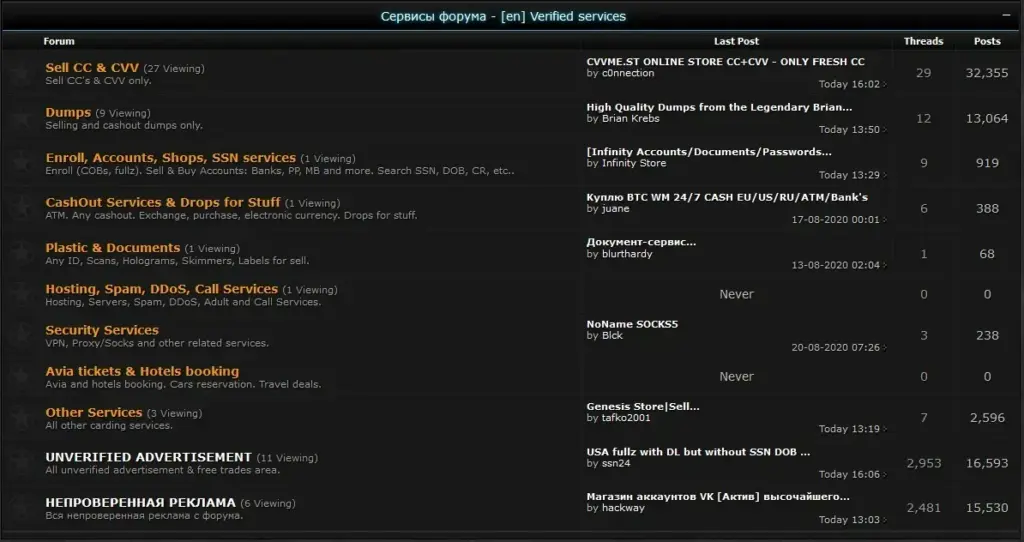
The dark web serves as a hidden aspect of the internet, hosting numerous online platforms that are typically inaccessible through standard web browsers. Unfortunately, it has become a refuge for illegal activities, particularly concerning child sexual abuse. Websites like Olympus and SoulCloud 2 have been utilized by criminals to share, distribute, and even sell indecent images of children. The anonymity afforded by these dark web forums complicates law enforcement efforts, making it challenging to dismantle organized crime networks engaged in these heinous acts.
Child exploitation on the dark web represents a significant global challenge. The case of Matthew Slate, who allegedly operated as a global moderator on these forums, highlights the alarming extent of this issue. Reports indicate that he facilitated the sharing of thousands of abusive materials, drawing attention to the urgent need for enhanced child protection laws and intervention strategies. Law enforcement agencies must collaborate across jurisdictions to combat such organized crime effectively, ensuring that offenders are caught and prosecuted.
The Role of Organized Crime in Child Sexual Abuse
The intersection between organized crime and child sexual abuse is increasingly disturbing. Criminal groups operate in sophisticated networks that leverage technology to exploit vulnerable children. In cases involving the dark web, members often coordinate through encrypted communications and relayed transactions using cryptocurrencies like Monero, as seen in Matthew Slate’s case. These practices not only hide their identities but also complicate the tracking of financial flows related to the distribution of child pornography.
In recent years, law enforcement has recognized the alarming trend of organized crime syndicates elevating their involvement in child exploitation. Legal measures and child protection laws need to evolve rapidly to adapt to these changing dynamics. By focusing resources on the digital avenues these criminals use for trafficking and distribution, authorities can both disrupt ongoing activities and deter future crimes. Cases highlighted in court provide pivotal learning opportunities for lawmakers aiming to close loopholes and strengthen the justice system.
Legislative Solutions and Challenges in Protecting Children
Recent high-profile cases have sparked critical discussions about child protection laws and their effectiveness in combating the scourge of child sexual abuse, especially within the context of the dark web. The prosecution of individuals like Matthew Slate emphasizes the urgency for lawmakers to not only impose stricter penalties but also to enhance preventive measures across the board. The legal framework must be designed to adapt to the fast-evolving landscape of online crime, ensuring robust mechanisms for reporting and responding to suspected abuse.
While efforts to strengthen legislation are underway, challenges abound in keeping pace with technology. For instance, the rapid development of encryption and data-wiping technologies poses significant hurdles for law enforcement and child protection agencies in their attempts to gather evidence. By involving tech companies in the fight against child exploitation, legislators can advocate for a balanced approach that protects privacy while prioritizing child safety. This collaborative strategy could close critical gaps in existing laws that organized crime seems to exploit.
Matthew Slate: A Case Study in Child Exploitation
The troubling case of Matthew Slate sheds light on the horrific realities of child exploitation within the digital realm. Charged with multiple counts of facilitating the sexual exploitation of children, his activities exemplify the role of key individuals in organized crime networks that thrive on the dark web. Slate’s alleged involvement as a global moderator indicates a greater degree of organization and collaboration among offenders, which poses significant obstacles for law enforcement efforts.
As the court proceedings unfold, many are left wondering about the implications of such cases for future strategies in combating child exploitation. The sheer volume of material Slate reportedly facilitated underscores the increasing normalization of such heinous acts within certain online communities. This highlights not only a need for stronger punitive measures but also for enhanced awareness programs that educate the public about the risks and signs of child exploitation.
The Impact of Technology on Child Exploitation Crimes
The intersection of technological advancements and criminal activities has transformed how child exploitation crimes are perpetrated and addressed. The dark web offers layers of anonymity and security that enable offenders to operate without fear of immediate detection. Technologies like cryptocurrencies facilitate transactions in these underground spaces, as noted in Matthew Slate’s case, where he allegedly used Monero to finance his illegal activities. The implications of such technology require innovative responses from law enforcement.
Moreover, the use of encryption has become a double-edged sword; while it serves legitimate purposes of privacy and security, it also disproportionately benefits those engaging in criminal behavior, complicating investigations into child sexual trafficking. To effectively counter these tools, law enforcement agencies must not only enhance their technical capabilities but also collaborate globally to bridge knowledge gaps about tech-savvy offenders and their methodologies.
Preventative Measures Against Child Sexual Abuse
Addressing child sexual abuse, particularly in the context of the dark web, necessitates proactive measures designed to prevent potential exploitation. Community awareness and education play critical roles in equipping parents and guardians with the knowledge to recognize warning signs. By fostering open discussions about online safety and the risks involved, we can cultivate a culture of vigilance against predators looking to exploit children.
Apart from societal measures, technological solutions must also be developed to monitor and limit access to child exploitation materials online. Automated systems can analyze and flag content as it appears on various platforms, enabling quicker intervention by law enforcement agencies. Advocacy for stronger partnerships between tech companies and child protection organizations is crucial in ensuring that preventative measures can effectively combat rising incidences of child sexual abuse.
The Legal System’s Response to Cyber-Crime
Matthew Slate’s court appearance highlights significant challenges within the legal system’s capability to respond to cyber-crime, especially concerning child sexual abuse. Although legal frameworks exist to prosecute offenders, the rapid evolution of technology means that laws often lag behind criminal activities. This disparity necessitates a re-evaluation of existing legislation to improve adaptability and responsive action against cyber-crime.
Moreover, collaboration between local and international law enforcement agencies is essential to tackle the transnational nature of cyber-crime. Children’s online safety cannot be effectively guaranteed without a unified approach involving swift sharing of intelligence, which would empower authorities to sequence tactics and act decisively. Creating stronger legal partnerships across borders will enhance the capacity to bring perpetrators to justice, thereby protecting vulnerable children globally.
The Psychological Impact of Child Exploitation
The psychological ramifications of child exploitation, particularly in cases involving the dark web, can be devastating for victims. The trauma associated with being exploited compounds over time, often leading to long-term mental health issues such as depression, anxiety, and trust issues. Understanding the psychological effects of abuse is crucial in developing effective therapeutic interventions that can facilitate recovery and reintegration into society.
Furthermore, the impact of witnessing online abuse perpetuated by individuals within organized crime networks can extend beyond direct victims, affecting their families and communities. Raising awareness about these dynamics is essential for creating comprehensive support systems for survivors. Establishing mental health resources tailored to address the unique needs of children affected by sexual abuse must be a priority for both public health sectors and child welfare organizations.
Educating Communities About Online Dangers
Engaging communities in discussions regarding online dangers associated with child exploitation is a vital step in protecting children. Educational programs and resources can empower parents and caregivers to better understand the technological landscapes their children navigate. By fostering digital literacy, communities can be equipped to identify potential threats and reinforce safe online practices.
Community workshops, school programs, and online campaigns can serve to enhance awareness of the severity of child sexual abuse and the presence of dark web predators. By creating environments where children feel comfortable reporting inappropriate behavior and where parents are informed about the latest online dangers, we can collectively work towards diminishing the risks posed by online offenders. This proactive approach can foster a culture of safety that deters potential predators.
Frequently Asked Questions
What is the connection between the dark web and child exploitation crimes like those linked to Matthew Slate?
The dark web serves as a hidden part of the internet where illegal activities, including child sexual abuse, can occur with relative anonymity. Matthew Slate allegedly exploited this anonymity by operating dark web forums to share graphic images and videos related to child exploitation. Law enforcement monitors these dark web forums in efforts to combat organized crime and protect children.
How do dark web forums facilitate organized crime involving child sexual abuse?
Dark web forums enable organized crime groups to exchange, distribute, and sell illegal content related to child sexual abuse. Cases like that of Matthew Slate highlight how these platforms can be used to share abusive images and connect perpetrators globally, making it difficult for law enforcement to track activities without specialized resources.
What measures are in place to combat child sexual abuse on the dark web?
Various child protection laws aim to combat child sexual abuse on the dark web, including international treaties and cooperation between law enforcement agencies. Specific initiatives also involve monitoring dark web forums for illegal content, promptly prosecuting offenders like Matthew Slate, and raising public awareness about the dangers of the dark web.
What charges can individuals face for engaging in dark web child exploitation activities?
Individuals like Matthew Slate can face severe criminal charges for dark web child exploitation activities, including arranging the sexual exploitation of minors, distributing indecent photographs, and participating in organized crime. Convictions can lead to significant prison sentences and lifelong registration on sex offender lists.
How does cryptocurrency usage, like Monero, affect dark web child exploitation cases?
The use of cryptocurrencies such as Monero complicates law enforcement efforts to track financial transactions tied to dark web child exploitation, as these currencies provide anonymity. Matthew Slate’s alleged use of Monero to pay for dark web forum hosting illustrates the challenges authorities face in connecting financial activities to child abuse crimes.
What impact do cases of dark web child exploitation have on child protection efforts?
High-profile cases of dark web child exploitation, such as that of Matthew Slate, draw attention to the critical need for enhanced child protection laws and resources for investigation. They also underscore the importance of international cooperation in law enforcement and the continued need for public education on the risks associated with the dark web.
How can individuals help prevent child exploitation linked to dark web forums?
Preventing child exploitation related to dark web forums requires vigilance from the public. Individuals can report suspicious online behavior, support organizations focused on child protection, and educate themselves and others about the risks of dark web activities. Awareness can lead to improved safety for children.
| Key Points | Details |
|---|---|
| Suspect | Matthew Slate, 36, from north London. |
| Charges | Operating dark web forums for sharing child sexual abuse material. |
| Role | Global moderator on the dark web forum Olympus under the username ‘Loudechoes’. |
| Period of Activity | More than 18 months. |
| Total Images | Amassed around 57,000 illegal images of children. |
| Serious Abuse Images | Over 10,000 images categorized as the most serious type of abuse. |
| Bail Conditions | Must comply with National Crime Agency’s requests; restrictions on internet use. |
Summary
Dark web child exploitation remains a pressing issue, highlighted by the recent case of Matthew Slate, a suspected pedophile charged with operating forums for distributing child sexual abuse material. Slate’s allegations illustrate the disturbing reality of how such networks function and the scale of the problem, with allegations of facilitating the dissemination of over 2,000 images and possessing 57,000 illegal images. The legal proceedings set to unfold in the upcoming plea hearing will further shine a light on the ongoing battle against dark web child exploitation.